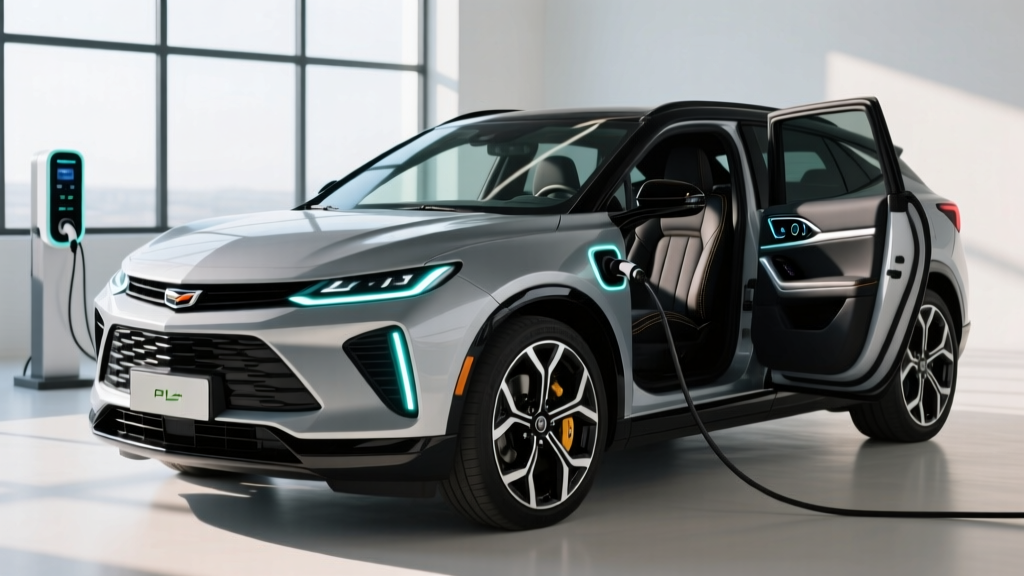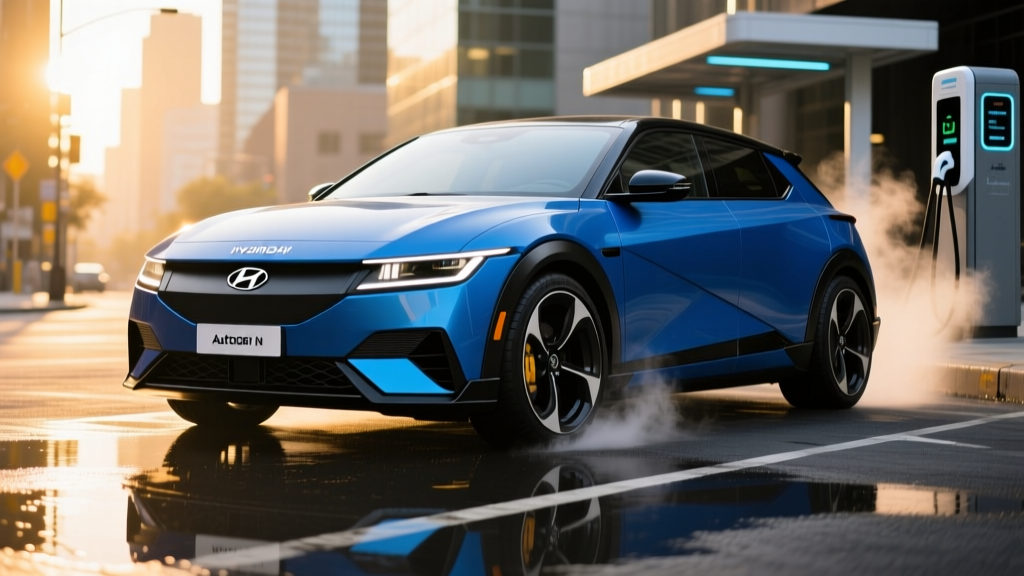
The Hyundai Ioniq 5 N isn't trying to be the most efficient electric crossover you can buy. It's trying to be the most entertaining one. Built on Hyundai's E-GMP platform and tuned by the N performance division that birthed the Veloster N and Elantra N, this hot-hatch-on-stilts packs 641 horsepower, a track-oriented thermal management system, and simulated gear shifts that make you forget you're driving a battery-electric vehicle. But performance EVs live and die by the same metrics as every other EV: real-world range, charging speed, and total ownership cost. Here's the full data-driven breakdown of the 2026 Hyundai Ioniq 5 N model.
Range, Efficiency, and the Real-World Reality Check
The Ioniq 5 N carries an 84.0 kWh usable battery pack (NMC lithium-ion chemistry) — the same cell format found in the standard Ioniq 5 Long Range, but paired with far more aggressive power delivery and wider, stickier tires that increase rolling resistance. The result is an EPA-estimated range that sits well below its comfort-oriented siblings.
| Metric | Ioniq 5 N | Ioniq 5 Long Range AWD |
|---|---|---|
| EPA Range | 221 miles | 290 miles |
| Combined MPGe | 81 MPGe | 110 MPGe |
| Energy Consumption | 42 kWh/100 mi | 30 kWh/100 mi |
| Battery (Usable) | 84.0 kWh, NMC | 84.0 kWh, NMC |
If your daily commute is under 80 miles round-trip and you have home charging, the Ioniq 5 N's range is manageable. If you're planning regular 300-mile road trips, you'll be stopping every 140–170 highway miles to charge — roughly every 90 minutes at interstate speeds. That's a real limitation worth internalizing before purchase.
DC Fast Charging and Home Charging Speeds
Hyundai's E-GMP platform supports 800-volt architecture, which remains one of the fastest-charging systems available in any production EV. The Ioniq 5 N can accept up to 238 kW peak at a compatible DC fast charger, and its thermal preconditioning system (standard, with an N-specific track cooling mode) prepares the battery for maximum charge acceptance.
| Charging Level | Power / Rate | Speed | Notes |
|---|---|---|---|
| Level 1 (120V) | ~1.4 kW | ~3–4 mi/hr | Emergency/trickle only |
| Level 2 (240V, 48A) | 10.9 kW | ~28 mi/hr | Full charge in ~8.5 hrs |
| DC Fast Charge (CCS/NACS) | Up to 238 kW peak | 10–80% in ~18 min | Sustained rate tapers above 60% SoC |
The 10–80% DC fast-charge time of approximately 18 minutes is achievable at a 350 kW charger (such as Electrify America or select Tesla Superchargers with a NACS adapter). The charge curve is aggressive through 55–60% SoC, then tapers to protect the battery. Expect 80–100% to take an additional 18–22 minutes. For road-trip planning, plan your stops around the 10–80% window — charging past 80% at a DC station is rarely time-efficient.
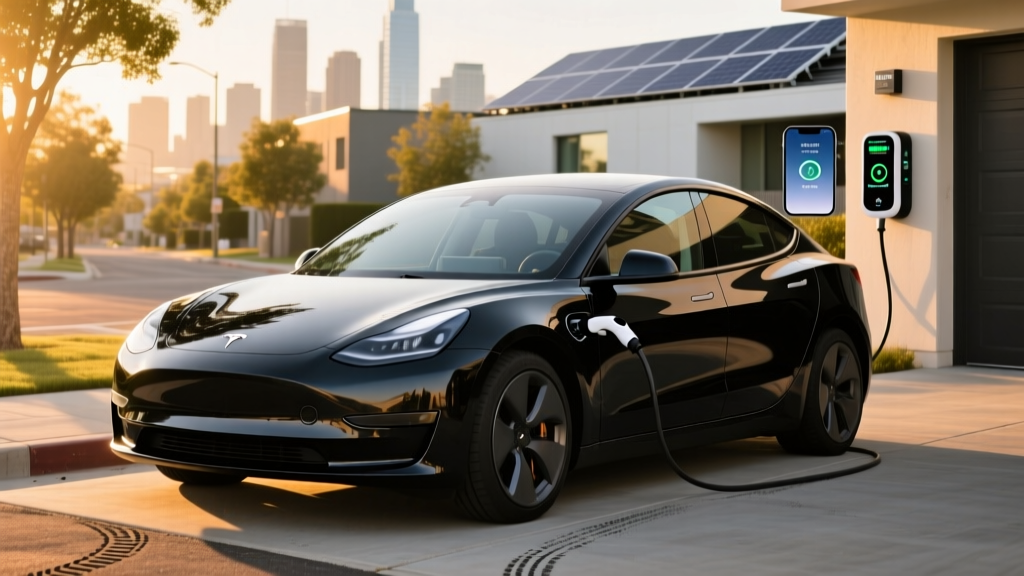
At home on a Level 2 wall connector (240V, 48-amp circuit), the Ioniq 5 N adds roughly 28 miles of range per hour of charging. A full overnight charge from 10% takes about 8.5 hours, which works well for daily replenishment. Home installation typically costs $800–$2,200 depending on panel capacity and conduit run — budget for a dedicated 60-amp circuit with a licensed electrician.
Performance: 641 HP and the N e-Shift Experience
The dual-motor all-wheel-drive powertrain produces 601 horsepower in standard mode and 641 horsepower with N Grin Boost (NGB) engaged — a 10-second burst activated via the N steering wheel button. Torque peaks at 568 lb-ft.
| Performance Spec | Value |
|---|---|
| 0–60 mph | 3.25 seconds |
| Top Speed | 161 mph (electronically limited) |
| Horsepower (NGB) | 641 hp |
| Torque | 568 lb-ft |
| Drivetrain | Dual-motor AWD |
| Curb Weight | ~4,860 lbs |
The headline feature is N e-Shift, which simulates an 8-speed dual-clutch transmission complete with simulated shift shocks, rev-matching, and even a simulated redline fuel cut. It sounds gimmicky until you drive it on a back road — the tactile feedback and rhythm it creates transforms the driving experience from "instant torque sled" to something that rewards timing and engagement. You can turn it off entirely for seamless single-speed EV acceleration.
The N-specific suspension tuning, reinforced body structure, and 275/35R21 Pirelli P Zero tires deliver genuine corner-carving capability. The brake system uses 400mm front rotors with regenerative blending that's among the most natural in any EV. Hyundai also includes an N Drift Optimizer (for closed-course use) and N Torque Distribution for adjustable front/rear torque splitting.
According to NHTSA, the standard Ioniq 5 platform earned a 5-Star Overall Safety Rating. The N variant shares the same structure but has not been separately crash-tested.
Pricing, Tax Credits, and Ownership Cost
The 2026 Hyundai Ioniq 5 N carries a base MSRP of $67,500, including destination. It is offered as a single, well-equipped trim — there are no lower trims to de-content. Optional packages include the N Matte Gray paint ($1,000) and the N Carbon Package (carbon-fiber mirror caps, side skirts, and rear spoiler, ~$2,500). A fully loaded example lands near $71,000.
| Cost Factor | Amount |
|---|---|
| Base MSRP | $67,500 |
| As-Tested (w/ options) | ~$71,000 |
| Federal §30D Tax Credit | $0 (exceeds MSRP cap) |
| Est. Annual Insurance | $2,800–$3,600 |
| Est. Annual Electricity (12k mi) | $600–$850 |
Federal tax credit eligibility: The Ioniq 5 N does not qualify for the IRS §30D Clean Vehicle Credit. Under current rules, SUVs must have an MSRP at or below $80,000 to qualify, and while the Ioniq 5 N's $67,500 sticker clears that threshold, its classification by the IRS as a passenger vehicle (not an SUV) subjects it to the $55,000 sedan cap — which it exceeds. Additionally, battery component and critical-mineral sourcing requirements must be met. Always verify current eligibility on IRS.gov before purchasing, as classification and sourcing rules are subject to change. Some states offer additional rebates that may apply regardless of federal eligibility — check your local DMV or energy office.
Insurance costs are notably higher than a standard Ioniq 5 due to the N's performance classification. Expect premiums 40–60% above a Long Range AWD model. On the operating-cost side, electricity at the national average of $0.16/kWh and the N's 42 kWh/100 mi consumption yields roughly $670 per year for 12,000 miles — still far below the $2,000+ in gasoline a comparable 641-hp gas vehicle would require.
Interior Space, Cargo, and Daily Usability
Despite its performance focus, the Ioniq 5 N retains the practical cabin dimensions of the standard Ioniq 5. The N-specific sport seats (heated and ventilated front, heated rear) are heavily bolstered but still comfortable for long drives. The flat floor and 118.3-inch wheelwheelbase provide generous rear legroom.
| Dimension | Measurement |
|---|---|
| Cargo (rear seats up) | 27.2 cu ft |
| Cargo (rear seats folded) | 59.3 cu ft |
| Front Legroom | 41.7 in |
| Rear Legroom | 39.4 in |
| Frunk (front trunk) | 0.85 cu ft (reduced for cooling hardware) |
The frunk is significantly smaller than the standard Ioniq 5's 2.1 cu ft, as N-specific cooling components occupy some of that space. Cargo volume behind the rear seats remains a practical 27.2 cu ft — enough for a weekend trip for two or a week's groceries. The dual 12.3-inch panoramic display runs Hyundai's latest infotainment with wireless Apple CarPlay and Android Auto, over-the-air updates, and N-specific performance pages showing G-force, battery temperature, and lap timers.
Driver Assistance and Smart Features
The Ioniq 5 N includes Hyundai's full SmartSense suite: adaptive cruise control with stop-and-go, lane-keeping assist, blind-spot monitoring, rear cross-traffic collision avoidance, and highway driving assist. These are SAE Level 2 driver-assistance features — the driver must remain fully engaged with hands on the wheel and eyes on the road. This is not autonomous driving.
Standout N-specific tech includes N Track Map (records lap data with GPS), N Race App integration, and customizable regen braking profiles (including a true one-pedal driving mode via i-Pedal). The N Sound Equalizer and Active Sound+ system pipe synthesized engine and turbo sounds through the cabin speakers — polarizing, but effective at adding auditory feedback during spirited driving.
Warranty and Long-Term Battery Outlook
Hyundai backs the Ioniq 5 N with the same comprehensive warranty as the rest of the lineup:
- New Vehicle Limited: 5 years / 60,000 miles
- Powertrain: 10 years / 100,000 miles
- Battery Capacity: 10 years / 100,000 miles (retains ≥70% of original capacity)
- Complimentary Maintenance: 3 years / 36,000 miles
The 70% capacity retention threshold over 10 years is industry-standard. Hyundai's NMC cells have demonstrated strong longevity in the broader Ioniq 5 fleet, with most owners reporting 93–96% State of Health after the first two years. Track use generates significant thermal cycling, which can accelerate degradation over time — if you plan regular track days, monitor State of Health via the infotainment system and avoid repeated full-discharge-to-full-charge cycles without cooldown periods.
Pros, Cons, and the Competition
Pros
- 641 hp with N Grin Boost; 3.25-sec 0–60
- 800V architecture: 10–80% in ~18 min
- N e-Shift adds genuine driving engagement
- Practical cargo space and rear-seat room
- 10-yr / 100k-mi battery warranty
- Class-leading thermal management for track use
Cons
- 221-mi EPA range; ~175 mi real-world highway
- Does NOT qualify for $7,500 federal tax credit
- $67,500 base price is steep for the Ioniq 5 platform
- High insurance costs (~$3,000+/yr)
- Artificial engine sounds are divisive
- Reduced frunk space vs. standard Ioniq 5
The Ioniq 5 N's closest competitor is the Tesla Model Y Performance ($53,490, 277-mi range, 3.5-sec 0–60). The Tesla is quicker to charge, cheaper, and qualifies for the federal credit — but it lacks the N's mechanical engagement, simulated shifts, and track-ready cooling. The Porsche Macan 4 Electric ($80,000+) offers superior handling refinement but at a dramatically higher price and with slower DC charging (non-800V). The BMW iX M60 ($111,000) is more powerful and luxurious but nearly double the cost.
- Choose it if: You want the most engaging driver's EV under $75K, you have reliable home charging, your commute is under 80 miles, and you value driving dynamics over maximum range or tax-credit savings.
- Pass if: You regularly drive 200+ miles between charges, you need federal tax-credit savings to justify the purchase, or you prioritize efficiency and low operating costs over performance.
Frequently Asked Questions
What is the real-world range of the Hyundai Ioniq 5 N?
The EPA rates the Ioniq 5 N at 221 miles combined. In real-world highway driving at 70–75 mph, expect 175–195 miles. In cold weather below 30°F, plan for 140–165 miles. Track use reduces effective range further.
How fast does the Ioniq 5 N charge?
On a 350 kW DC fast charger, the Ioniq 5 N charges from 10–80% in approximately 18 minutes, peaking at 238 kW. At home on Level 2 (240V, 48A), it charges at 10.9 kW, adding roughly 28 miles of range per hour.
Does the Hyundai Ioniq 5 N qualify for the federal EV tax credit?
No. Under current IRS §30D rules, the Ioniq 5 N's $67,500 MSRP exceeds the $55,000 cap for vehicles classified as passenger cars (not SUVs). Battery sourcing rules also apply. Always verify at IRS.gov before purchasing.
How much does the Ioniq 5 N cost to own annually?
Expect $600–$850/year in electricity (12,000 miles at national average rates) and $2,800–$3,600/year in insurance. Total annual operating cost is roughly $3,400–$4,450, excluding maintenance and depreciation.
Is the Ioniq 5 N worth it vs. the Tesla Model Y Performance?
If driving engagement, simulated shift feel, and track capability matter to you, the Ioniq 5 N delivers an experience the Model Y Performance cannot match. If you prioritize range (277 vs. 221 mi EPA), price ($53K vs. $67.5K), and federal tax credit eligibility, the Tesla is the more rational buy.
What is the Ioniq 5 N's battery warranty?
Hyundai covers the battery for 10 years or 100,000 miles, guaranteeing it retains at least 70% of its original capacity. The powertrain warranty is also 10 years/100,000 miles.
The 2026 Hyundai Ioniq 5 N model occupies a rare niche: a performance EV that's genuinely thrilling to drive while remaining practical enough for daily use. Its range and price are real compromises, and the lack of federal tax-credit eligibility stings. But for enthusiasts who want an EV that rewards spirited driving without sacrificing the instant torque and low running costs that make electric powertrains compelling, the Ioniq 5 N stands alone in its price bracket. Just plan your road trips carefully.