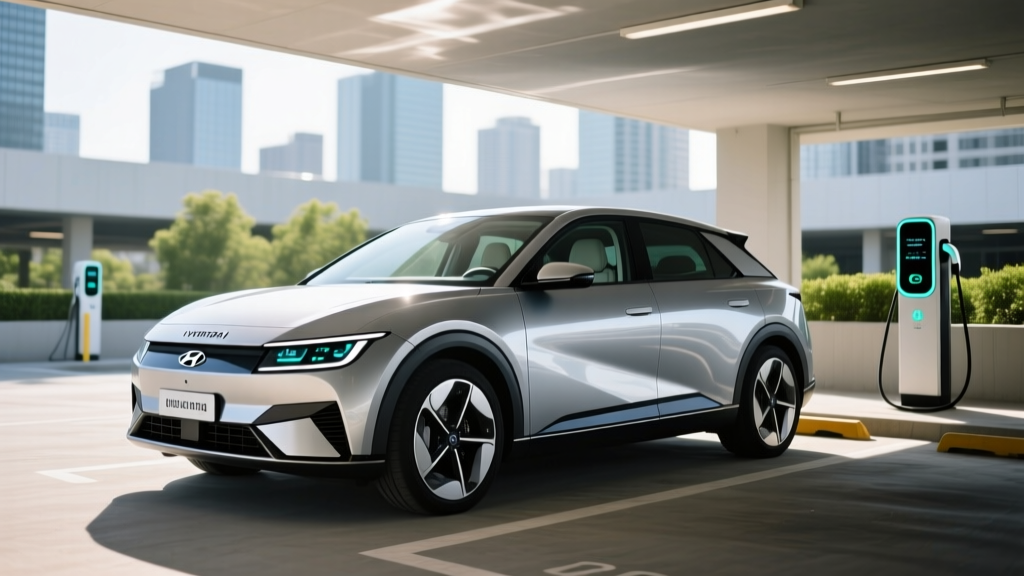
If you've been searching for competitive Hyundai Ioniq 5 leases in 2026, you're looking at one of the most well-rounded electric crossovers on the market — but the deal you get depends heavily on trim selection, your local incentives, and understanding how the federal tax credit works when leasing versus buying. The Ioniq 5 continues into the 2026 model year with a refreshed battery lineup, the addition of Tesla Supercharger access via a factory NACS port, and a new XRT off-road-oriented trim that broadens its appeal beyond the typical urban commuter.
This profile breaks down everything you need to evaluate before signing a lease: real-world range versus the EPA sticker, charging speeds across DC and home Level 2, current pricing, and the ownership economics that make leasing particularly attractive for this model right now.
2026 Hyundai Ioniq 5 at a Glance: Core Specs
| Spec | SE/SEL (Standard Range RWD) | SEL/Limited (Long Range RWD) | Long Range AWD | N (Performance) |
|---|---|---|---|---|
| EPA Range | 245 mi | 318 mi | 290 mi | 260 mi |
| Battery (usable) | 63.0 kWh (LFP) | 84.0 kWh (NMC) | 84.0 kWh (NMC) | 84.0 kWh (NMC) |
| Horsepower | 168 hp | 225 hp | 320 hp | 641 hp |
| 0–60 mph | 7.4 sec | 6.2 sec | 4.5 sec | 3.3 sec |
| Max DC Charge Rate | 175 kW | 240 kW | 240 kW | 250 kW |
| 10–80% DC Time | ~24 min | ~18 min | ~18 min | ~18 min |
| Level 2 Rate (kW) | 10.9 kW | 10.9 kW | 10.9 kW | 10.9 kW |
| MPGe (combined) | 110 MPGe | 114 MPGe | 101 MPGe | 85 MPGe |
| Drivetrain | RWD | RWD | Dual-motor AWD | Dual-motor AWD |
| Base MSRP | $42,450 | $47,400 | $50,900 | $66,200 |
Real-World Range: What the EPA Sticker Doesn't Tell You
Expect approximately 270–290 miles on mixed highway/city driving in moderate temperatures (60–80°F). On sustained 75 mph highway runs, plan for 250–265 miles before needing a charge stop. In freezing conditions (below 32°F), range can drop 20–30%, bringing effective range to roughly 220–255 miles depending on cabin heat usage. The Ioniq 5's standard heat pump (on Long Range trims) mitigates some cold-weather loss compared to EVs without one.
The 318-mile EPA figure on the Long Range RWD places the Ioniq 5 near the top of its class, trailing only the Tesla Model Y Long Range (~330 mi) and edging out the Ford Mustang Mach-E Extended Range (~310 mi). According to fueleconomy.gov, the Long Range RWD achieves 114 MPGe combined, which translates to roughly 29 kWh per 100 miles — competitive efficiency for a crossover of this size and weight.
The Standard Range RWD model, now equipped with an LFP (lithium iron phosphate) battery, sacrifices some range (245 mi EPA) but gains two practical advantages: LFP chemistry tolerates regular 100% charging without accelerated degradation, and it eliminates concerns about cobalt sourcing. For a lease — where you'll return the vehicle in 36 months — the degradation advantage matters less, but the lower entry price does.
Charging Speed: 800-Volt Architecture Pays Off
The Ioniq 5's E-GMP platform runs an 800-volt electrical architecture, which enables DC fast-charging speeds that remain among the fastest in the segment. Here's what charging looks like across different scenarios:
| Charging Level | Power / Rate | Miles Added per Hour | Notes |
|---|---|---|---|
| Level 1 (120V household) | ~1.4 kW | ~4–5 mi/hr | Emergency/trickle only |
| Level 2 (240V home) | 10.9 kW | ~36–40 mi/hr | Full charge in ~8 hrs (84 kWh battery) |
| DC Fast (350 kW station) | Peak 240 kW | ~650+ mi/hr (at peak) | 10–80% in ~18 min; tapers sharply above 80% |
| DC Fast (150 kW station) | ~130–145 kW avg | ~400 mi/hr (at peak) | 10–80% in ~28 min |
The 18-minute 10–80% time is a peak-to-taper average. In practice, the Ioniq 5 sustains above 200 kW from roughly 10–55% state of charge, then steps down through the 150 kW range before tapering to under 60 kW past 80%. This is why we always recommend charging to 80% on road trips rather than waiting for 100% — the last 20% can take as long as the first 70%.
A major 2026 advantage: the Ioniq 5 now ships with a native NACS (Tesla-style) charge port, giving it direct access to Tesla's Supercharger network without an adapter. This dramatically expands reliable fast-charging coverage, particularly in rural corridors where Electrify America and EVgo stations remain sparse. For CCS-only legacy stations, Hyundai includes a NACS-to-CCS adapter in the box.
Lease Pricing and the Tax Credit Advantage
Here's where Hyundai Ioniq 5 leases become particularly interesting in 2026. The federal EV tax credit under IRS §30D has strict requirements for purchased vehicles — including MSRP caps ($80,000 for SUVs), buyer income limits ($150K single / $300K joint), and battery critical-mineral sourcing rules that disqualify some trims. However, under the commercial vehicle credit (§45W), leasing companies can claim the $7,500 credit regardless of buyer income or battery sourcing, and many pass this savings through as a lease cash incentive.
| Trim | MSRP | Typical Lease Cash | Est. Monthly (36 mo, 10K mi/yr, $3,500 down) |
|---|---|---|---|
| SE Standard Range RWD | $42,450 | $7,500 | $329–$379 |
| SEL Long Range RWD | $47,400 | $7,500 | $399–$449 |
| Limited Long Range AWD | $54,400 | $7,500 | $489–$549 |
| XRT Long Range AWD | $53,900 | $7,500 | $479–$539 |
Note: Lease payments vary by dealer, region, credit tier, and current Hyundai Motor Finance promotional rates. The figures above reflect advertised deals from major metro areas as of early 2026. Always confirm current lease cash availability with your dealer — it is not guaranteed on every trim in every month.
The key insight: if you don't qualify for the $7,500 purchase credit due to income limits or if the specific trim's battery sourcing doesn't meet critical-mineral requirements, leasing bypasses both restrictions. This makes the Ioniq 5 one of the most accessible ways to capture the full federal incentive in 2026.
Interior, Tech, and Daily Usability
The Ioniq 5's retro-futuristic interior remains one of its strongest selling points. The dual 12.3-inch displays (instrument cluster and infotainment) run Hyundai's latest ccNC software, which is responsive and supports wireless Apple CarPlay and Android Auto. Physical climate controls persist — a welcome choice over touch-only alternatives.
Cargo and passenger dimensions:
- Rear cargo (behind second row): 27.2 cu ft
- Cargo with rear seats folded: 59.3 cu ft
- Front trunk (frunk): 0.85 cu ft (AWD) / 2.0 cu ft (RWD)
- Rear legroom: 39.4 inches
- Front headroom: 40.2 inches
The sliding center console and flat floor (thanks to the dedicated EV platform) create a genuinely spacious cabin. Rear-seat room is generous enough for adult passengers on long trips, and two rear-facing child seats fit without compromising front-seat comfort.
Driver assistance: Hyundai's Highway Driving Assist 2 (HDA2) is standard on SEL and above, offering adaptive cruise with lane centering and automated lane changes. This is an SAE Level 2 system — it requires active driver supervision at all times and does not make the Ioniq 5 self-driving. It performs comparably to Ford BlueCruise on divided highways but lacks the hands-free capability of GM's Super Cruise or Ford's hands-free zones.
Unique feature: Vehicle-to-Load (V2L) capability lets you power external devices (up to 3.6 kW) through an interior outlet or an external adapter — useful for camping, tailgating, or emergency backup power for a laptop and small appliances.
Pros, Cons, and Who Should Lease the Ioniq 5
Pros
- Class-leading 240 kW DC charging with 18-min 10–80%
- Native NACS port = Tesla Supercharger access
- Lease cash often captures full $7,500 credit regardless of income
- Spacious flat-floor interior with excellent rear legroom
- V2L power output capability
- Strong IIHS Top Safety Pick+ rating
- Heat pump standard on Long Range trims
Cons
- Frunk is tiny (especially on AWD trims)
- No rear wiper (visibility issue in rain/snow)
- HDA2 is capable but not hands-free like some competitors
- Standard Range LFP battery means noticeably less range (245 mi)
- Road noise at highway speeds is above average for the segment
- No single-pedal driving mode (i-PEDAL) on US-spec models in all trims
Who the Ioniq 5 Lease Suits Best
Ideal for: Daily commuters with home Level 2 charging who take occasional road trips (the 318-mi range and 18-min fast-charge handle 300-mile legs comfortably). Families needing rear-seat space for kids and cargo. Tech-forward buyers who want 800V charging and NACS access without the Tesla ecosystem lock-in.
Less ideal for: Heavy towers (max tow rating is only 2,300 lbs on AWD trims). Those in extreme cold climates without garage parking (all EVs lose range, but the Ioniq 5's efficiency drops noticeably below 20°F). Buyers who prioritize hands-free highway driving over charging speed.
How It Compares: Ioniq 5 vs. Key Rivals
| Spec | Hyundai Ioniq 5 LR RWD | Tesla Model Y LR AWD | Ford Mach-E ER RWD | VW ID.4 Pro S RWD |
|---|---|---|---|---|
| EPA Range | 318 mi | 330 mi | 310 mi | 291 mi |
| Max DC Charge | 240 kW | 250 kW | 150 kW | 175 kW |
| 10–80% Time | ~18 min | ~17 min | ~33 min | ~28 min |
| NACS Native | Yes | Yes | Adapter req. | Adapter req. |
| Base MSRP | $47,400 | $46,630 | $45,995 | $44,995 |
| Lease Cash (typ.) | $7,500 | $0–$7,500 | $7,500 | $7,500 |
The Ioniq 5's edge is charging speed — its 18-minute 10–80% time meaningfully beats the Mach-E and ID.4 on road trips. The Model Y remains the efficiency and range benchmark, but the Ioniq 5 offers a more conventional crossover driving position, physical buttons, and (subjectively) more interesting design. Lease pricing across all four is competitive when lease cash is applied, so the decision often comes down to brand preference, local dealer quality, and which tech ecosystem you prefer.
Warranty and Long-Term Battery Confidence
Hyundai backs the Ioniq 5 with one of the strongest warranty packages in the segment:
- New vehicle limited: 5 years / 60,000 miles
- Powertrain: 10 years / 100,000 miles
- High-voltage battery: 10 years / 100,000 miles (guaranteed to retain ≥70% of original capacity)
For a 36-month lease, you'll be well within all warranty periods. The 70% capacity retention threshold is standard for the industry — in practice, Hyundai/Kia battery packs have shown degradation of roughly 5–8% over the first 60,000 miles in owner-reported data, meaning you're unlikely to approach warranty territory during a typical lease.
Frequently Asked Questions
Does the Hyundai Ioniq 5 qualify for the federal EV tax credit if I lease?
Yes — indirectly. When you lease, the leasing company (Hyundai Motor Finance or a third party) claims the $7,500 commercial clean vehicle credit under §45W, and most pass this through as a capitalized-cost reduction (lease cash). This bypasses the purchase-credit income caps, MSRP limits, and battery-sourcing rules. Confirm with your dealer that lease cash is currently available on your chosen trim.
What is the real-world highway range of the Ioniq 5 Long Range?
On a flat interstate at 70–75 mph in moderate weather (65°F), expect 260–275 miles from a full charge. In winter conditions (25°F) with the heat pump running, plan for 220–245 miles. These figures assume no preconditioning; using the navigation-based battery preconditioning feature before a DC fast-charge stop will slightly reduce range but dramatically improve charging speed.
How much does it cost to charge the Ioniq 5 at home?
With the national average electricity rate of ~$0.16/kWh, fully recharging the 84 kWh Long Range battery from 10% to 100% costs roughly $12–$14. That's equivalent to about $0.04–$0.05 per mile — roughly one-third the fuel cost of a comparable 25 MPG gas crossover at $3.30/gallon.
Is the Ioniq 5 a good EV for road trips?
Yes, particularly the Long Range trims. The combination of 318 miles of range, 18-minute DC fast charging, and Tesla Supercharger access (via native NACS) makes 300-mile driving days manageable with one 20-minute charge stop. The cabin is comfortable for four adults, though the small frunk limits under-hood storage.
Should I lease or buy the 2026 Ioniq 5?
Leasing makes the most sense if: (1) you don't qualify for the purchase tax credit due to income limits, (2) you want to capture the $7,500 incentive without worrying about battery-sourcing compliance, or (3) you prefer upgrading every 3 years as charging and battery tech evolve rapidly. Buying makes more sense if you plan to keep the vehicle 7+ years, drive over 15,000 miles annually (lease mileage penalties add up), or qualify for the full purchase credit and want to build equity.
What home charging setup do I need?
A 240V Level 2 home charger rated for 48 amps (on a 60-amp circuit) will deliver the Ioniq 5's maximum 10.9 kW AC charge rate, adding roughly 36–40 miles of range per hour. Installation costs typically range from $500–$2,000 depending on your electrical panel capacity and distance from the panel to the charging location. Budget for a potential panel upgrade ($1,500–$3,000) if your home has a 100-amp service — most modern EV-owning homes benefit from a 200-amp panel.