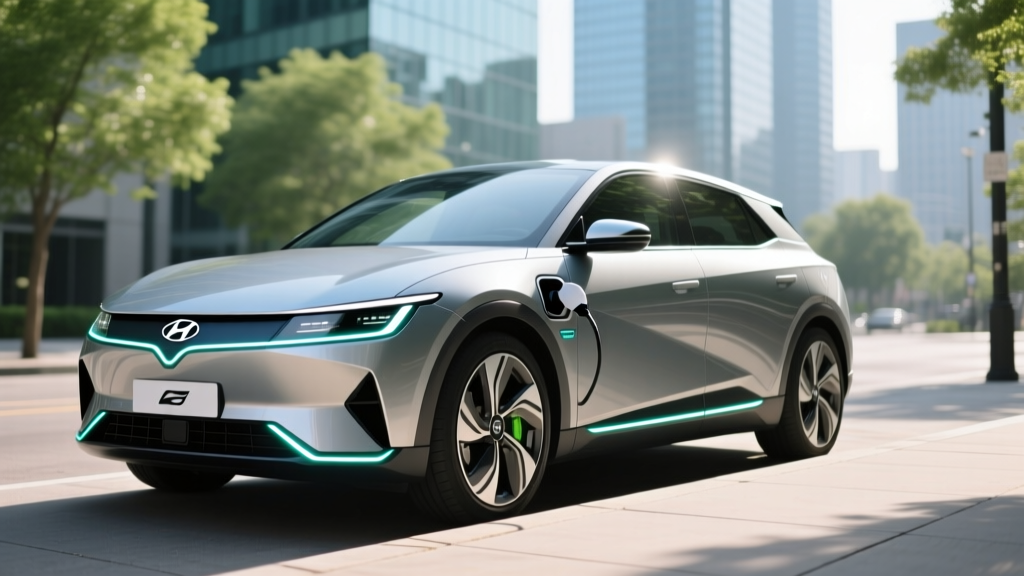
The Hyundai Ioniq 5 remains one of the most compelling electric crossovers on the market in 2026, and aggressive lease incentives have made it even more attainable. If you've been searching for Hyundai Ioniq 5 lease specials, you're likely weighing whether the numbers pencil out against buying — and whether the EV itself delivers on its promises beyond the showroom sticker. This review gives you the exact specs, real-world range data, charging performance, and tax-credit context you need to make that call.
2026 Hyundai Ioniq 5 at a Glance: Core Specs
| Attribute | SE/SEL RWD (Standard Range) | SEL/Limited AWD (Long Range) |
|---|---|---|
| EPA Range | 240 miles | 290 miles |
| Battery (usable) | 58 kWh (LFP) | 77.4 kWh (NMC) |
| Horsepower | 168 hp | 320 hp |
| 0-60 mph | 7.4 sec | 4.5 sec |
| Peak DC Fast Charge | 175 kW | 240 kW |
| 10-80% DCFC Time | ~22 min | ~18 min |
| Level 2 Charge Rate | 10.9 kW | 10.9 kW |
| MPGe (combined) | 114 MPGe | 101 MPGe |
| Drivetrain | RWD single motor | AWD dual motor |
| Base MSRP | $42,600 | $50,850 |
Source: EPA Fuel Economy
Real-World Range: What You'll Actually Get
EPA sticker: 290 miles (AWD Long Range) / 240 miles (Standard Range)
Real-world highway (70-75 mph, moderate temps): ~245-260 miles (AWD) / ~200-215 miles (Standard)
Cold-weather (below 32°F, highway): ~195-220 miles (AWD) / ~160-180 miles (Standard)
City/mixed driving with regen: Often matches or slightly exceeds EPA estimates
The Ioniq 5's 800V architecture and heat pump (standard on Long Range trims) give it an efficiency edge in temperature management, but physics still applies. At sustained highway speeds above 70 mph, expect a 10-15% range reduction from the EPA figure. In freezing conditions, that gap widens to 20-30%, which is typical for NMC packs. The Standard Range LFP battery degrades less in cold weather percentage-wise, but starts from a smaller baseline — so your absolute-mile loss still stings on road trips.
For daily commuting under 60 miles round-trip, even the Standard Range model handles multiple days between charges. Road-trippers should plan around the 240-260 mile real-world AWD figure, which comfortably covers most DC fast-charger spacing on interstate corridors.
Charging Performance: 800V Architecture Still Shines
| Charging Method | Power / Rate | Typical Time or Miles Added |
|---|---|---|
| Level 1 (120V household) | ~1.4 kW | ~3-5 miles per hour |
| Level 2 (240V home/public) | 10.9 kW | ~30-35 miles per hour; full charge in ~8 hours (Long Range) |
| DC Fast Charge (Standard Range) | Peak 175 kW | 10-80% in ~22 minutes |
| DC Fast Charge (Long Range) | Peak 240 kW | 10-80% in ~18 minutes |
The Ioniq 5's 800-volt electrical architecture — shared with the Kia EV6 and Genesis GV60 — remains a genuine differentiator. Most competitors in this price range still use 400V systems that peak between 130-170 kW. On a 350 kW Electrify America or Tesla Supercharger (with NACS adapter, now included), the Long Range Ioniq 5 sustains above 180 kW well past 50% state of charge before tapering. That sustained curve, not just the peak number, is what gets you from 10-80% in 18 minutes rather than 28.
Home charging note: The 10.9 kW onboard charger means a 48-amp Level 2 circuit adds roughly 30-35 miles of range per hour. A full overnight charge is easily achievable. Budget $800-$1,500 for a quality Level 2 home station installation (equipment + electrician), assuming your panel has capacity. Older homes may need a $1,500-$3,000 panel upgrade.
Lease Specials vs. Buying: The Numbers That Matter
Hyundai has been aggressive with Ioniq 5 lease incentives throughout 2025-2026, often stacking factory cash with dealer discounts. Here's why leasing this particular EV can be financially strategic:
- Lease loophole on tax credits: Under IRS §30D rules, vehicles assembled outside the US don't qualify for the $7,500 buyer credit. However, the commercial clean vehicle credit (§45W) allows the leasing company to claim a credit and pass savings to you as a reduced lease cost — regardless of assembly location. The Ioniq 5 is built in South Korea (and at Hyundai's Georgia plant for some trims), so this lease-credit pathway is often the only way to capture the full incentive.
- Depreciation hedge: EV residual values remain volatile. A 36-month lease caps your downside if battery tech or pricing shifts dramatically.
- Lower monthly outlay: Typical Ioniq 5 AWD leases in 2026 run $349-$449/month with $2,500-$3,999 due at signing (depending on region, credit tier, and trim) — often $150-$250/month less than financing at current rates.
| Scenario | Monthly Payment (est.) | Upfront Cost | Tax Credit Path | 36-Month Total (approx.) |
|---|---|---|---|---|
| Finance (6.5%, 72 mo, $7,500 credit applied) | ~$570 | ~$3,500 | §30D point-of-sale (if GA-built & eligible) | ~$24,020 + interest |
| Lease (36 mo/10k mi, lease credit applied) | ~$389 | ~$3,500 | §45W passed through lessor | ~$17,504 (no equity) |
Payments are illustrative based on advertised 2026 programs and vary by dealer, region, and creditworthiness. Always confirm with your local Hyundai dealer. Tax credit eligibility depends on IRS sourcing, income, and MSRP rules — consult IRS §30D guidance or a tax professional.
Federal Tax Credit Eligibility Checklist
- MSRP cap: SUVs/crossovers must be under $80,000 (Ioniq 5 qualifies on all trims)
- Buyer income cap (purchase): $150K single / $225K HOH / $300K joint AGI
- Battery sourcing & critical minerals: Must meet annual phase-in thresholds set by the Treasury — check current-year compliance lists
- North American assembly: Required for §30D purchase credit; Ioniq 5 vehicles from the Georgia plant may qualify, Korean-built units generally do not for purchase
- Lease workaround: §45W commercial credit has no assembly or income requirement — savings passed via reduced lease payment
Performance, Interior, and Daily Livability
The dual-motor AWD Ioniq 5 delivers 320 hp and a 4.5-second 0-60 time — genuinely quick for a family crossover. The RWD Standard Range model is more sedate at 7.4 seconds but still adequate for merging and passing. Ride quality is firm but well-damped, and the low center of gravity keeps body roll minimal through corners.
Interior Space and Cargo
- Passenger volume: 106.5 cu ft
- Rear legroom: 39.4 inches (best-in-class for the segment)
- Cargo behind rear seats: 27.2 cu ft
- Cargo with rear seats folded: 59.3 cu ft
- Front trunk (frunk): 0.85 cu ft (AWD) / 2.0 cu ft (RWD) — enough for a charging cable bag, not much more
The flat floor and sliding center console are Ioniq 5 hallmarks. The 12.3-inch dual-screen setup runs Hyundai's latest infotainment with wireless Apple CarPlay and Android Auto. Hyundai SmartSense (Level 2 driver assistance) includes adaptive cruise with stop-and-go, lane-centering, blind-spot monitoring, and rear cross-traffic avoidance. This is not self-driving — you must keep hands on the wheel and eyes on the road at all times.
Vehicle-to-Load (V2L)
The Ioniq 5's V2L feature lets you power external devices (up to 3.6 kW) through an adapter plugged into the charge port or a dedicated interior outlet (Limited trim). It's genuinely useful for camping, tailgating, or emergency backup — you can run a refrigerator, laptop, or power tools without a generator.
Who Should Lease the Ioniq 5 — And Who Shouldn't
- You want the fastest DC charging in the segment for road trips
- You value rear-seat legroom and a flat-floor cabin layout
- You want to capture EV incentives through a lease regardless of assembly location
- V2L capability matters for outdoor or emergency use
- You prefer Hyundai's 10-year/100,000-mile powertrain warranty
- You need 300+ miles of real-world highway range (consider Tesla Model Y Long Range or Rivian R1S)
- You require a large frunk for gear storage
- You want hands-free Level 2+ driving on highways (GM's Super Cruise or Ford's BlueCruise offer this)
- You plan to tow more than 2,300 lbs (Ioniq 5 is rated for light towing only)
Pros, Cons, and the Verdict
- Best-in-class 800V DC charging (18 min 10-80%)
- Spacious rear seat and flat-floor interior
- Competitive lease pricing with credit pass-through
- Standard heat pump on Long Range trims
- 10-year/100,000-mile battery & powertrain warranty
- V2L capability standard
- Real-world highway range falls short of 300 miles
- Tiny frunk, especially on AWD models
- No hands-free driving mode (SmartSense requires supervision)
- Rear wiper absent on earlier builds (check model year)
- Infotainment learning curve for first-time Hyundai EV owners
Frequently Asked Questions
What is the real-world range of the Hyundai Ioniq 5?
The AWD Long Range model is EPA-rated at 290 miles, but expect 245-260 miles in real-world highway driving and as low as 195-220 miles in freezing temperatures. The Standard Range RWD model (EPA 240 miles) delivers roughly 200-215 highway miles in moderate conditions.
How fast does the Ioniq 5 charge at home and on the road?
At home on a 240V Level 2 charger (10.9 kW), you'll add about 30-35 miles per hour and fully recharge overnight. On a DC fast charger, the Long Range model peaks at 240 kW and charges from 10-80% in approximately 18 minutes — among the fastest in its class thanks to the 800V architecture.
Does the Hyundai Ioniq 5 qualify for the $7,500 federal EV tax credit?
It depends. For a purchase, the Ioniq 5 must be assembled in North America (some Georgia-built units qualify), meet battery-sourcing thresholds, and the buyer must fall under IRS income caps. For a lease, the leasing company can claim the §45W commercial credit and pass savings to you as a reduced payment — no assembly or income restrictions apply. Always verify current eligibility at fueleconomy.gov and consult a tax professional.
Is the Ioniq 5 worth leasing over competitors like the Tesla Model Y or Kia EV6?
The Ioniq 5 wins on charging speed, rear-seat comfort, and warranty. The Model Y offers more range and access to the mature Supercharger network (though Ioniq 5 now has NACS access via adapter). The Kia EV6 is mechanically similar with sportier styling but slightly less rear headroom. If lease specials are your primary driver, compare all three dealer inventories — incentives rotate monthly.
What's the battery warranty on the Ioniq 5?
Hyundai covers the high-voltage battery and electric powertrain for 10 years or 100,000 miles (whichever comes first), with a capacity-retention threshold typically set at 70% of original capacity. This is one of the strongest warranties in the EV segment.