The Short Answer on Hyundai Genesis EVs
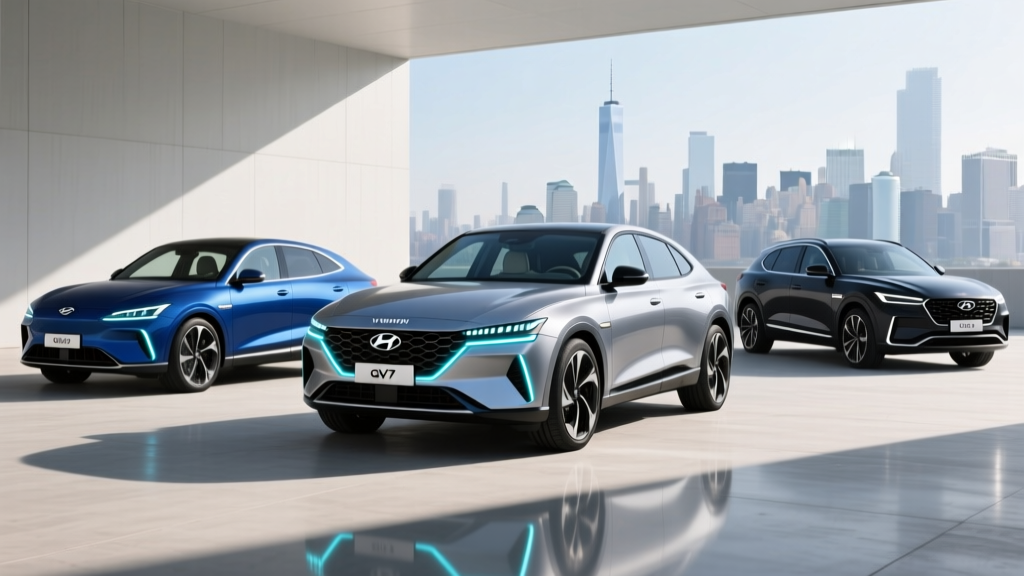
Genesis — Hyundai's luxury division — currently sells three battery-electric vehicles in the U.S.: the GV60 (compact crossover, EPA 248–294 mi, from ~$53,350), the Electrified GV70 (mid-size SUV, EPA 236 mi, from ~$67,450), and the Electrified GV80 (large SUV, EPA ~275 mi est., from ~$79,950 for 2026). All ride on Hyundai's E-GMP or related 800V architecture, enabling DC fast charging at up to 240 kW (GV60) and roughly 10–80% in 18–24 minutes. If you want the best range-to-price ratio, the GV60 Standard Range is the value pick. If you need three rows and luxury, the Electrified GV80 fills that gap. None currently qualify for the full $7,500 federal §30D tax credit due to battery-sourcing and MSRP cap rules — always verify current-year eligibility at IRS.gov.
Genesis EV Lineup at a Glance: Specs That Matter
Genesis has taken a methodical approach to electrification, converting existing platforms (GV70, GV80) to battery-electric power while launching the ground-up EV-native GV60 on the E-GMP architecture shared with the Hyundai Ioniq 5 and Kia EV6. Here is how the three models stack up on the numbers buyers actually care about.
| Spec | GV60 (2026) | Electrified GV70 (2026) | Electrified GV80 (2026) |
|---|---|---|---|
| EPA Range | 248–294 mi | 236 mi | ~275 mi (est.) |
| Battery (usable) | 77.4 kWh (NMC) | 77.4 kWh (NMC) | ~93 kWh (NMC) |
| Peak DC Charge Rate | ~240 kW | ~240 kW | ~210 kW |
| 10–80% DC Fast Charge | ~18 min | ~18 min | ~24 min (est.) |
| Level 2 Charge Rate | 10.9 kW | 10.9 kW | 11 kW |
| 0–60 mph | 3.9–7.3 sec | 4.2 sec | ~4.9 sec |
| Horsepower | 225–429 hp | 429 hp | ~370 hp |
| Starting MSRP | ~$53,350 | ~$67,450 | ~$79,950 |
| Battery/Powertrain Warranty | 10 yr / 100,000 mi | 10 yr / 100,000 mi | 10 yr / 100,000 mi |
Real-World Range Reality Check
The EPA numbers above assume moderate temperatures, mixed driving, and no roof cargo. In real-world highway testing at 70+ mph, expect the GV60 AWD to deliver roughly 220–250 miles before needing a charge. The Electrified GV70, with its heavier curb weight and less aero-efficient SUV profile, typically returns 200–215 miles on sustained highway runs. In cold weather (below 30°F), plan for a 15–25% range reduction across all three models due to battery chemistry and cabin heating demands. Preconditioning the battery via the Genesis Connected Services app before driving can recover some of that lost efficiency.
Genesis EV vs. Gas and Hybrid: The Cost Comparison
Genesis also sells gas-powered versions of the GV70 and GV80. The natural question for buyers cross-shopping is whether the Electrified variants actually save money over time. Let's run the numbers for the Electrified GV70 vs. the gas GV70 3.5T over five years and 75,000 miles.
| Cost Factor (5 yr / 75k mi) | Electrified GV70 | GV70 3.5T (Gas) |
|---|---|---|
| Purchase Price (base) | $67,450 | $55,050 |
| Federal Tax Credit (§30D) | $0–$3,750* | $0 |
| Fuel/Energy Cost | ~$4,800 (home L2 + public DC) | ~$10,500 (premium @ $4.20/gal, 21 MPG) |
| Maintenance | ~$1,800 | ~$4,200 |
| Insurance (avg.) | ~$12,000 | ~$9,500 |
| Estimated Depreciation | ~$28,000 | ~$24,000 |
| 5-Year Total Cost | ~$113,050 | ~$103,250 |
*Tax credit eligibility for the Electrified GV70 depends on battery component and critical mineral sourcing per IRS §30D rules. The $80,000 MSRP cap for SUVs applies. Verify current-year eligibility at IRS.gov. Point-of-sale transfer is available through registered dealers.
The Electrified GV70 costs roughly $10,000 more over five years, primarily due to the higher purchase price and steeper depreciation. However, the fuel savings (~$5,700) and maintenance savings (~$2,400) are significant. If electricity rates in your area are low (under $0.13/kWh) and you charge predominantly at home, the gap narrows. For buyers prioritizing low running costs and daily drivetrain smoothness over raw TCO, the EV still has compelling advantages.
Charging at Home and on the Road: What Genesis Owners Need
Every Genesis EV sold in the U.S. for 2026 ships with a NACS (Tesla-style) charge port, following Hyundai Motor Group's switch from CCS1 starting with the 2025 model year. This means direct access to Tesla Supercharger stalls — a significant advantage for road-trip charging reliability.
Home Charging Setup
Genesis includes a complimentary Level 2 home charger (the Genesis Home Charging Station, rated at up to 11.5 kW / 48 amps) with new EV purchases, though installation is at the owner's expense. Budget the following for a professional Level 2 installation:
| Item | Typical Cost Range |
|---|---|
| Level 2 charger unit (included) | $0 (complimentary) |
| Electrician labor (240V / 50A circuit) | $600–$1,500 |
| Electrical permit | $50–$200 |
| Panel upgrade (if needed, 100A→200A) | $1,500–$3,500 |
| Total (no panel upgrade) | $650–$1,700 |
At 11 kW, a fully depleted GV60 battery (77.4 kWh) recharges in roughly 7–8 hours. Most owners who plug in nightly never dip below 30% SoC, making a full charge unnecessary on a daily basis.
Public DC Fast Charging
On the road, the E-GMP-based GV60 and Electrified GV70 can peak at roughly 240 kW on a capable 350 kW charger (like Electrify America or Tesla V4 Supercharger stalls). The charge curve is aggressive: the GV60 sustains above 180 kW from 10–55% SoC before tapering. A typical 10–80% session takes about 18 minutes. Above 80%, charging slows dramatically to protect the NMC cells — plan to charge to 80% and go, rather than waiting for a full top-off.
Ownership Considerations First-Time Genesis EV Buyers Miss
Buying a luxury EV involves more than the sticker price. Here are the practical realities that don't appear on the window sticker:
Insurance Premiums
Luxury EVs carry higher insurance costs. The Electrified GV70 and GV80 typically cost 20–30% more to insure than their gas counterparts due to higher repair costs, specialized parts, and elevated vehicle values. Get a quote before purchase — it can shift the TCO calculation meaningfully.
Charging Access Audit
If you cannot install a Level 2 charger at home (apartment living, older electrical panel, HOA restrictions), owning a Genesis EV becomes significantly less convenient. Public-only charging adds time cost and expense — DC fast charging at $0.35–$0.50/kWh erases much of the fuel savings versus gas. Confirm your home-charging feasibility before committing.
Tire Wear
EVs are heavy (the Electrified GV70 tips the scales at over 5,000 lbs) and deliver instant torque. Expect to replace tires every 25,000–35,000 miles rather than the 40,000–50,000 miles typical on gas vehicles. Budget roughly $1,200–$1,800 for a set of premium all-season or EV-specific tires.
Common Genesis EV Misconceptions — Myth vs. Fact
| Myth | Fact |
|---|---|
| "Genesis EVs get the full $7,500 federal tax credit." | As of 2026, eligibility depends on battery sourcing and MSRP caps under §30D. Many Genesis EVs qualify for $0–$3,750. Always verify at IRS.gov. |
| "The Electrified GV70 has the same range as the gas GV70's total range." | The gas GV70 3.5T achieves roughly 380 miles of total range (19 gal × 21 MPG combined). The Electrified GV70's EPA range is 236 mi — about 62% of the gas version. |
| "800V charging means it always charges at 240 kW." | Peak rate applies only at low SoC on a compatible 350 kW charger. Sustained average is closer to 150–170 kW across a 10–80% session due to the charge curve taper. |
| "Genesis EV batteries degrade quickly." | Hyundai/Genesis guarantees 70% capacity retention at 10 years / 100,000 miles. Independent fleet data shows NMC packs losing roughly 8–12% over 100k miles under normal use. |
| "You need a Tesla to use Superchargers." | Since 2025, Genesis EVs with NACS ports can use Tesla Superchargers directly — no adapter required. |
Decision Framework: Which Genesis EV Is Right for You?
Choose the GV60 if:
- You want the best range (up to 294 mi EPA in RWD Standard Range trim) for the lowest price in the Genesis EV lineup.
- You prioritize fast charging and the E-GMP platform's native efficiency.
- You don't need more than two rows of seating or 5,000+ lbs of towing.
- Your budget is under $65,000 before incentives.
Choose the Electrified GV70 if:
- You want a mid-size luxury SUV with genuine off-road clearance and standard AWD.
- 429 hp and a 4.2-second 0–60 time matter to you.
- You need more cargo space (28.7 cu ft behind the second row) than the GV60 offers.
- You accept the ~236-mile range trade-off for a heavier, more capable vehicle.
Choose the Electrified GV80 if:
- You need three rows of seating and flagship luxury.
- You're upgrading from a gas GV80 and want to reduce fuel costs on a large SUV.
- Budget is flexible (starting near $80,000, climbing past $95,000 fully optioned).
- You value the latest Genesis design language and the largest battery in the lineup.
Choose a gas or hybrid alternative if:
- You cannot install a Level 2 charger at home and lack reliable workplace charging.
- You regularly drive 400+ miles in a single day in areas with sparse DC fast-charging infrastructure.
- Upfront cost is a primary concern and the EV premium isn't offset by incentives in your state.
Frequently Asked Questions
Does any Genesis EV qualify for the $7,500 federal tax credit in 2026?
Partial credit eligibility varies by model, trim, and battery-sourcing compliance under IRS §30D. The GV60, with an MSRP under the $80,000 SUV cap, may qualify for up to $3,750 depending on critical-mineral and battery-component sourcing. The Electrified GV70 (MSRP under $80,000) is in a similar position. The Electrified GV80's higher MSRP may push certain trims above the cap. Buyer income limits also apply ($150,000 single / $300,000 joint AGI). Always confirm current-year rules at IRS.gov and ask your dealer about point-of-sale transfer options.
How long does it take to charge a Genesis EV at home?
On a Level 2 home charger at 10.9–11.5 kW, the GV60 and Electrified GV70 (77.4 kWh battery) charge from 10–100% in approximately 7–8 hours. The Electrified GV80, with its larger ~93 kWh pack, takes closer to 9 hours. Most owners who charge nightly only need a partial top-off.
Are Genesis EVs reliable compared to Tesla or BMW iX?
Genesis (Hyundai Motor Group) has posted strong reliability scores in J.D. Power and Consumer Reports surveys for the E-GMP platform. The GV60 and Electrified GV70 share core powertrain components with the Hyundai Ioniq 5, which has accumulated significant fleet data showing low failure rates. The 10-year/100,000-mile battery and powertrain warranty is among the best in the luxury segment, exceeding BMW's 8-year/80,000-mile and Tesla's 8-year/120,000-mile coverage.
Can I tow with a Genesis EV?
The Electrified GV70 is rated for up to 3,500 lbs of towing capacity. The Electrified GV80 is expected to match or exceed that figure (final 2026 specs pending). The GV60 is rated for 2,000 lbs. Note that towing at or near maximum capacity will reduce range by 30–50%, so plan charging stops accordingly.
What happens if the battery needs replacement?
Under the 10-year/100,000-mile warranty, Genesis will repair or replace the battery if capacity drops below 70%. Out-of-warranty replacement costs for a 77.4 kWh NMC pack currently range from $12,000–$18,000 including labor, based on Hyundai dealer estimates. However, industry degradation data suggests most NMC packs retain 85–90% capacity at 100,000 miles under normal use, making full replacement rare within the warranty period.
Sources: EPA range and efficiency data via fueleconomy.gov; Genesis USA official specifications at genesis.com; federal tax credit rules at IRS.gov §30D.