The Quick Answer: Is the Hyundai Electric Sedan Right for You?
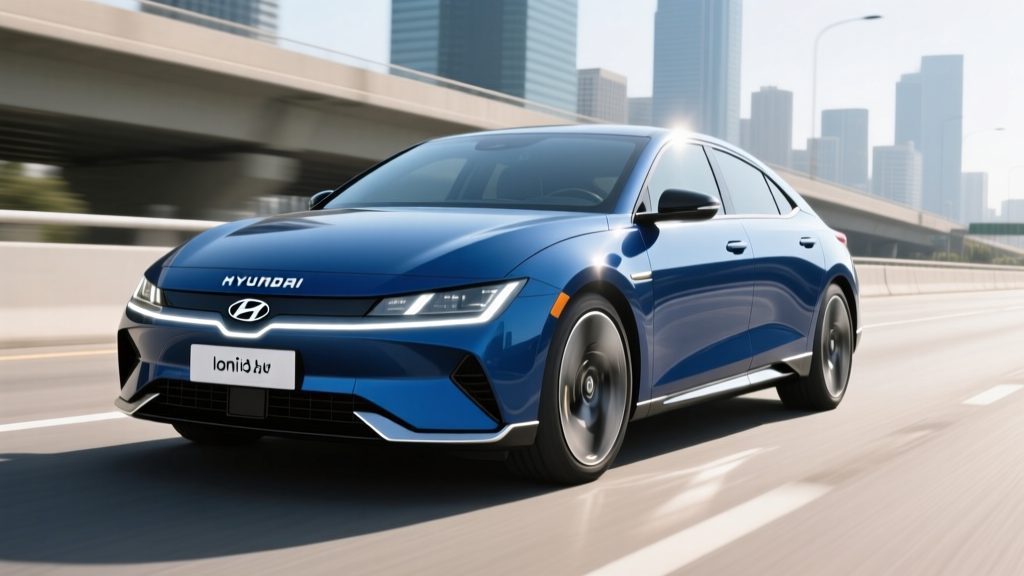
The 2026 Hyundai Ioniq 6 is the brand's flagship electric sedan, offering up to 361 miles of EPA-estimated range (SE Long Range RWD), an 800-volt architecture capable of 10–80% DC fast charging in ~18 minutes, and a starting MSRP around $38,650. It's best suited for buyers who prioritize aerodynamic efficiency, rapid charging, and a car-like driving position over SUV cargo volume. Compared to the similarly priced Tesla Model 3, the Ioniq 6 trades some performance and charging-network exclusivity for a quieter cabin, more physical controls, and a notably smoother ride. If you have access to Level 2 home charging and drive fewer than 300 miles between stops, the Ioniq 6 can realistically replace a gas sedan with lower per-mile energy costs and less routine maintenance.
Which Hyundai Electric Sedan Should You Consider?
Hyundai's current electric sedan lineup centers on a single model: the Ioniq 6. The older Ioniq Electric (discontinued after 2021) offered only 170 miles of range and is no longer relevant for new buyers. The Ioniq 6 sits on Hyundai's E-GMP platform, shared with the Ioniq 5 crossover and Kia EV6, and benefits from the same 800V electrical architecture that enables class-leading DC charge speeds.
For 2026, Hyundai continues to offer the Ioniq 6 in several trims with two battery configurations:
| Trim | Battery (usable kWh) | Drivetrain | EPA Range | HP / lb-ft | 0–60 mph | MSRP |
|---|---|---|---|---|---|---|
| SE Standard Range | 54.0 (LFP) | RWD | ~240 mi | 149 / 258 | ~7.0 sec | ~$38,650 |
| SE Long Range | 77.4 (NMC) | RWD | 361 mi | 225 / 258 | ~6.2 sec | ~$43,500 |
| SEL Long Range | 77.4 (NMC) | RWD | ~342 mi | 225 / 258 | ~6.2 sec | ~$47,000 |
| Limited AWD | 77.4 (NMC) | AWD | ~316 mi | 320 / 446 | ~4.5 sec | ~$53,200 |
Real-world range note: The 361-mile EPA figure applies to the SE Long Range RWD on 18-inch wheels. Expect ~290–310 miles on highway-heavy trips at 70–75 mph, and ~240–270 miles in sub-freezing winter conditions due to battery chemistry and cabin heating demands. The AWD Limited, with its larger wheels and dual motors, sees a meaningful drop to ~316 EPA miles; real-world highway range lands closer to 260–280 miles.
EPA vs. Reality: The Ioniq 6 SE Long Range RWD is rated at 361 miles EPA. In mixed real-world driving (65–75 mph highway, moderate climate), plan for 290–320 usable miles before needing a charge stop. In cold weather (below 32°F), reduce that to 240–270 miles. Preconditioning the battery via the navigation-routed charging feature helps recover some of this loss.
Charging Speed: Where the Ioniq 6 Excels
The Ioniq 6's 800-volt architecture is its most significant technical advantage over competitors still using 400V systems. Here's what that means in practice:
| Charging Level | Power (kW) | Time | Miles Added per Hour |
|---|---|---|---|
| Level 1 (120V household) | ~1.4 kW | ~55+ hours (0–100%) | ~3–4 mi/hr |
| Level 2 (240V home/public) | 10.9 kW (max onboard) | ~7.5 hours (0–100%) | ~34 mi/hr |
| DC Fast Charge (350 kW station) | Peak ~240 kW | ~18 min (10–80%) | ~800+ mi/hr (peak) |
| DC Fast Charge (150 kW station) | ~130–145 kW sustained | ~28 min (10–80%) | ~450 mi/hr (avg) |
Understanding the charge curve: The "240 kW peak" figure is not sustained across the entire session. The Ioniq 6 hits peak charge rate between roughly 10–45% State of Charge, then tapers progressively. From 45–80%, you'll see rates drop to 150 kW, then below 100 kW above 80%. This is normal for lithium-ion battery management — the Battery Management System (BMS) slows charging to protect cell longevity. Hyundai's preconditioning feature, activated when you navigate to a DC fast charger, warms the battery to optimal temperature, which is critical for achieving peak rates in cold weather.
Connector note: For 2026, the Ioniq 6 uses the NACS (Tesla-style) charge port on North American models, giving it native access to Tesla Supercharger stations (V3 and V4) without an adapter. This is a major shift from earlier CCS-equipped models and significantly expands the available fast-charging network.
Ioniq 6 vs. Gas Sedan: Real Cost Comparison
Let's compare the Ioniq 6 against a natural gas-powered rival: the 2026 Hyundai Sonata (2.5L 4-cylinder, 191 hp, 28/38 MPG city/highway, ~$29,500 MSRP). This comparison reveals where EV ownership saves money — and where it doesn't.
| Cost Category | Ioniq 6 SE Long Range | Sonata SEL (Gas) |
|---|---|---|
| Purchase Price (MSRP) | $43,500 | $29,500 |
| Est. Federal Tax Credit (§30D) | Up to $7,500* | $0 |
| Effective Purchase Price | ~$36,000 | $29,500 |
| Fuel/Energy (5 yr, 75,000 mi) | ~$4,200 (home L2 avg)** | ~$9,400 (gas at $3.30/gal) |
| Maintenance (5 yr) | ~$1,200 | ~$3,500 |
| Insurance (5 yr est.) | ~$9,800 | ~$7,500 |
| Depreciation (5 yr est.) | ~$18,000 | ~$12,500 |
| Est. 5-Year Total Cost | ~$69,200 | ~$62,400 |
*Federal tax credit eligibility depends on MSRP caps (sedans ≤$55,000), buyer income limits ($150K single / $300K joint for new vehicles), and battery critical-mineral/component sourcing requirements per IRS §30D rules. Consult a tax professional. Point-of-sale transfer is available at participating dealers.
**Home charging cost assumes $0.14/kWh national average. Public DC fast charging at $0.35–$0.50/kWh would increase energy costs to ~$7,500–$9,000 over 5 years.
The takeaway: The Ioniq 6 closes the gap with a gas sedan primarily through energy and maintenance savings, but the higher purchase price (even after the credit), steeper depreciation, and higher insurance premiums keep total costs slightly above a value-oriented gas sedan. The math flips in the buyer's favor if electricity rates are below $0.12/kWh, if gas prices rise above $3.75/gallon, or if you keep the vehicle beyond 7 years (where the powertrain warranty and lower maintenance compound savings).
Real-World Ownership: What First-Time EV Buyers Must Know
Buying a Hyundai electric sedan involves practical considerations that don't apply to a gas Sonata. Here's what actually matters:
Home Charging Access Is Non-Negotiable for Most Owners
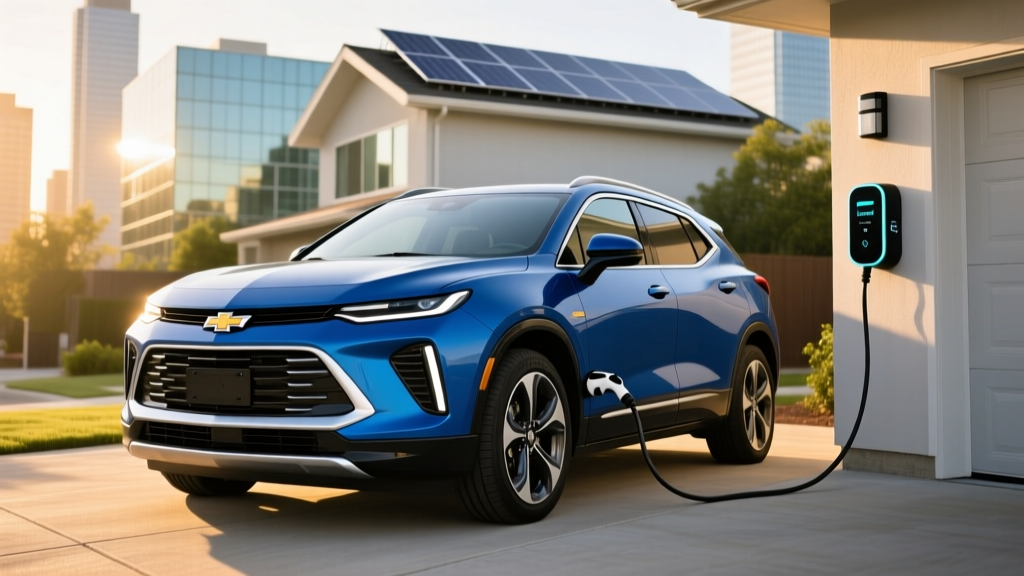
Over 80% of EV charging happens at home. If you can install a Level 2 (240V) charger — whether in a garage, carport, or driveway — the Ioniq 6 becomes a "plug in at night, wake up full" proposition. A typical Level 2 installation costs $800–$2,500 (charger unit + electrician labor + permit), though older homes may need a $1,500–$3,500 electrical panel upgrade to support a dedicated 50-amp circuit. If you live in an apartment or lack off-street parking, you'll depend on public charging, which is more expensive ($0.30–$0.50/kWh at DC fast chargers) and less convenient. Be honest about your situation before purchasing.
Cold Climate? Plan for 25–35% Range Loss
Lithium-ion batteries lose efficiency in cold temperatures, and cabin heating draws significant energy. In sustained sub-freezing conditions (teens to low 20s°F), expect the Ioniq 6's real-world range to drop by 25–35% compared to the EPA sticker. A 361-mile EPA rating becomes roughly 235–270 miles in deep winter. The Ioniq 6's available heat pump (standard on most trims) mitigates this somewhat by recovering waste heat from the drivetrain, but physics is physics. If you live in Minnesota, North Dakota, or upstate New York, size your range expectations accordingly.
Driving Patterns Matter More Than Range Stickers
If your daily commute is under 60 miles round-trip, even the Standard Range Ioniq 6 (240 miles EPA) handles a full week between charges. If you regularly drive 200+ miles in a single day, you'll need to plan DC fast-charge stops — the 18-minute 10–80% session is quick, but only if chargers are available and operational along your route. Use tools like the PlugShare or A Better Routeplanner apps to map your most common long-distance trips before buying.
Common Misconceptions About the Ioniq 6
| Myth | Fact |
|---|---|
| "The battery will need replacing in 5 years." | Hyundai warranties the Ioniq 6 battery for 10 years / 100,000 miles against degradation below 70% capacity. Real-world data from E-GMP platform vehicles shows ~8–12% degradation at 100K miles under normal use. |
| "I can't take road trips — charging takes too long." | At a 350 kW station with battery preconditioning, the Ioniq 6 adds ~200 miles in 18 minutes. Most road trips require one stop every 2.5–3 hours — roughly matching normal rest-stop cadence. |
| "EVs are worse for the environment because of electricity generation." | Even on a coal-heavy grid, the Ioniq 6's lifecycle emissions are 40–60% lower than a comparable gas sedan over 150K miles. On the U.S. average grid mix, the benefit is larger. (EPA analysis) |
| "The $7,500 tax credit applies to everyone." | The §30D credit has income caps ($150K single / $300K joint AGI), MSRP caps ($55K for sedans), and battery sourcing requirements that change annually. Not all trims or buyers qualify. Check current IRS guidance. |
| "I need a Tesla for the Supercharger network." | Since 2025, the Ioniq 6 with its native NACS port accesses Tesla Superchargers directly — no adapter required. The network advantage Tesla once held exclusively is now shared. |
Decision Framework: Should You Buy the Ioniq 6?
Choose the Hyundai Ioniq 6 If:
- You have Level 2 home charging (or can install it) — this unlocks the lowest per-mile energy cost and daily convenience.
- Your daily driving is under 80 miles — any trim covers a full day with massive buffer; you'll charge 2–3 times per week at most.
- You value ride comfort and cabin quietness over sporty handling — the Ioniq 6 is tuned for highway serenity, not canyon carving.
- You want fast DC charging for road trips — the 800V architecture delivers genuinely quick stops at capable stations.
- You qualify for the federal tax credit — the $7,500 point-of-sale transfer meaningfully closes the price gap with gas sedans.
Look Elsewhere If:
- You lack home charging and rely entirely on public infrastructure — costs rise, convenience drops, and apartment-dweller logistics get complicated.
- You need maximum cargo space — the Ioniq 6's sloping roofline yields only 12.3 cu ft of trunk volume. The Ioniq 5 or a crossover is far more practical.
- You regularly drive 400+ miles in a single day — even with fast charging, two DC stops add 40+ minutes to your trip.
- You live in an extreme cold climate and have range anxiety — consider a PHEV like the Sonata Hybrid as a bridge technology instead.
- Your budget is strictly under $35K out the door — the Ioniq 6's effective price (even after credits) exceeds this; look at the used EV market or the Kona Electric instead.
Insurance, Maintenance, and Long-Term Costs
Insurance: EVs generally cost 15–25% more to insure than equivalent gas vehicles due to higher repair costs (specialized body structures, sensor calibration, battery protection). Expect annual premiums of $1,800–$2,200 for the Ioniq 6 depending on your state, driving record, and coverage level. Get quotes before purchasing — some insurers (Geico, Progressive, State Farm) now offer EV-specific discounts.
Maintenance: The Ioniq 6 eliminates oil changes, spark plugs, transmission fluid, and exhaust system repairs. Scheduled maintenance is limited to cabin air filter replacement (~$30–$50 every 15K miles), brake fluid checks (regenerative braking dramatically extends pad life — expect 80K+ miles on original pads), tire rotation, and coolant top-offs. Annual maintenance costs average $200–$300, compared to $600–$800 for a gas sedan.
Warranty coverage: Hyundai backs the Ioniq 6 with a 5-year/60,000-mile new vehicle warranty and a 10-year/100,000-mile battery and powertrain warranty (capacity retention guaranteed above 70%). This is among the strongest in the industry and provides genuine peace of mind for long-term ownership.
Frequently Asked Questions
Does the 2026 Hyundai Ioniq 6 qualify for the $7,500 federal tax credit?
It depends. The Ioniq 6 SE and SEL trims fall under the $55,000 MSRP cap for sedans, making them potentially eligible. However, eligibility also requires the buyer to meet income thresholds (adjusted gross income ≤$150K single, ≤$300K joint), and the vehicle must satisfy battery critical-mineral and component sourcing requirements that tighten each year. The credit can be transferred to the dealer at point of sale as a purchase-price reduction. Always verify current-year rules on IRS.gov and confirm with your tax professional before relying on the credit in your budget.
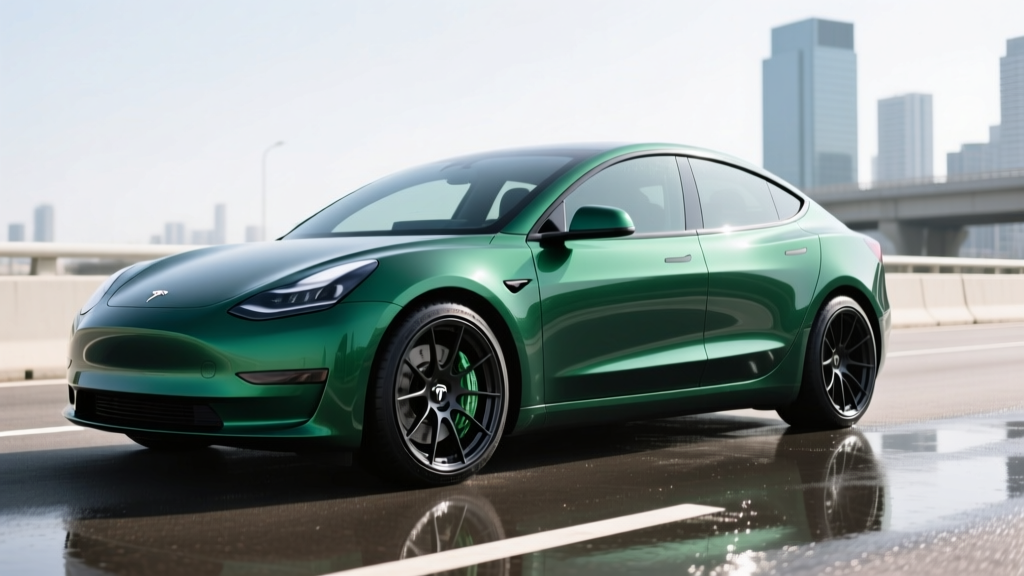
How does the Ioniq 6 compare to the Tesla Model 3?
The 2026 Model 3 Long Range AWD offers ~341 miles EPA, 0–60 in 4.2 seconds, and a starting price around $47,000. The Ioniq 6 SE Long Range RWD provides more range (361 mi), faster peak charging (240 kW vs. ~250 kW, but with a more sustained curve), a quieter cabin, and more physical controls — but less cargo space, no native access to Tesla's proprietary features, and a less robust third-party app ecosystem. If you value ride comfort and charging flexibility, the Ioniq 6 wins. If you want performance, software integration, and brand cachet, the Model 3 remains compelling.
Can I charge the Ioniq 6 at Tesla Superchargers?
Yes. The 2026 Ioniq 6 comes equipped with a native NACS charge port, meaning it plugs directly into Tesla Supercharger V3 and V4 stalls without any adapter. You'll use the Tesla app or in-car integration (where supported) to initiate and pay for sessions. Expect peak rates of ~150–200 kW at V3 stalls (which are limited to 250 kW and may throttle non-Tesla vehicles) and higher rates at V4 stalls where available.
What happens if the battery degrades significantly?
Hyundai's 10-year/100,000-mile battery warranty covers replacement or repair if capacity drops below 70%. Real-world data from E-GMP vehicles (Ioniq 5, EV6) shows typical degradation of 8–12% after 100,000 miles, meaning most owners retain 88–92% capacity well within warranty terms. Out-of-warranty battery replacement currently costs $12,000–$18,000 depending on pack size and labor — a significant expense, but one that rarely materializes within the vehicle's typical ownership life.
Is the Ioniq 6 a good first EV?
For buyers with home charging access and moderate daily mileage, yes. The Ioniq 6's combination of strong range, fast charging, comprehensive warranty, and intuitive controls (including physical buttons for climate and volume) makes it an approachable entry point. The main barriers are the upfront cost (mitigated by tax credits), the learning curve of route-planning for road trips, and the need to honestly assess your charging situation before committing.