The Short Answer: Hyundai's Electric Concepts vs. What's on Dealer Lots
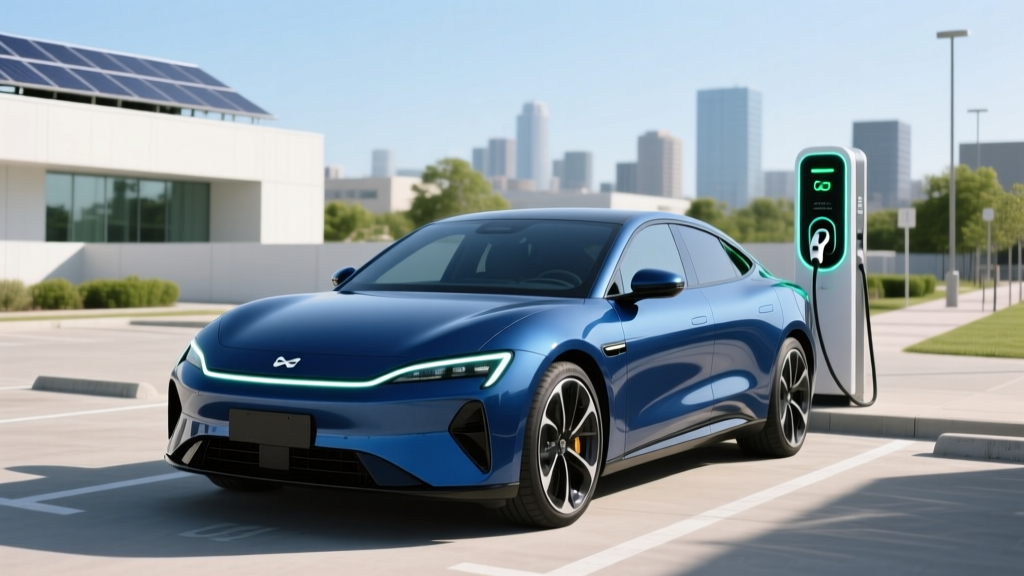
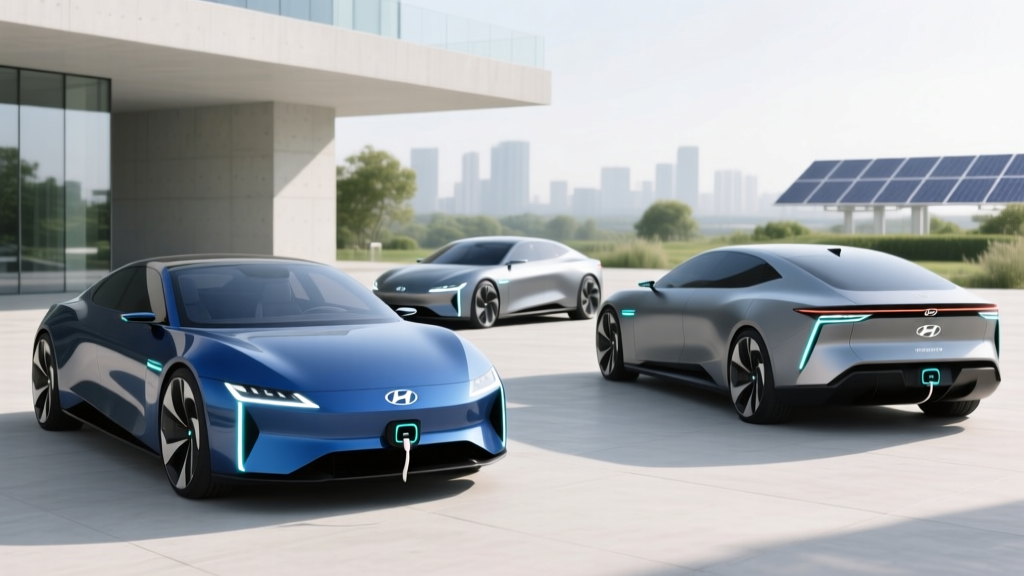
Hyundai has showcased a string of striking electric concepts — the Prophecy, the 45, the N Vision 74, and the Ioniq Concept — but what matters for buyers in 2026 is which of those ideas actually reached production. Here's the practical reality: the Hyundai Ioniq 5 (inspired by the 45 concept), the Ioniq 6 (born from the Prophecy), and the newly launched Ioniq 9 (previewed by the Seven concept) are the three Hyundai EVs you can buy today. The N Vision 74 remains a design study with no confirmed production date. If you're searching for a "Hyundai electric concept" you can drive home, these three production models are where Hyundai's concept-car ambitions meet real-world ownership.
Hyundai's Concept-to-Production Pipeline: What Actually Made It
Hyundai's Ioniq sub-brand launched with a clear strategy: debut a bold concept, then bring a close production version to market within 18–24 months. The track record has been remarkably faithful to the originals.
- 45 Concept (2019) → Ioniq 5 (2022–present): The pixel-LED lighting, flat floor, and retro-modern wedge shape carried over almost intact. The production Ioniq 5 became Hyundai's volume EV leader.
- Prophecy Concept (2020) → Ioniq 6 (2023–present): The teardrop silhouette and 0.21 Cd drag coefficient translated directly, giving the Ioniq 6 class-leading highway efficiency.
- Seven Concept (2021) → Ioniq 9 (2025–present): The three-row SUV with a lounge-like interior arrived with a 110.3 kWh battery and up to 360 miles of EPA range in its Long Range RWD trim.
- N Vision 74 (2022): A hydrogen fuel-cell hybrid sports car concept. Stunning, but Hyundai has not announced a production version. It remains a technology showcase.
For buyers, this means Hyundai's concept heritage is more than vaporware — it's a reliable preview of what lands in showrooms. Let's break down the three production models with the numbers that matter.
2026 Hyundai EV Lineup: The Numbers That Decide Your Purchase
Below is a side-by-side spec table covering the three Hyundai EVs currently on sale. All figures reflect 2025–2026 model-year data from fueleconomy.gov and Hyundai's official specifications.
| Spec | Ioniq 5 (2026) | Ioniq 6 (2026) | Ioniq 9 (2026) |
|---|---|---|---|
| EPA Range (max trim) | 318 mi (SE/SEL RWD, 84 kWh) | 361 mi (SE/SEL RWD LR, 77.4 kWh) | 360 mi (Long Range RWD, 110.3 kWh) |
| Battery Capacity (usable) | 84.0 kWh (NMC) | 77.4 kWh (NMC) | 110.3 kWh (NMC) |
| Peak DC Fast Charge | 240 kW (800V architecture) | 240 kW (800V architecture) | 240 kW (800V architecture) |
| 10–80% DC Charge Time | ~18 min | ~18 min | ~24 min |
| Level 2 Charge Rate | 10.9 kW | 10.9 kW | 11.0 kW |
| Horsepower (AWD) | 320 hp | 320 hp | 379 hp (AWD) |
| 0–60 mph (AWD) | 4.5 sec | 5.1 sec | 5.8 sec |
| MPGe (combined, RWD) | 114 MPGe | 140 MPGe | 100 MPGe (est.) |
| Starting MSRP | $43,975 (SE Std Range) | $38,650 (SE SR) | $57,500 (SE RWD) |
| Battery/Powertrain Warranty | 10 yr / 100,000 mi | 10 yr / 100,000 mi | 10 yr / 100,000 mi |
| NACS Port (native) | Yes (2025+ models) | Yes (2025+ models) | Yes |
Real-World Range Reality Check
Ioniq 5: EPA 318 mi. Expect ~260–280 mi on sustained highway driving at 70+ mph; ~220–240 mi in sub-30°F winter conditions.
Ioniq 6: EPA 361 mi. Its slippery 0.21 Cd shape preserves highway range better than most — expect ~300–320 mi highway; ~250–270 mi in deep cold.
Ioniq 9: EPA 360 mi. Heavier three-row SUV; expect ~290–310 mi highway; ~240–260 mi in cold weather with cabin heating.
All three use Hyundai's E-GMP platform with standard heat pumps (on most trims), which mitigates cold-weather loss compared to EVs without thermal management.
EV vs. Gas vs. Hybrid: The Cost Comparison That Actually Matters
A common question when evaluating a Hyundai electric concept turned production car: does it save money compared to a gas or hybrid alternative? Here's a five-year cost comparison between the Ioniq 5 (AWD, mid-trim), the Hyundai Tucson Hybrid (AWD), and the Hyundai Tucson (gas AWD). Assumptions: 15,000 miles/year, $3.50/gal gas, $0.14/kWh electricity (national average), no tax credit applied to keep the baseline clean.
| 5-Year Cost Category | Ioniq 5 AWD (EV) | Tucson Hybrid AWD | Tucson Gas AWD |
|---|---|---|---|
| Purchase Price (MSRP) | $49,575 | $38,725 | $33,425 |
| Federal Tax Credit (§30D) | Up to $7,500* | $0 | $0 |
| Effective Purchase Price | ~$42,075 | $38,725 | $33,425 |
| Fuel/Energy (5 yrs, 75k mi) | ~$3,675 | ~$6,825 | ~$9,375 |
| Maintenance (5 yrs) | ~$1,200 | ~$3,100 | ~$3,800 |
| Insurance (5 yrs, avg) | ~$9,500 | ~$7,800 | ~$7,200 |
| Total 5-Year Cost | ~$56,450 | ~$56,450 | ~$53,800 |
*§30D credit eligibility depends on buyer income caps ($150k single / $300k joint), MSRP caps ($55k for sedans, $80k for SUVs/trucks), and battery critical-mineral sourcing requirements. Verify current rules at IRS.gov. Point-of-sale transfer is available through participating dealers.
The takeaway: the Ioniq 5 breaks even with the Tucson Hybrid over five years when the tax credit applies, despite a higher sticker price. Energy savings are substantial — roughly $5,700 less than gas over five years — but EV insurance premiums run 20–30% higher, eating into that advantage. If you don't qualify for the credit, the hybrid wins on pure cost.
Real-World Ownership: What First-Time Hyundai EV Buyers Must Know
Beyond the spec sheet, Hyundai EV ownership comes with practical considerations that concept-car brochures don't cover.
Home Charging Is Non-Negotiable for Most Owners
All three Ioniq models accept 10.9–11.0 kW on Level 2 (240V). A full charge from 10–100% takes roughly 7–9 hours depending on battery size. If you have a garage or driveway with access to a 240V circuit, a Level 2 home charger (equipment: $300–$700; electrician install: $500–$2,000 depending on panel capacity and run length) makes daily EV ownership effortless. If you rely exclusively on public charging, your "fuel" cost doubles or triples, and convenience drops significantly.
The 800V Charging Advantage Is Real — But Nuanced
Hyundai's E-GMP platform uses 800-volt architecture, enabling 240 kW peak DC charging at compatible stations (Electrify America, select Tesla Superchargers with NACS adapter on pre-2025 models, and growing NACS-native networks). The 10–80% time of ~18 minutes for the Ioniq 5 and 6 is among the fastest in the segment. However, the charge curve tapers significantly above 80% — going from 80–100% can take an additional 20–25 minutes. Plan road-trip stops around 10–80% charges for maximum efficiency.
Tax Credit Eligibility Is Not Guaranteed
Hyundai manufactures the Ioniq 5 and 6 at its Metaplant in Ellabell, Georgia (production began late 2024). The Ioniq 9 is also US-assembled. This domestic assembly helps with §30D eligibility, but the critical-mineral and battery-component sourcing requirements shift annually. Always confirm eligibility with your dealer and cross-reference the IRS's current qualified vehicle list before signing a purchase agreement.
Common Hyundai EV Misconceptions — Fact vs. Fiction
| Myth | Fact |
|---|---|
| "The Ioniq 5/6 battery will need expensive replacement within a few years." | Hyundai's NMC batteries carry a 10-year/100,000-mile warranty covering capacity below 70%. Real-world degradation data from early Ioniq 5 owners shows ~3–5% capacity loss after 60,000 miles. Full replacement, if ever needed, runs $12,000–$18,000 but is rarely required. |
| "Hyundai's concept cars never make it to production." | Three of four major Ioniq concepts (45, Prophecy, Seven) reached production with high design fidelity within 2–3 years. The N Vision 74 is the exception. |
| "You can't road-trip an Ioniq because charging is unreliable." | With 800V/240 kW capability and native NACS ports on 2025+ models, Ioniq vehicles access Tesla Superchargers (via adapter or natively) plus Electrify America's network. On a 600-mile trip, plan 2–3 stops of ~20 minutes each — comparable to gas-car rest breaks. |
| "EVs don't save money because electricity is expensive." | At $0.14/kWh (national residential average), the Ioniq 5 costs ~$0.049/mile in energy. A comparable gas SUV at 28 MPG and $3.50/gal costs ~$0.125/mile. That's a 61% per-mile energy savings. |
| "The Ioniq 9 is too big and inefficient for daily driving." | At 110.3 kWh and ~100 MPGe, the Ioniq 9 uses more energy per mile than the Ioniq 6, but its $0.063/mile energy cost still undercuts a gas three-row SUV (~$0.15/mile at 22 MPG). |
Decision Framework: Which Hyundai EV (or Alternative) Fits You?
Choose the Ioniq 5 if:
- You want a practical crossover with hatchback versatility and the fastest charging in the lineup.
- Your daily commute is under 60 miles and you have home Level 2 access.
- You value interior space (53.0 cu ft cargo with rear seats folded) over maximum range.
- Budget target: $42,000–$55,000 after incentives.
Choose the Ioniq 6 if:
- Highway efficiency is your priority — 140 MPGe combined is best-in-class for the segment.
- You drive long highway commutes and want maximum EPA range (361 mi) in a sedan.
- You can accept a lower roofline and 12.3 cu ft trunk (sedan limitation vs. hatchback).
- Budget target: $38,000–$52,000 after incentives.
Choose the Ioniq 9 if:
- You need three rows and 6+ passenger capacity without going to a minivan.
- You tow occasionally (up to 4,400 lbs rated on AWD trims).
- You're upgrading from a large gas SUV and want to cut fuel costs by ~55%.
- Budget target: $55,000–$72,000 (check §30D MSRP cap for SUVs: $80,000).
Choose a Hybrid (Tucson/Palisade Hybrid) Instead if:
- You lack reliable home charging access (apartment, street parking).
- You regularly drive in extreme cold (below 0°F) where EV range loss exceeds 30%.
- Your budget is firmly under $35,000 and you can't absorb the EV premium.
- You tow heavy loads frequently (above 5,000 lbs).
Ownership Costs in Detail: What the Sticker Doesn't Tell You
Beyond the purchase price, Hyundai EV ownership involves a few cost categories that differ from gas vehicles:
- Insurance: EV premiums run 20–30% higher than equivalent gas models due to higher repair costs and battery replacement risk. Get a quote before purchasing — the difference can be $300–$600/year.
- Tire wear: EVs are heavier and deliver instant torque, wearing tires 20–30% faster. Budget for replacement tires every 30,000–40,000 miles (~$800–$1,400 for a set of EV-rated tires).
- Maintenance savings: No oil changes, no spark plugs, no transmission fluid. Brake pad life extends to 80,000+ miles thanks to regenerative braking. Annual maintenance averages $200–$300 vs. $600–$900 for gas vehicles.
- Registration fees: Many states charge additional EV registration fees ($50–$225/year) to offset lost gas tax revenue. Check your state's DMV before purchase.
- Depreciation: EV depreciation has been volatile. Early Ioniq 5 models held value well, but broader EV market corrections in 2024–2025 softened resale values. Expect 45–55% depreciation over 5 years — comparable to mainstream gas crossovers but worse than Toyota hybrids.
Frequently Asked Questions
Will Hyundai build a production version of the N Vision 74?
As of early 2026, Hyundai has not confirmed a production N Vision 74. The concept uses a hydrogen fuel cell combined with a battery-electric powertrain producing over 670 hp. Hyundai's N performance division has hinted at a production halo sports car, but any such vehicle is at least 2–3 years away and likely limited-production. If you want a Hyundai EV today, the Ioniq 5 N (320 hp standard, up to 641 hp with N Grin Boost, 0–60 in 3.4 sec) is the performance option currently on sale.
Do Hyundai EVs qualify for the full $7,500 federal tax credit?
It depends on the specific model year, trim, your income, and current battery-sourcing rules. Hyundai's US-built Ioniq 5, 6, and 9 clear the domestic assembly requirement that previously disqualified Korean-built EVs. However, §30D also requires that a percentage of battery critical minerals and components come from the US or FTA-partner countries — thresholds that tighten each year. Check the current qualified vehicle list at fueleconomy.gov and consult a tax professional for your specific situation.
How does Hyundai's 800V charging compare to competitors?
Hyundai's E-GMP platform was one of the first mass-market 800V architectures (alongside the Kia EV6 and Genesis GV60). Most competitors — Tesla Model Y, Ford Mustang Mach-E, VW ID.4 — use 400V systems that peak at 150–170 kW. Hyundai's 240 kW peak means faster 10–80% charges (~18 min vs. 25–35 min for 400V rivals) when using a compatible 350 kW DC fast charger. However, on older 50–150 kW stations, the advantage shrinks since the station itself becomes the bottleneck.
What's the real-world charging cost for a Hyundai Ioniq 5?
At home on Level 2 ($0.14/kWh national average), a full 84 kWh charge costs ~$11.76 and delivers roughly 260–280 real-world miles — about $0.042–$0.045 per mile. On public DC fast chargers ($0.35–$0.50/kWh), that same charge costs $29–$42, pushing cost per mile to $0.10–$0.15 — approaching hybrid territory. Home charging is where the economics work best.
Is the Hyundai Ioniq 5 N worth the premium over the standard Ioniq 5?
The Ioniq 5 N starts at ~$67,500 — roughly $18,000 above a well-equipped Ioniq 5 Limited AWD. You get 641 hp (with N Grin Boost), track-capable thermal management, simulated gear shifts, an 84 kWh battery with slightly less EPA range (~250 mi), and a stiffer sport suspension. For track enthusiasts who want an EV daily driver, it's compelling. For commuting and family use, the standard Ioniq 5 AWD delivers better range, comfort, and value.
Sources: EPA fuel economy data from fueleconomy.gov; Hyundai USA official specifications at hyundainews.com; federal tax credit rules from IRS.gov. Pricing and credit eligibility subject to change — verify with your dealer and tax professional before purchase.