The Quick Answer: Should You Buy the Hyundai Elantra Electric?
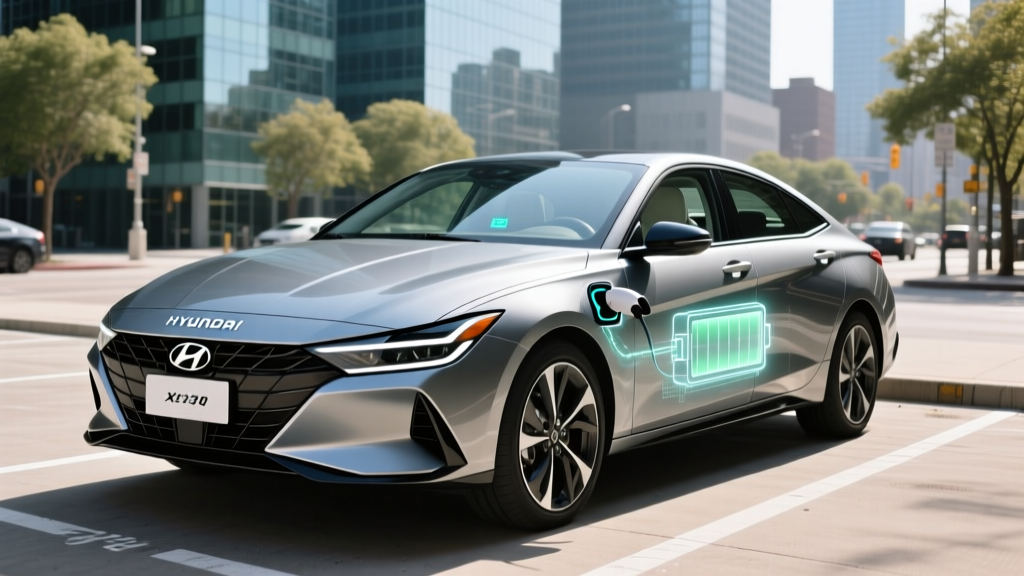
As of early 2026, Hyundai does not sell a fully electric Elantra in the United States. The Elantra lineup includes a conventional gas model, the Elantra Hybrid (HEV), and no plug-in hybrid or battery-electric variant. If you're searching for a "Hyundai Elantra electric," you're most likely looking for either the Elantra Hybrid (which pairs a 1.6L gas engine with an electric motor for up to 54 MPG combined) or you may be thinking of the Hyundai Ioniq 6, Hyundai's dedicated electric sedan that occupies a similar size and price bracket. This guide breaks down both options with real numbers so you can decide which actually fits your budget and driving life.
What "Hyundai Elantra Electric" Actually Means in 2026
The search term "Hyundai Elantra electric" gets consistent interest, but it points to a vehicle that doesn't exist in Hyundai's current U.S. showroom. Here's what Hyundai does offer in the compact-sedan segment:
- Elantra (gas): 2.0L four-cylinder, up to 36 MPG combined, starting around $22,000 MSRP.
- Elantra Hybrid (HEV): 1.6L GDI + electric motor, 139 HP combined, EPA-estimated 54 MPG combined (Blue trim), starting around $25,500 MSRP. No plug, no electric-only range — the battery recharges through regenerative braking and the engine.
- Ioniq 6 (BEV): Hyundai's all-electric sedan, EPA range up to 361 miles (SE Long Range RWD), 77.4 kWh usable battery (NMC chemistry), DC fast charging up to 240 kW (10–80% in approximately 18 minutes on a capable charger), starting around $38,000 MSRP before incentives.
Hyundai previously sold the Ioniq Electric (discontinued after 2021) and the Ioniq Plug-in Hybrid (discontinued after 2022), which may contribute to the confusion. Neither is available new in 2026.
Elantra Hybrid vs. Ioniq 6: Side-by-Side Numbers
If you want an electrified Hyundai sedan, these are your two real choices. The data below uses 2025/2026 model-year figures from fueleconomy.gov and Hyundai's official specifications.
| Spec | Elantra Hybrid Blue | Ioniq 6 SE Long Range RWD |
|---|---|---|
| Powertrain | 1.6L HEV (no plug) | BEV (all-electric) |
| Combined Output | 139 HP | 225 HP |
| EPA Range / Fuel Economy | 54 MPG combined | 361 miles / 140 MPGe |
| Battery | 1.32 kWh (lithium-ion polymer) | 77.4 kWh usable (NMC) |
| Electric-Only Range | None (engine always available) | 361 miles |
| DC Fast Charge Rate | N/A | Peak 240 kW (10–80% ~18 min) |
| Level 2 Charge Time (0–100%) | N/A | ~7 hr 10 min at 10.9 kW |
| 0–60 MPH | ~8.5 sec | ~6.5 sec |
| Starting MSRP | ~$25,500 | ~$38,000 |
| Federal Tax Credit (§30D) | Not eligible | Up to $7,500 (eligibility varies) |
| Powertrain Warranty | 10 yr / 100,000 mi | 10 yr / 100,000 mi (battery: 10 yr / 100,000 mi, ≥70% capacity) |
Real Costs: 5-Year Ownership Breakdown
Sticker price tells only part of the story. Below is a 5-year / 75,000-mile ownership estimate comparing the Elantra Hybrid against the Ioniq 6 BEV and a gas-only Elantra, assuming 15,000 miles/year, $3.50/gallon regular, and $0.14/kWh home electricity (national average). Public DC fast charging is estimated at $0.35/kWh for 20% of Ioniq 6 charging.
| Cost Category | Elantra Gas (SEL) | Elantra Hybrid (Blue) | Ioniq 6 SE LR RWD |
|---|---|---|---|
| MSRP (approx.) | $24,000 | $25,500 | $38,000 |
| Federal Tax Credit | $0 | $0 | Up to $7,500* |
| Effective Purchase Price | $24,000 | $25,500 | $30,500 (with credit) |
| Fuel/Energy (5 yr) | $8,650 (30 MPG) | $4,810 (54 MPG) | $2,960 (home + public mix) |
| Maintenance (5 yr) | $2,800 | $2,400 | $1,400 |
| Insurance (5 yr est.) | $7,500 | $7,800 | $9,200 |
| 5-Year Total Cost | $42,950 | $40,510 | $44,060 |
| Cost Per Mile | $0.57 | $0.54 | $0.59 |
*Federal §30D tax credit eligibility depends on MSRP caps (sedans ≤$55,000), buyer income limits ($150K single / $300K joint AGI), and battery critical-mineral and component sourcing requirements. Rules are subject to change — verify current eligibility at irs.gov and consult a tax professional. The credit can be transferred to the dealer at point of sale as an upfront discount.
Real-World Ownership: What First-Time EV Buyers Must Know
If you're leaning toward the Ioniq 6 as your "Elantra electric" equivalent, these are the practical factors that determine whether an EV actually works for your life.
Home Charging Access Is the Deciding Factor
Charging at home on a Level 2 (240V) setup is where EV ownership makes financial and convenience sense. At 10.9 kW, the Ioniq 6 gains roughly 37 miles of range per hour of Level 2 charging — a full overnight session easily replenishes a day's driving. If you lack a garage, driveway, or dedicated parking spot with electrical access, you'll rely on public charging, which costs roughly 2.5× more per kWh and adds time to your week.
Level 2 home charger installation typically costs $500–$2,000 for equipment and electrician labor if your panel has capacity. A 200-amp panel upgrade (if needed) adds $1,500–$3,000. Factor this into your first-year budget.
Cold Weather Cuts Range — Plan for It
The Ioniq 6's EPA-estimated 361 miles assumes moderate temperatures and mixed driving. In sustained sub-freezing conditions (below 30°F), expect a 20–30% range reduction, bringing real-world winter range to roughly 250–290 miles. The Ioniq 6's available heat pump (standard on most trims) mitigates this compared to EVs without one, but the physics of lithium-ion batteries in cold weather are unavoidable. If you live in northern climates with harsh winters, size your range expectations accordingly.
DC Fast Charging: The Curve Matters More Than the Peak
Hyundai advertises 240 kW peak DC fast charging on the Ioniq 6 via its 800V E-GMP architecture. That peak number is real, but it's not sustained across the entire session. The charge curve typically holds near peak from roughly 10% to 40% SoC, then progressively tapers. A 10–80% session takes approximately 18 minutes on a 250+ kW charger, but an 80–100% top-off can take an additional 20+ minutes. For road trips, plan to charge to 80% and move on — the last 20% is painfully slow and not worth the wait.
Common Misconceptions About the "Elantra Electric"
| Myth | Fact |
|---|---|
| "The Elantra comes in a fully electric version." | As of 2026, no all-electric Elantra exists in the U.S. The Elantra Hybrid is a gas-electric HEV with no plug and no electric-only range. |
| "The Elantra Hybrid qualifies for the $7,500 EV tax credit." | Conventional hybrids (HEVs) do not qualify for the §30D new clean vehicle credit. Only BEVs and PHEVs with sufficient battery capacity are eligible. |
| "EVs cost more to own over 5 years, always." | It depends on your electricity cost, home charging access, annual mileage, and whether you qualify for the federal credit. High-mileage drivers with cheap home electricity often break even or save, especially when factoring in lower maintenance (no oil changes, fewer brake replacements due to regen braking). |
| "I'll need to replace the EV battery for $20,000 in a few years." | Modern NMC batteries in vehicles like the Ioniq 6 are designed to retain ≥70% capacity at 10 years/100,000 miles (warranted by Hyundai). Real-world degradation data from similar E-GMP platforms shows roughly 5–10% loss over the first 100,000 miles. Full replacement is rare and typically only needed after significant damage or extreme age. |
| "The Elantra Hybrid can drive on electricity alone." | The Elantra HEV uses its electric motor to assist the gas engine and enable brief low-speed electric assists, but it cannot drive on electricity alone for any meaningful distance. It has no plug and no EV mode. For meaningful electric-only driving, you need a PHEV or BEV. |
Tax Credit Eligibility: What Applies in 2026
If you're considering the Ioniq 6 as the electric alternative to the Elantra, the federal §30D credit can significantly reduce your effective cost — but eligibility is not guaranteed. Here's the 2026 checklist:
- Vehicle MSRP cap: Sedans must have an MSRP of $55,000 or less. The Ioniq 6 (starting ~$38,000) qualifies on price.
- Buyer income cap: Modified AGI must not exceed $150,000 (single), $225,000 (head of household), or $300,000 (joint). Exceed the cap by even $1 and the credit phases out entirely.
- Battery sourcing requirements: A percentage of critical minerals and battery components must be sourced from the U.S. or free-trade-agreement countries. These thresholds increase annually. Whether a specific Ioniq 6 build qualifies for the full $7,500 or a partial $3,750 depends on its battery supply chain — check the VIN on fueleconomy.gov for the latest determination.
- Point-of-sale transfer: You can transfer the credit to the dealer at purchase, applying it as an immediate price reduction rather than waiting to claim it on your tax return.
- One vehicle per taxpayer per year: You cannot claim the credit on multiple new EVs in the same tax year.
State and local incentives (utility rebates, HOV lane access, reduced registration fees) vary significantly by jurisdiction. Check your state energy office and local utility for current programs.
Decision Framework: Which Hyundai Sedan Is Right for You?
Choose the Elantra Hybrid if:
- You want maximum fuel efficiency (54 MPG) without changing your fueling habits.
- You don't have reliable access to home or workplace charging.
- Your budget is under $30,000 and you don't qualify for the federal EV tax credit (income too high or too low to owe taxes).
- You drive in extreme cold regularly and want zero range-degradation concerns.
- You want the lowest upfront cost and don't mind paying for gas.
Choose the Ioniq 6 (the real "Elantra electric") if:
- You have or can install Level 2 home charging (garage or driveway with 240V access).
- You qualify for the federal §30D tax credit, bringing the effective price to ~$30,500.
- Your daily commute is under 250 miles round-trip, meaning you'll rarely need public fast charging.
- You want lower per-mile energy costs (~$0.04/mile on home electricity vs. ~$0.12/mile on gas for the hybrid).
- You value instant torque (225 HP, 6.5-sec 0–60) and a quieter, smoother driving experience.
- You plan to keep the car 7+ years, maximizing the battery warranty and lower maintenance costs.
Wait or look elsewhere if:
- You specifically want a compact electric sedan from Hyundai — the Ioniq 6 is midsize. Check whether Hyundai announces a smaller electric sedan for the U.S. market.
- You frequently tow, road-trip through charging deserts, or live in an apartment with no charging option and no public infrastructure nearby.
Frequently Asked Questions
Will Hyundai make an electric Elantra?
Hyundai has not officially announced a battery-electric Elantra for the U.S. market as of early 2026. The company's EV strategy currently channels sedan buyers to the Ioniq 6. Hyundai's broader Ioniq EV sub-brand and its E-GMP platform could theoretically underpin a smaller electric sedan, but no timeline or confirmation exists. If an electric Elantra is announced, expect preliminary specs to be labeled as such — we'll update this guide when confirmed.
Is the Elantra Hybrid a plug-in hybrid?
No. The current U.S.-market Elantra Hybrid is a conventional HEV (like a Toyota Prius), not a PHEV. It has a small 1.32 kWh battery that charges via regenerative braking and the gas engine. There is no plug, no EV mode, and no meaningful electric-only range. Hyundai discontinued the Ioniq Plug-in Hybrid (which offered 29 miles of electric range) after 2022, and there is no Elantra PHEV sold in the U.S.
How much does it cost to charge the Ioniq 6 at home?
The Ioniq 6's 77.4 kWh battery, charged from 10% to 100% at the U.S. residential average of $0.14/kWh, costs approximately $9.75 for a full charge — delivering up to 361 miles of EPA-rated range. That works out to roughly $0.027 per mile on home electricity, compared to about $0.10–$0.12 per mile for the Elantra Hybrid on gas at $3.50/gallon. Over 15,000 miles/year, home charging saves roughly $1,100–$1,400 annually versus fueling the hybrid.
Does the Ioniq 6 use NACS or CCS?
For the 2025–2026 model years, the Ioniq 6 ships with a CCS1 charge port in the U.S. However, Hyundai has committed to adopting the NACS (Tesla) connector on future models and provides a NACS adapter for access to Tesla Supercharger stations (V3 and newer). Verify adapter compatibility with your specific model year at purchase.
What's the real-world range of the Ioniq 6?
The EPA rates the Ioniq 6 SE Long Range RWD at 361 miles. In real-world highway driving at 70–75 mph in moderate temperatures, expect approximately 300–330 miles. In cold weather (below 30°F), plan for 250–290 miles. Driving style, terrain, and climate-control usage all affect these numbers. The Ioniq 6's efficiency (140 MPGe / approximately 24 kWh/100mi) is among the best in its class, which helps maximize every kWh.
Is the Ioniq 6 self-driving?
No. The Ioniq 6 comes equipped with Hyundai's Highway Driving Assist 2 (HDA2), which is a SAE Level 2 driver-assistance system. It provides adaptive cruise control and lane-centering on highways, but the driver must remain fully attentive, keep hands on or near the wheel, and be ready to take over at any moment. It is not autonomous driving. Only Level 4 services like Waymo operate without a human driver, and those are limited to specific geo-fenced areas in select cities.