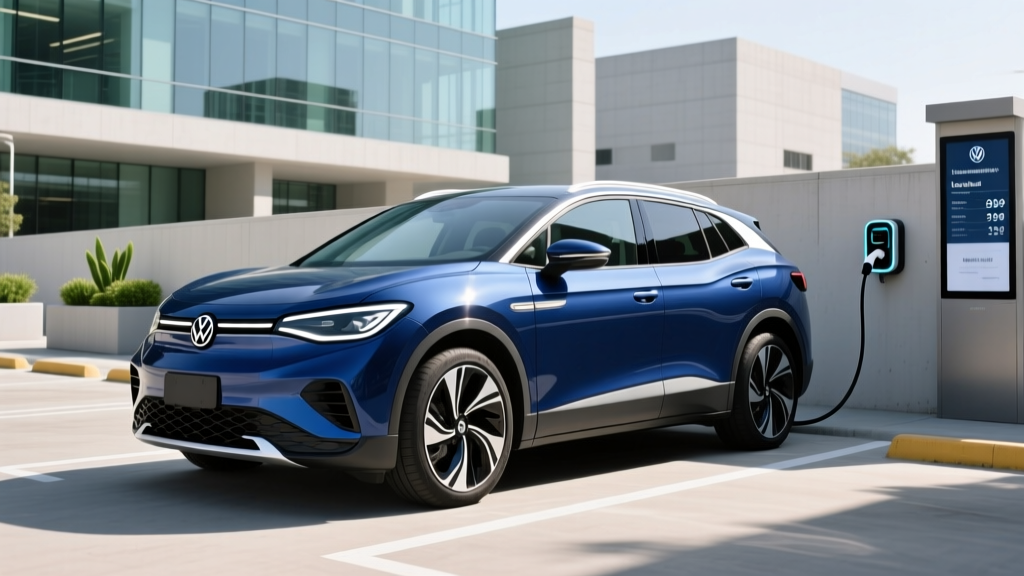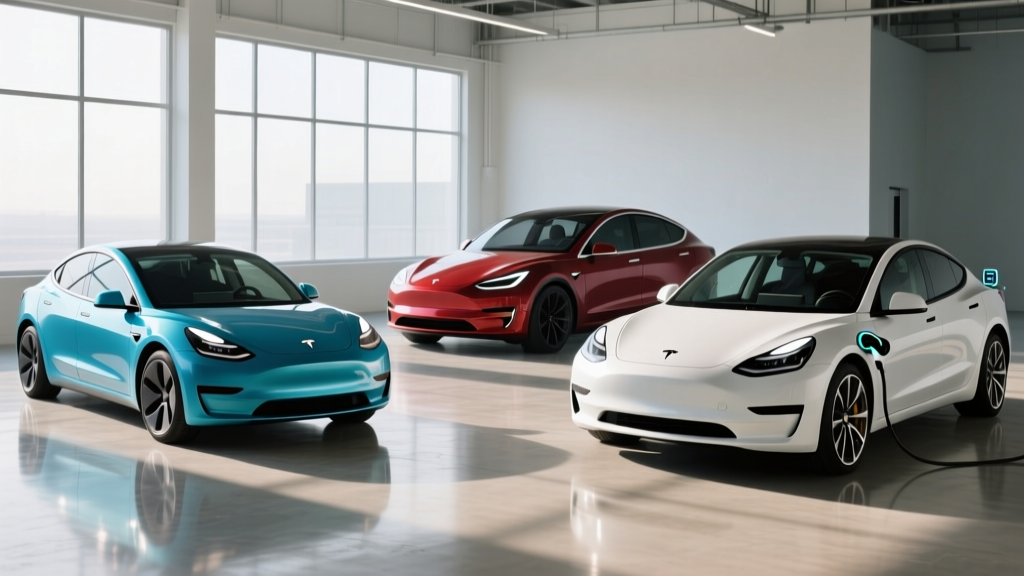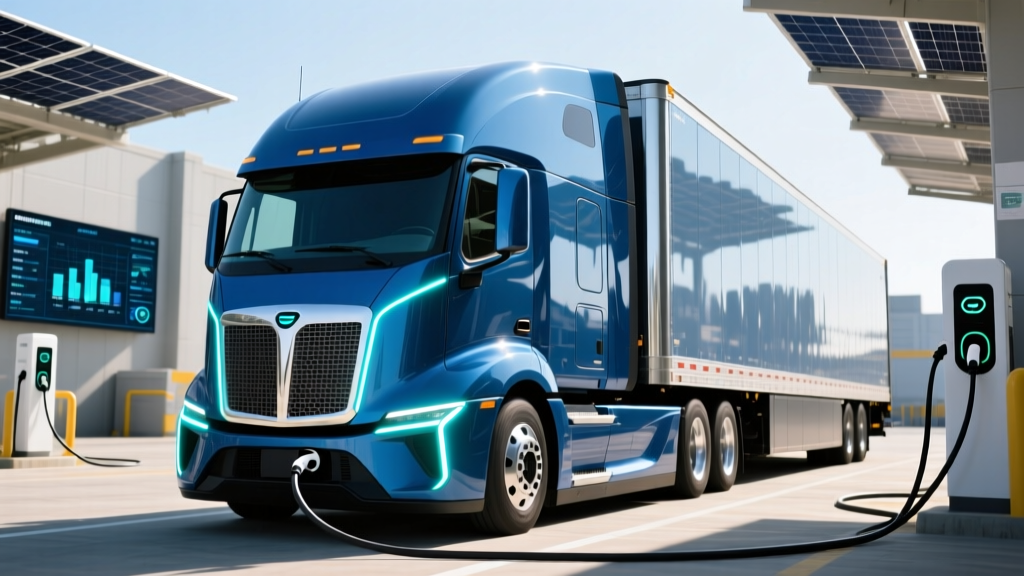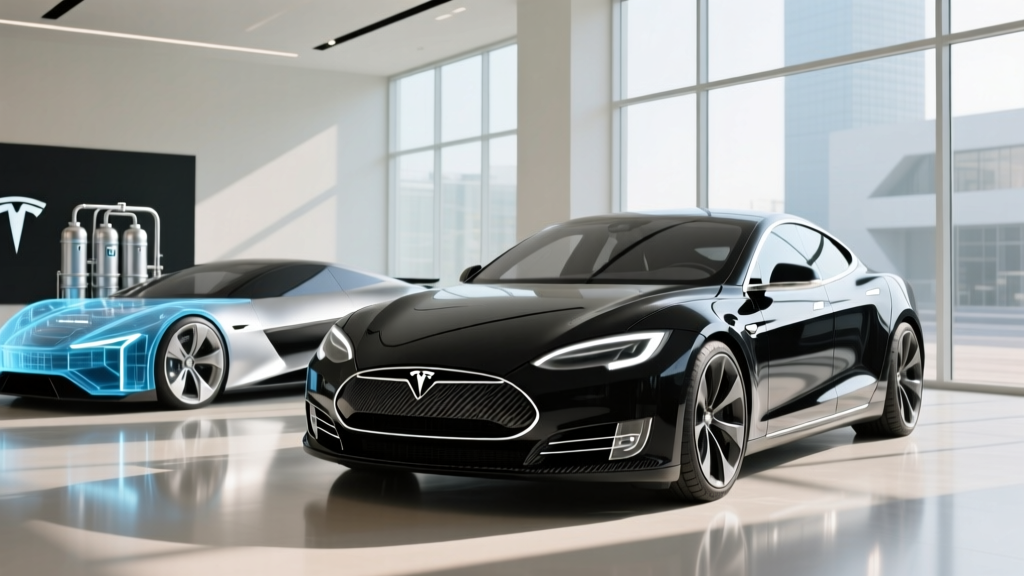
If you've been searching for a hydrogen Tesla, the short answer is this: no such vehicle exists, and Tesla has never produced, announced, or even prototyped a hydrogen fuel-cell car. Elon Musk has famously dismissed hydrogen fuel cells as "fool cells" on multiple occasions, and Tesla's entire corporate strategy — from the Roadster to the Cybertruck to the Tesla Semi — is built exclusively on battery-electric vehicle (BEV) architecture.
But the search intent behind "hydrogen Tesla" is real. Buyers who land on this term are usually asking one of three questions: Does Tesla offer any hydrogen or fuel-cell technology? Are hydrogen cars better than Teslas? And if I want the best of both worlds — long range, fast refueling, zero tailpipe emissions — what should I actually buy?
This guide answers all three with hard data, current 2026 specs, and honest comparisons.
Why Tesla Will Never Build a Hydrogen Car
Tesla's rejection of hydrogen isn't just brand stubbornness — it's rooted in physics and infrastructure economics. Here's the core argument:
Round-trip efficiency: When you generate electricity, use it to electrolyze water into hydrogen, compress and transport that hydrogen, and then run it through a fuel cell to make electricity again, you lose roughly 60–70% of the original energy. A battery-electric vehicle like the Tesla Model Y delivers about 75–85% of the original electricity to the wheels. That's a 2–3x efficiency gap that hydrogen can't close.
Infrastructure cost: As of early 2026, the U.S. has roughly 200,000+ public EV charging ports (including Tesla's Supercharger network) compared to approximately 60 public hydrogen stations — nearly all of them in California, and many experiencing chronic supply interruptions. Building out hydrogen refueling at scale would require hundreds of billions of dollars in new pipelines, storage, and dispensing infrastructure.
Vehicle complexity: A fuel-cell powertrain requires a hydrogen storage tank (at 700 bar / 10,000 psi), a fuel-cell stack, a small buffer battery, and an electric motor. A BEV needs only a battery pack and motor(s). Fewer components mean lower manufacturing cost and fewer failure points.
Tesla has doubled down on this philosophy with its shift to lithium iron phosphate (LFP) batteries for standard-range models — cheaper, longer-lasting chemistry that further undercuts any cost argument for hydrogen in passenger vehicles.
Hydrogen Cars You Can Actually Buy in 2026
If hydrogen still appeals to you — perhaps because of fast refueling times or interest in fuel-cell technology — here are the passenger vehicles currently available in the U.S. market. Note that availability is heavily restricted to California due to the hydrogen station network.
| Vehicle | EPA Range | Refuel Time | MSRP (Base) | Availability |
|---|---|---|---|---|
| Toyota Mirai | 402 mi (XLE) | ~5 min (10–100%) | ~$50,490 | California only |
| Hyundai Nexo | 380 mi (Blue) | ~5 min (10–100%) | ~$62,000 (2025 redesign) | California only |
| Honda CR-V e:FCEV | 270 mi (combined) | ~5 min (hydrogen) + plug-in | ~$52,000 (lease only) | California only |
Data sourced from fueleconomy.gov and manufacturer specifications. The Toyota Mirai remains the highest-volume hydrogen passenger car in the U.S., though Toyota has signaled a strategic pivot toward BEVs for future models.
Tesla's Closest Match: 2026 Model Y Long Range
Since there's no hydrogen Tesla, the most relevant comparison is Tesla's best-selling vehicle: the 2026 Tesla Model Y Long Range AWD. This is the car most "hydrogen Tesla" searchers would likely cross-shop if they're considering a Tesla but curious about alternatives.
| Spec | Value |
|---|---|
| EPA Range | 320 miles |
| Battery Capacity | ~75 kWh usable (NMC chemistry) |
| Drivetrain | Dual Motor AWD |
| Horsepower | 384 hp (combined) |
| 0–60 mph | 4.8 seconds |
| MPGe (combined) | 122 MPGe |
| Efficiency | 28 kWh / 100 mi |
| Max DC Fast Charge | 250 kW (peak) |
| 10–80% DC Charge Time | ~27 minutes |
| Level 2 Home Charging | 11.5 kW (~44 mi/hr) |
| Cargo Volume (rear seats up) | 30.2 cu ft |
| Cargo Volume (rear seats down) | 72.0 cu ft |
| Front Legroom | 41.8 in |
| Rear Legroom | 41.6 in |
| Battery Warranty | 8 years / 120,000 miles (70% retention) |
| Base MSRP | $48,990 |
The EPA rates the 2026 Model Y Long Range at 320 miles. In real-world highway driving at 70–75 mph, expect approximately 270–290 miles in mild weather. In cold conditions (below 32°F), range can drop to 230–260 miles due to battery resistance and cabin heating demands, though the Model Y's standard heat pump mitigates some loss. For a 300-mile road trip, plan one 15–20 minute Supercharger stop.
Charging Speed: Tesla vs. Hydrogen Refueling
The single biggest argument hydrogen advocates make is refueling speed. A Toyota Mirai fills its tanks in about 5 minutes — comparable to a gas car. A Tesla Model Y at a V3 Supercharger (250 kW peak) takes roughly 27 minutes from 10–80%.
But context matters:
| Scenario | Toyota Mirai (Hydrogen) | Tesla Model Y (BEV) |
|---|---|---|
| Full refuel/recharge time | ~5 min (10–100%) | ~27 min (10–80% at 250 kW) |
| Station/port availability (U.S.) | ~60 stations (CA only) | 30,000+ Superchargers + 200,000+ public ports |
| Home "refueling" | Not possible | Yes — Level 2 adds ~44 mi/hr overnight |
| Station uptime/reliability | Frequent outages reported | Supercharger network ~99% uptime |
| Cost per "fill" (full range) | $80–$120 (hydrogen at $30–36/kg) | $10–$18 home / $20–$35 Supercharger |
Hydrogen wins on raw speed at the pump, but loses decisively on availability, home convenience, cost per mile, and network reliability. Most Tesla owners charge at home overnight and only use Superchargers on road trips — meaning the "5-minute refuel" advantage matters far less in daily life.
Pricing, Tax Credits, and Total Cost
The 2026 Tesla Model Y Long Range starts at $48,990 before destination. With the IRS §30D federal tax credit, eligible buyers can receive up to $7,500 — now available as a point-of-sale transfer, reducing the purchase price directly at the dealership.
However, eligibility depends on several conditions that change annually:
- MSRP cap: SUVs/crossovers must be under $80,000 (Model Y qualifies)
- Income cap: Modified AGI ≤ $150,000 (single) / $300,000 (joint)
- Battery sourcing: Critical minerals and battery components must meet phased-in domestic/free-trade sourcing thresholds — Tesla has worked to qualify U.S.-built vehicles, but verify current-year eligibility at the IRS or with your Tesla advisor before purchasing
- VIN verification: The specific vehicle's battery must meet sourcing requirements — not every unit may qualify
| Item | Amount |
|---|---|
| Base MSRP | $48,990 |
| Destination fee | $1,390 |
| Federal §30D credit (if eligible) | −$7,500 |
| Estimated state incentives (varies) | −$0 to −$7,500 |
| Effective price (federal credit applied) | ~$42,880 |
Compare this to the Toyota Mirai at ~$50,490 base, which qualifies for up to $7,500 in federal credits plus a substantial California rebate (up to $15,000 in combined state incentives through the Clean Vehicle Rebate Project and fuel card programs). Even with incentives, the Mirai's total cost of ownership is significantly higher due to hydrogen fuel costs ($30–36/kg, equating to roughly $0.20–$0.25/mile) versus electricity at $0.04–$0.08/mile for home charging.
Technology and Driver Assistance
The Model Y comes standard with Tesla's Basic Autopilot (Traffic-Aware Cruise Control and Autosteer), which is a SAE Level 2 driver-assistance system — meaning the driver must remain fully engaged and supervise at all times.
Tesla's Autopilot and available Full Self-Driving (Supervised) are SAE Level 2 systems. They are NOT autonomous or self-driving. The driver must keep hands on the wheel, eyes on the road, and be prepared to take over instantly. FSD (Supervised) adds automated lane changes, city street navigation, and traffic-light recognition, but still requires full driver supervision. Only Level 4 robotaxi services (e.g., Waymo in designated geofenced areas) operate without a human driver.
Other standout tech on the 2026 Model Y:
- 15.4-inch center touchscreen with no physical buttons
- Over-the-air (OTA) software updates that add features post-purchase
- Tesla app with remote preconditioning, location tracking, and charging management
- Available FSD (Supervised) for $8,000 one-time or $99/month
- Sentry Mode (360° parking surveillance)
- HEPA air filtration with Bioweapon Defense Mode
The Mirai, by comparison, offers Toyota Safety Sense 3.0 (also Level 2) with a more traditional interior — physical buttons, a 12.3-inch touchscreen, and a conventional instrument cluster. It's a comfortable, well-built car, but its tech suite doesn't approach Tesla's software ecosystem.
Who Should Buy What — Decision Framework
Choose a Tesla Model Y (or any BEV) if:
- You can charge at home (Level 2 installation feasible)
- You live outside California or in an area with limited hydrogen stations
- You want the lowest cost per mile ($0.04–$0.08/mi vs $0.20–$0.25/mi for hydrogen)
- You value the Supercharger network for road trips
- You want OTA updates and a software-first vehicle experience
Choose a hydrogen fuel-cell vehicle (Mirai/Nexo) if:
- You live in California near reliable hydrogen stations
- You cannot charge at home (apartment, no garage, no electrical access)
- You need consistent 5-minute refueling for high-mileage daily use
- You're willing to accept higher fuel costs and station-availability risk
Pros and Cons: Tesla BEV vs. Hydrogen FCEV
✅ Tesla Model Y (BEV) Pros
- 320 mi EPA range; home charging eliminates most "refueling" stops
- Lowest fuel cost: ~$0.05/mi on home electricity
- 30,000+ Superchargers nationwide with 99%+ uptime
- OTA updates continuously improve the vehicle
- Strong resale value and broad service network
- Qualifies for $7,500 federal credit (eligibility varies)
❌ Tesla Model Y (BEV) Cons
- 10–80% DC charge takes ~27 min on road trips
- Range drops 15–25% in cold weather
- Minimalist interior not for everyone
- Insurance premiums above segment average
- No physical buttons — all controls via touchscreen
✅ Hydrogen FCEV (Mirai) Pros
- ~5-minute refuel — identical to gas-car convenience
- 402-mile EPA range (Mirai XLE)
- Zero tailpipe emissions (only water vapor)
- Strong California incentive stacking (up to $15,000+)
- Complimentary hydrogen fuel card (up to $15,000/3 years on Mirai)
❌ Hydrogen FCEV (Mirai) Cons
- ~60 stations in the U.S. — nearly all in California
- Frequent station outages and hydrogen supply shortages
- Fuel cost: $30–36/kg (~$0.20–$0.25/mile)
- No home refueling option
- Very low resale value outside California
- Limited model selection; OEMs pivoting away from FCEV passenger cars
Frequently Asked Questions
Does Tesla make a hydrogen car or fuel-cell vehicle?
No. Tesla has never produced, announced, or prototyped a hydrogen fuel-cell vehicle. All Tesla vehicles — Model S, 3, X, Y, Cybertruck, and Semi — are battery-electric vehicles (BEVs). CEO Elon Musk has publicly criticized hydrogen fuel-cell technology on efficiency and infrastructure grounds.
Is hydrogen better than battery-electric for cars?
For passenger vehicles, battery-electric is decisively ahead in 2026. BEVs are 2–3x more energy-efficient from source to wheel, have vastly superior refueling infrastructure (200,000+ ports vs. ~60 hydrogen stations), and cost significantly less to fuel per mile. Hydrogen may find its niche in long-haul trucking, shipping, and industrial applications where battery weight and charge time are prohibitive — but for cars, BEVs have won.
Can I convert a Tesla to run on hydrogen?
No practical or certified conversion exists. Converting a BEV to a fuel-cell vehicle would require removing the battery pack, installing a hydrogen tank, fuel-cell stack, and new power electronics — a process that would cost tens of thousands of dollars, void all warranties, fail safety certification, and be illegal for road use in all 50 states.
What's the cheapest way to get long EV range without hydrogen?
The 2026 Tesla Model 3 Long Range offers 363 miles of EPA range starting around $47,740 (before credits). The Chevrolet Silverado EV 4WT offers 460+ miles EPA at a higher price point. For non-Tesla options, the Lucid Air Pure delivers 419 miles EPA starting around $70,000. None require hydrogen infrastructure.
Will Tesla ever adopt hydrogen technology?
All available evidence suggests no. Tesla is investing in battery cell manufacturing (4680 cells), expanding its Supercharger network (now open to NACS-equipped competitors), and developing energy storage products (Megapack, Powerwall). Hydrogen plays no role in Tesla's published roadmaps or patent filings. The broader auto industry is also trending away from hydrogen passenger cars — Honda discontinued the Clarity Fuel Cell, and BMW has limited its hydrogen efforts to the iX5 pilot fleet.
Does the Tesla Model Y qualify for the federal EV tax credit?
The 2026 Model Y qualifies for up to $7,500 under IRS §30D, subject to buyer income limits ($150K single / $300K joint), the $80,000 SUV MSRP cap, and current-year battery-sourcing requirements. The credit can now be transferred to the dealer at point of sale, reducing your purchase price directly. Always verify eligibility for your specific VIN at purchase time — sourcing rules phase in annually.
Sources: fueleconomy.gov (EPA range/efficiency data), irs.gov (§30D credit rules), tesla.com (manufacturer specifications).