Quick Answer: The Huffy Green Machine 36V Electric Drift Trike is a battery-powered, three-wheeled recreational vehicle designed for drifting on paved surfaces. It reaches a top speed of approximately 15 mph, delivers roughly 10–12 miles of runtime on a full charge, and recharges in about 45 minutes to 1 hour. Priced typically between $350 and $450, it runs on a 36V sealed lead-acid (SLA) battery pack. It is not a road-legal vehicle, not eligible for any federal EV tax credit, and is best suited for flat, paved private property such as driveways and parking lots.
What Exactly Is the Huffy Green Machine 36V?
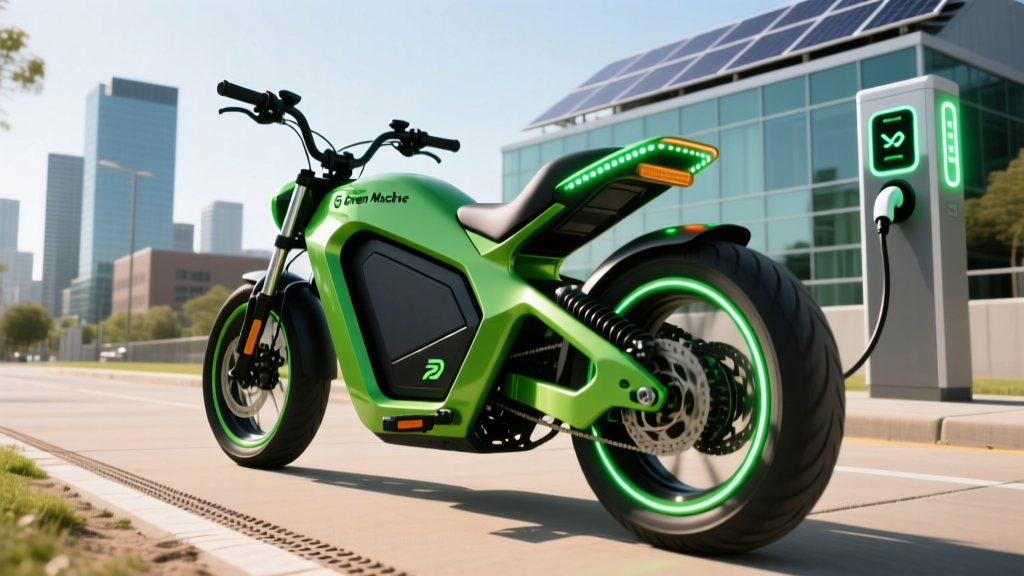
The Huffy Green Machine 36V is a sit-down drift trike — essentially a low-slung, three-wheeled vehicle with a slick rear wheel designed to break traction and slide on smooth pavement. Unlike the classic pedal-powered Green Machine that Huffy sold for decades, the 36V electric version replaces human power with a brushless electric motor and a rechargeable battery pack.
Here is what you are getting mechanically:
| Specification | Value |
|---|---|
| Battery | 36V Sealed Lead-Acid (SLA), ~12 Ah |
| Motor | Brushless electric, ~250W nominal |
| Top Speed | ~15 mph (variable by rider weight and surface) |
| Runtime | ~10–12 miles (light rider, flat surface) |
| Charge Time | ~45 min to 1 hour (included charger) |
| Rider Weight Limit | ~120 lbs (varies by model year) |
| Typical Price | $350–$450 MSRP |
| Age Range | 8+ years (recommended by manufacturer) |
The 36V designation refers to the battery's nominal voltage — three 12V SLA cells wired in series. This is important context: SLA batteries are heavier, less energy-dense, and degrade faster than the lithium-ion (NMC or LFP) packs found in modern EVs. A 36V SLA pack at roughly 12 Ah stores approximately 0.43 kWh of usable energy — for comparison, a single Tesla Powerwall stores about 13.5 kWh. This is a toy-grade battery, and understanding that upfront sets realistic expectations.
Real-World Range and Speed: What to Actually Expect
Huffy advertises a runtime that varies by model year, but independent user reports consistently place the real-world range at 10–12 miles under ideal conditions (flat pavement, rider under 100 lbs, moderate throttle use). Heavier riders or aggressive drifting — which is the entire point of the vehicle — will reduce that to 6–8 miles of actual ride time.
Speed is governed to approximately 15 mph. On slight inclines or with a heavier rider, expect 10–12 mph. This is not a vehicle that will keep up with bicycle traffic on a shared path.
The drift capability depends heavily on surface conditions. Smooth, clean asphalt or concrete is required. Rough pavement, gravel, or wet surfaces significantly reduce both drift performance and battery range.
Real-World Range Caveat: Aggressive drifting (full throttle, sustained slides) can cut range by 30–40% compared to casual cruising. Expect 6–8 miles of hard drifting per charge, 10–12 miles of moderate riding.
Electric vs. Gas Mini Bikes: Cost and Performance Comparison
The closest competitors to the Huffy Green Machine 36V are gas-powered mini bikes and drift trikes in the $300–$600 range. Here is how they compare on the metrics that matter for a buyer deciding between electric and gas for recreational use:
| Factor | Huffy 36V Electric | Gas Mini Bike (typical 98cc) |
|---|---|---|
| Purchase Price | $350–$450 | $400–$700 |
| Fuel/Energy Cost Per Hour | ~$0.05–$0.10 (electricity) | ~$1.50–$3.00 (gasoline) |
| Top Speed | ~15 mph | 25–40 mph |
| Runtime Per Tank/Charge | ~10–12 miles | ~30–50 miles |
| Noise Level | Near silent | 75–85 dB (lawnmower-level) |
| Maintenance | Minimal (battery replacement every 1–2 years) | Oil changes, spark plugs, carburetor cleaning, air filter |
| Emissions | Zero at point of use | Unburned hydrocarbons, CO, NOx |
| Refuel/Recharge Time | ~45–60 minutes | ~2 minutes (fill tank) |
| Drift Performance | Adequate on smooth pavement | Higher torque, more aggressive slides |
The electric trike wins on noise (you can ride in residential areas without complaints), operating cost, and maintenance simplicity. The gas mini bike wins decisively on speed, range, and refuel convenience. If drifting performance and longer sessions are the priority, gas still has an edge in this recreational category.
Ownership Costs: The Full Picture
The purchase price is only part of the equation. Here is a realistic breakdown of what owning a Huffy Green Machine 36V costs over two years of typical weekend use:
| Cost Item | Year 1 | Year 2 | Notes |
|---|---|---|---|
| Purchase Price | $400 | — | Average MSRP |
| Electricity (charging) | $5–$10 | $5–$10 | ~0.5 kWh per charge, $0.13/kWh avg, 50 charges/year |
| SLA Battery Replacement | — | $60–$90 | SLA batteries degrade; expect 150–300 full cycles |
| Tire Replacement | — | $20–$40 | Rear slick tire wears with drifting |
| Charger Replacement | — | $20–$30 | If original fails |
| Total (2-Year) | $505–$570 | ||
The dominant cost after purchase is battery replacement. SLA batteries are not designed for longevity — they lose capacity with every deep discharge cycle. If you ride hard every weekend, plan on a replacement battery within 12–18 months. This is the single biggest ownership surprise for first-time buyers of SLA-powered recreational vehicles.
Common Misconceptions: Facts vs. Marketing
| Myth | Fact |
|---|---|
| "It qualifies for the $7,500 federal EV tax credit" | No. The IRS §30D credit applies only to new clean vehicles for road use with four wheels (or three wheels if classified as a motorcycle meeting specific criteria). Recreational drift trikes do not qualify. |
| "The battery lasts for years like a car battery" | SLA batteries in toys typically deliver 150–300 full charge cycles before significant capacity loss. That is 1–2 years of weekly use. EV-grade NMC/LFP batteries last 1,000–3,000+ cycles. |
| "15 mph is slow, so it is completely safe" | 15 mph on a low, unenclosed vehicle with no suspension and minimal braking is enough to cause serious injury in a fall or collision. Helmets and pads are essential. |
| "I can ride it on public roads" | The Green Machine 36V is not DOT-certified, has no lights, horn, mirrors, or registration capability. It is legal only on private property in virtually all US jurisdictions. |
| "It charges from any outlet" | It does charge from a standard 120V household outlet using the included charger. However, the charger is proprietary — losing it means ordering a specific replacement. |
Charging and Battery Care: Maximizing What You Have
The Huffy Green Machine 36V charges via an included wall-wart charger that plugs into any standard 120V AC outlet. The charger outputs roughly 42V at 1–2 amps, meaning a full charge from empty takes approximately 45 minutes to 1 hour.
Because this uses SLA chemistry (not lithium-ion), battery care rules are different from what you may know about modern EVs:
- Never store it discharged. SLA batteries sulfonate when left below 50% state of charge for extended periods. Charge after every ride session.
- Do not leave it on the charger indefinitely. The included charger is not a smart maintainer. Overcharging damages SLA cells. Unplug when the indicator light turns green.
- Store in a cool, dry place. Heat accelerates SLA degradation. A garage or basement is ideal.
- Expect seasonal range loss. SLA batteries lose 20–30% capacity in cold weather (below 50°F). This is a chemistry limitation, not a defect.
If you want to extend battery life, consider purchasing a smart SLA battery maintainer (~$25–$40) for long-term storage. This keeps the battery at optimal voltage without overcharging.
Decision Framework: Should You Buy It?
Buy the Huffy Green Machine 36V if:
- You want a quiet, low-maintenance drift trike for a residential neighborhood where gas noise would be an issue
- The primary rider is under 120 lbs and ages 8–14
- You have a flat, paved private area (driveway, empty parking lot) for riding
- You are comfortable replacing the SLA battery every 1–2 years at ~$60–$90
- Budget is under $500 total, including first-year ownership
Look at alternatives (gas mini bike or higher-voltage electric trike) if:
- The rider is over 120 lbs or wants speeds above 15 mph
- You need more than 12 miles of runtime per session
- You want aggressive, sustained drifting that demands higher torque
- You plan to ride on varied terrain or slight inclines
- You want a vehicle that can grow with an older teenager
Frequently Asked Questions
Is the Huffy Green Machine 36V eligible for any EV tax credits or incentives?
No. The IRS §30D federal clean vehicle credit requires a vehicle manufactured primarily for use on public roads with specific battery capacity and sourcing requirements. Recreational drift trikes do not qualify. No state-level EV incentives apply to off-road recreational toys either.
How long does the battery last before it needs replacing?
With typical weekend use (1–2 rides per week), expect 1–2 years before noticeable range degradation forces a replacement. SLA batteries are rated for roughly 150–300 full charge cycles. Replacement batteries cost $60–$90 and are widely available online.
Can adults ride the Huffy Green Machine 36V?
Technically, an adult under the weight limit (~120 lbs for most model years) can ride it, but the seat is sized for children and teens, and performance drops significantly with heavier riders. Most adults will find it uncomfortable and underpowered.
How does the 36V version compare to the older 24V Green Machine?
The 36V model offers roughly 50% more power than the discontinued 24V version, translating to higher top speed (~15 mph vs. ~10 mph) and better torque for drifting. If you find a used 24V model at a discount, understand you are getting meaningfully less performance.
Is it safe for kids?
Huffy recommends ages 8 and up. At 15 mph on a low vehicle with no roll cage, seatbelt, or suspension, a helmet, knee pads, and elbow pads are strongly recommended. Parental supervision is essential for younger riders. It is safer than a gas mini bike in terms of speed and no hot exhaust, but it is not a risk-free toy.
Where can I ride it legally?
Private property only — driveways, private parking lots, and paved private paths. It is not street-legal in any US state. Check your local HOA or neighborhood rules, as some communities restrict even private-property use of motorized recreational vehicles.