How Many Miles Does a Tesla Actually Last?
When buyers ask "how many miles Tesla last," they're really asking two different questions. First: how far can a Tesla drive on a single charge today? Second: how many total miles will the battery and drivetrain survive before needing major service? Both answers matter for your wallet, and neither is as simple as the sticker suggests.
In this guide, we'll walk through every current 2026 Tesla model — Model 3, Model Y, Model S, Model X, and Cybertruck — with exact EPA range figures, real-world adjustments for highway and cold-weather driving, battery chemistry breakdowns, charging speeds, and long-term degradation data pulled from fleet studies and owner reports. If you're weighing a Tesla purchase or trying to understand what 100,000 miles looks like in an EV, this is the data you need.
2026 Tesla Lineup: Range, Battery, and Efficiency at a Glance
Tesla offers five consumer vehicles in 2026, spanning two battery chemistries and a wide range of price points. The table below captures the core specs that determine how far each model goes and how efficiently it uses energy.
| Model | Trim | EPA Range (mi) | Battery (kWh usable) | Chemistry | MPGe (combined) | kWh/100 mi | Drivetrain |
|---|---|---|---|---|---|---|---|
| Model 3 | RWD | 272 | ~57.5 | LFP | 132 | 25 | RWD |
| Model 3 | Long Range AWD | 363 | ~79 | NMC | 134 | 25 | Dual-Motor AWD |
| Model 3 | Performance | 315 | ~79 | NMC | 121 | 28 | Dual-Motor AWD |
| Model Y | Long Range AWD | 327 | ~79 | NMC | 123 | 27 | Dual-Motor AWD |
| Model Y | Performance | 285 | ~79 | NMC | 115 | 30 | Dual-Motor AWD |
| Model S | Long Range | 402 | ~95 | NMC | 120 | 28 | Dual-Motor AWD |
| Model S | Plaid | 359 | ~95 | NMC | 112 | 30 | Tri-Motor AWD |
| Model X | Long Range | 348 | ~95 | NMC | 111 | 31 | Dual-Motor AWD |
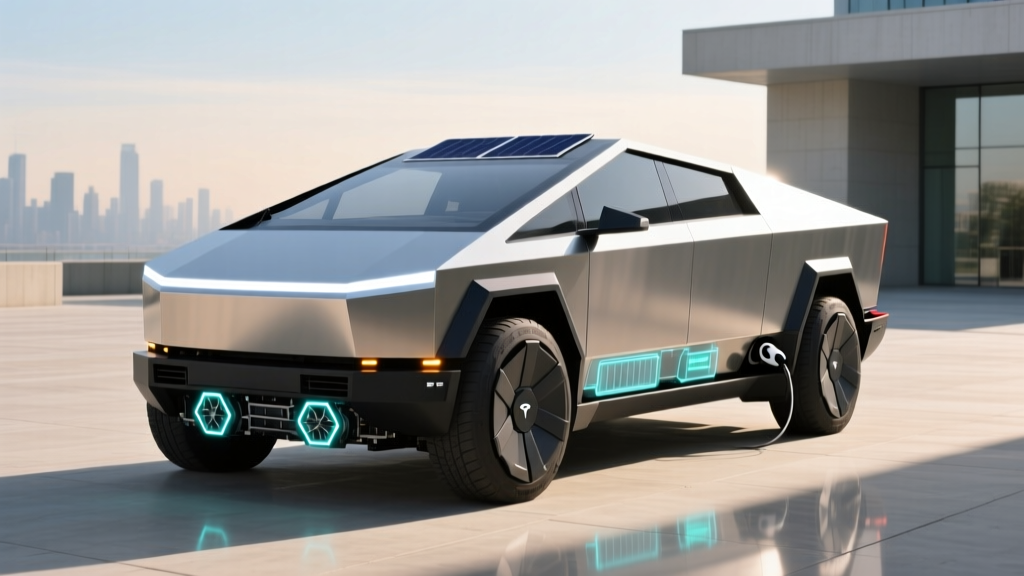
| Cybertruck | AWD | 340 | ~123 | NMC | 70 | 48 | Dual-Motor AWD |
Source: EPA Fuel Economy — figures reflect 2025–2026 model-year data as published.
EPA range is measured under controlled lab conditions that favor mixed city/highway driving. In real-world use, expect:
- City / moderate-speed driving: EPA range or slightly above (regen braking recovers energy)
- Highway at 70–80 mph: 10–18% below EPA — a Model 3 Long Range rated at 363 mi delivers ~300–325 mi at sustained interstate speeds
- Cold weather (below 30°F): 15–30% reduction depending on cabin heating use; LFP packs (Model 3 RWD) may see the higher end of that loss. Preconditioning while plugged in mitigates this significantly.
- Towing (Cybertruck / Model X): Expect 40–55% range reduction when towing near max capacity
Battery Chemistry: LFP vs NMC and What It Means for Longevity
The single biggest factor in "how many miles Tesla last" over the vehicle's lifetime is battery chemistry. Tesla currently uses two chemistries across its lineup, and they behave very differently over time.
| Attribute | LFP (Lithium Iron Phosphate) | NMC (Nickel Manganese Cobalt) |
|---|---|---|
| Used in | Model 3 RWD | Model 3 LR/Perf, Model Y, S, X, Cybertruck |
| Energy density | Lower (heavier pack for same range) | Higher (lighter, more range per kg) |
| Typical degradation at 100k mi | ~5–8% capacity loss | ~8–12% capacity loss |
| Daily charging recommendation | Charge to 100% regularly | Charge to 80% daily; 100% for trips only |
| Cycle life | 3,000+ cycles before 80% SoH | 1,500–2,000 cycles before 80% SoH |
| Cold-weather performance | Weaker in extreme cold | Better low-temp performance |
| Cobalt content | Zero | Contains cobalt |
If total lifetime mileage is your top priority, the LFP-equipped Model 3 RWD has a structural advantage. Tesla CEO Elon Musk has stated that the company expects LFP packs to outlast the vehicle itself, with laboratory data supporting 3,000+ full charge cycles before the battery degrades to 80% of its original capacity. At 272 miles per cycle, that translates to over 800,000 theoretical miles — far more than most drivers will accumulate.
NMC packs in the Long Range and Performance models offer more range and power today, but they degrade faster. Tesla's own Impact Report data and independent fleet analyses from sources like Recurrent Auto show that NMC Tesla batteries typically retain 88–92% of original capacity at 100,000 miles, with the curve flattening significantly after the initial 20,000-mile break-in period.
Charging Speed: DC Fast Charging and Home Level 2
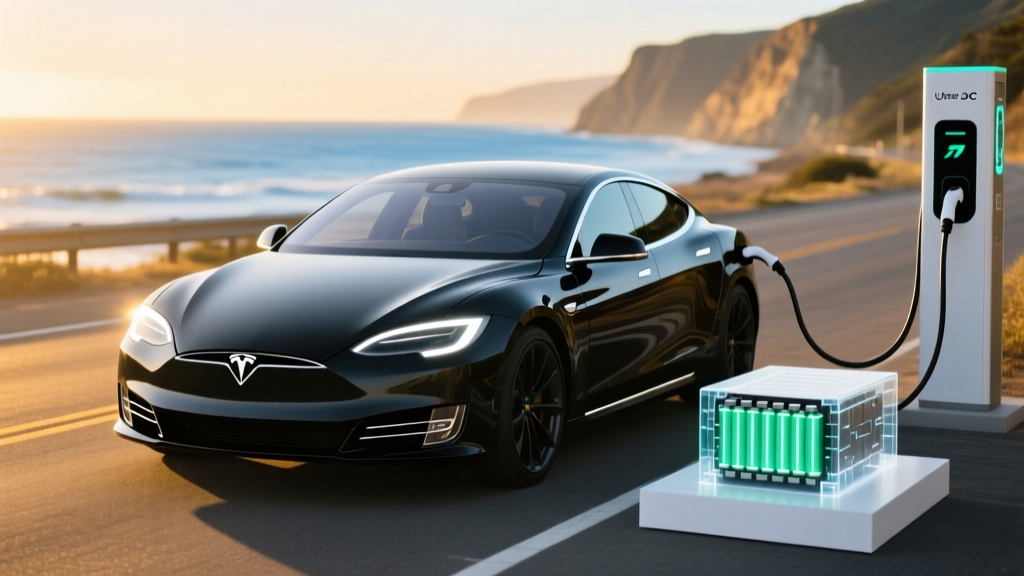
Range means little if you can't replenish it quickly. Tesla's Supercharger network remains the most reliable DC fast-charging ecosystem in North America, and all 2026 Teslas use the NACS (North American Charging Standard) connector natively — no adapter required at Superchargers.
| Model | Max DC Fast Charge (kW) | 10–80% Time | Level 2 Home Rate (kW) | Level 2 Miles/Hr |
|---|---|---|---|---|
| Model 3 RWD (LFP) | 170 kW | ~25 min | 11.5 kW | ~44 mi/hr |
| Model 3 Long Range / Perf | 250 kW | ~18 min | 11.5 kW | ~44 mi/hr |
| Model Y Long Range / Perf | 250 kW | ~20 min | 11.5 kW | ~40 mi/hr |
| Model S / X | 250 kW | ~22 min | 11.5 kW | ~36 mi/hr |
| Cybertruck AWD | 250 kW (350 kW capable*) | ~18 min | 11.5 kW | ~30 mi/hr |
*Cybertruck supports up to 350 kW at compatible V4 Supercharger stalls; most current stalls deliver 250 kW max.
A critical note on charging curves: the "peak" kW number is just that — a peak. Teslas, like all EVs, taper charge speed as the battery fills. You'll see the highest rates between 10–40% state of charge. Above 60%, speeds drop noticeably, and above 80%, charging slows to a trickle to protect battery health. For road trips, plan to charge from 10–80% and skip the last 20% unless you need every mile — it's faster to drive on and charge again at the next station.
At home on a Level 2 charger (240V, 48A circuit), expect roughly 44 miles of range added per hour for a Model 3 Long Range. A full overnight charge from 20% to 80% takes about 7–8 hours, which is more than sufficient for daily driving. Installation of a Tesla Wall Connector typically costs $800–$2,000 depending on your electrical panel's capacity and the distance from panel to garage. Always get a quote from a licensed electrician before committing.
Performance and Powertrain Specs
Tesla's electric drivetrains deliver instant torque with no gear shifts, which translates to acceleration figures that embarrass most gas-powered sports cars — even on the "base" trims.
| Model | 0–60 mph | Horsepower | Top Speed | Towing Capacity |
|---|---|---|---|---|
| Model 3 RWD | 5.8 sec | 271 hp | 125 mph | N/A |
| Model 3 Long Range AWD | 4.2 sec | 346 hp | 125 mph | N/A |
| Model 3 Performance | 2.9 sec | 510 hp | 163 mph | N/A |
| Model Y Long Range AWD | 4.8 sec | 384 hp | 135 mph | 3,500 lb |
| Model S Plaid | 1.99 sec | 1,020 hp | 200 mph | N/A |
| Cybertruck AWD | 3.9 sec | 600 hp | 130 mph | 11,000 lb |
The dual-motor and tri-motor configurations use independent front and rear motors with torque vectoring, providing all-wheel drive without the mechanical complexity of a traditional AWD system. There are no driveshafts, differentials, or transfer cases to maintain — which is a significant factor in Tesla's low long-term maintenance costs.
Pricing, Tax Credits, and Total Cost
Tesla's pricing has shifted multiple times over recent years. As of early 2026, here's where the lineup stands before and after the federal EV tax credit.
| Model / Trim | Base MSRP | Federal §30D Credit | Effective Price | Eligible? |
|---|---|---|---|---|
| Model 3 RWD | $38,990 | Up to $7,500 | ~$31,490 | Yes (if sourcing rules met) |
| Model 3 Long Range AWD | $45,240 | Up to $7,500 | ~$37,740 | Yes |
| Model 3 Performance | $52,990 | Up to $7,500 | ~$45,490 | Yes |
| Model Y Long Range AWD | $46,380 | Up to $7,500 | ~$38,880 | Yes |
| Model Y Performance | $51,490 | Up to $7,500 | ~$43,990 | Yes |
| Model S Long Range | $79,990 | $0 | $79,990 | No (above MSRP cap) |
| Model X Long Range | $84,990 | $0 | $84,990 | No (above MSRP cap) |
| Cybertruck AWD | $79,990 | $0 | $79,990 | No (above MSRP cap) |
To qualify for the full $7,500 credit on eligible Tesla models, you must meet ALL of the following:
- MSRP cap: Sedans (Model 3) must be under $55,000; SUVs/trucks (Model Y) must be under $80,000
- Buyer income cap: Modified AGI ≤ $300,000 (joint), $225,000 (head of household), $150,000 (single)
- Battery sourcing: Critical minerals and battery components must meet escalating domestic-sourcing thresholds — check IRS.gov for the current-year VIN eligibility tool
- Point-of-sale transfer: As of 2024+, you can transfer the credit to the dealer at purchase for an immediate price reduction, rather than waiting for tax filing
- Not a business/lease: Commercial and leased vehicles fall under separate §45W rules
Tax rules change. Verify your specific eligibility with a tax professional and the IRS VIN lookup tool before purchasing.
Warranty Coverage and Long-Term Durability
Tesla's warranty structure is straightforward but worth understanding in detail, especially since battery replacement is the single largest potential cost in any EV's life.
| Coverage | Model 3 / Y | Model S / X | Cybertruck |
|---|---|---|---|
| Basic Vehicle | 4 yr / 50,000 mi | 4 yr / 50,000 mi | 4 yr / 50,000 mi |
| Battery & Drive Unit | 8 yr / 120,000 mi (LR/Perf) or 8 yr / 100,000 mi (RWD) | 8 yr / 150,000 mi | 8 yr / 120,000 mi |
| Capacity Retention Guarantee | ≥70% during warranty period | ≥70% during warranty period | ≥70% during warranty period |
The 70% capacity retention threshold is important context. If your battery degrades below 70% of its original kWh within the warranty window, Tesla will replace or refurbish it at no cost. In practice, fleet data from Recurrent Auto and Tesla's own Impact Reports show that very few batteries fall below this threshold within warranty limits. The typical Model 3 or Model Y retains 88–92% at 100,000 miles.
Out-of-warranty battery replacement costs vary significantly by model and pack size. As of 2025–2026 estimates:
- Model 3 RWD (LFP, ~57.5 kWh): $8,000–$12,000
- Model 3/Y Long Range (NMC, ~79 kWh): $12,000–$16,000
- Model S/X (~95 kWh): $15,000–$22,000
- Cybertruck (~123 kWh): $20,000–$30,000 (estimated, limited data)
These are ballpark figures from service centers and third-party EV shops. Costs are expected to decline as battery manufacturing scales and the used-EV battery market matures.
Interior Space, Tech, and Driver Assistance
Tesla cabins are famously minimalist — a single central touchscreen handles nearly every function, from climate to navigation to entertainment. Whether you find this elegant or frustrating depends on your tolerance for menu-diving while driving.
| Model | Front Legroom (in) | Rear Legroom (in) | Cargo Volume (cu ft) | Frunk (cu ft) |
|---|---|---|---|---|
| Model 3 | 42.7 | 35.2 | 23 (trunk) | 3.1 |
| Model Y | 41.8 | 40.5 | 30 (behind 2nd row) / 72 (folded) | 4.1 |
| Model S | 42.7 | 35.4 | 28 (trunk) + 5.3 (frunk) | 5.3 |
| Model X | 41.2 | 38.4 | 57 (behind 2nd row) / 88 (folded) | 6.6 |
| Cybertruck | 41.7 | 38.2 | ~34 (bed) + 6.7 (frunk) | 6.7 |
Tech highlights across the 2026 lineup:
- 15.4" (Model 3/Y) or 17" (Model S/X) center touchscreen with AMD Ryzen processor
- Over-the-air software updates adding features post-purchase
- Sentry Mode (360° security camera recording when parked)
- Dog Mode, Camp Mode, and theater streaming while parked
- Native NACS charging port with Supercharger network integration
- Heat pump standard on all models (significant cold-weather efficiency gain over resistive heating)
Tesla's Autopilot (standard) and Full Self-Driving Supervised (FSD, $8,000 option) are SAE Level 2 driver-assistance systems. This means the vehicle can manage steering, acceleration, and braking under certain conditions, but the driver must remain fully attentive, hands on or near the wheel, and ready to take over at any moment. FSD does not make the car autonomous. Tesla's camera-only vision approach has drawn scrutiny from NHTSA regarding phantom braking incidents. No Tesla currently sold is a Level 4 self-driving vehicle.
- Navigate construction zones or temporary lane shifts reliably
- Detect all stationary objects at highway speeds
- Operate without driver supervision (monitoring cameras track eye attention)
- Handle severe weather (heavy rain, snow, fog) without degradation
- Replace an attentive, licensed driver
Who Should Buy a Tesla — and Who Shouldn't?
Choose a Tesla if:
- You want access to the Supercharger network — still the most reliable and widespread DC fast-charging ecosystem in North America
- You prioritize software features, OTA updates, and tech-forward cabin design
- You want strong performance at every price point (even the base Model 3 RWD does 0–60 in 5.8 seconds)
- You value low ongoing maintenance (no oil changes, minimal brake wear due to regen, no transmission fluid)
- Home Level 2 charging is available to you
Look elsewhere if:
- You prefer physical buttons, knobs, and traditional instrument clusters
- You need a third row of seating for large families (Model X is expensive; consider the Kia EV9 or Rivian R1S)
- You want a dealership service experience with loaner cars and in-person support
- Your daily commute is short and a more affordable EV (Chevy Equinox EV, Hyundai Ioniq 5) covers your needs
- You need proven long-term build quality — Tesla's panel gaps and interior rattles remain a documented concern in owner surveys
- Best-in-class Supercharger network (20,000+ stalls in North America)
- Class-leading efficiency (Model 3 LR: 134 MPGe combined)
- Strong OTA update cadence adding real features over time
- LFP battery option (Model 3 RWD) offers exceptional cycle life
- Low cost of ownership: ~$0.04–$0.06/mile on home electricity vs $0.12–$0.15/mile on gas
- No physical controls — everything through the touchscreen
- Build quality inconsistency (panel gaps, paint defects reported)
- FSD is expensive ($8,000) and remains Level 2 despite the name
- Insurance premiums 20–40% higher than comparable gas vehicles
- Service center wait times can be weeks in smaller markets
Frequently Asked Questions
How many miles can a Tesla battery last before replacement?
Based on current fleet data, most Tesla NMC batteries retain 85–92% of original capacity at 150,000 miles. LFP batteries (Model 3 RWD) show even less degradation. Tesla warranties guarantee 70% retention for 8 years or 100,000–150,000 miles depending on model. Many Teslas have surpassed 200,000 miles on their original battery packs. Full replacement is rare and usually only needed after significant degradation well beyond the warranty period.
What is the real-world range of a Tesla on a road trip?
On highway road trips at 70–80 mph in moderate weather, expect 82–90% of EPA range. A Model 3 Long Range (363 mi EPA) delivers approximately 300–325 real highway miles. In winter conditions below freezing, subtract another 10–15%. Plan Supercharger stops every 200–250 miles for comfort and to avoid running the battery below 10%.
How fast does a Tesla charge at home?
On a Level 2 Tesla Wall Connector (48A, 240V), all current Teslas charge at up to 11.5 kW, adding roughly 30–44 miles of range per hour depending on the model. A full charge from 20% to 80% takes 6–8 hours, easily completed overnight. Level 1 charging (standard 120V outlet) adds only 3–5 miles per hour and is suitable only for overnight top-ups on low-mileage days.
Does the Tesla Model 3 qualify for the $7,500 federal tax credit?
The Model 3 RWD and Long Range AWD are currently eligible for up to $7,500 under IRS §30D, provided the buyer meets income caps ($150K single / $300K joint) and the vehicle's battery meets critical-mineral and component sourcing requirements. The credit can be transferred to the dealer at point of sale for an immediate price reduction. Always verify your VIN's eligibility on the IRS clean vehicle credit page before purchasing, as sourcing rules tighten annually.
Is a Tesla worth buying compared to competitors?
For buyers who prioritize charging infrastructure, software features, and efficiency, Tesla remains the strongest overall package — especially the Model 3 Long Range at ~$38K after tax credits. However, the Hyundai Ioniq 5 and Kia EV6 now match or exceed Tesla's 800V charging speeds (with CCS-to-NACS adapters), the Chevy Equinox EV undercuts on price, and the BMW i4 offers a more traditional luxury interior. Test-drive at least two competitors before committing.
How much does it cost to charge a Tesla per month?
At the US average residential electricity rate of ~$0.16/kWh and an efficiency of 25–28 kWh/100 mi, charging a Model 3 Long Range for 1,000 miles per month costs approximately $40–$45. The same distance in a 30 MPG gas car at $3.50/gallon costs ~$117. Public DC fast charging is more expensive ($0.30–$0.50/kWh at most networks), but most Tesla owners do 80%+ of their charging at home.