If you're researching a Tesla purchase or trying to optimize your current ownership, the single most practical question isn't just "what's the range?" — it's how long does it take to charge a Tesla car in real-world conditions. The answer depends heavily on which model you drive, which charger you're plugged into, and whether you understand the difference between peak power (kW) and usable energy (kWh).
This guide walks through every current-production Tesla model as of 2026, providing exact DC fast-charge speeds, Level 2 home charging rates, real-world range expectations, and the ownership context you need to plan road trips, daily commutes, and charging budgets.
How Long Does It Take to Charge a Tesla Car? The Quick Answer
For the most common scenario — a DC fast charge from 10% to 80% at a V3 or V4 Tesla Supercharger — expect these times across the 2026 lineup:
| Model | Battery (kWh usable) | Chemistry | Peak DC kW | 10-80% Time | Level 2 Rate (kW / mi-hr) |
|---|---|---|---|---|---|
| Model 3 RWD | ~60 kWh | LFP | 170 kW | ~25 min | 11.5 kW / ~44 mi/hr |
| Model 3 Long Range AWD | ~75 kWh | NMC | 250 kW | ~22 min | 11.5 kW / ~44 mi/hr |
| Model 3 Performance | ~75 kWh | NMC | 250 kW | ~22 min | 11.5 kW / ~44 mi/hr |
| Model Y Long Range AWD | ~75 kWh | NMC | 250 kW | ~24 min | 11.5 kW / ~38 mi/hr |
| Model Y Performance | ~75 kWh | NMC | 250 kW | ~24 min | 11.5 kW / ~36 mi/hr |
| Model S Long Range | ~95 kWh | NMC | 250 kW | ~28 min | 11.5 kW / ~36 mi/hr |
| Model S Plaid | ~95 kWh | NMC | 250 kW | ~28 min | 11.5 kW / ~34 mi/hr |
| Model X Long Range | ~95 kWh | NMC | 250 kW | ~30 min | 11.5 kW / ~32 mi/hr |
| Cybertruck AWD | ~123 kWh | NMC | 350 kW | ~28 min | 11.5 kW / ~22 mi/hr |
Tesla Model 3: Charging, Range, and Ownership Profile
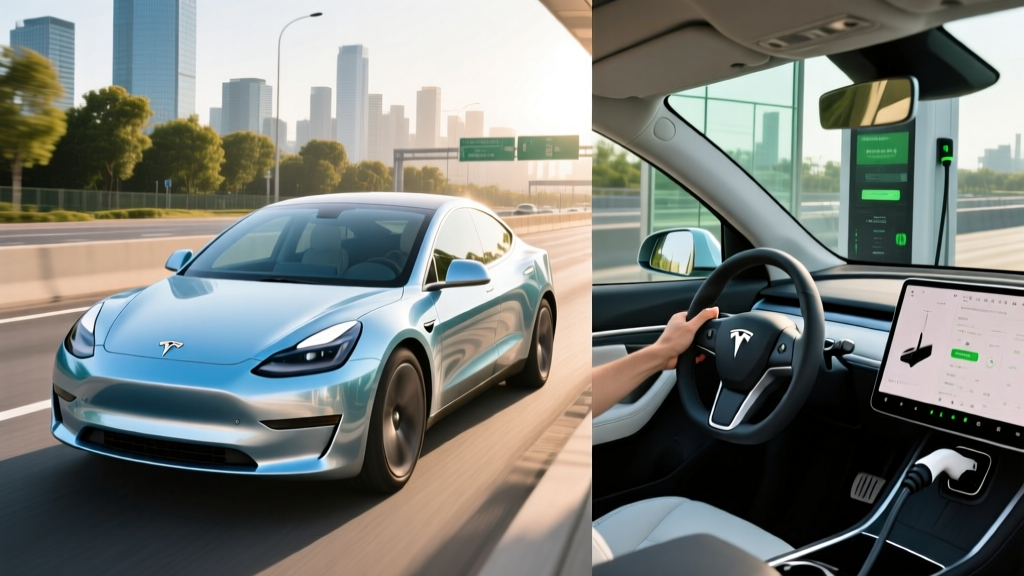
The refreshed Model 3 (internally "Highland") remains Tesla's volume sedan and the most affordable entry point into the Supercharger network. For 2026, the lineup includes RWD, Long Range AWD, and Performance trims.
| Spec | RWD | Long Range AWD | Performance |
|---|---|---|---|
| EPA Range | 272 mi | 341 mi | 315 mi |
| Battery (usable) | ~60 kWh | ~75 kWh | ~75 kWh |
| Chemistry | LFP | NMC | NMC |
| MPGe (combined) | 132 MPGe | 132 MPGe | 121 MPGe |
| 0-60 mph | 5.8 sec | 4.2 sec | 2.9 sec |
| Horsepower | 271 hp | 346 hp | 510 hp |
| Drivetrain | RWD | Dual Motor AWD | Dual Motor AWD |
| Cargo (trunk + frunk) | 21.0 cu ft | 21.0 cu ft | 21.0 cu ft |
| Rear Legroom | 35.3 in | 35.3 in | 35.3 in |
| Base MSRP | $38,990 | $45,990 | $52,990 |
Charging deep dive: The Model 3 Long Range and Performance support peak 250 kW on V3 Superchargers, but sustained rate averages closer to 150-170 kW across the full 10-80% session. The LFP RWD model peaks at 170 kW, making its 10-80% time about 3-4 minutes longer. On a home Level 2 charger (48A / 11.5 kW on a NEMA 14-50 or hardwired Wall Connector), all Model 3 variants add roughly 44 miles of range per hour — enough to fully replenish overnight.
Tax credit eligibility: The Model 3 RWD and Long Range have periodically qualified for the IRS §30D federal tax credit of up to $7,500, but eligibility depends on battery-component and critical-minerals sourcing requirements that shift annually. The vehicle must also fall under the $55,000 MSRP cap for sedans. Buyer income caps apply: $150,000 single / $300,000 joint AGI. Always verify current eligibility on the IRS website or via Tesla's checkout page, which now supports point-of-sale transfer of the credit.
Tesla Model Y: The Best-Selling EV's Charging Profile
The Model Y continues as America's best-selling EV. For 2026, the refreshed "Juniper" update brings revised styling, an improved interior, and a rear touchscreen for passengers. Charging hardware carries over from the prior generation.
| Spec | Long Range AWD | Performance |
|---|---|---|
| EPA Range | 320 mi | 298 mi |
| Battery (usable) | ~75 kWh | ~75 kWh |
| Chemistry | NMC | NMC |
| MPGe (combined) | 122 MPGe | 115 MPGe |
| 0-60 mph | 4.8 sec | 3.5 sec |
| Horsepower | 384 hp | 456 hp |
| Cargo (rear seats up) | 30.2 cu ft | 30.2 cu ft |
| Cargo (rear seats folded) | 72.1 cu ft | 72.1 cu ft |
| Rear Legroom | 39.1 in | 39.1 in |
| Base MSRP | $44,990 | $51,490 |
Charging in practice: The Model Y's crossover body means slightly higher energy consumption than the Model 3 on the same battery, so miles-per-hour charging rates are lower (~38 mi/hr on Level 2 vs ~44 mi/hr for the Model 3 LR). On a V3 Supercharger, the 250 kW peak holds roughly through 40% SoC before tapering. Expect 10-80% in about 24 minutes under ideal conditions (preconditioned battery, warm ambient temps). On a road trip, this translates to roughly 180-200 miles of driving between 20-minute charge stops.
Tax credit: The Model Y qualifies under the $80,000 MSRP cap for SUVs/pickups/vans. As with the Model 3, actual credit amount ($0, $3,750, or $7,500) depends on current battery-sourcing compliance. Check the fueleconomy.gov tax credit tracker for the latest status.
Tesla Model S and Model X: Premium Charging, Larger Batteries
The Model S sedan and Model X SUV share Tesla's largest battery pack (~95 kWh usable, NMC) and support 250 kW peak DC charging. While they don't match the charge-C-rate of smaller packs, their larger batteries mean more total range added per session.
| Spec | Model S LR | Model S Plaid | Model X LR | Model X Plaid |
|---|---|---|---|---|
| EPA Range | 402 mi | 359 mi | 335 mi | 320 mi |
| Battery (usable) | ~95 kWh | ~95 kWh | ~95 kWh | ~95 kWh |
| 0-60 mph | 3.1 sec | 1.99 sec | 3.8 sec | 2.5 sec |
| Horsepower | 670 hp | 1,020 hp | 670 hp | 1,020 hp |
| Cargo (behind 2nd row) | 25.0 cu ft | 25.0 cu ft | 37.1 cu ft | 37.1 cu ft |
| Seating | 5 | 5 | 5/6/7 | 5/6/7 |
| Base MSRP | $74,990 | $89,990 | $79,990 | $94,990 |
Charging note: Despite 250 kW peak, the Model S/X's large pack means 10-80% takes 28-30 minutes — longer than the Model 3 or Y. However, the Model S Long Range's 402-mile EPA rating means most road trips only require one charge stop per 300+ miles of driving, partially offsetting the longer dwell time. The Model S Plaid's 1.99-second 0-60 time remains the quickest production sedan benchmark, though efficiency drops to ~110 MPGe under spirited driving.
Tax credit caveat: Both Model S and Model X pricing exceeds the $55,000 sedan cap and approaches the $80,000 SUV cap. The Model X Long Range may qualify if priced under $80,000 and battery-sourcing rules are met. The Model S does not qualify for §30D as a sedan over $55,000. Confirm on IRS.gov before purchase.
Tesla Cybertruck: The Outlier — 800V Architecture and 350 kW Charging
The Cybertruck is the only Tesla currently utilizing an 800-volt architecture, enabling peak DC charging at up to 350 kW at V4 Superchargers. This is a meaningful advantage — but the truck's enormous ~123 kWh battery and poor aerodynamics offset some of the speed benefit.
| Spec | AWD | Cyberbeast |
|---|---|---|
| EPA Range | 340 mi | 320 mi |
| Battery (usable) | ~123 kWh | ~123 kWh |
| Chemistry | NMC | NMC |
| Peak DC Charge | 350 kW | 350 kW |
| 10-80% Time | ~28 min | ~28 min |
| 0-60 mph | 4.1 sec | 2.6 sec |
| Horsepower | 600 hp | 845 hp |
| Towing Capacity | 11,000 lbs | 11,000 lbs |
| Bed Length | 6 ft | 6 ft |
| Base MSRP | $79,990 | $99,990 |
Charging reality for Cybertruck: The 350 kW peak is impressive, but it only sustains briefly before tapering. The massive 123 kWh pack means even at high average charge rates, 10-80% takes ~28 minutes. Efficiency is the Cybertruck's weakness — at roughly 2.0 kWh/mile on the highway, it consumes significantly more energy per mile than any other Tesla, making charging costs higher and Supercharger stops more frequent when towing (expect range to drop 40-60% under heavy trailer loads).
Home Charging Setup: What Every Tesla Owner Needs
Over 80% of Tesla charging happens at home. Here's what to expect:
| Component | Estimated Cost | Notes |
|---|---|---|
| Tesla Wall Connector (hardware) | $475 | 48A / 11.5 kW max output |
| Electrician labor (standard install) | $500 – $1,500 | Depends on panel proximity |
| Electrical panel upgrade (if needed) | $1,500 – $3,500 | Required if panel lacks capacity for a 60A circuit |
| Permit / inspection | $50 – $300 | Varies by municipality |
| Total (typical) | $1,025 – $5,775 | Most homes with 200A panels: $1,000-$2,000 |
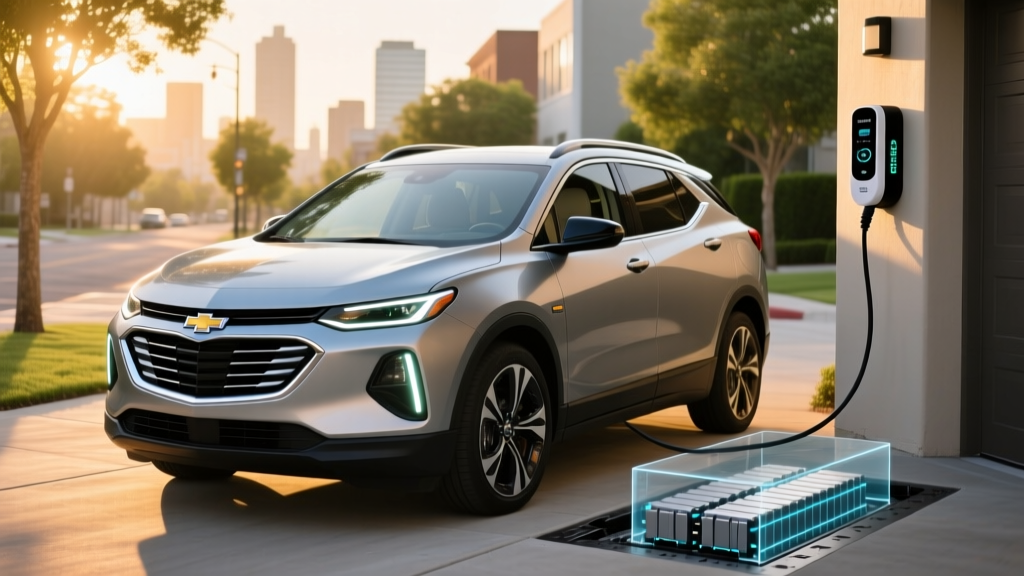
The Tesla Wall Connector delivers up to 11.5 kW (48 amps) on a 60A circuit, adding roughly 36-44 miles of range per hour depending on the model. A full charge from 10% to 100% takes 7-10 hours for most models — easily accomplished overnight. If your electrical panel is older or already near capacity, budget for a panel upgrade. Always have a licensed electrician perform the final installation and permit pull.
Mobile Connector alternative: Tesla's Mobile Connector (included or ~$200) provides Level 1 charging (120V / ~1.2 kW, ~3-5 mi/hr) on a standard outlet — sufficient for low-mileage commuters who drive under 30 miles daily. With a NEMA 14-50 adapter and a 240V outlet, it delivers up to 7.7 kW (~30 mi/hr), a reasonable mid-cost option.
Supercharger Network vs. Competitors: The Charging-Speed Advantage
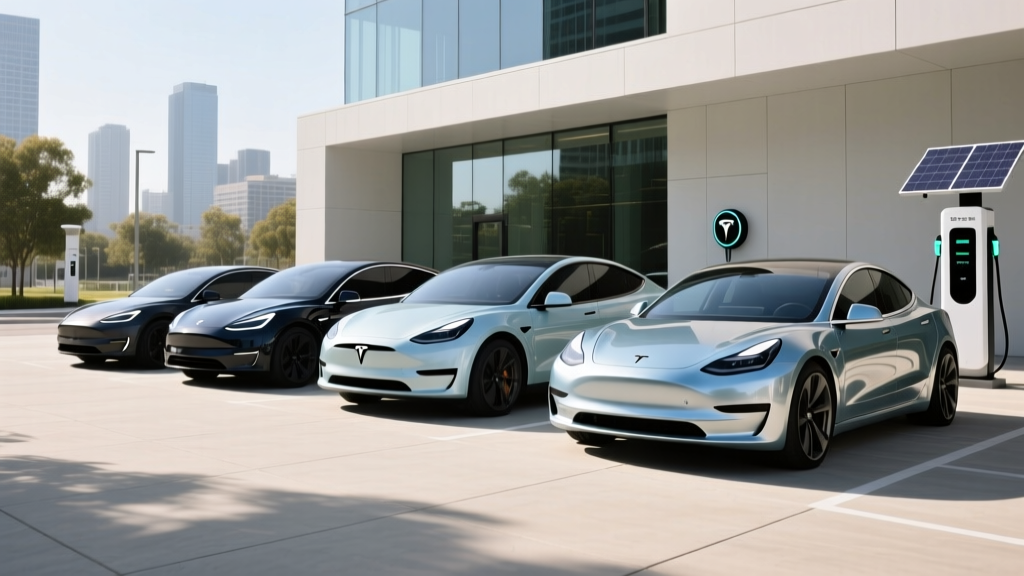
Tesla's Supercharger network remains the benchmark for public EV charging reliability. As of 2026, Tesla operates over 6,500 V3/V4 Superchargers in North America. V3 stalls deliver up to 250 kW; V4 stalls (with the integrated CCS/NACS cabinet) support up to 350 kW for compatible vehicles like the Cybertruck.
The advantage isn't just speed — it's plug-and-charge simplicity. Tesla vehicles authenticate automatically upon plugging in, with billing handled through your Tesla account. Competing networks (Electrify America, EVgo) have improved reliability but still require app authentication or RFID cards in many cases.
Non-Tesla EVs with NACS ports can now access Superchargers (with an adapter or native NACS inlet), but at reduced speeds in many cases due to vehicle-side charge-rate limitations. If charging infrastructure reliability is a top priority, Tesla's closed ecosystem remains the strongest argument for the brand.
Pros and Cons: Tesla Charging Ecosystem
Pros
- Supercharger network: most reliable, widest coverage in North America
- Plug-and-charge simplicity — no apps or cards needed
- 250 kW V3 charging widely available (not just flagship stalls)
- Excellent battery preconditioning for fast charging (auto-routes via navigation)
- Wall Connector is competitively priced at $475
- Over-the-air updates continuously improve charging algorithms
Cons
- LFP Model 3 RWD limited to 170 kW peak — slower road-trip charging
- No 800V architecture on Model 3/Y/S/X (Cybertruck only) — limits peak charge rate vs Hyundai/Kia/Porsche
- Supercharger pricing has risen — $0.30-$0.45/kWh in many markets
- Cybertruck efficiency is poor — high per-mile charging cost
- CCS adapter required for non-Tesla DC chargers (sold separately, ~$250)
- Charge curve tapers aggressively above 80% — charging to 100% at a Supercharger is very slow
Frequently Asked Questions
How long does it take to charge a Tesla at home?
Using a Tesla Wall Connector (11.5 kW / 48A), expect 7-10 hours for a full charge depending on the model's battery size. The Model 3 Long Range (~75 kWh) charges from 10% to 100% in roughly 7 hours. A standard 120V outlet (Level 1) adds only 3-5 miles per hour — suitable only for low-mileage drivers.
How long does it take to charge a Tesla at a Supercharger?
At a V3 Supercharger (250 kW), most Tesla models charge from 10% to 80% in 22-30 minutes. The Model 3 Long Range is fastest at ~22 minutes; the Cybertruck and Model X take ~28-30 minutes due to larger battery packs. Charging above 80% slows dramatically — expect an additional 20-30 minutes to go from 80% to 100%.
Does Tesla charge faster than other EVs?
Tesla's peak charge rates (250 kW for most models) are competitive but no longer class-leading. The Hyundai Ioniq 5 and Kia EV6 (800V architecture) can peak at 350 kW and achieve 10-80% in ~18 minutes. The Porsche Taycan also supports 350 kW. Tesla's advantage lies in the Supercharger network's reliability and ubiquity, not raw charge speed alone.
Does the Tesla Model 3 qualify for the $7,500 federal tax credit?
Eligibility varies based on battery-component sourcing, critical-minerals origin, buyer income ($150K single / $300K joint AGI cap), and the $55,000 MSRP cap for sedans. Some Model 3 trims have qualified at $7,500, others at $3,750, and some not at all depending on the manufacturing quarter. Verify current status on IRS.gov or at point of sale.
How much does it cost to charge a Tesla?
At home on average US electricity rates ($0.16/kWh), a full Model 3 Long Range charge costs ~$12. At a Supercharger ($0.30-$0.45/kWh), the same charge costs $22-$34. For comparison, fueling a 30 MPG gas car at $3.50/gallon for the same 341 miles costs ~$40.
Should I charge my Tesla to 100% every day?
No — for NMC battery models (Long Range, Performance), Tesla recommends a daily charge limit of 80% to maximize long-term battery health. Charge to 100% only before road trips. LFP models (Model 3 RWD) are an exception: Tesla recommends charging to 100% at least once weekly to maintain battery calibration.
What is the real-world range of a Tesla?
Real-world range typically falls 10-25% below EPA estimates depending on conditions. Highway driving at 75+ mph, cold weather, aggressive acceleration, and climate control all reduce range. A Model 3 Long Range rated at 341 EPA miles delivers ~270-290 highway miles in mild weather and ~210-250 miles in freezing conditions.
Sources: fueleconomy.gov (EPA range and MPGe data), IRS.gov (§30D tax credit rules), Tesla.com manufacturer specifications. Pricing and credit eligibility reflect 2026 model year and are subject to change.