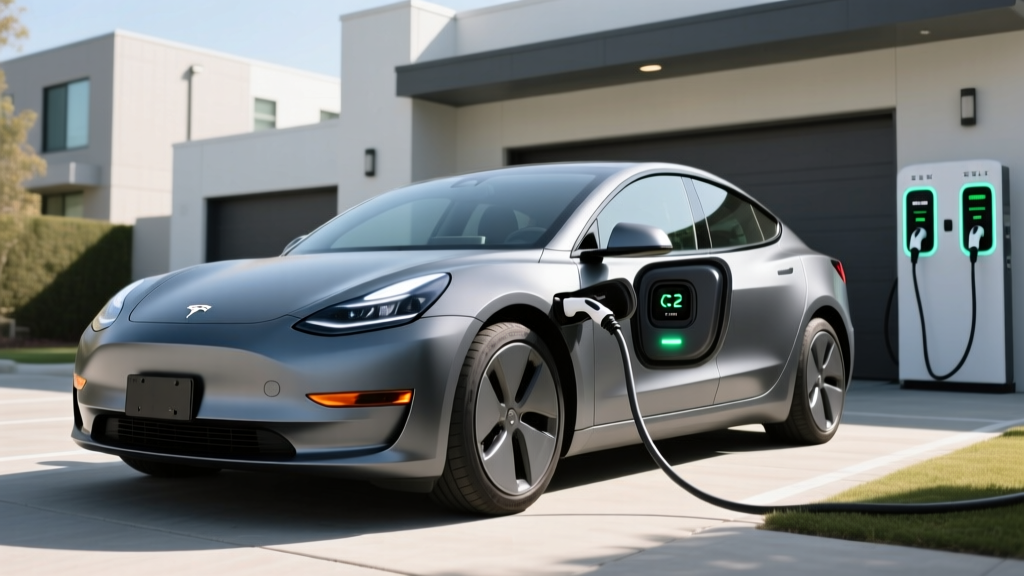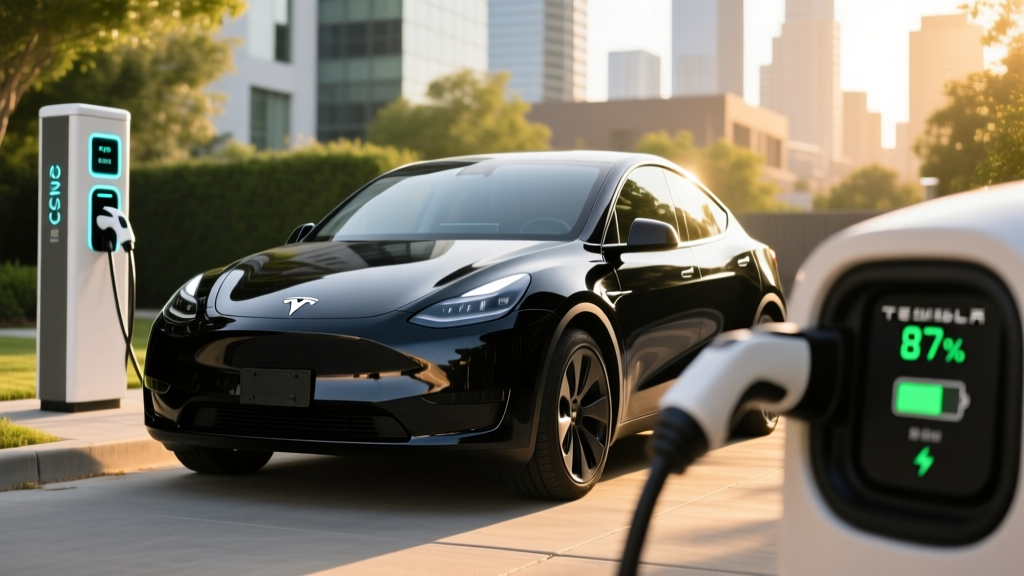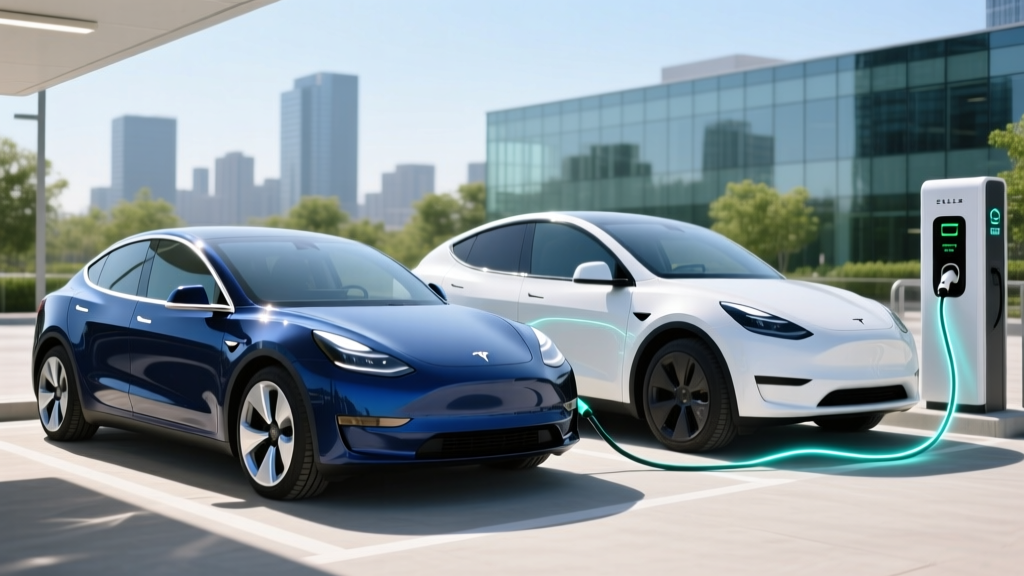
Tesla's Supercharger network is the gold standard for public EV charging, but the actual speed you experience depends on your specific model, battery chemistry, state of charge, and ambient temperature. If you've been searching for a straight answer on how fast do Teslas charge, you've likely found conflicting numbers — peak kW figures that never materialize, or anecdotal reports that don't match your setup. This guide breaks down the real charging performance of the 2026 Tesla Model 3 and Model Y lineups, pairing manufacturer specs with real-world expectations so you know exactly what to budget in time and money.
Quick Verdict: Tesla Charging Speeds at a Glance
The short answer: current Tesla vehicles peak between 170 kW and 250 kW on DC fast chargers, translating to roughly 15–25 minutes for a 10–80% session. But peak rate is only part of the story — the charge curve (how quickly power tapers as the battery fills) and battery chemistry (LFP vs. NMC) determine your actual stop time. Here's the full breakdown for the two most popular models.
| Specification | Model 3 RWD | Model 3 Long Range AWD | Model Y Long Range AWD | Model Y Performance |
|---|---|---|---|---|
| Battery Capacity (usable) | ~60 kWh (LFP) | ~75 kWh (NMC) | ~75 kWh (NMC) | ~75 kWh (NMC) |
| EPA Range | 272 mi | 341 mi | 320 mi | 293 mi |
| Max DC Fast Charge | 170 kW | 250 kW | 250 kW | 250 kW |
| 10–80% DCFC Time | ~25 min | ~18 min | ~20 min | ~20 min |
| Level 2 Home Charge (max) | 11.5 kW (44 mi/hr) | 11.5 kW (44 mi/hr) | 11.5 kW (44 mi/hr) | 11.5 kW (44 mi/hr) |
| 0–60 mph | 5.8 sec | 4.2 sec | 4.8 sec | 3.5 sec |
| Horsepower | 283 hp | 384 hp | 384 hp | 456 hp |
| Drivetrain | RWD | AWD (Dual Motor) | AWD (Dual Motor) | AWD (Dual Motor) |
| Base MSRP | $38,990 | $47,990 | $48,990 | $52,990 |
DC Fast Charging: The Real Numbers Behind the Peak
Tesla advertises up to 250 kW on V3 and V4 Superchargers, but understanding how fast Teslas charge requires looking beyond the headline figure. DC fast charging follows a curve, not a flat line. When you plug in at a low state of charge (SoC), the battery management system allows maximum current. As the battery fills past 50–60%, power tapers to protect cell longevity.
Charge Curve Reality: What You'll Actually See
On a V3 Supercharger (250 kW capable) with a Long Range Model 3 or Model Y starting at 10% SoC:
- 10–30%: Peak 230–250 kW sustained — this is where the fastest energy transfer happens
- 30–50%: Power drops to ~180–200 kW as cells warm and resistance increases
- 50–80%: Tapers from ~150 kW down to ~70–90 kW
- Above 80%: Sharp taper to ~40–50 kW — charging above 80% on DCFC is slow and expensive per mile added
The result: a 10–80% session in approximately 18–20 minutes for NMC (Long Range/Performance) trims. The LFP-equipped Model 3 RWD peaks at a lower 170 kW, making its 10–80% time closer to 25 minutes. LFP chemistry accepts charge more slowly at peak but tolerates regular 100% charging better than NMC, which is a trade-off worth understanding.
kW (kilowatts) measures the rate of energy flow — like water pressure in a hose. kWh (kilowatt-hours) measures total energy capacity — like the size of the tank. A 250 kW charger doesn't deliver 250 kWh in one hour; it delivers energy at up to 250 kW at peak, tapering as the battery fills. This is why we measure charge sessions in time-to-80%, not a single kW number.
Supercharger Network vs. Third-Party DCFC
Tesla's native NACS connector and Supercharger network remain the most reliable DC fast-charging experience in the US, with consistent plug-and-charge functionality and real-time stall availability in the navigation system. However, since Tesla opened Superchargers to other brands and adopted NACS as an industry standard, you may encounter occupied stalls at peak travel times on major corridors.
When using third-party networks (Electrify America, EVgo) with a NACS-to-CCS adapter, expect slightly slower peak speeds due to adapter overhead and varying station maintenance. In our experience, a 250 kW-capable Tesla on a 350 kW Electrify America station typically peaks around 200–220 kW — roughly 10–15% slower than on a native V3 Supercharger.
Home Level 2 Charging: Overnight Speeds That Matter Most
For the 80%+ of charging that happens at home, Level 2 speed is what determines your daily usability. All 2026 Model 3 and Model Y vehicles accept up to 11.5 kW on Level 2 AC power via a 48-amp circuit. This requires a hardwired Wall Connector on a 60-amp breaker — not a standard outlet.
| Charging Setup | Power (kW) | Miles of Range per Hour | Full Charge Time (10–100%) | Electrical Requirement |
|---|---|---|---|---|
| Tesla Wall Connector (48A) | 11.5 kW | ~44 mi/hr | ~6.5–8 hours | 60-amp breaker, hardwired |
| Wall Connector (32A) | 7.7 kW | ~30 mi/hr | ~10–12 hours | 40-amp breaker |
| Mobile Connector (240V, 32A) | 7.7 kW | ~30 mi/hr | ~10–12 hours | NEMA 14-50 outlet, 40-amp breaker |
| Mobile Connector (120V, 12A) | 1.4 kW | ~3–5 mi/hr | ~48+ hours | Standard 15A household outlet |
Installation cost reality: A Tesla Wall Connector unit costs $475. Professional installation by a licensed electrician typically runs $800–$2,500 depending on the distance from your electrical panel to the garage or parking spot. If your home has a 100-amp main panel and you're already running high-draw appliances, a panel upgrade to 200 amps may be required — adding $1,500–$3,500. Always get a quote from a licensed electrician before committing.
For most owners driving 30–50 miles per day, even a 32-amp (7.7 kW) setup replenishes overnight usage with hours to spare. The 48-amp setup becomes essential if you regularly deplete the battery below 30% and need a full recharge before morning.
Real-World Range: What the EPA Sticker Doesn't Tell You
EPA range estimates for the 2026 Model 3 and Model Y are published on fueleconomy.gov, but real-world results vary significantly based on driving style, temperature, and terrain. Here's what to actually expect:
Model 3 Long Range AWD (EPA 341 mi): Expect 280–300 mi on sustained highway driving at 70–75 mph. In winter conditions (below 32°F), plan for 230–260 mi due to cabin heating load and reduced battery efficiency. City driving with regenerative braking can match or slightly exceed the EPA estimate at 340–360 mi.
Model Y Long Range AWD (EPA 320 mi): Highway reality is 260–285 mi. Cold weather drops this to 210–240 mi. The Model Y's taller, less aerodynamic profile and heavier curb weight account for the larger gap versus its sedan sibling.
Model 3 RWD (EPA 272 mi): Highway range lands around 225–245 mi; cold weather as low as 185–210 mi. The LFP battery's lower energy density is the trade-off for its lower cost and longer cycle life.
These figures assume moderate climate control usage. Preconditioning the battery while plugged in — a feature Tesla enables through scheduled departure settings — recovers 5–10% of range in cold weather by warming the cells before you drive.
Pricing, Trims, and Federal Tax Credit Eligibility
Tesla's pricing has stabilized after years of volatility, but understanding your out-of-pocket cost requires navigating the IRS §30D federal tax credit rules, which have specific requirements that change periodically.
| Model / Trim | Base MSRP | As-Tested (typical config) | §30D Credit Potential | Effective Price |
|---|---|---|---|---|
| Model 3 RWD | $38,990 | $39,990 | Up to $7,500* | ~$32,490* |
| Model 3 Long Range AWD | $47,990 | $50,490 | Up to $7,500* | ~$42,990* |
| Model Y Long Range AWD | $48,990 | $51,490 | Up to $7,500* | ~$43,990* |
| Model Y Performance | $52,990 | $55,990 | Up to $7,500* | ~$48,490* |
*Critical §30D eligibility caveats: The federal clean vehicle credit is not guaranteed for every buyer or every Tesla. Current rules require:
- MSRP cap: SUVs (Model Y) must be under $80,000; sedans (Model 3) under $55,000. All current trims qualify.
- Buyer income cap: Modified adjusted gross income must not exceed $150,000 (single), $225,000 (head of household), or $300,000 (joint filing).
- Battery sourcing requirements: A percentage of critical minerals and battery components must be sourced from the US or free-trade-agreement countries. These thresholds tighten annually and can split the credit into two halves ($3,750 + $3,750). Tesla's supply chain has generally met these requirements, but always verify the specific VIN's eligibility on the IRS portal before purchase.
- Point-of-sale transfer: As of 2024, eligible buyers can transfer the credit to the dealer (Tesla) at purchase, reducing the purchase price directly rather than waiting for a tax refund.
Consult a tax professional and verify current eligibility at irs.gov before relying on the credit in your budget.
Performance, Interior, and Daily Livability
Beyond charging, these are the numbers that define ownership:
Performance Specs
The Model 3 RWD delivers 283 hp and a 5.8-second 0–60 mph — brisk for a daily commuter. Step up to the Long Range AWD and you get 384 hp with a 4.2-second sprint, thanks to dual-motor all-wheel drive. The Model Y Performance tops the lineup at 456 hp and 3.5 seconds, rivaling sports sedans at twice the price.
Cargo and Passenger Space
The Model 3 offers 23 cu ft of trunk space plus a small frunk — adequate for groceries and carry-on luggage but tight for family road trips. Rear legroom measures 35.3 inches, comfortable for adults on shorter trips.
The Model Y's hatchback design is the practicality winner: 30.2 cu ft behind the second row, expanding to 72.1 cu ft with seats folded. Rear legroom stretches to 41.6 inches. The optional third row (76 cu ft max cargo) is best suited for small children on short trips.
Technology and Driver Assistance
All 2026 Teslas ship with a 15.4-inch center touchscreen running Tesla's proprietary infotainment — no Apple CarPlay or Android Auto, but native navigation, streaming, and gaming are deeply integrated. The Tesla app provides remote preconditioning, charge monitoring, and location tracking.
Standard Autopilot provides SAE Level 2 driver assistance — adaptive cruise control and lane centering that require your hands on the wheel and eyes on the road at all times. Full Self-Driving (Supervised) adds automated lane changes, navigation-based routing, and traffic-light recognition for an additional $8,000 or $99/month subscription. Despite the name, FSD remains a Level 2 system — it is not autonomous driving and requires constant supervision.
Efficiency and Ownership Costs
Tesla's powertrain efficiency remains among the best in the EV market, measured in MPGe (miles per gallon equivalent) and kWh per 100 miles:
- Model 3 Long Range AWD: 131 MPGe combined / 26 kWh/100 mi
- Model Y Long Range AWD: 122 MPGe combined / 28 kWh/100 mi
- Model 3 RWD: 132 MPGe combined / 25 kWh/100 mi
At the US average electricity rate of ~$0.17/kWh, charging a Model 3 Long Range from empty to full at home costs roughly $12.75 — equivalent to about $1.00 per gallon of gasoline. Supercharger pricing varies by location and time of day, typically $0.25–$0.40/kWh, still delivering meaningful savings versus premium gasoline.
Battery and Powertrain Warranty
Tesla covers the battery and drive unit for 8 years or 120,000 miles (Long Range/Performance) or 8 years or 100,000 miles (RWD), whichever comes first, with a minimum 70% capacity retention threshold. The basic vehicle warranty is 4 years or 50,000 miles. Real-world degradation data from high-mileage Tesla owners shows most NMC packs retaining 88–92% capacity at 100,000 miles, while LFP packs tend to degrade even more slowly due to their chemistry's inherent longevity.
Pros, Cons, and Who Should Buy
✅ Pros
- Supercharger network reliability — still the most seamless public charging experience
- Class-leading efficiency (kWh/100 mi) stretches every dollar of electricity
- Over-the-air updates continuously add features and refine performance
- Strong resale value relative to most EV competitors
- Model Y hatchback practicality for families
- LFP battery option (Model 3 RWD) offers long cycle life and 100% daily charging tolerance
❌ Cons
- No Apple CarPlay or Android Auto — Tesla-only ecosystem
- Minimalist interior lacks physical controls; all adjustments route through the touchscreen
- FSD (Supervised) costs $8,000 extra and remains Level 2, not autonomous
- Model 3 trunk space is limited for its class
- Ride quality on sport trims can be firm on rough roads
- Supercharger stalls increasingly shared with non-Tesla EVs on busy corridors
Who This EV Suits Best
Model 3 RWD: Budget-conscious commuters who charge at home, drive under 50 miles daily, and want the lowest entry price with LFP longevity. Not ideal for frequent long road trips due to lower range and slower DCFC.
Model 3 Long Range / Model Y Long Range: The sweet spot for most buyers. Fast 250 kW charging, 300+ mile real-world range in fair conditions, AWD capability, and enough room for a small family. Best for mixed commuting and road-trip duty.
Model Y Performance: Enthusiasts who want sports-SUV acceleration with daily practicality. The 3.5-second 0–60 and upgraded brakes come at a range and price premium.
Frequently Asked Questions
How fast do Teslas charge at a Supercharger in real-world conditions?
Long Range and Performance models (NMC battery) charge from 10–80% in approximately 18–20 minutes at a V3 or V4 Supercharger under moderate temperatures. The Model 3 RWD (LFP battery) takes about 25 minutes due to its lower 170 kW peak rate. Cold weather (below 40°F) can add 3–7 minutes unless you precondition the battery via navigation routing to the charger.
Does the Tesla Model 3 or Model Y qualify for the $7,500 federal tax credit?
Both models currently qualify for up to $7,500 under IRS §30D, provided the buyer meets income caps ($150K single / $300K joint), the vehicle MSRP is within limits (all current trims are), and the battery meets critical-mineral and component-sourcing thresholds for the model year. Eligibility can change — verify at irs.gov before purchasing and consider the point-of-sale transfer option to apply the credit at checkout.
How much does it cost to install a Tesla home charger?
The Tesla Wall Connector unit costs $475. Professional installation typically ranges from $800 to $2,500 for a standard setup. If your electrical panel needs upgrading from 100A to 200A, add $1,500–$3,500. A NEMA 14-50 outlet installation for the Mobile Connector is a lower-cost alternative at $500–$1,500, delivering 7.7 kW (30 mi/hr).
Is Tesla's Full Self-Driving actually self-driving?
No. FSD (Supervised) is an SAE Level 2 driver-assistance system, the same automation category as GM Super Cruise and Ford BlueCruise. You must remain attentive, keep your hands available, and be prepared to take over at any moment. True self-driving (Level 4) is currently only available through commercial robotaxi services like Waymo in limited metro areas.
How does Tesla charging speed compare to competitors?
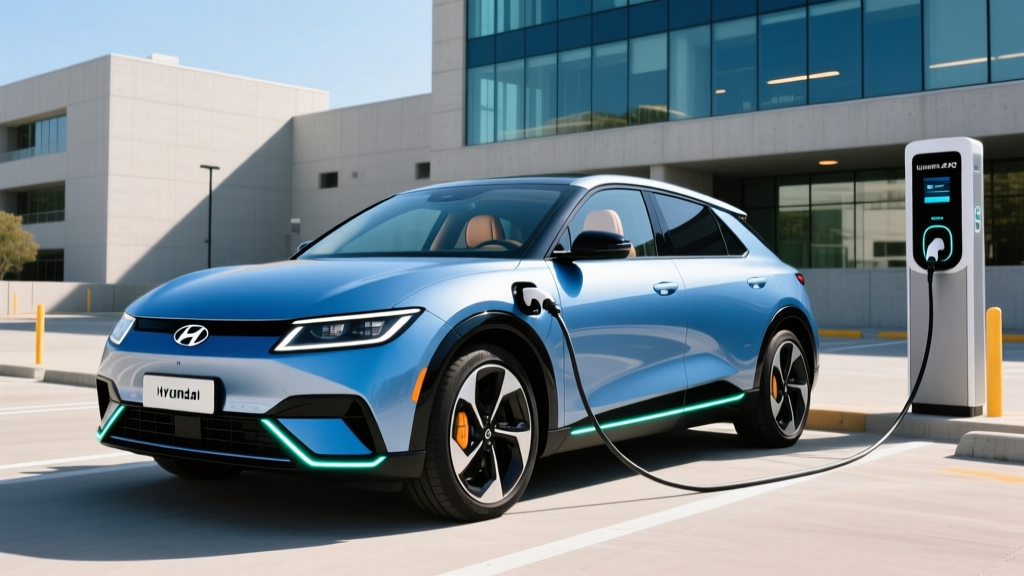
Tesla's 250 kW peak is competitive but no longer class-leading. The Hyundai Ioniq 5 and Kia EV6 can peak at 350 kW on 800V architecture, achieving 10–80% in approximately 18 minutes under ideal conditions. However, Tesla's advantage lies in the Supercharger network's reliability and ubiquity — a 250 kW charger that works every time often beats a 350 kW charger that's offline or occupied.
What is the real-world range of the Tesla Model Y?
The Model Y Long Range AWD carries an EPA rating of 320 miles. In real-world highway driving at 70–75 mph, expect 260–285 miles. In winter conditions below freezing, plan for 210–240 miles. City driving with regenerative braking can approach or slightly exceed the EPA figure.