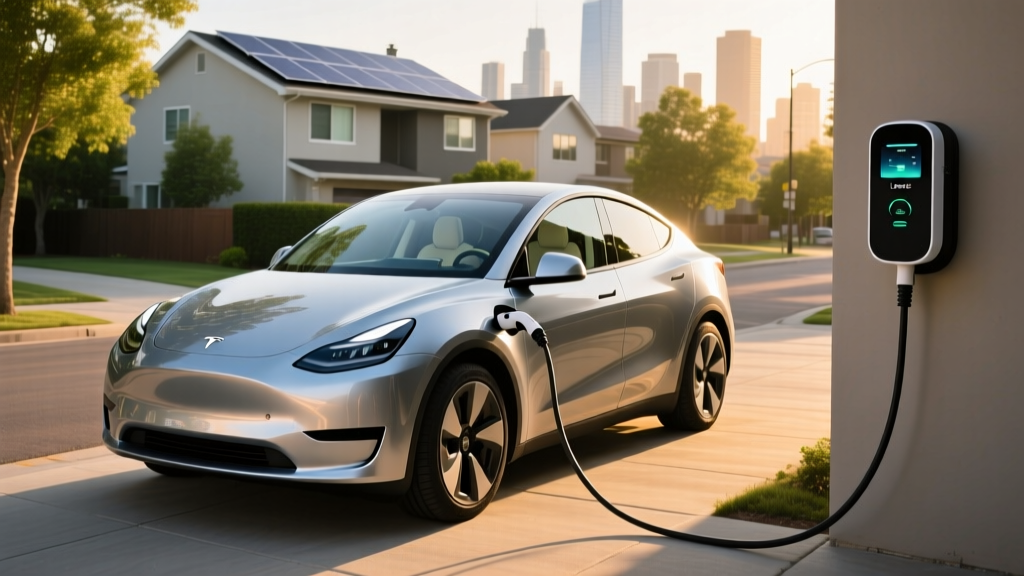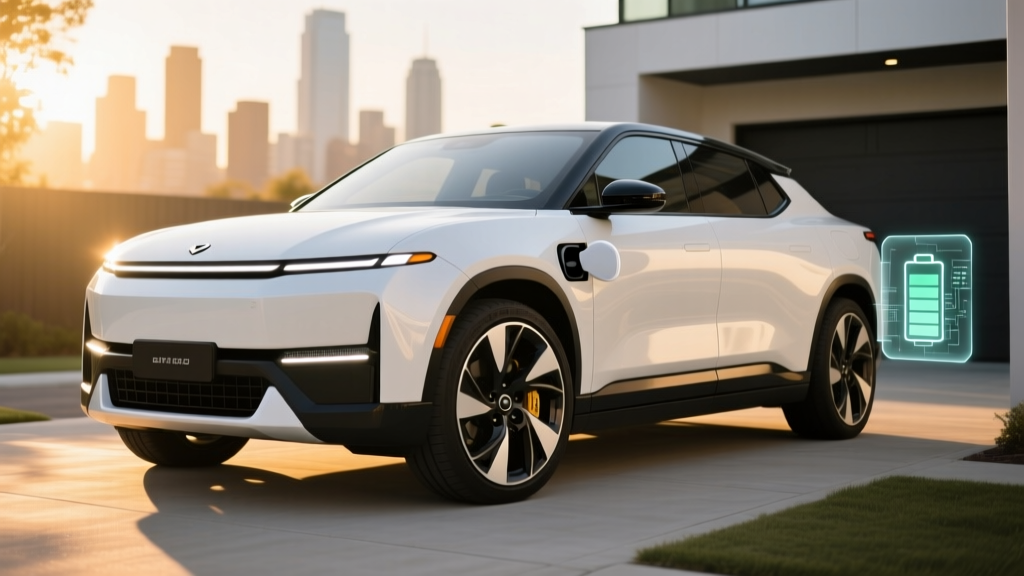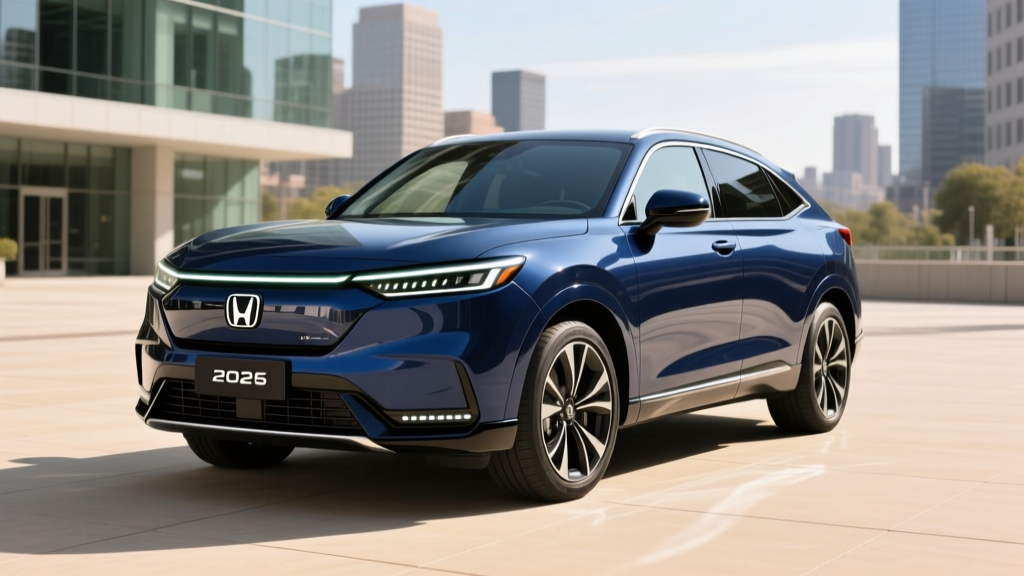
The Honda Prologue entered the electric SUV market as Honda's first mass-market battery-electric vehicle, and the 2026 model year refines the formula. Built on General Motors' Ultium platform through a Honda-GM partnership, the Prologue slots into the competitive midsize electric crossover segment alongside the Hyundai Ioniq 5, Ford Mustang Mach-E, and Chevrolet Blazer EV. But with three distinct trim levels — EX, Touring, and Elite — choosing the right configuration requires understanding what each delivers in range, charging, tech, and value.
This guide breaks down every 2026 Honda Prologue trim with exact specifications, real-world range expectations, charging performance, and federal tax credit implications so you can make a data-driven decision.
2026 Honda Prologue Trim Lineup at a Glance
| Specification | EX (FWD) | EX (AWD) | Touring (AWD) | Elite (AWD) |
|---|---|---|---|---|
| Base MSRP | $47,400 | $50,400 | $54,700 | $59,200 |
| EPA Range | 308 mi | 291 mi | 291 mi | 283 mi |
| Battery (usable) | 85 kWh, NMC (Nickel Manganese Cobalt) | |||
| Horsepower | 212 hp | 288 hp | 288 hp | 288 hp |
| 0-60 mph | ~8.1 sec | ~6.0 sec | ~6.0 sec | ~6.0 sec |
| Drivetrain | FWD (single motor) | AWD (dual motor) | AWD (dual motor) | AWD (dual motor) |
| Max DC Fast Charge | 150 kW (peak) | |||
| 10-80% DC Time | ~35 minutes | |||
| Level 2 Home Charge | 11.5 kW (~37 mi/hr) | |||
| MPGe (combined) | 94 MPGe | 89 MPGe | 89 MPGe | 87 MPGe |
| Efficiency | 36 kWh/100mi | 38 kWh/100mi | 38 kWh/100mi | 39 kWh/100mi |
All 2026 Prologue trims share the same 85 kWh usable Ultium battery pack with NMC chemistry. The range differences stem from drivetrain losses in the dual-motor AWD setup and the Elite's larger 21-inch wheels, which increase rolling resistance. If maximizing range is your priority, the FWD EX is the clear winner.
Real-World Range: What the EPA Number Doesn't Tell You
The EPA-rated 308 miles (FWD EX) assumes a mix of city and highway driving at moderate temperatures. In real-world conditions:
- Highway driving (70-75 mph): Expect 250-270 miles in the FWD EX. Higher speeds increase aerodynamic drag significantly in a crossover of this size.
- Cold weather (below 32°F): Range drops 20-30%, putting the FWD EX at roughly 215-245 miles and AWD trims at 200-230 miles. The Prologue lacks a heat pump (standard on competitors like the Ioniq 5), so cabin heating draws directly from the traction battery.
- City/commuter driving: You'll see range closest to or slightly above the EPA estimate thanks to regenerative braking recovery in stop-and-go traffic.
According to fueleconomy.gov, the FWD Prologue EX achieves 94 MPGe combined. That translates to roughly 36 kWh per 100 miles — competitive with the Blazer EV but trailing the Ioniq 5 Long Range's efficiency of around 30 kWh/100mi.
Charging Performance: DC Fast Charging and Home Setup
The Prologue's 150 kW peak DC fast-charging rate is adequate but not class-leading. Competitors like the Ioniq 5 (peak 240 kW on 800V architecture) and the Tesla Model Y (peak 250 kW) replenish considerably faster on long road trips.
| Charging Level | Power | Speed | Notes |
|---|---|---|---|
| Level 1 (120V household) | ~1.4 kW | ~4-5 mi/hr | Emergency/top-up only; a full charge takes 60+ hours |
| Level 2 (240V home) | 11.5 kW | ~37 mi/hr | Full 0-100% in ~9 hours; requires a 48A circuit on a 60A breaker |
| DC Fast Charge | 150 kW peak | 10-80% in ~35 min | Peak rate sustained to ~55% SoC, then tapers progressively; CCS connector (NACS adapter available) |
Charging curve reality: The 150 kW peak only holds through roughly 55% state of charge. Beyond that, the rate drops to around 100 kW, then further tapers above 80%. This is standard for NMC packs protecting longevity, but it means that final 80-100% top-up adds considerable time. On road trips, plan to charge from 10-80% and move on rather than waiting for a full battery.
For home charging, Honda includes a dual-level portable charging cord with every Prologue. For optimal daily charging, budget $800-$1,500 for a hardwired Level 2 wallbox installation (depending on panel capacity and run length). The Prologue's onboard charger accepts up to 11.5 kW, so a 48-amp charger is the sweet spot — no benefit from a 64A or 80A unit.
Trim-by-Trim Breakdown: EX, Touring, and Elite
Prologue EX — The Value Pick
Starting at $47,400 (FWD) or $50,400 (AWD), the EX trim delivers the essentials without major compromises. Standard equipment includes:
- 11.3-inch touchscreen with wireless Apple CarPlay and Android Auto
- Google Built-in (Google Maps, Google Assistant, Play Store)
- Honda Sensing suite (adaptive cruise, lane-keeping, collision mitigation)
- 19-inch alloy wheels
- Heated front seats, heated steering wheel
- Wireless phone charging pad
- Power liftgate
The EX is the trim to choose if range maximization matters most. The FWD configuration delivers the full 308-mile EPA rating and the lowest cost of entry.
Prologue Touring — The Balanced Choice
At $54,700, the Touring adds premium features while retaining the same 291-mile AWD range:
- Leather-trimmed seats
- Ventilated front seats
- 12-speaker Bose premium audio
- Head-up display
- 360-degree camera system
- Hands-free power liftgate
- Auto-dimming side mirrors
The Touring is the sweet spot for buyers who want dual-motor AWD traction and a more refined cabin without stepping to the Elite's price premium.
Prologue Elite — Fully Loaded
The range-topping Elite at $59,200 adds:
- 21-inch alloy wheels (reduces range to 283 mi)
- Panoramic moonroof
- Heated rear seats
- Heated rear steering wheel zone
- Rain-sensing wipers
- Unique interior ambient lighting
The Elite sacrifices 8 miles of EPA range compared to the Touring due to its larger, heavier wheels. Unless the panoramic roof and 21-inch aesthetics are non-negotiable, the Touring offers better value.
Federal Tax Credit and True Cost by Trim
All 2026 Honda Prologue trims currently qualify for the full $7,500 federal EV tax credit under IRS §30D, provided the buyer meets income requirements. The Prologue is assembled in the U.S. (at GM's Spring Hill, Tennessee plant) and meets battery component and critical mineral sourcing thresholds for the 2026 tax year.
- Buyer AGI limits: $150,000 (single), $225,000 (head of household), $300,000 (married filing jointly)
- MSRP cap: $80,000 for SUVs — all Prologue trims qualify
- Vehicle assembly: Must be assembled in North America — Prologue qualifies
- Battery sourcing: Must meet critical mineral and battery component thresholds — Prologue qualifies for 2026
- Point-of-sale transfer: You can transfer the credit to the dealer for an immediate $7,500 price reduction at purchase
| Trim | Base MSRP | After $7,500 Credit | Est. Destination | Effective Price |
|---|---|---|---|---|
| EX (FWD) | $47,400 | $39,900 | $1,350 | $41,250 |
| EX (AWD) | $50,400 | $42,900 | $1,350 | $44,250 |
| Touring (AWD) | $54,700 | $47,200 | $1,350 | $48,550 |
| Elite (AWD) | $59,200 | $51,700 | $1,350 | $53,050 |
Important caveat: Tax credit eligibility rules around battery sourcing and critical minerals are subject to change. Always verify current requirements at irs.gov before purchasing, and consult a tax professional to confirm your personal eligibility. The point-of-sale transfer option means you don't need to wait until tax filing — the dealer applies the $7,500 reduction at signing if you qualify.
Cargo Space, Interior, and Practicality
The Prologue offers competitive interior volume for a two-row midsize electric SUV:
- Cargo behind rear seats: 25.2 cubic feet
- Cargo with rear seats folded: 57.7 cubic feet
- Front legroom: 41.4 inches
- Rear legroom: 38.6 inches
- No front trunk (frunk): The Ultium platform packaging leaves no under-hood storage — a notable omission versus the Ioniq 5 and Mach-E
Rear-seat space is generous for adults on longer trips. The flat floor (no transmission tunnel) makes the middle seat usable. However, the absence of a frunk means all cargo must go in the rear, and the 25.2 cu-ft figure trails the Model Y's 30.2 cu-ft rear cargo area. For families with strollers or frequent road-trippers, this is worth noting.
Warranty and Long-Term Ownership
Honda backs the Prologue with solid warranty coverage:
- Battery pack: 8 years / 100,000 miles (capacity retention warranty — covers degradation below 70% of original capacity)
- Powertrain: 5 years / 60,000 miles
- Bumper-to-bumper: 3 years / 36,000 miles
- Roadside assistance: 3 years / 36,000 miles
The 8-year/100,000-mile battery warranty is industry-standard and matches competitors. Honda's NMC pack includes active thermal management (liquid cooling and heating), which helps mitigate long-term degradation. Based on Ultium platform data from GM vehicles sharing this architecture, expect approximately 8-12% total degradation over the first 100,000 miles under normal use — meaning a 308-mile FWD EX might show 270-283 miles of range at that milestone.
Pros and Cons
- Competitive 308-mile max range (FWD EX)
- Qualifies for full $7,500 federal tax credit
- Spacious rear seat with flat floor
- Google Built-in infotainment is responsive and familiar
- Honda Sensing ADAS standard across all trims
- Dual-motor AWD available with strong 288 hp output
- Quiet, composed ride quality on highway
- 150 kW peak charging is slow vs. 800V competitors (Ioniq 5 at 240 kW)
- No heat pump — cold-weather range loss is significant
- No frunk (front trunk) for additional cargo
- Elite trim's 21-inch wheels sacrifice range for aesthetics
- One-pedal driving mode is not as aggressive or intuitive as rivals
- Rear visibility is limited; 360-degree camera (Touring+) recommended
Who Should Buy the 2026 Honda Prologue?
- You want maximum range (308 mi) at the lowest price point
- You live in a mild climate where AWD is unnecessary
- You commute under 60 miles daily and charge at home
- You need dual-motor AWD for snow/rain traction
- You value premium features (Bose audio, ventilated seats, HUD)
- You want the best balance of equipment and price
- Fast road-trip charging is critical (Ioniq 5 or Model Y charge 30-40% faster)
- You need a frunk or maximum cargo volume
- You frequently drive in sub-freezing climates (the lack of a heat pump hurts)
The Prologue makes the most sense for Honda-loyal buyers transitioning to electric who prioritize a familiar brand, strong tax-credit value, and comfortable daily commuting over bleeding-edge charging speed. For road-trip-heavy households in cold climates, the Hyundai Ioniq 5 or Tesla Model Y remain more practical alternatives thanks to faster charging and heat pump efficiency.
Frequently Asked Questions
What is the real-world range of the Honda Prologue?
The FWD EX achieves 308 miles EPA-rated, but expect 250-270 miles in real-world highway driving and as low as 215-245 miles in cold weather below freezing. AWD trims lose an additional 17-25 miles from the EPA figure in practice.
How fast does the Prologue charge?
On DC fast charging, the Prologue peaks at 150 kW and charges from 10-80% in approximately 35 minutes. At home on a Level 2 charger (240V, 48A), it adds about 37 miles of range per hour, fully replenishing the battery in roughly 9 hours.
Does the Honda Prologue qualify for the $7,500 federal EV tax credit?
Yes, all 2026 Prologue trims currently qualify for the full $7,500 §30D credit, assuming the buyer meets IRS income caps ($150K single / $300K joint) and the vehicle's battery sourcing requirements hold for the 2026 tax year. The credit can be transferred to the dealer at point of sale for an immediate price reduction. Verify current rules at irs.gov.
Is the Honda Prologue worth buying vs. the Hyundai Ioniq 5 or Tesla Model Y?
The Prologue offers strong value after the tax credit and a comfortable, spacious cabin. However, the Ioniq 5 charges significantly faster (240 kW peak, 10-80% in ~18 min) and includes a heat pump. The Model Y offers a Supercharger network advantage, a frunk, and more cargo space. If you charge primarily at home and don't road-trip frequently, the Prologue's value proposition is compelling. If public charging speed matters, look elsewhere.
What are the biggest drawbacks of the Prologue?
The three main limitations are: (1) relatively slow 150 kW DC fast charging versus competitors, (2) no heat pump, leading to pronounced cold-weather range loss, and (3) no front trunk (frunk) for additional storage.
Does the Prologue have a front trunk (frunk)?
No. The Ultium platform packaging in the Prologue does not include a front trunk. All cargo must go in the rear cargo area (25.2 cu ft behind the second row, 57.7 cu ft with seats folded).