The Prologue at a Glance: What You're Getting
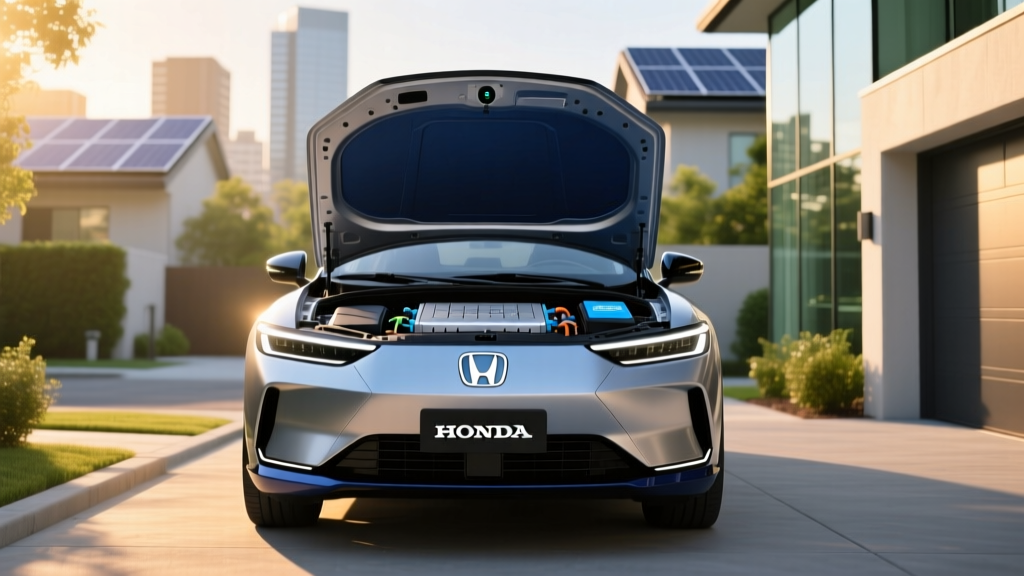
Honda's first mass-market electric SUV arrived with a clear mission: offer a comfortable, midsize crossover with familiar styling and competitive range — without the learning curve of more polarizing EVs. The 2025 Honda Prologue is built on GM's Ultium platform (shared with the Chevrolet Blazer EV and Cadillac Lyriq), which gives it solid bones. But the real story for many shoppers is the aggressive leasing strategy Honda has deployed, pairing manufacturer incentives with federal tax-credit pass-through to make monthly payments surprisingly attainable.
If you've been searching for a Honda Prologue lease deal, you've likely seen headlines about sub-$300/month offers. This review digs into the actual numbers — range, charging, pricing after incentives, and real-world usability — so you can determine whether the Prologue deserves a spot in your driveway or if a competitor better fits your needs.
| Spec | EX (FWD) | Touring (AWD) |
|---|---|---|
| EPA Range | 296 miles | 273 miles |
| Battery (Usable) | 85 kWh, NMC (Ultium) | |
| Horsepower | 212 hp | 288 hp |
| 0–60 mph | ~7.5 sec | ~6.2 sec |
| Max DC Fast Charge | 150 kW (peak) | |
| 10–80% DCFC Time | ~35 minutes | |
| Level 2 Home Charging | 11.5 kW (~32 mi/hr) | |
| EPA Efficiency (EX FWD) | 99 MPGe combined (34 kWh/100mi) | |
| Cargo (Behind Rear Row) | 25.2 cu ft | |
| Cargo (Rear Seats Folded) | 57.7 cu ft | |
| Base MSRP | $47,400 | $53,400 |
| Battery/Powertrain Warranty | 8 years / 100,000 miles | |
Real-World Range: What the EPA Sticker Doesn't Tell You
EPA Rated: 296 miles (EX FWD) / 273 miles (Touring AWD)
Real-World Highway (70–80 mph, moderate temps): Expect ~235–255 miles
Cold Weather (below 32°F, highway): Expect ~190–220 miles
Mixed Commuting (city + suburban): Closer to EPA, ~260–280 miles
The Prologue's 85 kWh usable NMC battery delivers competitive range on paper, but real-world results depend heavily on how and where you drive. In our experience and consistent with third-party testing, highway driving at sustained speeds above 70 mph reduces efficiency noticeably — the Prologue's boxy crossover shape creates more aerodynamic drag than sleeker competitors like the Hyundai Ioniq 5 or Tesla Model Y.
Cold weather compounds this. Lithium-ion NMC chemistry loses roughly 15–25% of usable capacity in freezing temperatures, and cabin heating (the Prologue uses a heat pump, which helps) still draws significant energy. If your commute involves 40+ miles of highway in winter, plan conservatively and charge more frequently than the EPA number suggests.
For city-heavy drivers, regenerative braking recovers energy effectively, and the Prologue's one-pedal driving mode (activated via steering-wheel paddles) makes stop-and-go traffic nearly effortless while maximizing range recovery.
Charging Speed: Home and DC Fast Charging Breakdown
| Level | Power | Connector | Speed (Miles Added/Hour) | Best For |
|---|---|---|---|---|
| Level 1 (120V) | 1.4 kW | J1772 (NACS adapter available) | ~4 mi/hr | Overnight top-up, emergencies |
| Level 2 (240V) | 11.5 kW | J1772 / NACS (w/ adapter) | ~32 mi/hr | Daily home charging |
| DC Fast Charge | 150 kW peak | CCS (NACS adapter for Superchargers) | ~150 mi in 30 min (10–80%) | Road trips |
The Prologue's 150 kW peak DC fast-charge rate is adequate but not class-leading. Competitors like the Ioniq 5 and Kia EV6 (with 800V architecture) can peak above 230 kW and complete a 10–80% charge in roughly 18 minutes. The Prologue's ~35-minute 10–80% time means longer stops on road trips, though 150 kW is sufficient for most drivers who charge at home daily.
A critical note on the charge curve: the Prologue sustains near-peak charging rates only up to roughly 40–50% State of Charge (SoC), then tapers progressively. Charging from 80–100% at a DC fast charger is painfully slow — plan to charge to 80% and go, unless you absolutely need full capacity for a long stretch.
For home Level 2 charging, the 11.5 kW onboard charger is solid. A full charge from near-empty takes about 7.5 hours, meaning an overnight session on a home wall connector easily replenishes a day's driving. Honda includes a dual-voltage portable charge cord with every Prologue, but most buyers will want a dedicated Level 2 wall unit. Expect professional installation of a 240V/48A circuit to cost $800–$2,000 depending on your electrical panel's proximity to the garage and whether a panel upgrade is needed.
Connector note: The Prologue ships with a CCS1 port. Honda has committed to NACS (Tesla-style) adapter compatibility, and new models moving forward will adopt the NACS port natively. For 2025 models, an adapter allows access to Tesla Supercharger stations — expanding your road-trip charging network significantly.
Pricing, Lease Deals, and Federal Tax Credit Eligibility
| Trim | MSRP | Est. Federal Credit (§30D) | Effective Price (if purchased) |
|---|---|---|---|
| EX (FWD) | $47,400 | Up to $7,500* | ~$39,900 |
| EX (AWD) | $49,400 | Up to $7,500* | ~$41,900 |
| Touring (AWD) | $53,400 | Up to $7,500* | ~$45,900 |
| Elite (AWD) | $57,900 | Up to $7,500* | ~$50,400 |
*Federal tax credit eligibility under IRS §30D depends on buyer income caps ($150K single / $300K joint AGI), vehicle MSRP caps ($80K for SUVs — Prologue qualifies), and battery critical-mineral/component sourcing requirements that change annually. The credit can now be transferred to the dealer at point of sale as an upfront discount. Always verify current-year rules at IRS.gov and consult a tax professional.
The real appeal of the Prologue lies in Honda's leasing strategy. Because vehicles leased through Honda's financial arm can qualify for the commercial clean-vehicle credit (which Honda passes through as a lease incentive), lessees often sidestep the strictest §30D sourcing requirements. Honda has offered $5,000–$7,500 in lease cash on top of negotiated pricing, pushing well-structured Prologue lease deals into the $299–$399/month range (36 months, $3,999 due at signing, depending on region and dealer).
This lease structure is why the Prologue has outsold expectations — it's one of the most affordable midsize electric SUVs to lease in 2025, undercutting similarly equipped competitors when incentives are stacked.
Performance, Ride, and Daily Livability
The Prologue EX with front-wheel drive produces 212 horsepower — adequate for commuting and highway merging but not thrilling. The Touring and Elite trims add a rear motor for dual-motor AWD and 288 hp, dropping the 0–60 time to roughly 6.2 seconds. Acceleration is linear and confident, as expected from an EV, but the Prologue prioritizes comfort over sportiness.
Ride quality is genuinely impressive for the segment. The Ultium platform delivers a low center of gravity, and Honda's suspension tuning absorbs highway imperfections with a maturity that rivals luxury competitors. Cabin noise is well-managed, and the steering is light but predictable — ideal for daily commuting, less so for spirited canyon driving.
Interior and cargo: The Prologue offers 25.2 cubic feet behind the rear seats and 57.7 cubic feet with seats folded — competitive with the Blazer EV and slightly less than the Model Y. Rear legroom is generous at 39.4 inches, and the flat floor (no transmission tunnel) makes the middle seat usable for adults on shorter trips.
Tech highlights: An 11.3-inch touchscreen runs Google Built-in (Maps, Assistant, Play Store), which is responsive and familiar. Wireless Apple CarPlay and Android Auto are standard. A 11-inch digital instrument cluster replaces traditional gauges. Honda Sensing ADAS includes adaptive cruise with lane-centering — this is SAE Level 2 driver assistance, meaning you must keep hands on the wheel and eyes on the road at all times. It is not autonomous driving.
Notable drawbacks: The Prologue lacks a front trunk (frunk), which competitors use for charging-cable storage. Rear visibility is compromised by thick C-pillars (a backup camera is standard, but a 360° view is only on Touring/Elite). The infotainment system, while functional, has some lag when switching between Google Maps and media apps — a minor but recurring annoyance.
Who Is the Honda Prologue Best For?
- You want a comfortable, quiet midsize EV SUV for commuting and family duty
- You can charge at home (Level 2) and mostly drive under 200 miles/day
- You prefer a traditional crossover design over futuristic styling
- You want to lease with strong manufacturer incentives and avoid tax-credit sourcing headaches
- Ride comfort and cabin space matter more than sporty handling or fastest charging
- You take frequent road trips and want 230+ kW DC fast charging (see Ioniq 5, EV6)
- You need maximum cargo space and a frunk (Tesla Model Y offers more total volume)
- You prefer rear-wheel-drive dynamics or one-pedal driving as default (Prologue requires paddle activation)
- You want the longest possible EPA range in this price class (Ioniq 5 Long Range: 303+ mi)
Honda Prologue vs. Key Competitors
| Spec | Honda Prologue EX (FWD) | Hyundai Ioniq 5 SEL (RWD LR) | Tesla Model Y (Long Range) |
|---|---|---|---|
| EPA Range | 296 mi | 303 mi | 320 mi |
| Battery (Usable) | 85 kWh NMC | 77.4 kWh NMC | ~75 kWh NMC |
| Peak DCFC | 150 kW | 235 kW | 250 kW |
| 10–80% Time | ~35 min | ~18 min | ~22 min |
| 0–60 mph | ~7.5 sec | ~7.0 sec | ~5.0 sec |
| Cargo (Total) | 57.7 cu ft | 59.3 cu ft | 76.2 cu ft |
| Base MSRP | $47,400 | $46,650 | $44,990 |
The Prologue's strongest competitive advantage is its lease pricing structure and ride comfort. The Ioniq 5 charges dramatically faster and offers slightly more range; the Model Y dominates on cargo, performance, and Supercharger network access (though the Prologue now accesses Superchargers via adapter). If you're buying outright and road-trip frequently, the Ioniq 5's 800V charging architecture is a meaningful advantage. If you're leasing for commuting and want Honda's reputation for durability, the Prologue makes a compelling case.
Frequently Asked Questions
Does the Honda Prologue qualify for the $7,500 federal EV tax credit?
It can, but eligibility depends on your adjusted gross income (under $150K single / $300K joint), the vehicle's MSRP (under $80K for SUVs — the Prologue qualifies), and current-year battery sourcing requirements under IRS §30D. Many lessees effectively receive the credit through Honda's lease incentive structure, which passes through commercial clean-vehicle credit savings without the same sourcing restrictions. Confirm your eligibility at fueleconomy.gov and with a tax professional before committing.
What is the real-world highway range of the Prologue?
Expect approximately 235–255 miles at sustained highway speeds (70–80 mph) in moderate temperatures. In freezing conditions, plan for 190–220 miles. City and suburban driving with regenerative braking recovers more energy, yielding results closer to the 296-mile EPA rating.
How long does it take to charge the Prologue at home?
On a Level 2 home charger (240V, 48A, 11.5 kW), a full charge from near-empty takes about 7.5 hours, adding roughly 32 miles of range per hour. Most daily driving (30–60 miles) is replenished in 1–2 hours of overnight charging. A standard 120V outlet (Level 1) adds only about 4 miles per hour — useful for emergencies but not practical as a primary charging method.
Is the Prologue a good EV for road trips?
It's adequate but not ideal. The 150 kW peak charging rate and ~35-minute 10–80% sessions mean longer stops than competitors with 800V architecture. NACS adapter access to Tesla Superchargers helps on route planning. If you road-trip monthly, consider the Ioniq 5 or EV6 for faster charging. If road trips are occasional, the Prologue's comfort and range are sufficient.
What's the biggest drawback of the Prologue?
The charging speed relative to competitors is the most consequential limitation. Secondary complaints include the lack of a frunk, some infotainment lag, and rear visibility. None are deal-breakers for commuting-focused buyers, but they matter if you're cross-shopping against more technically advanced platforms.
Should I buy or lease the Prologue?
For most buyers in 2025, leasing is the financially superior path. Honda's lease incentives effectively pass through federal credit savings without the sourcing restrictions that apply to purchases, and monthly payments are often $100–$150 lower than financing equivalent purchase pricing. Leasing also insulates you from EV depreciation uncertainty as battery technology and market pricing evolve rapidly. If you drive under 12,000 miles/year and can accept lease terms, the Prologue lease deal is the strongest argument for this vehicle.