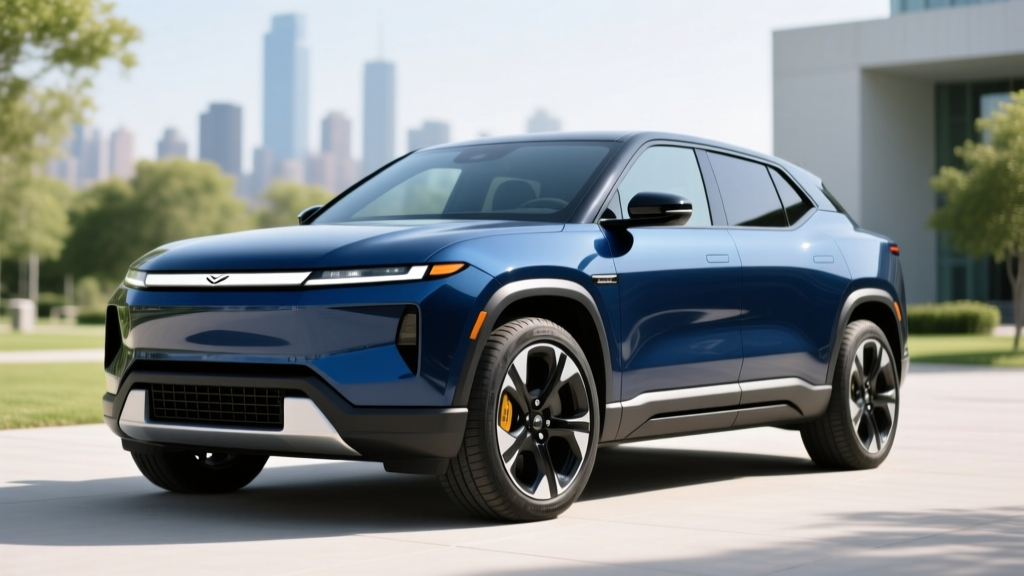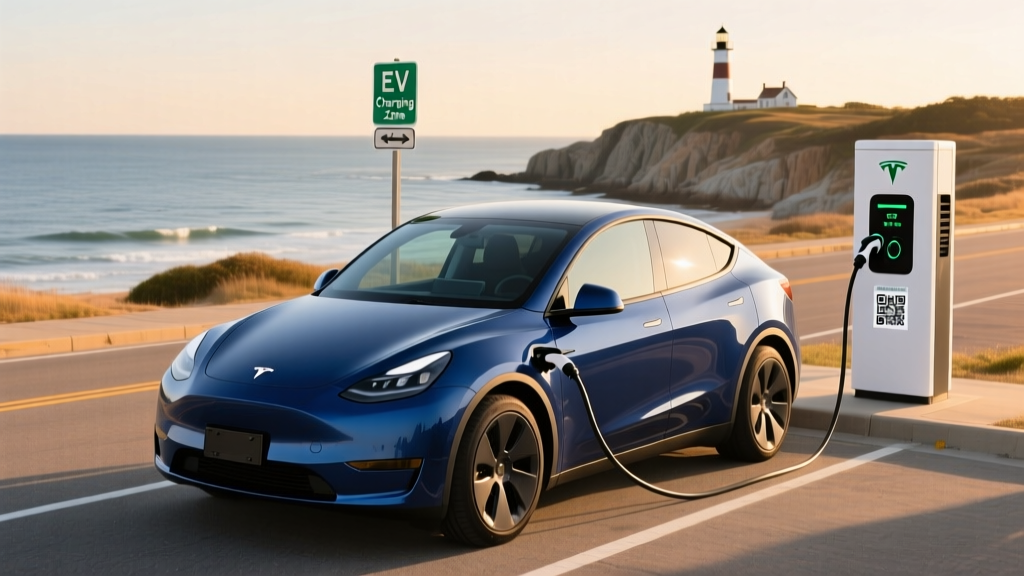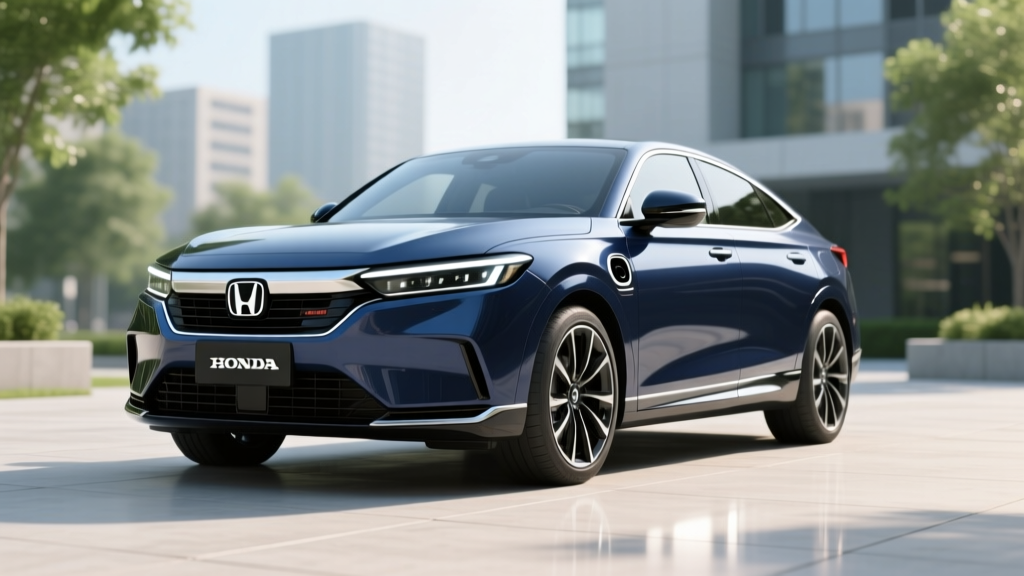
If you’ve seen the question “is the Honda Prologue discontinued?” trending in EV forums, you aren’t alone. The short answer: no, the Honda Prologue is not discontinued as of the 2026 model year. Honda continues to sell and update its first mass-market electric SUV, which rides on the Ultium platform co-developed with General Motors. However, the rumor mill has been fed by Honda’s announcement of a next-generation EV platform and shifting production plans, which left some shoppers wondering whether the current Prologue is a dead-end purchase.
Below, we put the 2026 Honda Prologue under the microscope — real-world range, charging speed, tax-credit eligibility, and whether it still holds up against the Hyundai Ioniq 5, Tesla Model Y, and Ford Mustang Mach-E. If you’re cross-shopping midsize electric SUVs, this is the data you need.
2026 Honda Prologue: At-a-Glance Specs
| Spec | EX (FWD) | Touring (AWD) |
|---|---|---|
| EPA Range | 308 mi | 281 mi |
| Battery (usable) | 85.7 kWh NMC | |
| Motor Output | 212 hp / 236 lb-ft | 288 hp / 325 lb-ft |
| 0–60 mph | ~7.4 sec | ~5.8 sec |
| Peak DC Fast Charge | 150 kW (CCS1) | |
| 10–80% DC Time | ~35 min | |
| Level 2 (Home) | 11.5 kW (~33 mi/hr) | |
| Combined Efficiency | 99 MPGe | 95 MPGe |
| Cargo (behind 2nd row) | 25.2 cu ft | |
| Cargo (seats folded) | 57.7 cu ft | |
| Base MSRP | $48,795 | $59,295 |
| Battery Warranty | 8 yr / 100,000 mi | |
Is the Honda Prologue Discontinued in 2026?
Honda has not announced any discontinuation of the Prologue for 2026 or the near future. What Honda has announced is a longer-term shift toward its own dedicated EV architecture, developed in-house rather than borrowed from GM. That future platform will underpin a new generation of Honda EVs expected later this decade. The current Prologue, built alongside the Chevrolet Blazer EV at GM’s Ramos Arizpe plant in Mexico, remains Honda’s only electric SUV on sale in the U.S. and continues to receive annual updates.
The confusion stems from two things: (1) automotive blogs accurately reporting that Honda’s Ultium partnership is finite, and (2) Honda’s relatively quiet marketing for the Prologue compared to the Tesla Model Y or Hyundai Ioniq 5. Low visibility is not the same as discontinuation. Dealers are still ordering, building, and delivering 2026 Prologues as of this writing.
Real-World Range: What the EPA Sticker Doesn’t Tell You
The Prologue’s 85.7 kWh usable NMC (nickel-manganese-cobalt) battery is generously sized for this segment, but the SUV’s aerodynamics and 4,700+ lb curb weight keep efficiency modest at roughly 34–36 kWh/100 mi. That’s noticeably thirstier than a Tesla Model Y Long Range (~28 kWh/100 mi). You’ll feel the difference on road trips: every stop takes a few extra minutes because you’re pushing more electrons through a 150 kW charge ceiling.
Charging Speed: DC Fast and Home Level 2
The Prologue uses a CCS1 connector for DC fast charging and a standard J1772 inlet for Level 2. Honda has not adopted the NACS (Tesla-style) port for this generation, which matters for Supercharger access. (Honda has committed to NACS on its next-gen EVs.)
| Charging Level | Power | Speed / Time |
|---|---|---|
| Level 1 (120V household) | ~1.4 kW | ~4 mi/hr |
| Level 2 (240V home) | 11.5 kW | ~33 mi/hr (full in ~9 hr) |
| DC Fast Charge | 150 kW peak | 10–80% in ~35 min |
The 150 kW peak DC rate is the Prologue’s most debated spec. Competitors like the Hyundai Ioniq 5 (peak 235 kW, 10–80% in ~18 min) and Tesla Model Y (peak 250 kW, 10–80% in ~15 min) charge significantly faster on long trips. The Prologue’s charge curve also tapers noticeably after 60% SoC, meaning the last 20% of that 10–80% session takes disproportionately longer. On a road trip with three DC stops, that adds up to roughly 25–30 extra minutes of total charging time versus an Ioniq 5.
For home charging, the 11.5 kW onboard charger is competitive. A full 10–100% session takes about 9 hours — plug in after dinner, wake up full. Installation of a 48-amp Level 2 circuit typically runs $1,200–$2,500 depending on panel proximity and local permitting.
Pricing, Trims, and Federal Tax Credit Eligibility
| Trim | MSRP | Est. Price After §30D Credit* |
|---|---|---|
| EX (FWD) | $48,795 | $41,295 |
| Touring (AWD) | $59,295 | $51,795 |
*Federal §30D credit eligibility is not guaranteed. The Prologue is assembled in Mexico (GM Ramos Arizpe), and credit qualification depends on current-year battery component and critical mineral sourcing thresholds set by the IRS. Always verify on the fueleconomy.gov vehicle lookup and consult a tax professional.
The §30D credit has three buyer-side gates you must clear:
- MSRP cap: SUVs must be ≤$80,000 — the Prologue clears this easily.
- Income cap: Modified AGI ≤$300,000 (joint) / $225,000 (head of household) / $150,000 (single).
- Battery sourcing: Increasingly strict percentages of battery components and critical minerals must be sourced from the U.S. or FTA partners. These thresholds tighten annually.
The Prologue can be purchased with the point-of-sale transfer option, allowing qualifying buyers to apply the credit as an immediate price reduction at the dealership rather than waiting to claim it on their tax return. See IRS.gov for current rules.
Driving Impressions, Tech, and Interior
The Prologue drives like a Honda — composed, quiet, and tuned for comfort rather than sport. The AWD Touring’s 288 hp and 5.8-second 0–60 time are more than adequate for highway merging, though it won’t pin you to the seat like a Model Y Performance. Steering is light and predictable; the ride soaks up pavement imperfections well. Regenerative braking offers adjustable levels via steering-wheel paddles, but the Prologue does not offer true one-pedal driving to a full stop — a missed opportunity that Honda’s competitors mostly solve.
Inside, the 11.3-inch infotainment touchscreen runs Google built-in (Google Maps, Google Assistant, Play Store). Wireless Apple CarPlay and Android Auto are standard. The driver-assist suite (Honda Sensing) includes adaptive cruise, lane-centering, and blind-spot monitoring — all SAE Level 2, requiring continuous driver attention. The Prologue does not offer hands-free driving like GM’s Super Cruise or Ford’s BlueCruise.
Cargo space is practical: 25.2 cu ft behind the second row and 57.7 cu ft with seats folded. Rear legroom is a generous 40.4 inches. There is no front trunk (frunk); the space under the hood houses EV electronics. Build quality is typical Honda — solid materials, logical controls, minor hard plastics on lower door panels.
Pros, Cons, and Who Should Buy the Prologue
- 308-mi EPA range (FWD) is class-competitive
- Spacious rear seat and cargo area
- Comfortable, quiet ride quality
- Google built-in infotainment
- 8-yr/100,000-mi battery warranty
- Eligible for §30D credit (verify yearly)
- 150 kW peak DC charging is slow vs rivals
- No NACS port — Supercharger access limited
- No one-pedal driving to a full stop
- No hands-free Level 2+ (e.g., Super Cruise)
- Efficiency trails Model Y and Ioniq 5
- No frunk
Best for: Two-row family buyers who prioritize ride comfort, interior space, and Honda dealership familiarity over maximum charging speed. If 80% of your driving is commuting and local errands with nightly home charging, the Prologue’s 308-mile range and 11.5 kW Level 2 rate are more than sufficient. Road-trippers who frequently drive 300+ miles between stops will notice the 150 kW charge ceiling and may prefer the Ioniq 5 or Model Y.
How It Stacks Up Against Key Competitors
| Spec | Honda Prologue EX (FWD) | Hyundai Ioniq 5 (Long Range RWD) | Tesla Model Y (LR AWD) |
|---|---|---|---|
| EPA Range | 308 mi | 303 mi | 311 mi |
| Battery | 85.7 kWh NMC | 77.4 kWh NMC | ~75 kWh NMC |
| Peak DC Charge | 150 kW | 235 kW | 250 kW |
| 10–80% Time | ~35 min | ~18 min | ~15 min |
| 0–60 mph | 7.4 sec | 7.0 sec | 5.0 sec |
| Base MSRP | $48,795 | $47,600 | $46,630 |
| NACS Port | No (CCS1) | Yes (2025+) | Yes |
The Prologue wins on interior volume and ride comfort. It loses on charging speed and efficiency. If road-trip charging time matters to you — and it should — the Ioniq 5 and Model Y are measurably faster. If you value dealership service proximity and Honda’s reliability reputation, the Prologue remains a rational choice.
Frequently Asked Questions
Is the Honda Prologue being replaced or discontinued?
Not in the 2026 model year. Honda continues to sell and support the Prologue. A next-generation Honda EV on a proprietary platform is expected later this decade, but no timeline has been announced that would cut short the current Prologue’s production.
What is the real-world range of the Honda Prologue?
The FWD EX achieves an EPA-estimated 308 miles. Real-world highway driving at 70 mph yields roughly 255–275 miles. In sub-freezing temperatures, expect 220–245 miles. The AWD Touring (EPA 281 mi) delivers approximately 230–250 miles on the highway.
How fast does the Prologue charge at home and on the road?
At home on a 240V Level 2 charger, the Prologue accepts up to 11.5 kW, adding about 33 miles per hour. On DC fast chargers, it peaks at 150 kW and reaches 10–80% in approximately 35 minutes. This is slower than rivals — the Ioniq 5 does the same in ~18 minutes.
Does the Honda Prologue qualify for the $7,500 federal EV tax credit?
The Prologue may qualify for the full or partial §30D federal tax credit, depending on current-year battery sourcing rules, your income, and the vehicle’s MSRP (which clears the $80,000 SUV cap). Because sourcing thresholds tighten annually, always check the latest eligibility on fueleconomy.gov and consult a tax professional before purchase.
Can the Prologue use Tesla Superchargers?
Not natively. The current Prologue has a CCS1 port. Honda has committed to NACS on future EVs, but the current generation requires a CCS-to-NACS adapter for Supercharger access, and not all Supercharger stalls support non-Tesla vehicles via adapter. Verify compatibility on Tesla’s website before relying on it for a trip.
How long will the Prologue’s battery last?
Honda warranties the battery for 8 years or 100,000 miles against defects and excessive capacity loss (typically below 70% state of health). NMC batteries in liquid-cooled systems like the Prologue’s generally retain 85–90% capacity after 100,000 miles based on industry data. Avoid routinely charging to 100% or letting the battery sit at 0% for extended periods to maximize longevity.