The Short Answer on the Honda Grom Electric
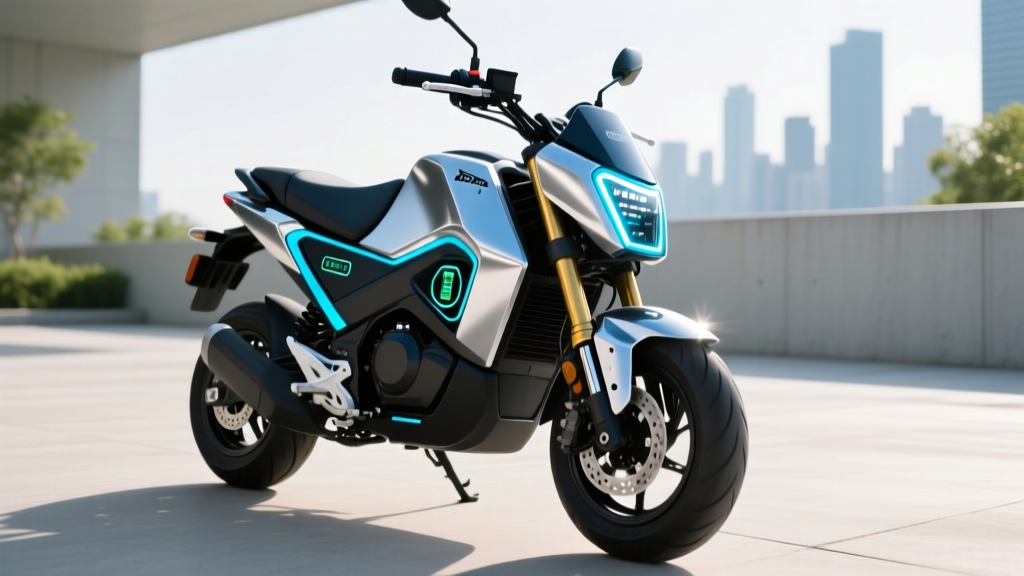
As of early 2026, Honda has not released a production version of an electric Honda Grom. The gas-powered Grom (MSX125) remains in Honda's lineup, and while Honda has showcased electrified mini-moto concepts and holds patents for electric small-displacement platforms, no street-legal "Grom Electric" is currently available for purchase in the United States. If you are searching for a Grom electric conversion or waiting for an OEM electric mini-motorcycle from Honda, this guide breaks down what exists, what is plausible based on Honda's published EV roadmap, and which electric two-wheelers actually deliver a Grom-like experience today.
Note: AutoEdgeView covers electric and electrified vehicles — cars, trucks, SUVs, and the charging/battery ecosystem that supports them. Mini-motorcycles and e-scooters fall outside our core automotive scope, but the "Grom electric" search query reflects real buyer interest in small, affordable, fun EVs. We are addressing it with the same data-driven rigor we apply to four-wheeled EVs, while being transparent about what is confirmed versus speculative.
Why the Honda Grom Electric Gets Searched
The Honda Grom (known as the MSX125 outside the US) has been a cult-favorite mini-motorcycle since 2014. Its appeal — 125cc gas engine, roughly 30-inch seat height, ~225 lb curb weight, 130+ mpg, and an MSRP under $3,600 — makes it an ideal candidate for electrification in the minds of urban riders. The search term "grom electric" captures three distinct buyer intents:
- OEM anticipation: Riders waiting for Honda to release a factory electric Grom.
- Conversion curiosity: Owners exploring aftermarket electric drivetrain swaps on existing gas Groms.
- Category shopping: Buyers using "Grom electric" as shorthand for any small, fun, affordable electric two-wheeler.
This guide addresses all three, grounded in what Honda has actually announced versus what remains rumor.
Honda's Actual Electrified Two-Wheeler Roadmap
Honda has committed to carbon neutrality for its motorcycle lineup by the 2040s and has introduced swappable-battery platforms in Asian markets. Key milestones relevant to a potential electric Grom:
- Honda EM1 e: Announced for select markets (not the US as of 2026), this electric scooter uses Honda's Mobile Power Pack e: swappable battery system. It targets urban commuting with modest range (~41 km / ~25 miles per pack under WMTC testing).
- Swappable battery consortium: Honda, Yamaha, KTM, and Piaggio formed a consortium to standardize swappable batteries for light electric vehicles. This infrastructure matters for any future electric mini-moto.
- Patent filings: Honda has filed patents showing electric powertrains in Grom-sized frames, but patents do not guarantee production.
The honest takeaway: Honda is building the battery and platform architecture that could underpin an electric Grom, but has not confirmed a US-market product.
If Honda Built an Electric Grom: Speculative Spec Sheet
Based on the EM1 e: platform, Honda's published battery specs, and the physics of a ~225 lb mini-moto frame, here is a plausible specification envelope for a hypothetical production electric Grom. These are estimates, not confirmed figures.
| Attribute | Estimated Value | Basis |
|---|---|---|
| Battery capacity | 2.5–4.0 kWh (usable) | Mobile Power Pack e: is ~1.5 kWh per pack; 2-pack config plausible |
| Motor output | 4–7 kW (5–9 hp) | Comparable to 125cc ICE output (~9 hp) |
| EPA-equivalent range | 40–65 miles | Based on EM1 e: efficiency scaled to Grom weight/aero |
| Top speed | 55–65 mph | Gas Grom tops out ~59 mph; electric torque could match |
| Charging (Level 1, 120V) | 3–5 hours (0–100%) | Standard household outlet at ~0.5–0.8 kW |
| Swappable battery | Likely (if US infrastructure exists) | Honda's stated strategy for urban EVs |
| Curb weight | 230–260 lb | Battery adds mass vs. 125cc engine + fuel tank |
| Estimated MSRP | $4,000–$5,500 | Gas Grom is ~$3,599; EV premium typical |
Even in an optimistic scenario, range would be modest. A 4 kWh battery in a lightweight mini-moto could realistically deliver 50–60 miles of mixed urban riding, dropping to 35–40 miles at sustained highway speeds or in cold weather. That is adequate for city commuting but eliminates the gas Grom's 150+ mile tank range.
Gas Grom vs. Electric Alternatives: Cost and Capability
If you want a Grom-like experience today, here is how the current gas Grom stacks up against real electric two-wheelers in the mini-moto and high-end e-scooter category:
| Spec | Honda Grom (Gas, 2025) | Super73 RX (E-Bike) | NIU NQi GT (E-Scooter) | Zero FX (E-Moto) |
|---|---|---|---|---|
| Powertrain | 125cc ICE | Hub motor, 2 kW | Bosch mid-drive, 3 kW | Z-Force 75-7, 35 kW peak |
| Horsepower | ~9 hp | ~2.7 hp | ~4 hp | ~46 hp |
| Range | ~150 mi (1.6 gal tank) | 40–75 mi (dual battery) | ~53 mi (dual battery) | ~50 mi (city), ~28 mi (highway) |
| Top Speed | ~59 mph | ~28 mph (Class 2) | ~43 mph | ~85 mph |
| MSRP | $3,599 | $3,495 | $4,399 | $11,995 |
| Fuel/Energy Cost per Mile | ~$0.02 (gas at $3.50/gal) | ~$0.005 (electricity) | ~$0.005 | ~$0.01 |
| Licensing Required | Motorcycle endorsement | No (e-bike class) | Varies by state | Motorcycle endorsement |
The gas Grom wins on range, top speed, and refueling convenience. Electric alternatives win on per-mile energy cost and (in some cases) licensing simplicity. The Zero FX is the closest thing to a performance electric mini-moto but costs 3x the Grom's price.
Aftermarket Electric Grom Conversions: What Is Involved
Some owners have converted gas Groms to electric using kits or custom fabrication. Here is what that realistically entails:
- Motor: A 3–7 kW brushless DC motor (e.g., from QS Motor or similar) replaces the 125cc engine.
- Battery: A custom lithium pack (typically 72V, 20–40 Ah, yielding 1.4–2.9 kWh) is fabricated to fit the frame.
- Controller: A programmable motor controller manages throttle response and regen.
- Cost: Parts alone run $2,000–$4,500; professional labor adds $1,500–$3,000.
- Result: Typically 30–50 miles of range, 50–65 mph top speed, and significantly more torque than the gas original.
Conversion is a hobbyist project, not a path to a reliable daily commuter. It voids any remaining Honda warranty, may not meet your state's vehicle registration requirements, and introduces safety considerations around battery management and crash integrity that OEM vehicles are engineered to address.
Real Ownership Costs: Gas Grom vs. Hypothetical Electric
Let's model five-year ownership for a gas Grom versus a hypothetical electric Grom, assuming 3,000 miles per year of urban riding:
| Cost Category | Gas Grom ($3,599 MSRP) | Hypothetical Electric Grom ($4,800 est.) |
|---|---|---|
| Purchase price | $3,599 | $4,800 |
| Fuel / electricity | $300 (gas at $3.50/gal, 130 mpg) | $75 (at $0.15/kWh, ~50 Wh/mi) |
| Oil changes | $150 (~15 changes) | $0 |
| Air filter / spark plug | $60 | $0 |
| Tires (2 sets) | $200 | $200 |
| Chain / sprocket maintenance | $120 | $120 (belt or chain drive TBD) |
| Insurance (avg) | $600 | $600 |
| Estimated resale (Year 5) | -$1,800 | -$1,500 (EV depreciation higher) |
| Net 5-year cost | ~$3,229 | ~$4,295 |
The gas Grom's already-low operating costs make it difficult for an electric version to close the upfront price gap. Savings on fuel and maintenance total roughly $335 over five years — not enough to offset a $1,200 purchase premium. The electric version would need to be priced near $4,000 or less to reach cost parity, which is challenging given current battery costs for small production runs.
Common Misconceptions About the Grom Electric
| Myth | Fact |
|---|---|
| "Honda is releasing an electric Grom in 2026." | No official announcement exists. Honda's US electric two-wheeler lineup remains limited. |
| "An electric Grom would go 100+ miles on a charge." | Physics limits a mini-moto frame to roughly 2–4 kWh of battery, yielding 40–65 miles realistically. |
| "Converting a gas Grom to electric is plug-and-play." | Conversions require custom fabrication, electrical engineering, and carry safety and legal risks. |
| "Electric mini-motos qualify for the $7,500 federal EV tax credit." | The IRS §30D credit applies to four-wheeled vehicles meeting specific MSRP, income, and battery sourcing criteria — not motorcycles. |
| "An electric Grom would be maintenance-free." | Tires, brakes, suspension, and battery degradation still require attention and cost. |
Decision Framework: What Should You Actually Buy?
If you want a Honda Grom today and are open to gas:
Buy the 2025 Honda Grom at $3,599. It delivers 130+ mpg, 150-mile range, proven reliability, and a massive aftermarket community. The total cost of ownership over five years is roughly $3,200 — exceptionally low for any motorized vehicle.
If you want an electric mini-moto experience and can wait:
Monitor Honda's US product announcements. The EM1 e: platform and swappable battery consortium suggest an electric mini-moto is technically feasible, but US availability depends on charging/swap infrastructure that does not yet exist stateside. Realistically, a US-market electric Grom is a 2027+ prospect at the earliest.
If you want an electric two-wheeler now for urban commuting:
Consider the NIU NQi GT (~$4,399, ~53-mile range) or the Super73 RX (~$3,495, e-bike class, no motorcycle license required in most states). Neither is a true Grom equivalent, but both deliver fun, efficient electric riding today.
If you want performance and are willing to spend:
The Zero FX ($11,995) is a legitimate electric mini-moto with 46 hp and ~50-mile city range. It is a different category of vehicle — closer to a motocross bike than a Grom — but it is the closest production electric motorcycle to the Grom's size.
What First-Time EV Buyers (of Any Kind) Should Know
Whether you are shopping for a four-wheeled EV or an electric two-wheeler, these principles apply:
- Range is always less than the sticker. EPA (or WMTC) range estimates assume moderate speeds and temperatures. Sustained highway riding, cold weather, and aggressive throttle use can reduce range by 20–40%.
- Home charging access is the make-or-break factor. If you cannot charge at home (or at work), owning any EV — car or motorcycle — becomes significantly less convenient. Public charging infrastructure for two-wheelers is virtually nonexistent in the US.
- Battery degradation is real but slow. Modern lithium cells typically retain 80–90% capacity after 5 years of normal use. Warranty terms vary; read them carefully.
- Upfront cost is higher; operating cost is lower. The math favors EVs over time, but the payback period depends on your mileage and local electricity rates.
- Federal tax credits have strict eligibility rules. The §30D credit requires meeting MSRP caps, buyer income limits, and battery critical-mineral sourcing thresholds. It does not apply to motorcycles or e-bikes. Check IRS.gov for current rules.
Frequently Asked Questions
Is there an electric Honda Grom available in 2026?
No. Honda has not released a production electric Grom for any market as of early 2026. The gas-powered Grom remains in production.
Will Honda ever make an electric Grom?
Honda's electrified two-wheeler roadmap and patent filings suggest it is technically possible, but no official announcement has been made. A US-market release would require swappable battery infrastructure that does not currently exist.
How much would an electric Grom cost?
Based on comparable electric two-wheelers and Honda's EM1 e: pricing in other markets, a hypothetical electric Grom would likely carry an MSRP of $4,000–$5,500 — roughly $500–$2,000 more than the gas version.
Can I convert my gas Grom to electric?
Yes, aftermarket conversion kits and custom builds exist, but they cost $3,500–$7,500, void Honda's warranty, may not meet state registration requirements, and introduce safety considerations that OEM engineering addresses.
What electric motorcycle is closest to a Grom?
The Zero FX is the closest in size and spirit, but it is a performance-oriented machine at $11,995 — far above the Grom's price point. For urban commuting at a similar price, electric scooters like the NIU NQi GT are more practical.
Do electric motorcycles qualify for the federal EV tax credit?
No. The IRS §30D clean vehicle credit applies to four-wheeled vehicles meeting specific criteria. Motorcycles, e-bikes, and scooters are not eligible. Some states offer separate incentives for electric two-wheelers — check your state's energy office for details.
Sources: Honda Motor Co. product pages, IRS.gov §30D clean vehicle credit guidance, fueleconomy.gov for gas Grom EPA data. Specifications for Zero, NIU, and Super73 from manufacturer websites as of 2025/2026 model years.