The Honda Fit EV: Quick Verdict for 2026 Used Buyers
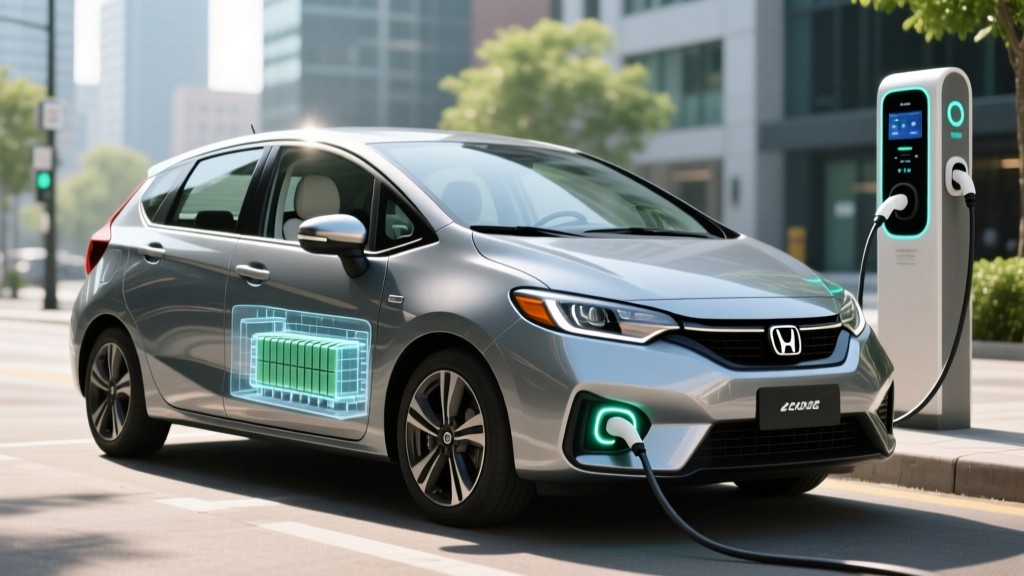
The short answer: The Honda Fit EV is a discontinued, used-only electric subcompact with an EPA-estimated 82 miles of range from its 20 kWh lithium-ion battery. Produced only for the 2013–2014 model years (and sold in limited markets), it remains one of the cheapest used EVs available — often priced between $6,000 and $11,000 in 2026. It works as a city commuter or second car if you can charge at home and your daily driving stays under 50–60 miles round trip. It does not qualify for the federal §30D used-EV tax credit because its original MSRP and battery sourcing predate current eligibility rules. If you need highway range, fast charging, or winter reliability beyond short urban trips, look elsewhere.
Honda only ever leased the Fit EV new (roughly 1,100 units were produced), and it was never sold at retail. That means every Fit EV on the road today is a used vehicle that was eventually sold off after lease termination. With over a decade of battery aging behind it, prospective buyers need a clear-eyed look at what this car actually delivers in 2026 — not what Honda's original marketing materials promised.
Fit EV Specs: Range, Battery, and Charging Numbers
| Specification | Honda Fit EV (2013–2014) |
|---|---|
| EPA Range (original) | 82 miles |
| Battery Capacity | 20 kWh (lithium-ion, Toshiba SCiB cells) |
| Usable Battery Capacity | ~18 kWh (estimated) |
| Motor Output | 92 kW (123 hp) |
| 0–60 mph | ~10.5 seconds |
| EPA Efficiency | 118 MPGe combined |
| Level 1 Charging (120V) | ~1.3 kW; ~5 miles/hour |
| Level 2 Charging (240V) | ~6.6 kW; ~25 miles/hour; full charge ~3 hours |
| DC Fast Charging | Not available (no DCFC port) |
| Connector | J1772 (Level 1 & 2 only) |
| Battery Warranty (original) | 5 years / 60,000 miles (expired) |
The Fit EV's Toshiba SCiB (Super Charge ion Battery) chemistry is unusual in the EV world. It uses lithium titanate oxide (LTO) anodes rather than the graphite anodes found in most lithium-ion packs. LTO chemistry offers exceptional cycle life and thermal stability — Honda claimed the pack could endure thousands of cycles with minimal degradation. That's the good news.
The trade-off: LTO has significantly lower energy density than the NMC or LFP chemistries used in modern EVs. That's why a 20 kWh pack only delivers 82 miles of EPA range. For context, the 2026 Nissan Leaf S packs a 40 kWh battery for 149 miles of range, and the Chevrolet Equinox EV starts at over 315 miles — both using higher-density NMC or LFP cells.
Real-World Range: What to Actually Expect
EPA sticker: 82 miles
Real-world expectation in 2026: 55–75 miles depending on battery health, temperature, and driving style.
Here's where the math gets real. The original 82-mile EPA estimate assumed a brand-new battery in moderate temperatures. After 11–12 years of calendar aging, even the excellent SCiB chemistry will have lost some capacity. Expect 85–92% state of health (SoH) on a well-maintained pack — meaning your actual usable capacity might be 15–17 kWh instead of 18 kWh.
In mild weather (55–75°F) with city driving and regenerative braking engaged, you might see 65–75 real-world miles. On the highway at 70 mph, efficiency drops significantly — expect 50–60 miles before the battery is exhausted. In cold weather (below 35°F), range loss of 25–35% is typical for any EV without a heat pump (the Fit EV uses resistive cabin heating, which draws heavily from the pack), pushing real range down to 45–55 miles.
Before buying, request a battery health report from the seller or have a Honda dealer run a diagnostic to check the pack's current capacity. This single data point determines whether the car is a practical commuter or an expensive paperweight.
Cost Breakdown: Purchase, Charging, and Ownership
| Cost Category | Honda Fit EV (Used) | Honda Fit Gas (2013, Used) | 2026 Nissan Leaf S (New) |
|---|---|---|---|
| Purchase Price | $6,000–$11,000 | $7,000–$10,000 | ~$29,000 (before credits) |
| Federal Tax Credit | Not eligible | N/A | Up to $7,500 (§30D, if eligible) |
| Fuel/Energy Cost (annual, 12k mi) | ~$420–$540 (electricity) | ~$1,200–$1,500 (gasoline) | ~$420–$540 (electricity) |
| Annual Maintenance | ~$200–$350 | ~$500–$800 | ~$200–$350 |
| Insurance (annual avg) | ~$900–$1,300 | ~$800–$1,200 | ~$1,200–$1,600 |
| Home Charger Install (if needed) | $500–$2,000 (Level 2) | $0 | $500–$2,000 (Level 2) |
The Fit EV's biggest financial advantage is its rock-bottom purchase price. At $6,000–$11,000, it's one of the cheapest ways to get into an electric car in 2026. You won't find a new EV for under $25,000 after credits, so the Fit EV fills a niche for budget-conscious buyers who want zero tailpipe emissions and low running costs.
Charging at home on Level 1 (standard 120V outlet) adds about 5 miles per hour — sufficient to fully replenish the small pack overnight (roughly 15–18 hours from empty). A Level 2 home charger (240V, 32–40 amp circuit) cuts that to about 3 hours and costs $500–$2,000 installed depending on your electrical panel and run length, per U.S. Department of Energy estimates.
Operating cost per mile is roughly 3.5–4.5 cents on electricity (at $0.14–$0.18/kWh national average), versus 10–13 cents per mile on gasoline for the gas Fit at 33 MPG combined and $3.30/gallon. Over 12,000 miles annually, that's $780–$1,000 in annual fuel savings.
However, the Fit EV does not qualify for the IRS §30D used-EV tax credit (up to $4,000 or 30% of sale price). The credit requires the vehicle's original MSRP to have been under $25,000 (the Fit EV's lease-equivalent value exceeded this), and battery sourcing requirements that pre-2015 vehicles cannot meet. Don't count on any federal incentive here.
Fit EV vs. Gas Fit vs. Modern Used EV: Which Makes Sense?
| Factor | Honda Fit EV (2013–14) | Honda Fit Gas (2013) | Used Nissan Leaf (2018–19) | Used Chevy Bolt EV (2017–19) |
|---|---|---|---|---|
| Used Price Range | $6k–$11k | $7k–$10k | $10k–$16k | $11k–$17k |
| EPA Range | 82 mi | ~330 mi (8.9 gal tank) | 150 mi (40 kWh) | 238 mi (60 kWh) |
| DC Fast Charging | No | N/A (gas) | Yes (CHAdeMO, 50 kW) | Yes (CCS, 55 kW) |
| Annual Fuel Cost | ~$480 | ~$1,350 | ~$480 | ~$540 |
| Battery Risk | Moderate (aged pack) | None | Moderate (NMC degradation) | Low–Moderate |
| Practicality Score | City-only commuter | Do-anything daily | Commuter + some road trips | Daily driver + road trips |
The gas Honda Fit gets 33 MPG combined per fueleconomy.gov and has no range limitations whatsoever — fill up in 3 minutes and drive 330 miles. If you lack home charging access, drive more than 60 miles daily, or regularly take highway trips, the gas Fit (or any used ICE subcompact) is the more practical choice.
If you want a used EV but need more range, a 2018–2019 Nissan Leaf (150 miles, CHAdeMO fast charging) or a 2017–2019 Chevrolet Bolt EV (238 miles, CCS fast charging) offers substantially more usability for $4,000–$7,000 more. Both support DC fast charging, which the Fit EV completely lacks — meaning you cannot charge the Fit EV on any public fast-charger network.
Common Misconceptions About the Fit EV
| Myth | Fact |
|---|---|
| "It qualifies for the used-EV tax credit." | It does not. The §30D used credit has MSRP, battery sourcing, and model-year requirements the Fit EV cannot meet. |
| "82 miles of range is fine for anyone." | 82 miles EPA when new; expect 55–75 real-world miles after a decade of battery aging. Cold weather cuts this further. |
| "I can fast-charge it on road trips." | The Fit EV has no DC fast-charging port. Level 2 at 6.6 kW is the maximum charge speed — a full charge takes ~3 hours. |
| "The LTO battery lasts forever." | SCiB/LTO chemistry has excellent cycle life, but calendar aging still degrades capacity over 11+ years. Expect 85–92% SoH. |
| "Maintenance is free on an EV." | Tires, brakes, cabin filters, suspension, and 12V battery replacement still cost money. Budget $200–$350/year. |
Decision Framework: Should You Buy a Used Honda Fit EV?
Buy the Fit EV if:
- Your daily round-trip commute is under 50 miles
- You have reliable home charging (garage or dedicated outlet)
- You live in a mild climate (rarely below 35°F in winter)
- This is a second car, not your only vehicle
- Your budget is under $10,000 and you want the lowest possible running costs
- You can verify battery SoH before purchase (dealer diagnostic or OBD-II scan)
Skip the Fit EV and consider alternatives if:
- You drive more than 60 miles daily or regularly use highways
- You live in a cold climate with sustained sub-freezing winters
- You have no access to home or workplace charging
- You need DC fast charging for any road trips or longer drives
- You want a vehicle that qualifies for federal tax credits
- You need a single primary vehicle for all driving needs
First-Time EV Buyer Checklist for the Fit EV
If the Fit EV fits your use case, here's what to verify before handing over cash:
- Battery State of Health: Have a Honda dealer or EV-savvy mechanic pull the battery diagnostic. Accept only packs above 85% SoH (ideally 90%+).
- Charging Equipment: Confirm the original Level 1 EVSE cord is included. Check the J1772 inlet for damage or corrosion.
- Home Charging Feasibility: A standard 120V/15A outlet works for overnight charging. For Level 2, confirm your electrical panel has capacity for a 40A circuit — consult a licensed electrician.
- Service History: Ask for records of any brake work, tire replacements, 12V battery changes, and software updates.
- Title Status: Since all Fit EVs began as lease vehicles, confirm the title is clean and not salvaged or rebuilt.
- Test Drive Range Check: Drive the car on your actual commute route and monitor the range estimator. If it drops faster than 1 mile per mile driven, the pack may be more degraded than expected.
Frequently Asked Questions
Can I install a Level 2 charger at home for the Fit EV?
Yes. The Fit EV uses a standard J1772 connector, compatible with any Level 2 home charger (ChargePoint Home Flex, Emporia Vue, Wallbox Pulsar Plus, etc.). Installation costs range from $500 for a simple outlet-adjacent mount to $2,000+ if you need a panel upgrade or long wire run. A licensed electrician should assess your panel capacity first.
What happens if the Fit EV battery fails?
The original 5-year/60,000-mile battery warranty has expired on all Fit EVs. A replacement battery pack would cost an estimated $4,000–$7,000 including labor — potentially exceeding the car's value. This is the single biggest financial risk of buying a decade-old EV. Budget accordingly or consider an extended warranty if available.
Is the Fit EV safe?
The 2013 Fit EV received a "Good" rating in most IIHS crash tests for its era, though it predates modern small-overlap and pedestrian-safety testing. It lacks current-generation ADAS features like automatic emergency braking, lane-keeping assist, or adaptive cruise control. By 2026 safety standards, it's a basic vehicle.
How does the Fit EV compare to a plug-in hybrid?
A used plug-in hybrid like the Toyota Prius Prime offers 25 miles of electric-only range plus 600+ miles of total range on gas — eliminating range anxiety entirely. If your commute exceeds the Fit EV's real-world range or you lack home charging, a PHEV may be a more flexible electrified option, though fuel costs will be higher than a pure EV for daily electric commuting.
Why was the Fit EV only a lease?
Honda structured the Fit EV as a lease-only "compliance car" to meet California's ZEV (Zero Emission Vehicle) mandate requirements. The company produced roughly 1,100 units and never intended it as a volume retail product. After leases ended, Honda sold the vehicles at auction, which is how they entered the used market.