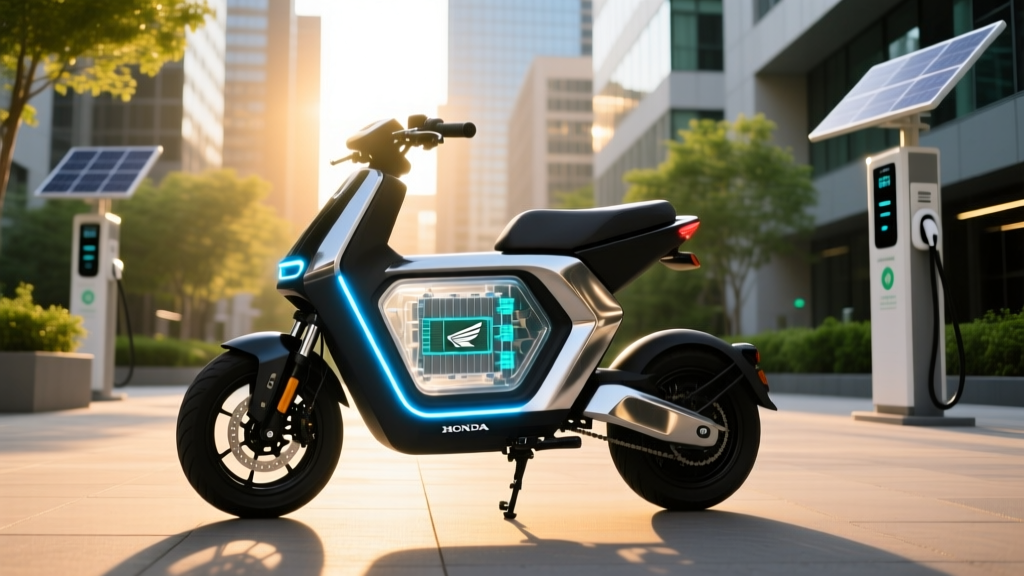
Honda has long been associated with reliable small-displacement motorcycles and scooters, but as electrification sweeps across the powersports industry, many buyers are searching for a Honda electric pocket bike — a compact, battery-powered mini motorcycle for urban commuting or recreation. Here's the practical reality as of 2026: Honda does not currently sell a dedicated electric pocket bike in the United States. While Honda has showcased electric two-wheeler concepts globally (including the EM1 e: electric scooter available in select Asian and European markets), there is no production Honda electric pocket bike — such as a miniature electric motorcycle in the style of the classic Honda Z50 Mini Trail — available for U.S. purchase.
That said, the search for a Honda electric pocket bike reflects a real buyer need: a compact, affordable, zero-tailpipe-emission ride for short urban trips. Below, we break down what Honda does offer in the electric two-wheeler space, what alternatives exist, and how to think about the costs, charging, and ownership practicalities if you're considering a small electric motorcycle or scooter as part of your electrified transportation plan.
Quick Answer: Honda Electric Pocket Bike Availability
Status: No Honda-branded electric pocket bike is available in the U.S. market as of 2026.
Closest Honda product: EM1 e: (compact electric scooter, ~25-mile range, available in Europe/Asia only).
U.S. alternatives: Electric mini bikes and pocket bikes from brands like Super73, CAKE, and Sur-Ron fill this niche.
Typical price range (alternatives): $2,500–$6,000 MSRP.
What Honda Actually Offers in Electric Two-Wheelers
Honda's electric two-wheeler strategy has been cautious and market-specific. The Honda EM1 e: is the company's most prominent production electric scooter, introduced for markets like Japan, Indonesia, and parts of Europe. Key specifications include:
- Motor output: ~1.7 kW (2.3 hp) continuous, ~4.2 kW (5.6 hp) peak
- Battery: Swappable Honda Mobile Power Pack e:, ~1.5 kWh capacity
- Range: Approximately 25 miles (41 km) per charge under standard test conditions
- Top speed: ~30 mph (48 km/h)
- Charging: ~5 hours on a standard household outlet (no DC fast charging)
- Price (Europe): Approximately €3,000–€3,500 (~$3,200–$3,800 USD equivalent)
The EM1 e: is a scooter, not a pocket bike in the traditional sense (mini motorcycle with a low frame and small wheels). Honda has filed patents related to electric mini bikes, but no production model has been announced for the U.S. market. Honda's broader electrification plan targets a full electric motorcycle lineup by the late 2020s, but specifics for a pocket-bike-style product remain unconfirmed.
Electric Pocket Bikes vs. Gas Pocket Bikes: Cost and Performance Data
If you're weighing a small electric ride against a traditional gas pocket bike (like a Honda MSX125/Grom or aftermarket mini bikes), here's how the numbers compare. The table below uses representative data from current U.S.-available models:
| Metric | Gas Pocket Bike (e.g., Honda Grom 125) | Electric Mini Bike (e.g., Super73-S2 or similar) |
|---|---|---|
| MSRP | $3,499 | $3,295–$4,495 |
| Range per tank/charge | ~100–130 miles (1.2-gal tank, ~100 mpg) | ~30–50 miles (varies by battery size, terrain, rider weight) |
| Fuel/energy cost per mile | ~$0.035/mi (at $3.50/gal, 100 mpg) | ~$0.005–$0.01/mi (at $0.15/kWh, ~1 kWh per 30 mi) |
| Annual fuel/energy cost (3,000 mi/yr) | ~$105 | ~$15–$30 |
| Maintenance (annual avg.) | ~$150–$300 (oil, filters, chain, spark plug) | ~$50–$100 (brake pads, tire wear, no oil/chain) |
| Top speed | ~55–60 mph | ~28–45 mph (model dependent) |
| Refuel/recharge time | ~2 minutes at gas station | 3–6 hours (Level 1 household outlet) |
| Noise | 70–85 dB (varies by exhaust) | ~50–60 dB (nearly silent motor, tire/wind noise only) |
Key takeaway: Electric mini bikes cost roughly the same upfront but deliver dramatically lower per-mile energy costs (~$0.01/mi vs ~$0.035/mi) and minimal maintenance. The trade-off is range (30–50 miles vs 100+) and speed (under 45 mph vs 55–60 mph). For urban errands under 20 miles round-trip, the electric option is both cheaper to operate and more practical for apartment dwellers who can charge from a standard 120V outlet.
Real-World Ownership: Charging, Range, and Practical Considerations
Before purchasing any small electric motorcycle or pocket bike, consider these real-world factors that spec sheets don't always reveal:
Charging at Home
Most electric pocket bikes and mini motorcycles charge via a standard 120V household outlet (Level 1 equivalent). Expect 3–6 hours for a full charge depending on battery capacity (typically 1–2 kWh). Unlike full-size EVs, these small batteries don't support DC fast charging, but they also don't require a dedicated 240V Level 2 circuit — a major advantage for renters and apartment dwellers.
Important: Some models offer removable batteries you can carry indoors to charge, eliminating the need for garage or outdoor outlet access. If you lack any dedicated parking with an outlet, a removable-battery model is essential.
Real-World Range vs. Advertised Range
Advertised range figures for electric mini bikes often assume ideal conditions: flat terrain, moderate speed (~15 mph), lightweight rider, mild weather. In real-world use:
- Highway-speed riding (35–45 mph): Expect 30–50% range reduction compared to advertised figures
- Cold weather (below 40°F): Lithium-ion battery performance drops 15–30% in cold temperatures
- Hilly terrain: Sustained climbs can cut range by 20–40%
- Heavier riders (200+ lbs): Expect ~10–15% range reduction vs. lighter riders
A bike advertising "50 miles of range" may realistically deliver 25–35 miles in mixed real-world conditions. Plan your typical round-trip distance accordingly and aim for a battery that offers at least 1.5× your longest regular trip.
Climate and Seasonality
Electric pocket bikes are fair-weather vehicles. If you live in a region with harsh winters, heavy rain, or extreme heat, plan for 4–6 months of limited or no riding. Battery storage during off-seasons requires keeping the battery at ~50–70% state of charge in a temperature-controlled environment to prevent degradation.
Cost Breakdown: 5-Year Ownership of an Electric Mini Bike
Here's a realistic 5-year total cost of ownership (TCO) comparison for an electric mini bike versus a gas pocket bike, assuming 3,000 miles per year:
| Cost Category | Gas Pocket Bike (5 Years) | Electric Mini Bike (5 Years) |
|---|---|---|
| Purchase price (MSRP) | $3,499 | $3,895 |
| Fuel / electricity | $525 | $100 |
| Maintenance | $1,000 | $350 |
| Insurance (avg.) | $900 | $750 |
| Battery replacement (if needed) | N/A | $400–$800 (year 4–5) |
| Registration / licensing | $500 | $300–$500* |
| 5-Year Total | ~$6,424 | ~$5,795–$6,395 |
*Registration costs vary significantly by state. Some states classify low-speed electric two-wheelers as bicycles or mopeds with reduced or no registration fees. Check your state DMV for specific requirements.
The electric mini bike saves roughly $300–$600 over five years, primarily through lower fuel and maintenance costs. The savings widen if electricity rates are low or gas prices rise. However, if a battery replacement is needed in years 4–5, the gap narrows considerably.
Federal Tax Credits and Incentives: Do They Apply?
The IRS §30D Clean Vehicle Credit applies to new qualified plug-in electric vehicles with four wheels — meaning electric pocket bikes, mini motorcycles, and two-wheelers do not qualify for the federal $7,500 EV tax credit.
However, some states and local utilities offer rebates for electric two-wheelers:
- California: Various air district incentive programs have offered $500–$1,500 rebates for electric motorcycles/scooters (check current availability with your local air quality management district)
- Utility rebates: Some municipal utilities offer $100–$300 rebates for electric two-wheelers — contact your provider
- Employer commuter benefits: Some employers include e-bikes and electric scooters in pre-tax commuter benefit programs
Always verify current incentive availability with official state and utility sources, as programs change frequently and may have funding caps.
Common Misconceptions About Electric Pocket Bikes
| Myth | Fact |
|---|---|
| "Honda makes an electric pocket bike you can buy in the U.S." | Honda has no electric pocket bike in its U.S. lineup as of 2026. The EM1 e: scooter is available only in select international markets. |
| "Electric mini bikes need special charging stations." | Most charge from a standard 120V household outlet. No Level 2 or DC fast charger is required or supported. |
| "The battery will die after a year or two." | Quality lithium-ion packs in electric two-wheelers typically last 500–1,000 charge cycles before significant degradation — roughly 3–5 years of regular use. Many manufacturers offer 1–2 year battery warranties. |
| "Electric pocket bikes are toys, not real transportation." | Models like the Super73-RX or CAKE Makki are street-legal (in many jurisdictions), capable of 28–45 mph, and used daily for urban commuting. Always verify local street-legal requirements. |
| "They're completely maintenance-free." | While there's no oil change or spark plug, you still need brake pad replacement, tire changes, chain/belt maintenance (on some models), and eventual battery replacement. |
Decision Framework: Should You Buy an Electric Mini Bike?
Choose an Electric Mini Bike If:
- Your daily round-trip commute is under 25 miles
- You have access to a standard 120V outlet at home or work (or can opt for a removable-battery model)
- You prioritize low operating costs and near-silent operation
- You live in a region with mild weather for most of the year
- You want a compact, lightweight ride that's easy to store in an apartment or garage
Choose a Gas Pocket Bike (or Wait for Honda's Electric Option) If:
- You need 100+ miles of range between refueling
- You ride in varied weather and need maximum range reliability
- You want highway-capable speeds (55+ mph) for longer rides
- You specifically want the Honda brand and are willing to wait for a potential U.S. electric pocket bike launch
- You ride recreationally on weekends and want to explore beyond city limits
Consider a Plug-In Hybrid Scooter If:
- You want electric efficiency for short trips but gas range for longer rides
- Models like the Yamaha TMAX Tech MAX (hybrid-assist) or similar bridge the gap, though true PHEV scooters remain rare in the U.S. market
Frequently Asked Questions
Does Honda plan to release an electric pocket bike in the U.S.?
Honda has not announced a U.S.-market electric pocket bike as of early 2026. The company has stated intentions to expand its electric two-wheeler lineup globally, and has filed patents for electric mini bike designs, but no production timeline or U.S. availability has been confirmed. Monitor Honda Powersports for official announcements.
What's the closest thing to a Honda electric pocket bike I can buy now?
The closest Honda product is the EM1 e: electric scooter, but it's not sold in the U.S. For U.S. buyers, electric mini bikes from brands like Super73 (S2, RX), CAKE (Makki, Ösa), and Sur-Ron (Light Bee X) fill the compact electric ride niche with similar size, price points ($2,500–$6,000), and urban-commuting capability.
Are electric pocket bikes street-legal?
It depends on your state and local jurisdiction, as well as the specific model's top speed and equipment. Many states classify electric two-wheelers by speed: under 20 mph may be treated as e-bikes (no registration), 20–30 mph as mopeds (registration required), and above 30 mph as motorcycles (full registration, licensing, and insurance required). Check your state DMV and local ordinances before purchasing.
How long do electric pocket bike batteries last?
Most quality lithium-ion batteries in electric mini bikes are rated for 500–1,000 full charge cycles before degrading to ~80% of original capacity. With typical use (partial charges, not daily full cycles), that translates to roughly 3–5 years of usable life. Replacement batteries cost $400–$800 depending on the model and capacity. Store batteries at 50–70% charge in moderate temperatures to maximize longevity.
How much does it cost to charge an electric pocket bike?
At the U.S. average residential electricity rate of ~$0.16/kWh (per EIA data), charging a typical 1.5 kWh electric mini bike battery from empty to full costs approximately $0.24. Over a year of 3,000 miles of riding, total electricity cost is roughly $15–$30 — compared to $100+ in gasoline for an equivalent gas pocket bike.