Quick Answer: Is There a Honda CR-V EV?
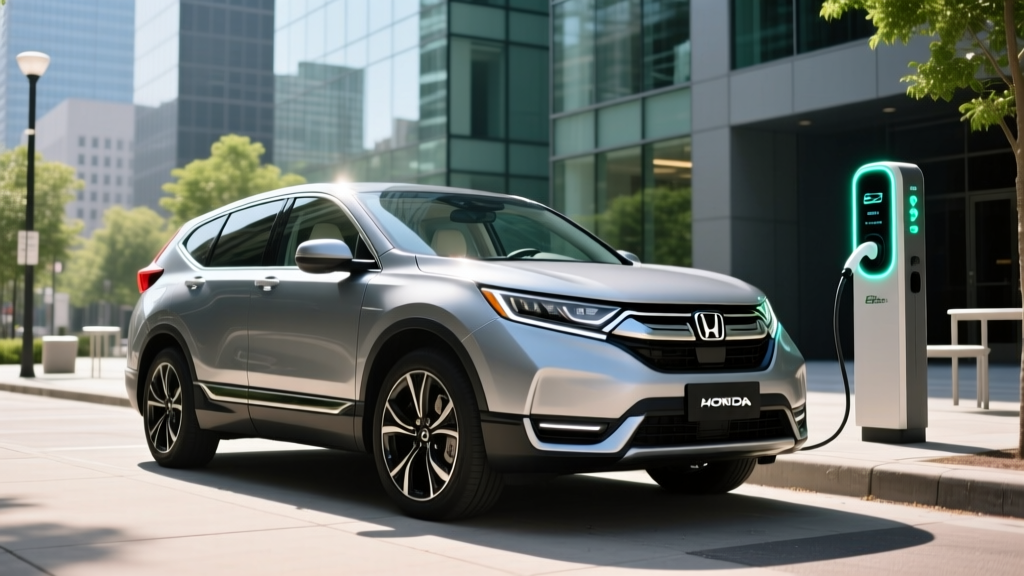
Yes — the 2026 Honda CR-V e:FCEV (branded as Honda's first electrified CR-V sold in the US) launched as a hydrogen fuel-cell plug-in hybrid rather than a pure battery-electric vehicle. As of early 2026, Honda has not yet released a fully battery-electric CR-V for the US market. The closest Honda BEV is the Prologue, a midsize SUV sharing GM's Ultium platform. If you're searching for a "Honda CR-V EV" expecting a pure battery-electric compact SUV, you'll need to consider the CR-V e:FCEV (hydrogen, California-only), the CR-V Hybrid (gas-electric HEV), or cross-shop BEV competitors like the Hyundai Ioniq 5, Kia EV6, or Tesla Model Y. This guide breaks down exactly what Honda offers, what it costs to own, and how it compares to the gas CR-V and rival EVs.
What Honda Actually Sells: CR-V Powertrain Lineup for 2026
Honda's 2026 CR-V lineup includes three powertrains. Understanding the difference is critical before you visit a dealer:
- CR-V Gas (1.5L Turbo): The conventional internal-combustion model. EPA-rated up to 30 MPG combined. MSRP starts around $31,450.
- CR-V Hybrid (2.0L HEV): A self-charging gas-electric hybrid — no plug, no electric-only highway range. EPA-rated up to 40 MPG combined. MSRP starts around $35,395.
- CR-V e:FCEV: A hydrogen fuel-cell vehicle with a small plug-in battery (~17.7 kWh usable) offering roughly 28 miles of electric-only range before the fuel cell takes over. Total range approximately 430 miles (hydrogen + battery). Available only in California due to hydrogen station infrastructure. MSRP starts around $62,900 before incentives.
Honda has confirmed a next-generation battery-electric SUV is in development on its new dedicated EV platform, but as of 2026, a pure BEV badged as a CR-V has not been announced for US sale.
2026 CR-V e:FCEV: Specs, Range, and Charging
The e:FCEV is the closest thing to a "Honda CR-V EV" currently available, but it's fundamentally different from a battery-electric vehicle. Here are the key specifications:
| Spec | Value |
|---|---|
| Powertrain | Hydrogen fuel cell + plug-in battery |
| Battery Capacity | ~17.7 kWh usable (NMC chemistry) |
| Electric-Only Range | EPA est. 28 miles |
| Total Range (H₂ + battery) | EPA est. ~430 miles |
| Fuel Cell Output | ~174 hp combined system |
| 0–60 mph | ~7.8 seconds (est.) |
| DC Fast Charge (battery) | Not designed for frequent DCFC; Level 2 primary |
| Level 2 Charge (0–100% battery) | ~2.5 hours at 7.7 kW |
| Hydrogen Tank Refuel | ~3–5 minutes at H₂ station |
| Base MSRP | $62,900 (EX); $68,900 (Touring) |
| Federal Tax Credit (§30D) | Up to $7,500 if eligibility met (see IRS sourcing rules) |
| Battery Warranty | 8 years / 100,000 miles |
Real-World Range Note: The 28-mile electric-only range is realistic for short commutes in mild weather. In cold climates or at highway speeds, expect 20–24 miles on battery alone before the fuel cell engages. The 430-mile total range depends entirely on hydrogen station availability — if stations are offline (a recurring issue in California's H₂ network), your effective range drops to the battery alone.
CR-V e:FCEV vs. Gas CR-V vs. CR-V Hybrid: Cost Comparison
The e:FCEV's $62,900 starting price is nearly double the gas CR-V. Here's how the three powertrains stack up over 5 years of ownership, assuming 15,000 miles per year:
| Cost Factor | CR-V Gas (1.5T) | CR-V Hybrid | CR-V e:FCEV |
|---|---|---|---|
| Base MSRP | $31,450 | $35,395 | $62,900 |
| Est. Federal Credit | $0 | $0 | Up to $7,500* |
| Effective Purchase Price | $31,450 | $35,395 | ~$55,400 |
| Fuel/Energy (5 yrs) | ~$9,750 (gas @ $3.25/gal, 30 MPG) | ~$7,310 (gas @ $3.25/gal, 40 MPG) | ~$6,200 (H₂ + electricity est.) |
| Maintenance (5 yrs) | ~$3,500 | ~$3,000 | ~$2,200 |
| Insurance (5 yrs, avg) | ~$7,500 | ~$7,800 | ~$9,200 |
| 5-Year Total Cost | ~$52,200 | ~$53,505 | ~$73,000 |
*Federal §30D tax credit eligibility requires meeting income caps ($150k single / $300k joint), MSRP caps ($80k for SUVs), and battery critical-mineral sourcing rules. Verify current eligibility at IRS.gov. Point-of-sale transfer available at participating dealers.
The data is clear: even with the maximum $7,500 tax credit, the e:FCEV costs roughly $20,000 more over five years than the gas or hybrid CR-V. The fuel savings alone do not close the gap. The e:FCEV makes financial sense only if you prioritize zero tailpipe emissions, have reliable hydrogen station access, and value the technology.
Real-World Ownership: What First-Time EV and FCEV Buyers Must Know
If you're considering the CR-V e:FCEV or cross-shopping a pure BEV alternative, these practical factors will determine whether you're satisfied or frustrated:
Home Charging and Hydrogen Access
The e:FCEV's 17.7 kWh battery charges fully in about 2.5 hours on a Level 2 home charger (240V, 7.7 kW). A Level 2 installation typically costs $800–$2,500 depending on panel capacity and wiring distance — budget accordingly. However, the hydrogen component is the real constraint: as of 2026, California has roughly 60 retail hydrogen stations, many clustered in LA, the Bay Area, and Sacramento. Station outages are common. Before committing, map your daily routes against hydrogen station locations and confirm at least two reliable options near your home and workplace.
Climate and Range Impact
Hydrogen fuel cells perform well in cold weather — better than BEVs in some respects, since the fuel cell generates waste heat that can warm the cabin. However, the 28-mile battery-only range will drop to approximately 20–22 miles in freezing temperatures. For a pure BEV competitor, expect 20–30% EPA range loss in sustained sub-30°F driving.
Driving Patterns
The e:FCEV excels for drivers who need long total range (430 miles) but want some electric-only commuting. If your round-trip commute is under 25 miles and you charge at home nightly, you may rarely use hydrogen at all. If you regularly drive 200+ miles between hydrogen stations, you'll need to plan carefully — unlike BEVs, you can't rely on the expanding Tesla Supercharger or Electrify America DC fast-charging networks.
Myths vs. Facts: Common CR-V EV Misconceptions
| Myth | Fact |
|---|---|
| "The Honda CR-V is available as a full EV." | Honda sells the CR-V e:FCEV (hydrogen fuel cell, California-only) and CR-V Hybrid (gas-electric, no plug). No pure battery-electric CR-V exists in the US as of 2026. |
| "The e:FCEV charges at Tesla Superchargers." | The e:FCEV's small battery uses a J1772/CCS connector for Level 2 charging, but it is not designed for routine DC fast charging. It cannot use hydrogen at Superchargers (which are electric-only). |
| "Hydrogen is cheaper than gas." | California hydrogen prices in 2026 average $25–$36 per kilogram. At roughly 55–60 miles per kg, that equates to $7–$10 per gallon equivalent — often more expensive than gasoline. |
| "The CR-V Hybrid qualifies for a federal tax credit." | Conventional HEVs (no plug) do not qualify for the §30D new clean vehicle credit. Only plug-in vehicles (PHEVs, BEVs, FCEVs) are eligible. |
| "I can buy the e:FCEV in any state." | Honda limits e:FCEV sales to California due to hydrogen infrastructure requirements. Dealers in other states cannot order one for you. |
If You Want a Pure BEV: Cross-Shop These Alternatives
Since the "Honda CR-V EV" in pure battery form doesn't exist, here are the compact/midsize electric SUVs that compete with the CR-V's size and price bracket, along with key specs for comparison:
| Model | EPA Range | Battery | Peak DCFC | 10–80% Charge | Starting MSRP |
|---|---|---|---|---|---|
| Hyundai Ioniq 5 (Std Range) | 290 mi | 63 kWh (NMC) | 175 kW | ~20 min | $42,600 |
| Kia EV6 (RWD) | 310 mi | 77.4 kWh (NMC) | 240 kW | ~18 min | $43,700 |
| Tesla Model Y (RWD) | 320 mi | ~60 kWh (LFP) | 170 kW | ~25 min | $44,990 |
| Honda Prologue (FWD) | 296 mi | 85 kWh (NMC) | 150 kW | ~27 min | $48,795 |
| Ford Mustang Mach-E (SR) | 250 mi | 72 kWh (NMC) | 150 kW | ~28 min | $42,995 |
Sources: fueleconomy.gov, manufacturer specifications. Real-world highway range typically 10–20% below EPA; cold-weather range may drop 20–30%.
The Honda Prologue is the closest Honda product to a "CR-V EV" — it's slightly larger (midsize, 2-row), built on GM's Ultium platform, and offers competitive range. However, it starts nearly $18,000 above a base gas CR-V, so the cost-benefit calculus is similar to the e:FCEV: you pay a premium for electrification that fuel savings alone won't recoup in 5 years.
Decision Framework: Which CR-V (or Alternative) Is Right for You?
Choose the CR-V Gas (1.5T) if:
- You want the lowest purchase price and total cost of ownership
- You lack home charging access or live in a hydrogen desert
- You drive fewer than 15,000 miles/year and fuel cost is manageable
Choose the CR-V Hybrid if:
- You want better MPG (40 combined) without changing your fueling habits
- You can't install a home charger or don't want to plug in
- You want a modest price premium (~$4,000 over gas) with proven reliability
Choose the CR-V e:FCEV if:
- You live in California with reliable hydrogen station access
- You want zero tailpipe emissions and long total range (430 mi)
- You can absorb a $20k+ ownership premium over 5 years for the environmental benefit
Choose a BEV alternative (Ioniq 5, EV6, Model Y, Prologue) if:
- You want a pure battery-electric vehicle with access to DC fast-charging networks
- You have home Level 2 charging (or can install it for $800–$2,500)
- Your daily driving is under 250 miles and you road-trip infrequently (or don't mind charging stops)
Frequently Asked Questions
Will Honda release a fully electric CR-V in the US?
Honda has confirmed a new dedicated EV platform for future models, and a compact electric SUV is widely expected. However, as of early 2026, no battery-electric CR-V has been officially announced with a US release date. The Prologue (built by GM on the Ultium platform) remains Honda's primary US-market BEV offering.
Does the CR-V e:FCEV qualify for the $7,500 federal tax credit?
Fuel-cell vehicles are eligible for the §30D new clean vehicle credit, but eligibility depends on meeting current-year requirements: buyer income caps ($150,000 single / $300,000 joint modified AGI), MSRP caps ($80,000 for SUVs/vans/pickups), and battery critical-mineral and component sourcing thresholds. The credit can be transferred to the dealer at point of sale as a purchase price reduction. Always verify current rules at IRS.gov and consult a tax professional.
How much does it cost to fuel the CR-V e:FCEV vs. the gas CR-V?
At California's 2026 average hydrogen price of ~$30/kg and an efficiency of ~57 miles/kg, the e:FCEV costs approximately $0.53 per mile on hydrogen. The gas CR-V at 30 MPG combined and $3.25/gallon costs about $0.11 per mile. Electricity for the battery portion (at $0.20/kWh and ~3.5 mi/kWh) is roughly $0.06 per mile. In practice, most e:FCEV owners use a mix of hydrogen and plug-in electricity, with blended fuel costs higher than the gas CR-V but lower than premium-gasoline vehicles.
Can I charge the CR-V e:FCEV at home?
Yes — the battery portion charges via a standard J1772/CCS inlet on a Level 2 home charger (240V) in approximately 2.5 hours. You cannot produce or store hydrogen at home; the hydrogen tanks must be refilled at a retail hydrogen station. A Level 2 home charger installation typically costs $800–$2,500 depending on your electrical panel capacity and wiring distance. Consult a licensed electrician for a site-specific quote.
Is the CR-V Hybrid a better value than an EV?
For most buyers, yes. The CR-V Hybrid's $35,395 starting price, 40 MPG combined rating, zero plug-in requirement, and minimal ownership complexity make it the strongest value in the CR-V lineup. A BEV or FCEV only makes financial sense if you drive very high annual miles (20,000+), have cheap home electricity, and plan to keep the vehicle 8+ years to amortize the higher purchase price.