Quick Answer: What Honda's EV Cancellations Mean for You
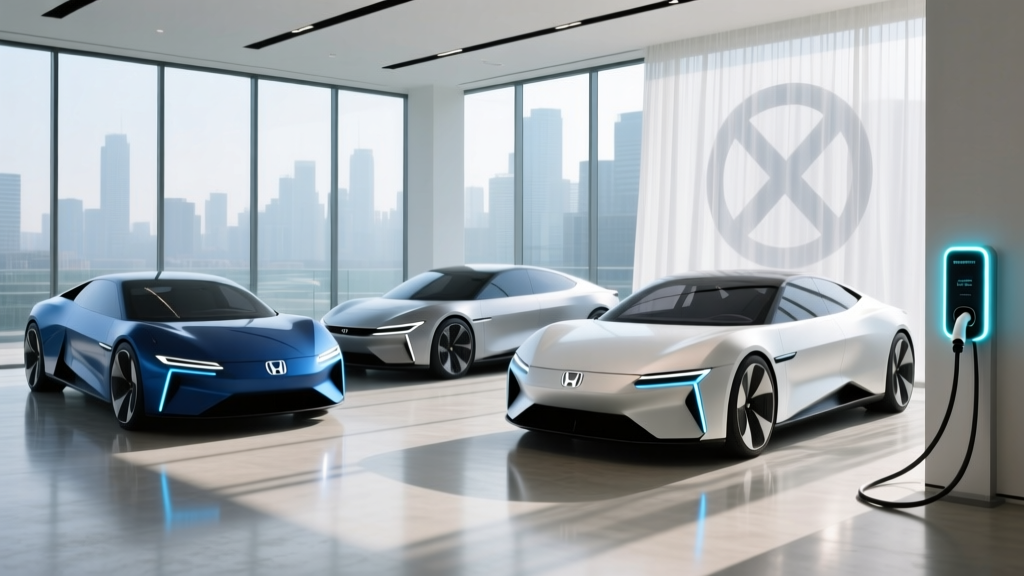
In early 2025, Honda confirmed it was scaling back its electrification strategy, effectively canceling or indefinitely delaying three planned electric vehicles for the U.S. market: a next-generation electric SUV built on its proprietary "0 Series" platform, a compact electric crossover, and a battery-electric sedan that was part of its revised EV roadmap. The decision was driven by slowing EV demand growth, tariff uncertainty, and a strategic pivot back toward hybrids.
What this means practically: If you were waiting for a next-gen Honda EV, the timeline is now unclear. Honda's current U.S. EV lineup remains limited to the Prologue (built on GM's Ultium platform, EPA range up to 308 miles, starting around $47,400) and the upcoming Acura ZDX. Honda has signaled it will lean heavily into its hybrid lineup through 2030.
Bottom line: Buyers who wanted a Honda-badged EV beyond the Prologue should evaluate alternatives now — whether that's competing EVs from Hyundai, Tesla, or Ford, or Honda's own strong hybrid models like the CR-V Hybrid and Accord Hybrid.
Why Honda Pulled Back on U.S. EVs
Honda's about-face wasn't sudden — it reflected compounding market pressures. The company had initially committed to an aggressive EV rollout, including models on its new dedicated EV architecture. But several factors converged:
- Slower-than-expected EV adoption: U.S. EV sales growth decelerated in 2024-2025, with many buyers opting for hybrids instead.
- Tariff and policy uncertainty: Shifts in federal EV incentive structures under IRS §30D rules created planning challenges for automakers pricing vehicles years in advance.
- GM Ultium dependency: The Prologue relies on General Motors' platform, limiting Honda's control over battery supply, pricing, and differentiation.
- Hybrid profitability: Honda's hybrid models (CR-V Hybrid, Accord Hybrid, Civic Hybrid) are selling well with strong margins and no range-anxiety consumer pushback.
The result: Honda chose to delay or cancel three planned EVs and redirect investment toward expanding its hybrid portfolio. For U.S. buyers, this narrows the field of upcoming Honda-badged electric options significantly.
Current Honda Electrified Options: What's Actually Available
Despite the cancellations, Honda still sells electrified vehicles in the U.S. Here's the current lineup with real numbers:
| Model | Type | EPA Range / MPG | Starting MSRP | Federal Credit Eligibility |
|---|---|---|---|---|
| Honda Prologue (FWD) | BEV (GM Ultium) | 296 mi EPA; ~240 mi real-world highway | $47,400 | Varies by sourcing/battery rules |
| Honda Prologue (AWD) | BEV (GM Ultium) | 281 mi EPA (Elite); ~230 mi real-world | $50,400 | Varies by sourcing/battery rules |
| Honda CR-V Hybrid (AWD) | HEV | 40 city / 34 hwy / 37 combined MPG | $36,395 | Not eligible (§30D is BEV/PHEV only) |
| Honda Accord Hybrid | HEV | 51 city / 44 hwy / 48 combined MPG | $34,990 | Not eligible |
| Honda Civic Hybrid | HEV | 50 city / 47 hwy / 49 combined MPG | $30,595 | Not eligible |
The Prologue is a competent midsize electric SUV with competitive range and DC fast charging up to 150 kW (10-80% in approximately 30 minutes). However, it shares its bones with the Chevrolet Blazer EV and lacks the 800V architecture that enables faster charging in rivals like the Hyundai Ioniq 5 (peak 240 kW, 10-80% in ~18 minutes).
EV vs. Hybrid vs. Gas: Real Cost Comparison
With Honda pivoting toward hybrids, the practical question is whether you should buy an EV, a hybrid, or stick with gas. Here's a five-year cost breakdown using the Prologue BEV, CR-V Hybrid, and CR-V gas model as comparables, assuming 15,000 miles/year and national average energy prices:
| Cost Category | Prologue BEV (AWD) | CR-V Hybrid AWD | CR-V Gas AWD |
|---|---|---|---|
| Purchase Price (MSRP) | $50,400 | $36,395 | $34,095 |
| Est. Federal Tax Credit | $0–$7,500 (varies) | $0 | $0 |
| Fuel/Energy (5 yrs) | $4,500 (home L2) / $7,200 (public DC mix) | $6,900 | $9,400 |
| Maintenance (5 yrs) | $1,800 | $3,200 | $3,800 |
| Insurance (5 yrs est.) | $9,500 | $7,800 | $7,500 |
| Estimated Resale Value | -$22,000 | -$16,500 | -$15,000 |
| Net 5-Year Cost | $36,700–$44,200 | $37,795 | $39,795 |
Key takeaway: The Prologue can be cost-competitive over five years if you qualify for the full tax credit and charge primarily at home. But Honda's hybrids deliver lower upfront cost, no charging dependency, and strong fuel savings — which is precisely why Honda is doubling down on them.
According to fueleconomy.gov, the Prologue AWD achieves 95 MPGe combined. The CR-V Hybrid returns 37 MPG combined — a significant gap in efficiency that translates to meaningful savings only if electricity costs stay low and you avoid expensive public DC fast charging sessions.
If Honda's EVs Are Canceled, What Should You Buy Instead?
The cancellations leave a gap in Honda's future EV portfolio. Here are the most logical alternatives depending on your priorities:
Decision Framework: Which Electrified Vehicle Fits Your Situation
Choose a competing BEV if:
- You have reliable home Level 2 charging access (240V, 30-50A circuit)
- Your daily driving is under 80 miles round-trip
- You live in a region with reliable public DC fast-charging infrastructure (Tesla Supercharger, Electrify America)
- You want to eliminate gasoline costs entirely
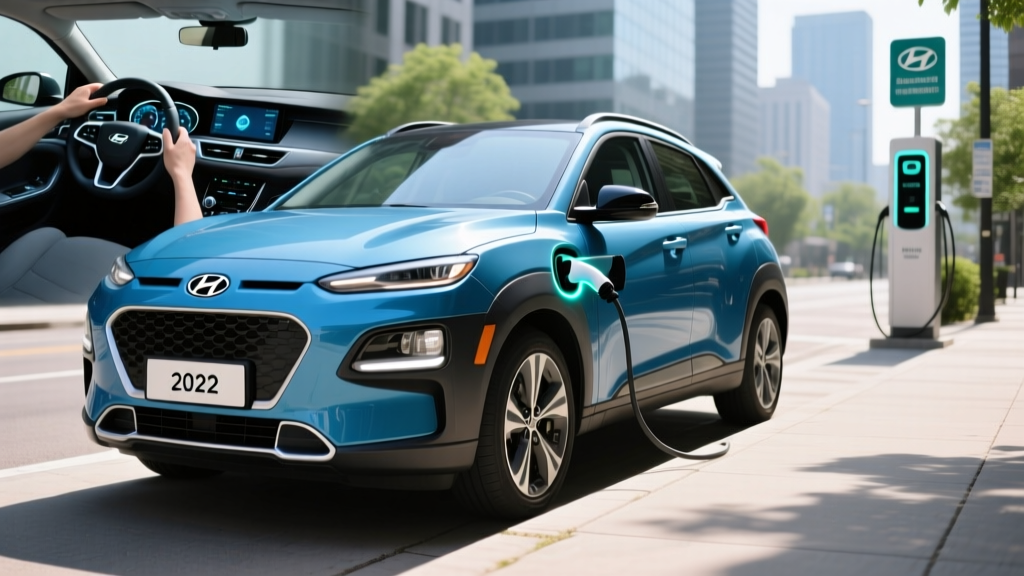
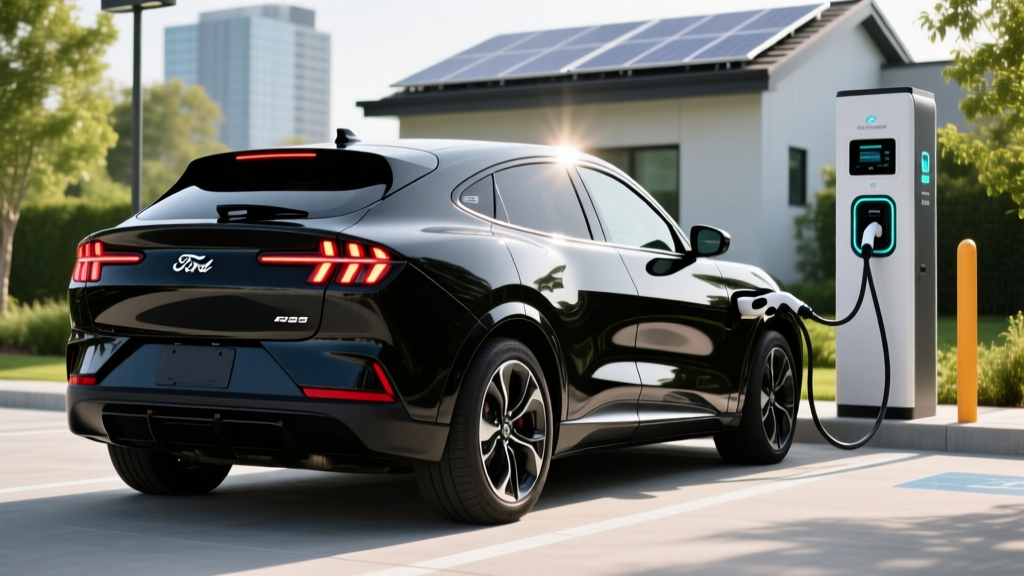
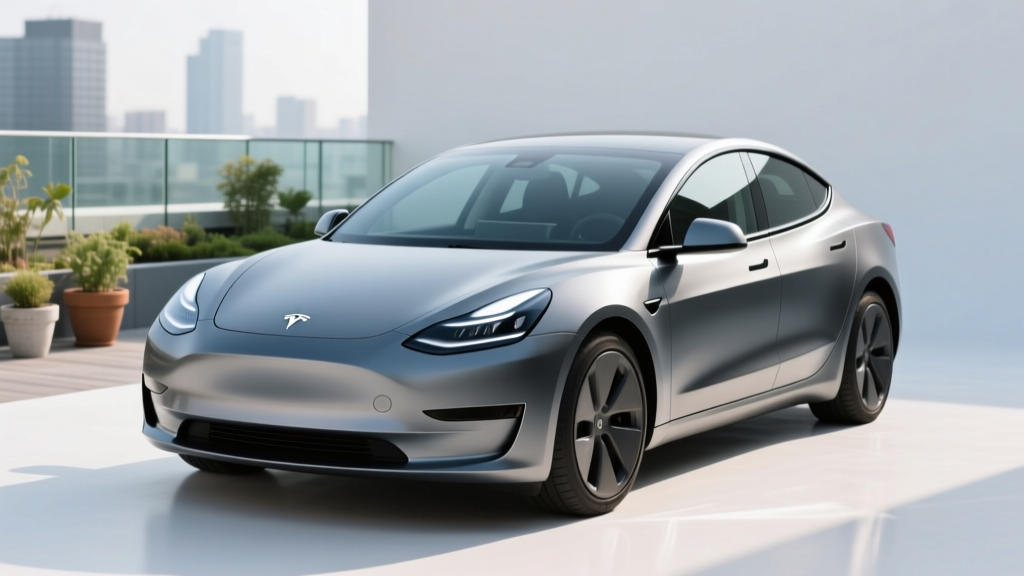
- Top alternatives: Hyundai Ioniq 5 (310 mi EPA, ~$43,000), Tesla Model Y (320 mi EPA, ~$44,990), Ford Mustang Mach-E (320 mi EPA, ~$42,995)
Choose a Honda Hybrid if:
- You lack home charging access (apartment, street parking)
- You regularly drive in extreme cold (below 20°F), where EV range drops 20-30%
- You take frequent road trips exceeding 300 miles without convenient charging
- You want lower upfront cost with no behavioral change
- Top picks: CR-V Hybrid (37 MPG combined, $36,395), Accord Hybrid (48 MPG combined, $34,990)
Choose a PHEV (plug-in hybrid) if:
- You can charge at home but also want gas-engine range for road trips
- Your daily commute is under 30-40 miles (electric-only covers it)
- Note: Honda currently does not sell a PHEV in the U.S. Consider the Toyota RAV4 Prime (42 mi electric-only, 94 MPGe, ~$44,590) or Hyundai Tucson PHEV (33 mi electric-only, 80 MPGe, ~$38,725)
What First-Time EV Buyers Need to Know Before Choosing
If Honda's cancellations are pushing you toward your first EV purchase from another brand, these are the ownership realities that spec sheets don't emphasize:
Home Charging Is the Make-or-Break Factor
Over 80% of EV charging happens at home. A Level 2 home charger (7.2 kW to 11.5 kW) adds roughly 25-45 miles of range per hour of charging — enough to fully replenish any EV overnight. Installation costs typically run $800-$2,500 depending on whether your electrical panel needs an upgrade to 200A service. Without home charging, EV ownership becomes significantly less convenient and more expensive (public DC fast charging costs $0.30-$0.50/kWh vs. $0.12-$0.18/kWh for residential electricity).
Real-World Range vs. EPA Stickers
EPA range estimates are useful but optimistic for highway and cold-weather driving. Expect:
- Highway driving (75+ mph): 15-20% less than EPA combined range
- Cold weather (below 30°F): 20-30% reduction, worse with cabin heating
- DC fast charging taper: Charging slows dramatically above 80% SoC — a "150 kW peak" charger may average 70-90 kW over a full 10-80% session
The Federal Tax Credit Is Not Guaranteed
The §30D federal tax credit offers up to $7,500 for qualifying new EVs, but eligibility depends on:
- MSRP caps: SUVs/pickups/vans ≤ $80,000; sedans ≤ $55,000
- Buyer income caps: AGI ≤ $150,000 (single) / $300,000 (joint)
- Battery sourcing requirements: Critical minerals and battery components must meet escalating domestic/free-trade-agreement thresholds — these rules tighten annually
- Point-of-sale transfer: As of 2024, you can transfer the credit to the dealer for an immediate price reduction, but you must meet all eligibility requirements or face IRS clawback
Always verify a specific vehicle's current eligibility on fueleconomy.gov before committing to a purchase.
| Myth | Fact |
|---|---|
| "EV batteries need replacing every few years" | Modern NMC and LFP batteries are warrantied for 8 years/100,000 miles with ≥70% capacity retention. Real-world degradation data shows most lose 8-12% over 8 years. |
| "EVs are always cheaper to own than gas cars" | Not always. Higher purchase prices, insurance premiums (typically 15-25% more), and faster depreciation can offset fuel savings — especially without a tax credit or home charging. |
| "All public chargers are unreliable" | Tesla Superchargers consistently achieve 99%+ uptime. Non-Tesla networks (Electrify America, EVgo) average 85-92% uptime. NACS adoption is improving cross-network reliability. |
| "Honda is abandoning EVs entirely" | Honda is delaying/canceling three planned models but still sells the Prologue and has committed to its 0 Series EV platform for global markets — just on a slower U.S. timeline. |
The Hybrid Case: Why Honda's Pivot Makes Sense for Many Buyers
Honda's decision to prioritize hybrids over new EVs isn't just a corporate retreat — it reflects genuine buyer preferences in 2025-2026. Consider the data:
- Hybrid sales grew roughly 40% year-over-year in 2024 while BEV growth slowed to single digits
- The CR-V Hybrid achieves 37 MPG combined with no charging infrastructure required, no range anxiety, and a starting price $14,000 below the Prologue
- Over 15,000 miles/year, the CR-V Hybrid saves approximately $2,500 in fuel costs versus the gas CR-V (at $3.40/gallon), paying back its modest price premium in about 2-3 years
- Hybrid batteries carry the same 8-year/100,000-mile warranty as EV batteries but are smaller (typically 1.5-2.0 kWh), making eventual replacement far cheaper ($2,000-$3,500 vs. $10,000-$20,000+ for an EV pack)
For buyers in regions with limited charging infrastructure, extreme cold, or apartment living without charging access, Honda's hybrid-first strategy actually aligns well with practical needs. The Accord Hybrid's 48 MPG combined is genuinely exceptional for a midsize sedan — achieving the fuel cost savings of an EV without any lifestyle adaptation.
Frequently Asked Questions
Did Honda cancel all electric vehicles for the U.S.?
No. Honda canceled or indefinitely delayed three planned future EV models. The Honda Prologue remains on sale, and Honda has not abandoned its long-term EV plans — but the timeline for additional Honda-badged EVs beyond the Prologue is now uncertain.
Is the Honda Prologue being discontinued?
As of this writing, the Prologue remains in Honda's U.S. lineup. It is built on GM's Ultium platform at a GM plant, so its production depends on the Honda-GM partnership, which continues for now.
Will Honda's 0 Series EVs ever come to the U.S.?
Honda has shown the 0 Series concept vehicles globally, but U.S. timing has been pushed back. Honda executives have indicated these models will arrive later than originally planned, likely not before 2027-2028 at the earliest for U.S. showrooms.
Should I wait for Honda's next EV or buy now?
Given the cancellations and delays, waiting carries significant uncertainty. If you need an electrified vehicle now, evaluate the Prologue against competitors (Ioniq 5, Model Y, Mach-E) or consider Honda's hybrids if charging access is a concern.
Are Honda hybrids eligible for any tax credits?
No. Conventional hybrids (HEVs) like the CR-V Hybrid and Accord Hybrid do not qualify for the §30D federal clean vehicle credit, which applies only to BEVs and PHEVs with plug-in capability. Some states may offer separate hybrid incentives — check your state's energy office for details.
What's the best Honda for someone who wants to reduce fuel costs?
The Honda Accord Hybrid (48 MPG combined, ~$34,990) offers the strongest fuel economy in Honda's lineup. For an SUV, the CR-V Hybrid (37 MPG combined, ~$36,395) is the most efficient choice without stepping to the all-electric Prologue.