Heavy Duty Electric Scooters: The Bottom Line
Heavy duty electric scooters (2000W+ motors, 1-3 kWh batteries) deliver 40-70 miles of real-world range at 35-50 mph top speeds. Expect to pay $2,500-$5,500 for quality models in 2026, with home charging costs around $0.15-$0.40 per full charge. They eliminate fuel and oil changes but require secure storage and 4-8 hour Level 1 charging times. Best for urban commuters with garage access and trips under 50 miles.
What Defines a Heavy Duty Electric Scooter?
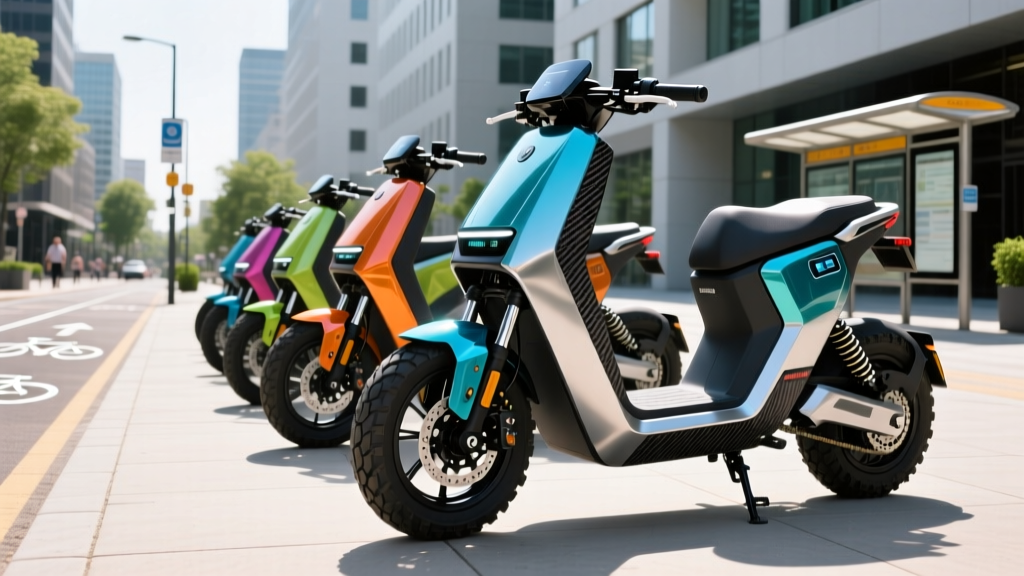
Heavy duty electric scooters are classified by motor power, battery capacity, and build quality. Unlike lightweight commuter scooters (250-500W), heavy duty models feature:
- Motor: 2000W-5000W peak (typically dual motors for all-wheel drive)
- Battery: 1.0-3.0 kWh lithium-ion (NMC chemistry common, some LFP for longevity)
- Top Speed: 35-50 mph (electronically limited in some regions)
- Weight Capacity: 265-330 lbs rider weight
- Build: Aircraft-grade aluminum frame, 10-11 inch pneumatic tires, hydraulic disc brakes
Popular 2026 models include the Kaabo Wolf King GTR ($4,299, 3.0 kWh, 60-mile range), Dualtron Thunder 3 ($5,199, 2.9 kWh, 70-mile range), and Apollo Phantom V3 ($3,499, 2.1 kWh, 45-mile range).
Real-World Range: What the Specs Don't Tell You
Manufacturer range claims assume optimal conditions: 165-lb rider, flat terrain, 15 mph, 68°F, no wind. Real-world range typically drops 20-40% depending on usage:
| Condition | Range Impact | Example (60-mile rated scooter) |
|---|---|---|
| Aggressive acceleration, 35+ mph | -25% to -35% | 39-45 miles actual |
| Cold weather (below 40°F) | -20% to -30% | 42-48 miles actual |
| Hilly terrain (5%+ grades) | -15% to -25% | 45-51 miles actual |
| 200+ lb rider | -10% to -15% | 51-54 miles actual |
| Combined (cold, hills, fast) | -40% to -50% | 30-36 miles actual |
Battery chemistry matters: NMC offers higher energy density (lighter weight, more range) but degrades faster above 80% state of charge. LFP chemistry is heavier but maintains 80% capacity after 2000+ cycles vs 800-1200 for NMC. If you plan to charge daily to 100%, LFP is more durable long-term.
Charging Time and Infrastructure Reality
Heavy duty scooters charge on standard 120V household outlets (Level 1). There's no DC fast charging infrastructure for scooters like there is for EVs. Charging times vary by battery size and charger amperage:
| Battery Size | Charger Output | 0-100% Time | Electricity Cost |
|---|---|---|---|
| 1.5 kWh | 2A (240W) | 6-7 hours | $0.18-$0.25 |
| 2.0 kWh | 3A (360W) | 5-6 hours | $0.24-$0.33 |
| 3.0 kWh | 4A (480W) | 6-8 hours | $0.36-$0.50 |
Most owners charge overnight at home. If you lack garage or outlet access, apartment charging is impractical—carrying a 15-25 lb battery indoors is possible but cumbersome. Some workplaces offer charging, but it's not standardized like Level 2 EV charging.
Charging best practice: For NMC batteries, charge to 80-90% daily and 100% only when you need full range. This extends battery life by 30-50%. LFP batteries tolerate daily 100% charges without significant degradation.
Cost Comparison: Electric Scooter vs Gas Scooter vs Car
Let's compare 5-year ownership costs for a 15-mile daily commute (3,750 miles/year):
| Vehicle Type | Purchase Price | Fuel/Energy (5yr) | Maintenance (5yr) | Insurance (5yr) | Total 5-Year Cost |
|---|---|---|---|---|---|
| Heavy Duty E-Scooter | $3,500 | $225 | $400 | $0* | $4,125 |
| Gas Scooter (150cc) | $3,200 | $1,875 | $1,500 | $1,500 | $8,075 |
| Used Gas Car | $12,000 | $5,625 | $3,000 | $6,000 | $26,625 |
| New EV (Nissan Leaf) | $28,000** | $1,500 | $1,200 | $7,500 | $38,200 |
*Most states don't require insurance for low-speed electric scooters, but check local laws. **After $7,500 federal tax credit (if eligible per IRS §30D rules).
The e-scooter saves $3,950 vs a gas scooter over 5 years, primarily from eliminated fuel ($1,650), reduced maintenance ($1,100), and no insurance ($1,500). However, scooters offer zero weather protection, minimal cargo capacity, and higher accident risk.
Maintenance and Longevity: What Breaks First?
Electric scooters have fewer moving parts than gas scooters—no oil changes, spark plugs, or carburetor adjustments. But they're not maintenance-free:
- Tires: Replace every 2,000-3,000 miles ($40-80 each). Puncture risk is real; consider tire sealant or tubeless setups.
- Brake pads: Replace every 3,000-5,000 miles ($20-40 per set). Hydraulic brakes need fluid flush every 2 years.
- Battery degradation: Expect 20-30% capacity loss after 3-5 years (800-1500 cycles). Replacement costs $600-$1,200 depending on kWh.
- Motor/controller: Rarely fail, but water damage or overheating can fry electronics. Avoid deep puddles and sustained full-throttle hill climbs.
- Suspension: Fork seals and shock absorbers wear at 5,000-8,000 miles on rough roads.
Battery warranty is typically 12 months, which is short compared to EV batteries (8 years/100,000 miles). Factor in a potential $800-$1,000 battery replacement at year 4-5 if you ride daily.
Safety and Legal Considerations
Heavy duty scooters blur the line between bicycle and motorcycle. Key safety and legal realities:
- Helmet: Mandatory in most states for scooters over 20 mph. Use a motorcycle-rated full-face helmet, not a bike helmet.
- Licensing: Varies by state. Some require motorcycle endorsement for 30+ mph scooters; others classify them as "motorized bicycles." Check your state DMV.
- Registration: Rarely required, but some cities mandate it for high-speed models.
- Crash risk: NHTSA data shows scooter injuries rose 300% from 2017-2022. Small wheels and upright posture make them less stable than motorcycles in emergencies.
- Theft: High-end scooters are theft targets. Budget $100-$200 for a heavy-duty U-lock and GPS tracker. Homeowners/renters insurance may cover theft ($15-30/month rider).
Decision Framework: Is a Heavy Duty Electric Scooter Right for You?
Choose a Heavy Duty E-Scooter If:
- Your one-way commute is under 25 miles (50-mile round trip with buffer)
- You have secure garage/storage with a 120V outlet
- You live in a mild climate (rarely below 35°F or above 95°F)
- You're comfortable with motorcycle-level risk and gear (helmet, gloves, jacket)
- You want to avoid car payments, parking fees, and traffic congestion
- Your budget is $3,000-$5,000 upfront
Choose a Gas Scooter or Car Instead If:
- You need 100+ mile range or frequent highway travel (55+ mph)
- You lack home charging access or secure storage
- You ride in heavy rain, snow, or extreme cold regularly
- You need to carry passengers or significant cargo (groceries, gear)
- You're risk-averse about accidents or theft
- You prefer the convenience of gas stations over overnight charging
Common Misconceptions About Heavy Duty Electric Scooters
| Myth | Fact |
|---|---|
| "They're as fast as motorcycles" | Most top out at 40-50 mph, with poor acceleration above 35 mph. Not highway-legal in most states. |
| "Zero maintenance" | Tires, brakes, and battery replacement add $200-$400/year in upkeep. |
| "Range is exactly as advertised" | Real-world range is 60-80% of manufacturer claims for aggressive riders or cold weather. |
| "Cheaper than a car in all cases" | True for solo commuting, but impractical for families, long trips, or bad weather. Many owners keep a car for 20% of trips. |
| "Batteries last forever" | Expect 20-30% capacity loss after 3-5 years of daily use. Replacement is $600-$1,200. |
| "You can ride in the rain safely" | IP54 water resistance handles light rain, but heavy downpours risk controller damage and hydroplaning on small wheels. |
Frequently Asked Questions
Can I ride a heavy duty electric scooter on the highway?
No. Most states prohibit scooters under 150cc or 50 mph from interstate highways. Even on surface streets with 45-55 mph limits, a 40-mph scooter is a safety hazard. Stick to roads with speed limits under 40 mph.
How long do the batteries really last?
NMC batteries retain 70-80% capacity after 800-1200 charge cycles (3-5 years of daily use). LFP batteries last 2000+ cycles but are heavier. If you ride 15 miles/day and charge nightly, expect to replace the battery at year 4-5 for $800-$1,000.
Do I need insurance?
Most states don't require insurance for electric scooters under 30 mph, but some do for faster models. Even if not required, consider liability coverage ($15-30/month) in case you hit a pedestrian or damage property. Homeowners/renters insurance may cover theft.
Can I charge it in my apartment?
Technically yes, if you can carry the scooter (60-90 lbs) or removable battery (15-25 lbs) upstairs. But charging in living spaces poses fire risk—lithium-ion thermal runaway is rare but real. Check your lease; some landlords prohibit indoor scooter charging.
What's the best model for beginners?
The Apollo Phantom V3 ($3,499) offers a good balance: 45-mile range, 38 mph top speed, approachable acceleration, and strong customer support. Avoid 50+ mph models until you have 500+ miles of experience. Always start in "eco mode" to limit power.
How do they compare to e-bikes?
E-bikes (750W, 20-28 mph) are better for shorter commutes (10-20 miles), bike lanes, and riders who want exercise. Heavy duty scooters excel at longer distances (30-50 miles), higher speeds, and standing/sitting comfort. E-bikes are lighter (40-60 lbs) and easier to carry upstairs.
Is it worth buying used?
Used scooters can save 30-50%, but battery health is the gamble. Ask for a battery voltage test—anything below 90% of original capacity means a $800-$1,000 replacement is imminent. Avoid scooters with swollen batteries, rusted frames, or non-functional displays. Check the IIHS for model-specific safety data if available.
Final Considerations Before You Buy
Heavy duty electric scooters are a niche solution for specific use cases: urban commuters with secure parking, short-to-medium trips, and tolerance for weather exposure and accident risk. They're not car replacements for most people, but they can eliminate 80% of solo car trips for the right rider.
Before purchasing, test ride at a local dealer (if available), measure your actual commute distance with a GPS app, and verify your storage/charging situation. Factor in $200-$400/year for maintenance and a potential $1,000 battery replacement at year 4-5. If the math works and the lifestyle fits, a heavy duty e-scooter can save thousands vs a gas car while delivering a fun, efficient commute.