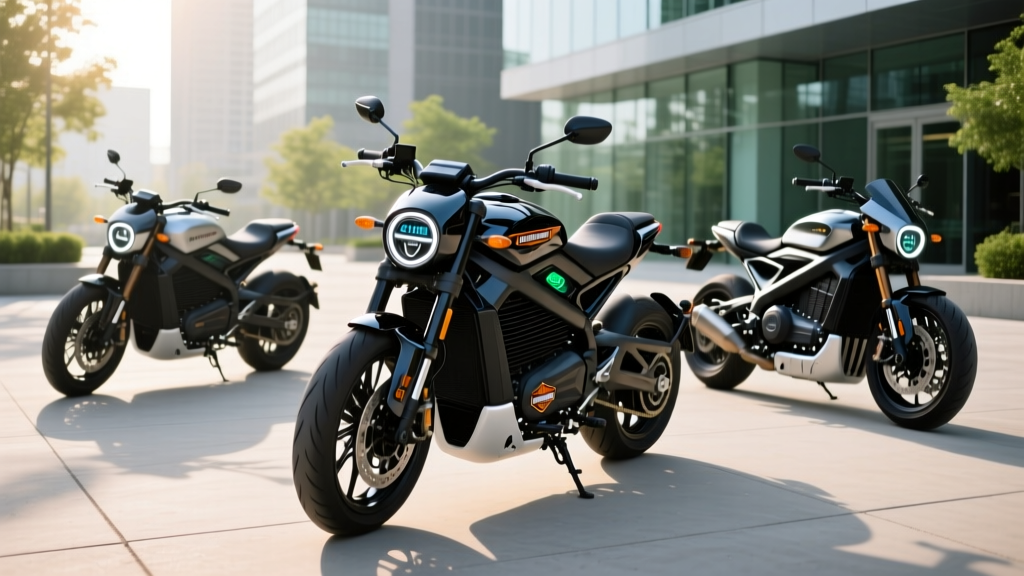
Quick Answer: Harley-Davidson no longer sells electric motorcycles under its own badge. Its electric motorcycle spin-off, LiveWire, operates as a separate brand. The current 2026 lineup includes the LiveWire ONE (146 miles city range, 95 miles combined) starting at ~$22,799, and the LiveWire S2 Del Mar (100 miles combined) starting at ~$15,499. These are classified as electric motorcycles — not eligible for the federal §30D electric vehicle tax credit (which applies only to four-wheeled vehicles). If you're searching for "Harley electric bikes," you're really looking at the LiveWire brand, and this guide breaks down the real numbers you need to decide if one fits your riding life.
Why Harley Electric Bikes Are Now Called LiveWire
In 2021, Harley-Davidson spun off its electric motorcycle division into an independent public company called LiveWire. Harley retains a majority ownership stake, and LiveWire motorcycles are still sold through select Harley-Davidson dealerships. But the branding, engineering, and product roadmap are now fully separate.
This matters for buyers because:
- Warranty and service are handled through LiveWire's network, which overlaps with Harley dealers but is not identical.
- Tax incentives differ from electric cars. The IRS §30D clean vehicle credit applies only to four-wheeled vehicles with four wheels and a GVWR under 14,000 lbs. Electric motorcycles may qualify for the alternative fuel vehicle credit (10% of cost, up to $2,500) if sourcing requirements are met, but this credit has historically been less reliable and subject to expiration.
- Registration and insurance treat these as motorcycles, not cars — meaning motorcycle licensing, helmet laws, and motorcycle-specific insurance rates apply.
The 2026 LiveWire Lineup: Range, Battery, and Charging Specs
Here are the exact numbers for the two main models currently available. Note that range figures for motorcycles use a combined city/highway cycle — unlike EPA car ratings, these tend to overstate real-world highway range significantly.
| Spec | LiveWire ONE | LiveWire S2 Del Mar |
|---|---|---|
| Base MSRP | $22,799 | $15,499 |
| Battery Capacity (usable) | 15.4 kWh (NMC lithium-ion) | 10.5 kWh (NMC lithium-ion) |
| City Range (claimed) | 146 miles | 113 miles |
| Combined Range (claimed) | 95 miles | 100 miles |
| Real-World Highway Estimate | ~60–70 miles | ~65–75 miles |
| Peak Motor Power | 105 HP (78 kW) | 84 HP (63 kW) |
| 0–60 mph | 3.0 seconds | 3.5 seconds |
| Top Speed | 110 mph | 103 mph |
| Level 2 Charge Rate (peak) | ~6.6 kW (J1772) | ~6.6 kW (J1772) |
| Level 2 Charge Time (0–100%) | ~2.5 hours | ~1.75 hours |
| DC Fast Charging (CCS) | ~25 kW peak, 0–80% in ~40 min | Not available (Level 2 only) |
| Weight | 549 lbs | 435 lbs |
| Battery Warranty | 5 years / unlimited miles | 5 years / unlimited miles |
Real-World Range Reality: The LiveWire ONE's 146-mile city figure assumes low-speed stop-and-go riding with heavy regenerative braking. On sustained highway riding at 70+ mph, expect 60–70 miles before the low-battery warning. Cold weather (below 40°F) can reduce this by an additional 15–25%. The S2 Del Mar, being lighter, holds up slightly better at highway speeds but still tops out around 75 real-world miles on a warm day.
Electric Motorcycle vs. Gas Motorcycle: Cost Comparison
The most common comparison shoppers make is against a mid-weight gas cruiser or standard motorcycle in the Harley-Davidson or Japanese brand range. Here's how a LiveWire ONE stacks up against a comparable gas motorcycle (e.g., Harley-Davidson Sportster S, MSRP ~$14,999) over 5 years and 25,000 miles of riding:
| Cost Factor (5 yr / 25k mi) | LiveWire ONE | Gas Motorcycle (Sportster S) |
|---|---|---|
| Purchase Price | $22,799 | $14,999 |
| Fuel / Electricity | ~$625 (at $0.14/kWh avg) | ~$2,500 (at $3.50/gal, 40 MPG avg) |
| Maintenance (oil, filters, chain) | ~$300 (tires, brake fluid, belt) | ~$1,800 (oil changes, chain, valves) |
| Insurance (avg motorcycle) | ~$3,500 | ~$3,000 |
| Estimated Tax Credit | $0–$2,500 (alternative fuel credit, if eligible) | $0 |
| Total 5-Year Cost | ~$27,224–$29,724 | ~$22,299 |
| Cost Per Mile | ~$1.09–$1.19 | ~$0.89 |
The electric motorcycle saves significantly on fuel and maintenance — electricity costs roughly 2.5 cents per mile vs. 10 cents per mile for gasoline. However, the higher upfront price and potentially higher insurance premiums (due to limited repair networks and battery replacement risk) narrow the gap. Over 5 years, the gas bike still comes out ahead in total cost unless you ride heavily in city conditions and can charge at home on cheap electricity.
Charging at Home: What You Actually Need
Every LiveWire ships with a Level 1 cord (120V standard outlet) that adds roughly 13 miles of range per hour of charging. For the ONE, a full Level 1 charge takes about 12 hours. This works if you ride under 40 miles per day and can charge overnight.
For faster turnaround, a Level 2 home station (240V) is the practical choice:
| Item | Estimated Cost |
|---|---|
| Level 2 EVSE (J1772, 32A/7.7 kW) | $350–$600 |
| Electrician labor (240V outlet or hardwire) | $500–$1,500 |
| Permit (if required locally) | $50–$200 |
| Electrical panel upgrade (if needed) | $1,000–$3,000 |
| Total typical install | $900–$2,300 |
Motorcycles draw far less power than cars, so most existing 200-amp residential panels can handle a Level 2 circuit without an upgrade. However, if your home has an older 100-amp panel or the circuit run is long (over 50 feet from the panel to your garage), costs climb.
Public charging is a real limitation. The LiveWire ONE supports DC fast charging via CCS at up to ~25 kW, which is slow by EV car standards (where 150–350 kW is common). The S2 Del Mar lacks DC fast charging entirely — Level 2 only. Electrify America and ChargePoint stations work, but motorcycle parking at charging stations is often awkward, and many stations are designed for cars. Plan accordingly.
Ownership Realities: What First-Time Electric Motorcycle Buyers Miss
| Myth | Fact |
|---|---|
| "Electric motorcycles are silent." | LiveWire models produce a distinctive turbine-like whine from the motor and gear reduction. They're not silent, but they lack the exhaust rumble of a gas Harley. |
| "I can ride cross-country." | With 60–70 miles of real highway range and 40-minute DC fast-charge stops, multi-state touring is technically possible but impractical. These are commuter and canyon-carving machines. |
| "The battery will need replacing in 5 years." | LiveWire guarantees the battery retains at least 80% capacity for 5 years with unlimited miles. NMC degradation data from similar packs suggests 10–15% capacity loss over 50,000+ miles with normal use. |
| "I'll get the $7,500 EV tax credit." | The §30D credit applies only to four-wheeled vehicles. Electric motorcycles may qualify for a separate alternative fuel credit (up to $2,500), but eligibility and availability vary — consult a tax professional and check current IRS guidance. |
| "No maintenance means no costs." | You still need tire replacements (every 5,000–10,000 miles), brake fluid flushes, belt/chain service, and firmware updates. Budget ~$100–$200/year minimum. |
Cold Weather Impact
Lithium-ion batteries lose efficiency in cold temperatures. Below 40°F, expect 15–25% range reduction on the LiveWire ONE. Below 20°F, the battery management system may limit charge rate and regenerative braking strength until the pack warms up. If you ride year-round in northern climates, plan for 50–55 miles of real highway range in winter.
Insurance Considerations
Electric motorcycles often carry higher insurance premiums than equivalent gas bikes. Insurers factor in higher repair costs (specialized high-voltage training for technicians), limited parts availability, and battery replacement costs (estimated $5,000–$8,000 for a LiveWire pack out of warranty). Get quotes from Progressive, Dairyland, and your current auto insurer before committing.
Decision Framework: Should You Buy a LiveWire?
Buy a LiveWire ONE if:
- You ride primarily in urban or suburban environments (under 50 miles/day)
- You have reliable Level 1 or Level 2 home charging access
- You value instant torque and silent acceleration over exhaust sound
- You want minimal maintenance and don't mind the premium price
- You understand this is not a touring motorcycle
Buy a LiveWire S2 Del Mar if:
- You want the most affordable entry into the LiveWire lineup
- Your daily ride is under 40 miles
- You don't need DC fast charging and charge exclusively at home
- You prefer a lighter, more nimble standard motorcycle
Stick with a gas motorcycle if:
- You regularly ride over 100 miles in a day
- You want to tour cross-country or ride in areas with sparse charging infrastructure
- You need a bike that can be refueled in 3 minutes anywhere
- Your budget is under $15,000 and you want maximum range per dollar
- Cold-weather riding below 20°F is a regular part of your season
Frequently Asked Questions
Does Harley-Davidson still make electric motorcycles?
Not directly. Harley-Davidson spun off its electric motorcycle line into LiveWire, a separate publicly traded company, in 2021. Harley retains majority ownership and LiveWire bikes are sold through some Harley dealerships, but the products, branding, and engineering are independent.
How far can a LiveWire actually go on a charge?
The LiveWire ONE is rated at 146 miles in city conditions and 95 miles combined. In real-world highway riding at 65–75 mph, expect 60–70 miles. The S2 Del Mar delivers roughly 65–75 real highway miles. Cold weather reduces these figures by 15–25%.
Can I charge a LiveWire at a Tesla Supercharger?
No. LiveWire models use the J1772 connector for Level 2 and CCS for DC fast charging (ONE only). Tesla Superchargers use the NACS connector and are not compatible without an adapter, and no reliable NACS-to-motorcycle adapter currently exists for DC fast charging.
Is the LiveWire eligible for the $7,500 federal EV tax credit?
No. The IRS §30D clean vehicle credit applies only to vehicles with four wheels. Electric motorcycles may qualify for a different credit — the alternative fuel vehicle refueling property credit or a legacy two-wheeler credit — but these have different rules, lower values (up to $2,500), and varying availability. Always verify current eligibility on irs.gov or with a tax professional.
How long does the LiveWire battery last before replacement?
LiveWire warranties the battery for 5 years with unlimited miles, guaranteeing at least 80% capacity retention. Based on NMC chemistry degradation data, you can reasonably expect 10+ years and 50,000+ miles before the battery drops below 80% capacity with normal use. A full battery replacement, if needed out of warranty, is estimated at $5,000–$8,000.
How fast does a LiveWire charge at home?
On a standard 120V outlet (Level 1), the LiveWire ONE gains about 13 miles per hour — a full charge takes roughly 12 hours. On a 240V Level 2 station at 6.6 kW, the ONE charges from 0–100% in about 2.5 hours, and the S2 Del Mar in about 1.75 hours.