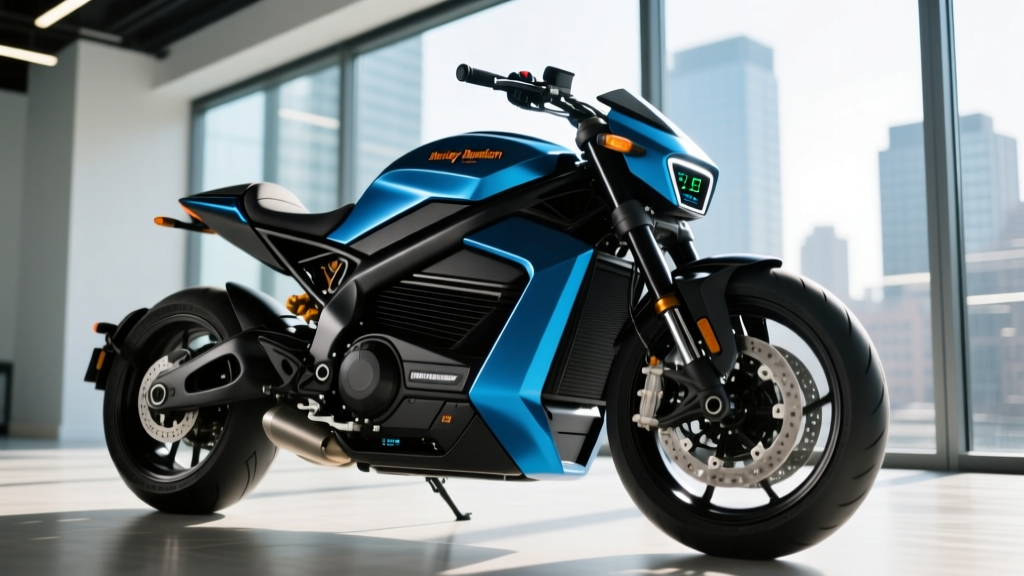
Harley-Davidson's entry into the electric motorcycle market centers on the LiveWire brand, specifically the LiveWire One — a premium electric street bike that trades Harley's traditional V-twin rumble for instant torque and silent acceleration. But does it make sense as a daily rider or weekend toy?
Quick Answer: Harley-Davidson Electric Motorcycles in 2026
Harley-Davidson sells electric motorcycles through its LiveWire sub-brand. The flagship LiveWire One starts at $21,999 with a 15.5 kWh battery, delivering up to 146 miles of city range (94 miles highway) and a 0-60 mph time of 3.0 seconds. It's best suited for urban commuters with home charging access who prioritize performance over touring range. Harley also offers the more affordable LiveWire S2 Del Mar at ~$15,499 with 100 miles of range.
LiveWire One Specs: Range, Battery, and Performance
The LiveWire One is Harley-Davidson's most capable electric motorcycle, built on the Revelation powertrain platform. Here's what the numbers look like for the current model:
| Specification | LiveWire One |
|---|---|
| Base MSRP | $21,999 |
| Battery Capacity | 15.5 kWh (usable) |
| Battery Chemistry | NMC (Nickel Manganese Cobalt) |
| City Range (EPA) | 146 miles |
| Highway Range (EPA, 70 mph) | 94 miles |
| Combined Range (EPA) | ~110 miles |
| Motor Output | 105 HP / 86 lb-ft torque |
| 0-60 mph | 3.0 seconds |
| Top Speed | 110 mph (electronically limited) |
| Level 1 Charging (120V) | ~13.7 hours (0-100%) |
| Level 2 Charging (240V) | ~1.25 hours (0-100%) |
| DC Fast Charging (CCS) | ~20 minutes (0-80%) |
| Warranty | 2 years unlimited miles (bike); 5 years battery |
Real-World Range Expectations
The EPA rates the LiveWire One at 146 miles in stop-and-go city riding, where regenerative braking recaptures energy. On the highway at sustained 70+ mph speeds, expect closer to 90-95 miles. In cold weather (below 40°F), battery efficiency drops — plan for 70-80 miles of real highway range in winter conditions. This makes the LiveWire One a strong commuter but impractical for long-distance touring without careful route planning around DC fast chargers.
LiveWire S2 Del Mar: The More Accessible Option
For riders who find the LiveWire One too expensive or too aggressive, the LiveWire S2 Del Mar offers a flatter, more upright riding position and a lower price point. Key specs include:
- Price: ~$15,499
- Battery: 10.5 kWh
- City Range: ~100 miles
- Highway Range: ~70 miles
- Motor Output: 80 HP
- 0-60 mph: ~3.5 seconds
- Level 2 Charge Time: ~1.5 hours (0-100%)
The S2 Del Mar trades some performance and range for affordability and a more relaxed ergonomic package. It's positioned against electric motorcycles like the Zero SR/S and the Energica Experia, though availability has been limited since its announcement — check with your local LiveWire dealer for current inventory.
Cost Breakdown: LiveWire One vs. Gas Harley-Davidson
The sticker shock of a $22,000 electric motorcycle fades somewhat when you factor in fuel savings, reduced maintenance, and the federal tax credit. Here's a five-year ownership comparison between the LiveWire One and a comparable gas-powered Harley-Davidson Sportster S (MSRP ~$14,499):
| Cost Factor | LiveWire One (EV) | Sportster S (Gas) |
|---|---|---|
| Purchase Price | $21,999 | $14,499 |
| Federal Tax Credit (§30D) | Up to $7,500* | $0 |
| Effective Purchase Price | ~$14,499 | $14,499 |
| Fuel/Energy (5 yrs, 12K mi/yr) | ~$1,200 (home charging) | ~$4,800 (gasoline at $3.50/gal, 40 MPG) |
| Maintenance (5 yrs) | ~$400 (tires, brake fluid) | ~$2,500 (oil, filters, chain, valves) |
| Insurance (5 yrs avg) | ~$4,200 | ~$3,600 |
| Total 5-Year Cost | ~$20,299 | ~$25,399 |
*The IRS §30D Clean Vehicle Credit provides up to $7,500 for qualifying electric motorcycles. Eligibility depends on battery component sourcing, critical minerals requirements, buyer income caps ($150K single / $300K joint), and MSRP limits ($80,000 for motorcycles). Verify current-year eligibility with a tax professional before purchase. The credit can be transferred to the dealer at point of sale as of 2024.
Charging at Home and on the Road
Electric motorcycle charging is simpler than EV car charging in some ways (smaller battery = faster full charges) but comes with infrastructure limitations:
Home Charging (Level 1 & Level 2)
Every LiveWire One ships with a Level 1 charging cord that plugs into a standard 120V household outlet. At ~1.3 kW, a full charge takes about 13-14 hours — fine for overnight replenishment if you ride less than 50 miles daily.
For faster home charging, you'll want a 240V Level 2 setup. A Level 2 station (like a ChargePoint Home Flex or similar) delivers roughly 12-14 kW to the bike, cutting charge time to about 75 minutes for a full battery. Installation typically costs $500-$1,500 depending on your electrical panel's capacity and the run length from panel to garage.
Public DC Fast Charging
The LiveWire One supports CCS1 DC fast charging, which can replenish the battery from 0-80% in roughly 20 minutes at a compatible station. However, public DC fast charging infrastructure for motorcycles is sparse — most chargers are designed for cars, and parking a motorcycle at a four-wheeler charging spot can feel awkward or even draw complaints. Plan road trips carefully using apps like PlugShare, filtering for CCS-compatible stations with motorcycle-friendly parking.
Common Misconceptions About Harley-Davidson Electric Motorcycles
| Myth | Fact |
|---|---|
| "Electric Harleys have no soul — no sound, no character." | The LiveWire One produces a distinctive turbine-like whine under acceleration. It's not silent, just different. Many riders appreciate the instant torque delivery that no gas V-twin can match. |
| "The range is too low for real riding." | 146 city miles covers most commutes and errands easily. Highway range (94 mi) is the limitation — this is not a touring bike. For riders who do 80%+ of riding in urban/suburban environments, the range is sufficient. |
| "Batteries will need expensive replacement in a few years." | LiveWare warranties the battery for 5 years with unlimited mileage. NMC batteries typically retain 80%+ capacity after 500+ full charge cycles. Real-world degradation data from early LiveWire owners shows minimal loss at 3-4 years of ownership. |
| "You can't ride in the rain." | The LiveWire One is fully weather-sealed (IP67-rated battery enclosure). Riding in rain is no different than on a gas motorcycle. Avoid submerging the bike, but normal wet-road riding is perfectly safe. |
| "It qualifies for the full $7,500 tax credit automatically." | Tax credit eligibility depends on battery sourcing requirements, your income, and MSRP caps. Not every buyer qualifies for the full amount. Check IRS guidelines and consult a tax professional. |
Who Should Buy a LiveWire Electric Motorcycle?
Decision Framework: Is the LiveWire One Right for You?
Choose the LiveWire One if:
- You commute 30-60 miles daily in urban or suburban environments
- You have access to Level 1 or Level 2 home charging (garage or dedicated outlet)
- You value instant torque and sub-3.5-second 0-60 performance
- You want minimal maintenance (no oil changes, no chain lubrication, no valve adjustments)
- You're eligible for the federal tax credit, bringing effective price near $14,500
Choose a gas Harley-Davidson (or skip LiveWire) if:
- You regularly ride 100+ miles on highways or plan multi-state touring
- You live in an apartment or lack access to any home charging
- You live in a region with extreme cold (below 20°F) for extended periods and need consistent range
- The traditional Harley experience — sound, vibration, mechanical character — is central to your riding identity
- Your budget is firmly under $15,000 and you don't qualify for the tax credit
Consider the LiveWire S2 Del Mar if:
- You want electric but find the One's $22K price too steep
- You prefer a more upright, standard riding position over sport ergonomics
- Your daily rides stay under 50 miles
Real-World Ownership Considerations
Climate and Range
Battery chemistry matters in extreme temperatures. The LiveWire One's NMC battery performs best between 60-85°F. Below 40°F, expect 15-25% range reduction due to increased internal resistance and the energy cost of battery heating. If you ride year-round in Minneapolis or Buffalo, plan for winter range of roughly 70-80 highway miles.
Insurance Costs
Electric motorcycles often carry slightly higher insurance premiums than comparable gas bikes — typically 10-20% more — due to higher repair costs for battery and powertrain components. Get quotes from Progressive, GEICO, and specialty motorcycle insurers before purchasing. The LiveWire One's $22K MSRP and 105 HP output place it in a higher insurance tier than a 500cc gas commuter bike.
Dealer Network and Service
LiveWire is sold through select Harley-Davidson dealerships that have been certified for high-voltage service. Not every Harley dealer carries or services LiveWire models. Before buying, confirm your nearest certified LiveWire dealer and their service turnaround times. Major metro areas are generally well-covered; rural riders may face longer travel for warranty service.
Resale Value
Electric motorcycles are still a niche category, and long-term resale data is limited. Early LiveWire models (2019-2021) have seen significant depreciation — some selling for 40-50% below original MSRP on the used market. This is partly due to the 2022 price cut (from $29,799 to $21,999) resetting expectations. If resale value is a priority, factor in steeper depreciation than a gas Harley, which holds value more predictably.
Frequently Asked Questions
Does Harley-Davidson still make electric motorcycles in 2026?
Yes, through the LiveWire sub-brand. The LiveWire One remains the flagship model, with the S2 Del Mar expanding the lineup at a lower price point. Harley-Davidson has committed to growing its electric portfolio, though specific future models remain unannounced as of early 2026.
Can I charge a LiveWire at a Tesla Supercharger?
No. The LiveWire One uses the CCS1 connector for DC fast charging, which is not compatible with Tesla's NACS (North American Charging Standard) connectors used at Superchargers. You'll need to use Electrify America, EVgo, ChargePoint, or other CCS-compatible networks.
How long does a LiveWire battery last before replacement?
The battery is warrantied for 5 years with unlimited mileage. Based on NMC chemistry degradation curves and early owner reports, expect 80%+ capacity retention at 5 years with normal use. A full battery replacement (if needed out of warranty) would likely cost $5,000-$8,000, though this is speculative as few owners have needed one.
Is the LiveWire One faster than a gas Harley?
In straight-line acceleration, yes. The LiveWire One's 3.0-second 0-60 mph time beats most production gas Harleys, including the Sportster S (~3.8 seconds) and the Fat Boy (~4.5 seconds). Electric motors deliver peak torque from 0 RPM, giving the LiveWire a decisive advantage off the line. Top speed is comparable to mid-range gas cruisers at 110 mph.
Do I need a special electrical setup at home?
For Level 1 charging (the included cord), a standard 120V/15A outlet is sufficient — no special setup needed, though charging takes ~14 hours. For Level 2 charging (~75 minutes), you'll need a 240V outlet (like a NEMA 14-50) installed by a licensed electrician. Cost typically ranges from $500-$1,500 depending on your panel capacity and wiring distance.
Are Harley-Davidson electric motorcycles eligible for the $7,500 federal tax credit?
The LiveWire One can qualify for up to $7,500 under the IRS §30D Clean Vehicle Credit, but eligibility is not automatic. You must meet income caps ($150K single / $300K joint AGI), the motorcycle must meet battery sourcing and critical minerals requirements, and the MSRP must be under $80,000 (which it is). Consult a tax professional and verify current-year eligibility before relying on the credit in your budget.
Sources: LiveWire official specifications, IRS §30D Clean Vehicle Credit guidelines, EPA fueleconomy.gov.