The Short Answer: Is a Harley-Davidson EV Right for You?
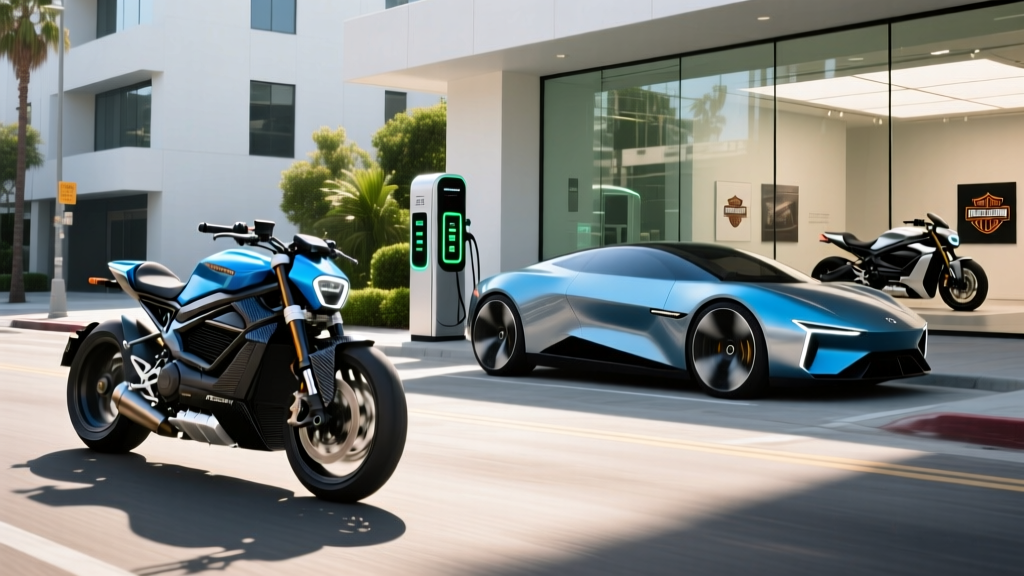
Harley-Davidson sells electric motorcycles through its LiveWire brand — not under the traditional Harley badge. The current lineup includes the LiveWire One (premium cruiser, ~$21,998 MSRP) and the S2 Del Mar (midweight platform, ~$15,998 MSRP). Both deliver real-world range of roughly 70–95 miles depending on riding style and conditions, DC fast charge from 0–80% in approximately 30–40 minutes, and require Level 2 home charging for practical daily use. If you ride primarily in urban or suburban environments under 80 miles per day, have home charging access, and value instant torque with minimal maintenance, a LiveWire model is a viable commuter. If you need highway touring range, live in a charging desert, or ride in sustained cold weather, these motorcycles fall short of practical EV ownership.
Harley-Davidson's EV Strategy: LiveWire, Not the Bar & Shield
Harley-Davidson launched the LiveWire as a standalone electric motorcycle brand in 2019, initially selling the original LiveWire at $29,799 before rebranding and repositioning. As of 2026, LiveWire operates as a separate marque under Harley-Davidson's corporate umbrella, with its own dealer network and product roadmap. The traditional Harley-Davidson dealerships may refer buyers to LiveWire, but the electric motorcycles carry the LiveWire brand identity, not the classic Harley-Davidson name.
This distinction matters for buyers: you're evaluating a niche electric motorcycle brand with limited dealer support compared to mainstream EV automakers. LiveWire's dealer footprint is sparse outside major metro areas, which directly impacts service access, test rides, and warranty work.
Current Lineup: LiveWire One and S2 Del Mar Specs
| Specification | LiveWire One | S2 Del Mar |
|---|---|---|
| MSRP (2026) | $21,998 | $15,998 |
| Battery Capacity (usable) | 15.4 kWh (NMC) | 10.5 kWh (NMC) |
| EPA-Est. Range (city) | 146 miles | 100 miles |
| EPA-Est. Range (highway) | 70 miles | ~55 miles |
| Real-World Mixed Range | 85–110 miles | 65–85 miles |
| Peak Motor Output | 105 HP / 86 lb-ft | 84 HP / 194 lb-ft (wheel) |
| 0–60 mph | 3.0 seconds | 3.5 seconds |
| DC Fast Charge (peak) | ~15 kW | ~10 kW |
| DC Fast Charge 0–80% | ~40 minutes | ~35 minutes |
| Level 2 Charge Time (0–100%) | ~2.5 hours | ~1.8 hours |
| Level 1 Charge Time (120V) | ~12.5 hours | ~10 hours |
| Seat Height | 30.0 in | 31.3 in |
| Curb Weight | 470 lbs | 436 lbs |
| Warranty (powertrain/battery) | 5 years / unlimited miles | 5 years / unlimited miles |
Critical range note: The EPA city range figures are dramatically higher than highway estimates because electric motorcycles, like EVs, benefit enormously from regenerative braking in stop-and-go traffic. At sustained 70 mph freeway speeds, expect the LiveWire One to deliver closer to 70 miles and the S2 Del Mar around 50–55 miles. Cold weather (below 45°F) further reduces range by 15–25% due to battery chemistry limitations and the lack of waste heat from an internal combustion engine to warm the rider and battery.
EV Motorcycle vs. Gas: Real Cost and Performance Comparison
| Factor | LiveWire One (EV) | Harley-Davidson Sportster S (Gas) | Advantage |
|---|---|---|---|
| MSRP | $21,998 | $16,999 | Gas (saves ~$5,000 upfront) |
| Fuel/Energy Cost per Mile | $0.02–$0.04 (home charging) | $0.10–$0.14 (premium fuel) | EV (saves $0.08–$0.12/mile) |
| Annual Fuel/Energy (5,000 mi) | $100–$200 | $500–$700 | EV (saves $400–$500/yr) |
| Maintenance (annual) | $100–$200 (tires, brake fluid, chain/belt) | $400–$800 (oil, filters, spark plugs, valve checks) | EV (saves $300–$600/yr) |
| 0–60 mph | 3.0 sec | ~4.3 sec | EV |
| Highway Range (real-world) | ~70 miles | ~160 miles | Gas (2x+ range) |
| Refuel/Recharge Time | 35–40 min (DC fast) / 2.5 hr (L2) | 3–5 minutes | Gas |
| 5-Year Total Cost (5,000 mi/yr) | ~$26,500–$28,500 | ~$23,500–$26,500 | Gas (narrow margin) |
The economics of an electric motorcycle are fundamentally different from electric cars. The upfront price premium is significant ($5,000+), and the per-mile savings, while real, take years to close the gap because motorcycles are already fuel-efficient compared to cars. At 5,000 miles per year, the LiveWire One breaks even against a Sportster S around year 6–7, assuming no major mechanical repairs on the gas bike.
However, the performance and experience differences are where EV motorcycles shine: instant torque from 0 RPM, zero vibration, near-silent operation, and no clutch or shifting. For urban riders, the LiveWire One's 3.0-second 0–60 time and regenerative braking make it one of the quickest and easiest motorcycles to ride in traffic.
Charging Reality: What LiveWire Owners Actually Face
Electric motorcycle charging is slower than electric car charging because the batteries are smaller and the onboard charge hardware is limited. Here's what that means in practice:
| Charging Level | Power (kW) | LiveWire One (miles added/hour) | Where You'll Use It |
|---|---|---|---|
| Level 1 (120V household) | ~1.2 kW | ~8–10 miles/hour | Overnight at home (emergency backup) |
| Level 2 (240V home/public) | ~6–7 kW (motorcycle-limited) | ~50–60 miles/hour | Daily home charging |
| DC Fast Charge | ~15 kW peak | ~120 miles/hour (at peak) | Road trips (limited availability) |
Home charging is essentially mandatory. A Level 2 home charger (240V) fully replenishes the LiveWire One in about 2.5 hours, making daily commuting trivial if you can charge at home. Without home charging, you'd rely on public Level 2 stations, which are designed for cars and may not have motorcycle-accessible parking or appropriate plug orientation.
DC fast charging for motorcycles is a significant limitation. LiveWire uses the CCS1 connector, but the motorcycle's peak DC charge rate of ~15 kW is far below what modern EVs achieve (150–350 kW). A 0–80% charge takes approximately 40 minutes — workable for a lunch stop, but you'll need to plan routes around CCS-equipped public chargers, which remain sparse in rural areas. Additionally, many DC fast chargers are positioned for cars, and finding one with motorcycle-safe parking (not blocking a stall, away from tight car-door clearance) requires scouting.
Charging curve reality: The LiveWire One peaks at ~15 kW DC up to approximately 50–60% state of charge (SoC), then tapers to ~8–10 kW through 80%, and further slows above 80% to protect the NMC battery cells. This taper is standard for lithium-ion batteries but means the "0–80% in 40 minutes" claim assumes you arrive at a nearly empty battery, which is rarely the case in practice.
Ownership Costs: 5-Year Breakdown
| Cost Category | LiveWire One (5 years) | Notes |
|---|---|---|
| Purchase Price | $21,998 | Before any incentives |
| Federal Tax Credit (§30D) | $0 | Motorcycles do NOT qualify for the §30D clean vehicle credit |
| State/Local Incentives | $0–$2,500 | Varies; California's CVRP has occasionally included motorcycles |
| Home Level 2 Charger Install | $500–$1,500 | 240V outlet or hardwired unit; depends on panel capacity |
| Energy (5 yrs, 25,000 mi) | $500–$1,000 | At $0.12–$0.18/kWh residential average |
| Maintenance (5 yrs) | $500–$1,000 | Tires (2 sets), brake fluid, belt/chain, brake pads |
| Insurance (5 yrs) | $4,000–$7,000 | Higher than average; EV motorcycle premiums are elevated |
| Depreciation (estimated) | $8,000–$12,000 | EV motorcycles depreciate faster than gas; limited resale data |
| Total 5-Year Cost | $29,500–$42,000 | Wide range depends on insurance, incentives, and depreciation |
Tax credit warning: The federal §30D Clean Vehicle Credit (IRS guidelines) applies to four-wheeled vehicles with MSRP caps and battery sourcing requirements. Motorcycles, including the LiveWire One and S2 Del Mar, do not qualify for this credit. Some states offer separate incentives for electric motorcycles, but these are inconsistent and frequently change. Check your state's energy or DMV website for current programs.
Insurance is a real cost factor. Electric motorcycles carry higher insurance premiums than comparable gas bikes due to higher repair costs, limited parts availability, and a smaller claims-data pool. Expect quotes 20–40% higher than a similarly priced gas Harley-Davidson. Shop multiple insurers before purchasing.
Common Misconceptions About Harley-Davidson EVs
| Myth | Fact |
|---|---|
| "Harley-Davidson makes electric motorcycles under the Harley name." | The EV line is sold under the LiveWire brand, which operates separately with its own dealers. |
| "Electric motorcycles have 200+ mile range." | The LiveWire One's EPA city estimate is 146 miles, but real-world mixed riding yields 85–110 miles, and highway-only drops to ~70 miles. |
| "You can fast-charge a LiveWire in 15 minutes like a Tesla." | Peak DC charge is ~15 kW. A 0–80% charge takes ~40 minutes, and CCS public chargers for motorcycles are rare. |
| "Electric motorcycles qualify for the $7,500 federal tax credit." | They do not. §30D applies to four-wheeled vehicles only. No federal purchase incentive exists for electric motorcycles in 2026. |
| "The battery will need expensive replacement within a few years." | LiveWire provides a 5-year/unlimited-mile battery warranty. NMC cells in motorcycles typically retain 80%+ capacity after 50,000+ miles. No widespread replacement issues have been reported. |
| "Electric motorcycles are maintenance-free." | No oil changes or spark plugs, but tires wear faster (instant torque), brake fluid needs periodic replacement, and belt/chain service is still required. |
Decision Framework: Should You Buy a LiveWire?
Buy a LiveWire One or S2 Del Mar if:
- You ride under 80 miles per day, primarily in urban or suburban environments
- You have reliable home charging (garage or driveway with 240V access)
- You value instant torque, zero vibration, and quiet operation over exhaust sound and tradition
- You want minimal maintenance and don't mind paying a premium upfront for it
- You live within reasonable distance of a LiveWire dealer for service
Look elsewhere (gas or hybrid motorcycle) if:
- You ride highways regularly and need 150+ mile range without stopping
- You cannot install or access Level 2 home charging
- You ride in cold weather (below 45°F) frequently, where range drops 15–25%
- You want to tour cross-country or ride in areas with no CCS public chargers
- The $15,998–$21,998 MSRP with no federal tax credit doesn't fit your budget
- You need a motorcycle with strong resale value and established dealer support nationwide
What First-Time EV Buyers Should Know Before Committing
Test ride before you buy. Electric motorcycles feel fundamentally different from gas bikes — no engine braking feel you're used to (regen replaces it), no gear shifts, no vibration, and a center of gravity that feels different due to battery placement. Some riders love it instantly; others find it disorienting. A 20-minute test ride is worth more than any spec sheet.
Plan your charging infrastructure before purchasing. If you live in an apartment, condo, or street-parking situation without access to a 240V outlet, an electric motorcycle is impractical for daily use. Level 1 (120V) charging adds only ~8–10 miles per hour, meaning a full charge takes 10–12+ hours. Confirm with a licensed electrician that your home's electrical panel can support a Level 2 circuit (typically a 240V/30A or 40A dedicated circuit, costing $500–$1,500 installed).
Understand the dealer situation. LiveWire's dealer network is small and concentrated in major metro areas. If your nearest LiveWire dealer is 100+ miles away, warranty service and routine maintenance become logistical challenges. This is the single biggest ownership risk compared to a gas Harley-Davidson with a dealer on nearly every highway.
Battery degradation is real but slow. The NMC lithium-ion cells in both LiveWire models will lose capacity over time, but motorcycle batteries are smaller and experience fewer deep cycles than EV car batteries. Expect 90%+ capacity retention after 3 years and 80%+ after 5 years with normal use. The 5-year unlimited-mile warranty provides protection against premature degradation (covered if capacity drops below the warranty threshold, typically 80%).
Frequently Asked Questions
Does Harley-Davidson still make the LiveWire?
Yes, but under the separate LiveWire brand. Harley-Davidson continues to own and support LiveWire, and the LiveWire One and S2 Del Mar are in production as of 2026. The original $29,799 LiveWire was discontinued and replaced by the repositioned LiveWire One at $21,998.
What is the real-world range of the LiveWire One?
Expect 85–110 miles in mixed riding (city and suburban). Highway-only riding at 65–70 mph drops this to approximately 65–75 miles. Cold weather (below 45°F) reduces range an additional 15–25%. The EPA city estimate of 146 miles is achievable only with heavy regenerative braking in stop-and-go traffic.
Can I charge a LiveWire at a Tesla Supercharger?
No. LiveWire motorcycles use the CCS1 connector for DC fast charging. Tesla Superchargers use the NACS connector and are physically designed for four-wheeled vehicles. You'll need CCS-equipped public chargers from networks like Electrify America, EVgo, or ChargePoint — and even then, verify the parking area can accommodate a motorcycle safely.
Do electric motorcycles qualify for the federal EV tax credit?
No. The IRS §30D Clean Vehicle Credit applies only to four-wheeled vehicles meeting MSRP, income, and battery sourcing requirements. Electric motorcycles are excluded. Some states offer separate incentives — check your state energy office for current programs.
How long do LiveWire motorcycle batteries last?
LiveWire provides a 5-year, unlimited-mile warranty on the battery and powertrain. NMC lithium-ion cells in motorcycles typically retain 80%+ capacity after 50,000+ miles with normal use. There have been no widespread reports of premature battery failure in the LiveWire fleet. Battery replacement cost, if needed out of warranty, is estimated at $4,000–$6,000 based on comparable electric motorcycle battery pricing.
Is the S2 Del Mar a better value than the LiveWire One?
The S2 Del Mar at $15,998 is $6,000 less than the LiveWire One, but you sacrifice range (65–85 real-world miles vs. 85–110), power (84 HP vs. 105 HP), and battery capacity (10.5 kWh vs. 15.4 kWh). If your daily ride is under 50 miles and budget is a priority, the S2 Del Mar is the stronger value proposition. If you need maximum range and performance, the LiveWire One justifies the premium.
How does insurance cost compare to a gas Harley-Davidson?
Electric motorcycle insurance premiums are typically 20–40% higher than comparable gas motorcycles due to higher repair costs, limited parts availability, and less actuarial data. Expect annual premiums of $800–$1,400 for a LiveWire One, compared to $600–$1,000 for a similarly priced Sportster S. Get quotes from multiple insurers before purchasing.