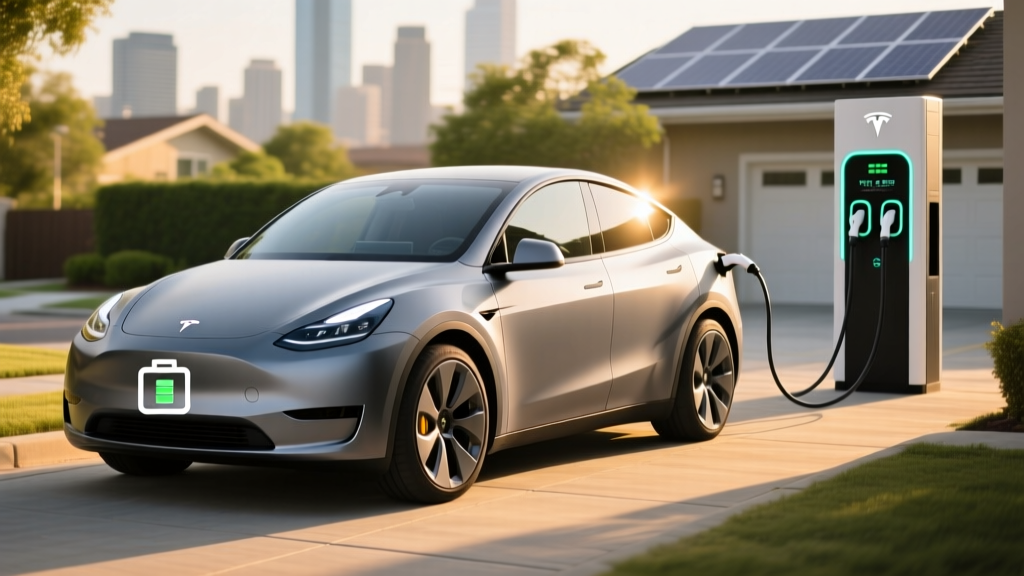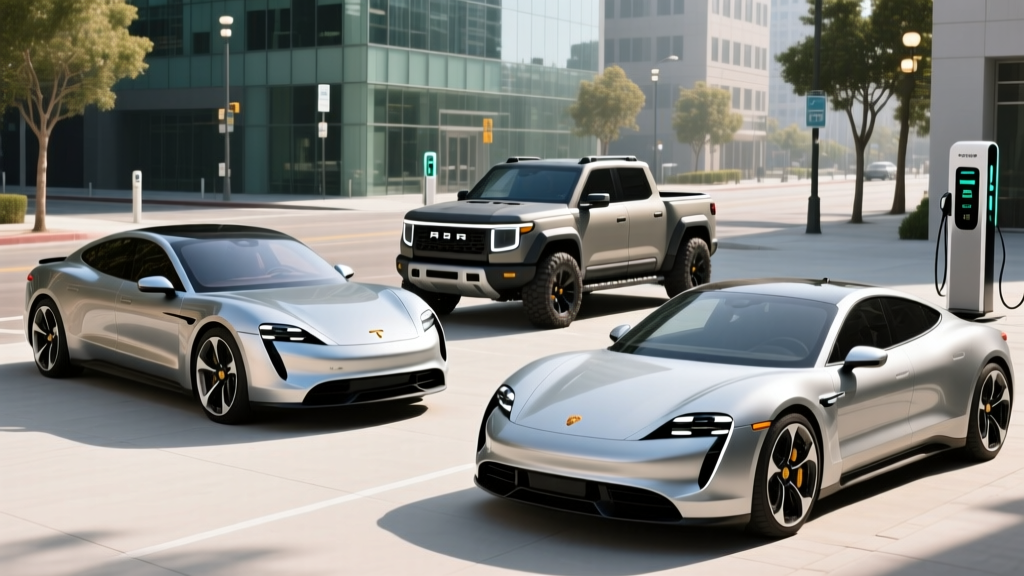
Quick Answer: GTA 5's electric cars — like the Coil Voltic, Pfister Comet S2 (electric variant), and Übermacht Cypher — are fictionalized versions of real-world EVs including the Tesla Roadster, Porsche Taycan, and BMW i4. If you're inspired to buy the real thing, expect EPA ranges from 240 to 402 miles, base prices from roughly $38,000 to $130,000+, and home charging costs of about $0.04–$0.06 per mile depending on your electricity rate. The federal §30D tax credit can reduce eligible new EV purchases by up to $7,500, though MSRP caps, buyer income limits, and battery-sourcing rules apply.
The Real EVs Behind GTA 5's Electric Fleet
Rockstar Games has always drawn heavily from real automotive culture for its Grand Theft Auto vehicle roster, and the franchise's electric cars are no exception. While GTA 5's online mode has expanded its EV lineup over the years — particularly with the 2022 "The Contract" and 2023 "San Andreas Mercenaries" updates — every in-game electric vehicle traces back to a real-world counterpart. For EV shoppers who first encountered electric performance through Los Santos' streets, here's how the game's EVs map to vehicles you can actually buy in 2026.
The Coil Voltic is GTA's most recognizable EV, directly modeled on the first-generation Tesla Roadster. The Coil Raiden mirrors the Tesla Model S, while the Coil Cyclone takes design cues from the Tesla Model X and early electric supercar concepts. The Übermacht Cypher draws from the BMW i4 and iX lineage, and the Pfister Comet S2 (in its electric interpretation) echoes the Porsche Taycan. The Dewbauchee Specter channels Aston Martin's EV concepts, though that car remains unreleased in the real world.
Real-World Specs: The EVs You Can Actually Drive
Unlike GTA 5, where a Coil Voltic can be spawned instantly and never needs charging, real-world EVs require you to understand battery capacity (measured in kilowatt-hours, or kWh — the total energy the pack stores), charging power (measured in kilowatts, or kW — the rate at which energy flows into the battery), and efficiency (measured in MPGe or kWh per 100 miles). Here's how the real counterparts of GTA 5's electric cars stack up for the 2026 model year.
| GTA 5 Vehicle | Real-World Counterpart | Usable Battery (kWh) | EPA Range (mi) | Peak DC Charge (kW) | 10–80% Time | 0–60 mph (sec) | Base MSRP |
|---|---|---|---|---|---|---|---|
| Coil Voltic | Tesla Roadster (1st Gen, used market) | 53 kWh (approx.) | 244 mi (original EPA) | N/A (CHAdeMO adapter) | N/A | 3.7 | $40,000–$70,000 (used) |
| Coil Raiden | 2026 Tesla Model S Long Range | 100 kWh | 402 mi | 250 kW | ~25 min | 3.1 | $79,990 |
| Coil Cyclone | 2026 Tesla Model X Plaid | 100 kWh | 326 mi | 250 kW | ~27 min | 2.5 | $94,990 |
| Übermacht Cypher | 2026 BMW i4 M50 | 81 kWh (usable) | 270 mi | 200 kW | ~31 min | 3.7 | $67,795 |
| Pfister Comet S2 | 2026 Porsche Taycan 4S | 84 kWh (usable, NMC) | 288 mi | 270 kW | ~22 min | 3.8 | $103,800 |
Sources: EPA fueleconomy.gov, manufacturer press sites. Range figures are EPA estimates; real-world highway driving typically yields 10–15% less, and cold weather (below 30°F) can reduce range by 20–35% depending on cabin heating demands and battery preconditioning.
Real-World Range Reality Check: The Porsche Taycan 4S carries an EPA rating of 288 miles, but in sustained 75-mph highway testing at 45°F, expect closer to 215–235 miles. The Tesla Model S Long Range's 402-mile EPA figure is among the best in production, but consistent 80-mph driving in summer heat typically returns 330–350 miles. Always plan road trips around 70–75% of the EPA sticker for a safety margin.
EV vs. Gas: What GTA 5 Never Shows You
In Grand Theft Auto, refueling is as simple as driving into a gas station or swapping cars. Real EV ownership involves a different calculus. The table below compares a typical real-world counterpart of the Coil Raiden (Tesla Model S) against its gas-powered sedan rival, the BMW 5 Series (530i), across five years and 75,000 miles of driving.
| Cost Category | 2026 Tesla Model S LR | 2026 BMW 530i (Gas) |
|---|---|---|
| Base MSRP | $79,990 | $58,895 |
| Federal Tax Credit (§30D) | Up to $7,500 (if eligible) | $0 |
| Fuel/Energy (75k mi) | $3,750 (home charging at $0.13/kWh, 3.5 mi/kWh) | $9,375 (26 MPG combined, $3.25/gal) |
| Maintenance (5 yr) | $1,500 (cabin filter, tires, wipers, brake fluid) | $4,800 (oil changes, brakes, filters, transmission fluid) |
| Insurance (5 yr avg.) | $14,500 | $10,200 |
| Depreciation (est. 5 yr) | $32,000 | $24,500 |
| 5-Year Total Cost | ~$121,740 | ~$107,770 |
Insurance estimates based on national averages for luxury sedans; actual premiums vary by state, driving record, and insurer. EV insurance tends to run 15–25% higher than comparable gas vehicles due to repair costs and battery replacement risk. Depreciation figures are estimates based on historical luxury EV and ICE sedan trends.
The Model S costs more upfront and carries higher insurance and depreciation, but saves roughly $5,600 in fuel and $3,300 in maintenance over five years. Whether the EV wins on total cost depends heavily on your local electricity rate, annual mileage, and whether you qualify for the §30D credit. At high mileage (20,000+ miles/year) with cheap home solar charging, the gap narrows substantially.
Charging at Home and on the Road: The GTA-to-Reality Gap
GTA 5 has no charging stations. Real life demands them. Here's what a first-time EV buyer actually needs to budget for and understand about keeping an EV powered.
| Charging Level | Power (kW) | Miles Added per Hour | Where You'll Use It | Typical Cost |
|---|---|---|---|---|
| Level 1 (120V outlet) | 1.2–1.9 kW | 3–5 mi/hr | Overnight at home, emergency | ~$0.04/mi (varies by utility rate) |
| Level 2 (240V home/public) | 7.2–11.5 kW | 20–35 mi/hr | Home garage, workplace, shopping | ~$0.04–$0.06/mi at home; $0.10–$0.18/mi public |
| DC Fast Charge | 50–350 kW | 150–600+ mi/hr (peak) | Highway road trips, Tesla Superchargers, Electrify America | $0.28–$0.48/kWh ($0.08–$0.14/mi) |
For daily driving, Level 2 home charging is the backbone. A full overnight charge on a 48-amp (11.5 kW) Level 2 station adds roughly 280–350 miles of range in 8–10 hours — more than enough for any commute. The installation cost, however, is where first-time buyers often get surprised.
| Item | Typical Cost Range | Notes |
|---|---|---|
| Level 2 EVSE (charger unit) | $350–$750 | ChargePoint Home Flex, Wallbox Pulsar Plus, Tesla Wall Connector |
| Electrician labor (240V/50A circuit) | $800–$2,500 | Depends on panel proximity, conduit run length, local rates |
| Permit & inspection | $100–$350 | Required in most jurisdictions; varies by city/county |
| Electrical panel upgrade (if needed) | $1,500–$4,000 | Older homes with 100A service may need upgrade to 200A |
| Total typical install | $1,250–$3,600 | $3,000–$7,000+ if panel upgrade required |
If you live in an apartment or lack dedicated parking, public charging becomes your primary option. Networks like Electrify America, EVgo, and the expanding Tesla Supercharger network (now open to non-Tesla EVs via NACS or Magic Dock adapter) offer DC fast charging at 150–350 kW. However, public DC charging costs roughly 3–5× more per mile than home Level 2 charging, and reliability remains inconsistent — plan for 10–15% of public chargers being out of service on any given trip.
Federal Tax Credit: What You Actually Qualify For
Under IRS §30D, the New Clean Vehicle Credit offers up to $7,500 for qualifying new EVs purchased in 2026. However, eligibility is not automatic — it depends on multiple overlapping requirements that change as battery supply chains evolve.
- Vehicle MSRP cap: $55,000 for sedans; $80,000 for SUVs, vans, and pickup trucks
- Buyer income cap (MAGI): $150,000 single filer / $225,000 head of household / $300,000 joint
- Battery sourcing: Critical minerals and battery components must meet escalating percentage thresholds from US or FTA-partner countries — this requirement tightens annually and disqualifies some models mid-year
- Final assembly: Vehicle must be assembled in North America
- Point-of-sale transfer: As of 2024+, you can transfer the credit to the dealer at purchase for an immediate price reduction, rather than waiting to claim it on your tax return
For 2026, the Tesla Model S, BMW i4, and Porsche Taycan all exceed the MSRP cap for their body styles and are not eligible for the full new-vehicle credit. Buyers looking for credit-eligible EVs in a similar spirit to GTA's lineup should consider the Tesla Model 3 Long Range ($42,490 MSRP, eligible for up to $7,500), the Hyundai Ioniq 6 ($38,650, up to $7,500), or the BMW i4 eDrive40 at its base trim ($52,200 — under the sedan cap, though battery-sourcing eligibility should be confirmed at point of sale). Always verify current eligibility on fueleconomy.gov before purchasing, as qualifying status can change with supply-chain updates.
Common Misconceptions: Myth vs. Fact
| Myth | Fact |
|---|---|
| "EVs are slower than gas cars" | Electric motors deliver instant torque. The Tesla Model S Plaid hits 0–60 in 1.99 seconds — faster than virtually any production gas car. Even the "base" BMW i4 eDrive40 does it in 5.5 seconds. |
| "EV batteries need replacing every few years" | Modern NMC and LFP batteries are warranted for 8 years/100,000 miles at 70% capacity retention. Real-world degradation data shows most packs retain 85–90% capacity after 100,000 miles. Full replacement costs $8,000–$20,000 but is rarely needed within the vehicle's typical ownership life. |
| "You can't road-trip an EV" | The US DC fast-charging network now exceeds 50,000 stations. A Tesla Model S can charge from 10–80% in ~25 minutes at a V3/V4 Supercharger. Road trips require planning (adding 20–30 minutes every 250–300 miles), but they're entirely feasible. |
| "EVs cost more to insure" | True, but the gap is narrowing. Average EV premiums run 15–25% higher than comparable gas cars. However, some insurers now offer EV-specific discounts. Shop quotes from GEICO, Progressive, and EV-focused carriers like Lemonade or Root. |
| "Cold weather destroys EV range" | Cold weather does reduce range — typically 20–35% below 30°F due to battery chemistry limitations and cabin heating demands. However, EVs with heat pumps (standard on most 2026 models including Tesla, BMW, and Hyundai) recover 10–15% of that loss. Preconditioning the battery while plugged in also mitigates the effect. |
Decision Framework: Should You Buy a Real-World GTA EV?
Choose a Tesla Model S or Model X if:
- You want the maximum EPA range available (402 mi / 326 mi) for road-trip flexibility
- Access to the Tesla Supercharger network is a priority for your travel patterns
- Your budget supports a $80,000–$130,000 vehicle and you don't need the §30D tax credit (MSRP exceeds the cap)
- You value OTA software updates and a mature ADAS suite (Autopilot is SAE Level 2 — you must remain engaged at all times)
Choose a BMW i4 if:
- You want a sport-sedan driving feel with a traditional luxury interior
- Your budget is $52,000–$68,000 and you want to check §30D eligibility at the eDrive40 trim
- You prefer CCS charging (or NACS via adapter) and plan to use Electrify America or EVgo networks
- You prioritize build quality and dealer service infrastructure over maximum range
Choose a Porsche Taycan if:
- Driving dynamics and 800V architecture (enabling 270 kW peak DC charging) are top priorities
- Budget is $90,000–$150,000+ and tax credit eligibility is not a deciding factor
- You accept lower EPA range (245–288 mi depending on trim and wheels) in exchange for sustained performance and rapid charging
Choose a more affordable EV (Tesla Model 3, Hyundai Ioniq 5/6, Chevrolet Equinox EV) if:
- You want §30D tax credit eligibility (MSRP under $55,000 sedan cap)
- Total cost of ownership matters more than supercar performance
- You're a first-time EV buyer who wants to learn ownership habits before committing to a luxury EV
Frequently Asked Questions
Is there a Tesla in GTA 5?
Not by name, but the Coil brand in GTA 5 is Rockstar's stand-in for Tesla. The Coil Voltic mirrors the first-gen Tesla Roadster, the Coil Raiden is based on the Tesla Model S, and the Coil Cyclone draws from the Model X and electric supercar concepts. Tesla has never licensed its branding to Rockstar, so all vehicles use fictionalized names and slightly altered designs.
Which GTA 5 electric car is the fastest in real life?
The real-world equivalent of the Coil Cyclone — the Tesla Model X Plaid — is the quickest, with a 2.5-second 0–60 mph time and 1,020 horsepower. However, the Porsche Taycan Turbo GT (analogous to a high-end Pfister variant) holds the edge in sustained track performance due to its 2-speed rear transmission and superior thermal management, which prevents power derating during repeated hard launches.
Can I charge a BMW i4 at a Tesla Supercharger?
Yes. As of 2025–2026, Tesla has opened its Supercharger network to non-Tesla EVs. The BMW i4 uses the CCS1 connector natively, and you can either use Tesla's Magic Dock adapter (built into many Supercharger stalls) or purchase a NACS adapter from BMW for native compatibility. Charging speeds on Superchargers will peak at the i4's maximum acceptance rate of 200 kW, not the stall's maximum output.
How much does it cost to charge an EV at home per month?
For a driver covering 1,000 miles per month in a Tesla Model S (averaging 3.5 miles per kWh) at the US average residential electricity rate of $0.16/kWh, monthly home charging costs roughly $45–$50. Compare that to a BMW 530i getting 26 MPG combined at $3.25/gallon — about $125/month in fuel. The EV saves approximately $75–$80/month in energy costs when charging primarily at home.
Do GTA 5's EVs have Autopilot or self-driving features?
No — GTA 5 does not simulate autonomous driving features. In the real world, Tesla's Autopilot and FSD (Supervised), BMW's Driving Assistant Professional, and Porsche's InnoDrive are all SAE Level 2 systems. This means the driver must remain fully attentive, keep hands on or near the wheel, and be prepared to take over at any moment. These are not self-driving systems. Only Level 4 services like Waymo's robotaxi (operating in select cities like Phoenix, San Francisco, and Los Angeles) offer truly driverless operation in defined geographic zones.