Quick Answer: Is the 2026 GMC Yukon EV Worth Buying?
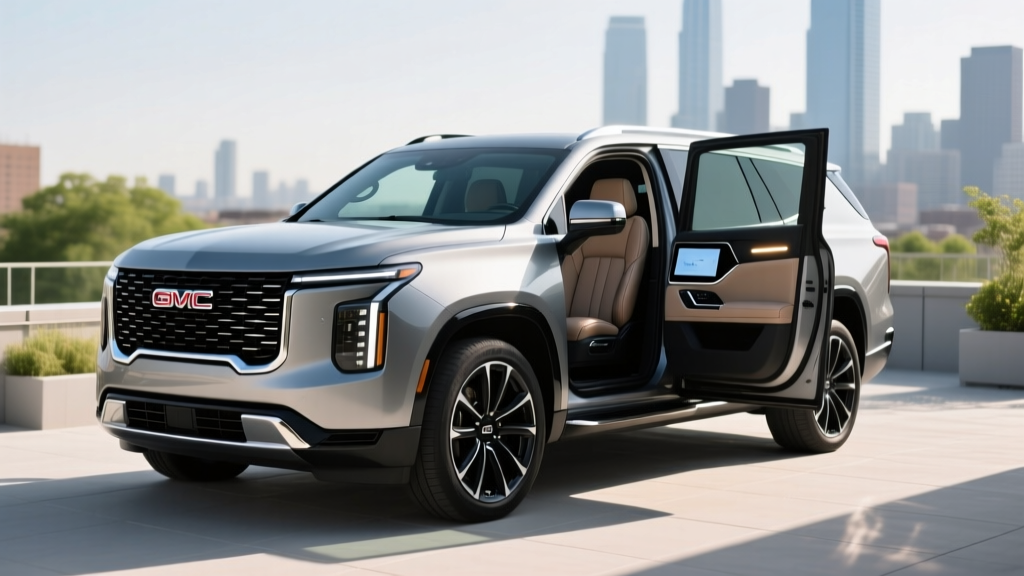
The 2026 GMC Yukon EV is a full-size, three-row electric SUV built on GM's BT1 platform with an estimated EPA range of 300–340 miles, a ~200 kWh usable battery (Ultium NMC chemistry), and peak DC fast charging around 350 kW. Starting MSRP is expected at approximately $85,000 for the base Elevation trim, climbing past $110,000 for the Denali Ultimate. It qualifies for the federal §30D tax credit (up to $7,500) if it meets current-year battery sourcing and buyer income requirements — check the IRS clean vehicle credit page for the latest eligibility list. For families needing three rows, towing capacity (~8,000 lbs estimated), and home Level 2 charging access, the Yukon EV eliminates roughly $2,500–$3,500/year in fuel costs compared to the gas Yukon — but the upfront premium and charging logistics demand careful consideration.
GMC Yukon EV Specs: Range, Battery, and Charging
GMC positions the Yukon EV as the electric flagship of its full-size SUV lineup, sitting alongside the Chevrolet Silverado EV and GMC Sierra EV on the Ultium platform. Here's what we know based on GM's published preliminary specifications and platform data:
| Specification | GMC Yukon EV (Est./Preliminary) |
|---|---|
| Battery Capacity (Usable) | ~200 kWh (NMC Ultium) |
| EPA Range (Est.) | 300–340 miles (trim-dependent) |
| Real-World Highway Range | ~250–290 miles (70+ mph, moderate weather) |
| Cold-Weather Range (20°F) | ~210–255 miles (expect 20–30% loss) |
| Peak DC Fast Charge Rate | Up to 350 kW (800V architecture) |
| 10–80% DC Fast Charge Time | ~25–35 minutes (with preconditioning) |
| Level 2 Charge Rate | Up to 19.2 kW (estimated ~10–12 hrs for full charge) |
| Horsepower (Dual Motor AWD) | Est. 600–750 hp (trim-dependent) |
| 0–60 mph | Est. 4.0–5.5 seconds |
| Towing Capacity | Est. 7,500–8,000 lbs |
| Connector | NACS (native Tesla Supercharger access) |
Real-World Range Reality Check
A 320-mile EPA sticker sounds ample, but real-world conditions compress that figure significantly. On a 75 mph highway drive in 40°F weather with the heater running, expect closer to 230–260 miles before needing a charge stop. Towing a 5,000-lb trailer can cut range by 40–50%, dropping effective range to roughly 160–190 miles. This isn't a Yukon EV flaw — it's physics. Large, heavy vehicles with high frontal area consume more energy at speed. Plan road trips with charging stops every 200–220 miles for a comfortable buffer.
The 800V architecture is the Yukon EV's charging ace. At a 350 kW-capable DC fast charger (like Electrify America or Tesla Supercharger V4 stalls), the massive battery can absorb electrons quickly enough to add roughly 100 miles of range in about 10 minutes during the optimal 10–40% state-of-charge window. However, the charge curve tapers significantly above 80% — that last 20% can take as long as the first 70%. Always precondition the battery via the navigation system before arriving at a fast charger; cold batteries charge painfully slowly.
Pricing, Trims, and Federal Tax Credit Eligibility
The 2026 GMC Yukon EV is expected to launch across three primary trims, with pricing that places it firmly in the premium full-size SUV segment:
- Elevation (base): ~$85,000–$90,000 MSRP — dual-motor AWD, standard range battery option, cloth/leatherette interior, 17.7-inch infotainment display
- AT4: ~$95,000–$100,000 MSRP — off-road-tuned suspension, all-terrain tires, enhanced underbody protection, premium interior
- Denali / Denali Ultimate: ~$105,000–$115,000+ MSRP — maximum range battery, Nappa leather, massaging seats, Super Cruise hands-free driving, executive rear seating
§30D Federal Tax Credit: What You Actually Need to Know
The federal clean vehicle credit under IRS §30D can reduce your tax burden by up to $7,500, but eligibility is not automatic. Here's the 2026 checklist:
- MSRP Cap: SUVs/vans/pickups must have an MSRP at or below $80,000 — higher-trim Yukon EVs may exceed this threshold, disqualifying them
- Buyer Income Cap: Modified AGI must not exceed $300,000 (joint), $225,000 (head of household), or $150,000 (single)
- Battery Sourcing: Critical minerals and battery components must meet escalating domestic/free-trade-partner sourcing percentages — GM has been actively re-shoring Ultium supply chains, but verify current-year compliance on the IRS eligible vehicle list
- Point-of-Sale Transfer: As of 2024, you can transfer the credit to the dealer at purchase, reducing the purchase price directly rather than waiting for a tax refund
- Final Assembly: Vehicle must undergo final assembly in North America (the Yukon EV is built at GM's Factory ZERO in Michigan — this requirement is met)
Critical caveat: If the Denali trim's MSRP exceeds $80,000, that specific trim loses eligibility for the federal credit entirely. The base Elevation trim may be the only Yukon EV variant that qualifies. Always confirm the exact VIN's eligibility at fueleconomy.gov before purchasing.
Yukon EV vs. Gas Yukon: 5-Year Ownership Cost Comparison
This is where the math either makes or breaks the EV case. We compared a 2026 GMC Yukon EV Elevation (~$87,000 MSRP) against a 2026 GMC Yukon AT4 with the 5.3L V8 (~$72,000 MSRP) over five years and 75,000 miles (15,000 miles/year).
| Cost Category | Yukon EV (Est.) | Gas Yukon 5.3L V8 (Est.) |
|---|---|---|
| Purchase Price (MSRP) | $87,000 | $72,000 |
| Federal Tax Credit | –$7,500 (if eligible) | $0 |
| Net Purchase Price | $79,500 | $72,000 |
| Fuel/Energy (5 yrs, 75k mi) | $4,500–$6,500 | $13,500–$17,000 |
| Maintenance (5 yrs) | $1,200–$1,800 | $3,500–$5,000 |
| Insurance (5 yrs, avg) | $12,000–$15,000 | $9,500–$12,000 |
| Estimated Depreciation | $32,000–$38,000 | $28,000–$34,000 |
| Total 5-Year Cost | ~$122,000–$133,000 | ~$126,500–$140,000 |
Key takeaway: The Yukon EV's fuel and maintenance savings ($10,000–$14,000 over five years) can offset the higher purchase price, but only if you qualify for the tax credit and charge primarily at home on residential electricity rates ($0.12–$0.18/kWh). If you rely exclusively on public DC fast charging ($0.35–$0.55/kWh), your energy cost advantage shrinks to $3,000–$5,000 over five years, and the EV becomes the more expensive option.
Fuel Cost Deep Dive
The gas Yukon 5.3L V8 returns an EPA-estimated 16 MPG combined. At $3.50/gallon (national average), that's $0.219 per mile in fuel. The Yukon EV, consuming roughly 55–60 kWh per 100 miles (a realistic figure for a 6,500+ lb SUV), costs $0.066–$0.09 per mile on home electricity at $0.12–$0.16/kWh. That's a per-mile savings of roughly $0.13–$0.15, or about $1,950–$2,250 per year at 15,000 miles annually.
Home Charging Setup: What You Need Before You Buy
A vehicle this large with a ~200 kWh battery demands serious home charging infrastructure. A standard 120V outlet (Level 1) adds roughly 3–4 miles of range per hour — essentially useless for a vehicle that can consume 200+ miles in a day of driving.
| Item | Estimated Cost |
|---|---|
| Level 2 Charger (48A, hardwired, e.g., ChargePoint Home Flex or Wallbox Pulsar Max) | $500–$750 |
| Electrical Panel Assessment | $150–$300 |
| 240V/60A Circuit Installation (existing panel capacity) | $800–$2,000 |
| Electrical Panel Upgrade (if needed, 200A → 400A) | $2,500–$5,000+ |
| Permit and Inspection | $150–$500 |
| Total (no panel upgrade) | $1,600–$3,550 |
| Total (with panel upgrade) | $4,100–$8,550 |
At 19.2 kW Level 2 charging, the Yukon EV gains approximately 35–45 miles of range per hour, meaning a full overnight charge (10 hours) restores roughly 350+ miles — more than enough for daily driving. However, your home's electrical panel must support a continuous 60A draw. Many older homes with 100A or 150A panels will require an upgrade, particularly if you also run electric HVAC, an electric oven, and a dryer. Budget for a licensed electrician to assess your panel before committing to the vehicle.
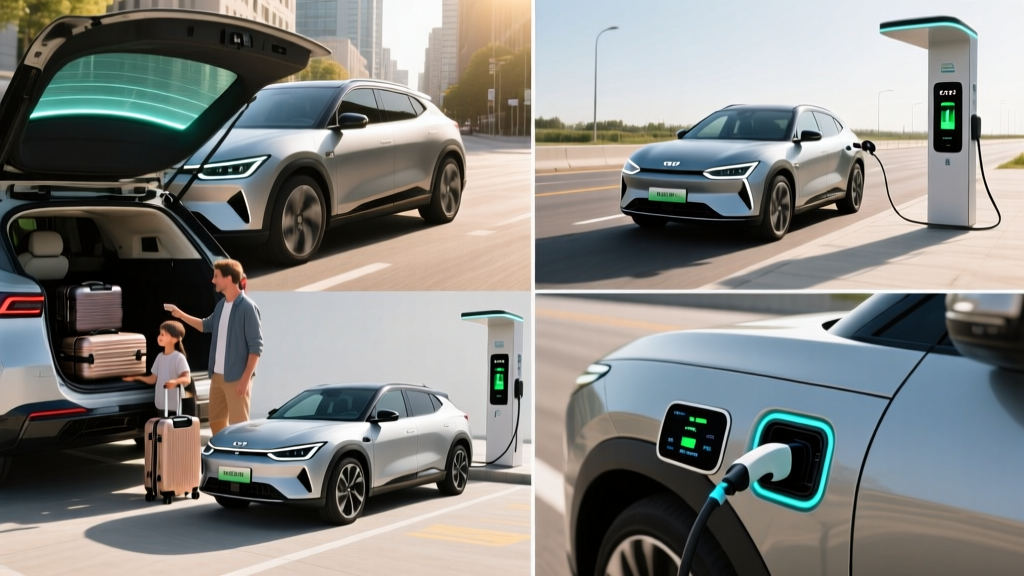
For public charging, the Yukon EV's native NACS connector grants access to Tesla's Supercharger network (the most reliable and extensive in the U.S.) as well as Electrify America, EVgo, and other networks via adapters. On road trips, plan routes around 350 kW-capable stalls for the fastest stops.
Common Misconceptions About the Yukon EV
| Myth | Fact |
|---|---|
| "The battery will need replacing in 5 years and cost $30,000" | GM's Ultium battery warranty covers 8 years/100,000 miles against degradation below 60% capacity. Real-world data from GM's Ultium fleet suggests less than 10% degradation at 100,000 miles under normal use. A full replacement would cost $15,000–$25,000 out of warranty, but most owners will never need one. |
| "It can't tow as much as the gas Yukon" | Electric motors deliver instant torque, and the Yukon EV's estimated 7,500–8,000 lb towing capacity is competitive with the gas model. However, towing severely impacts range — expect a 40–50% reduction. A gas Yukon loses efficiency while towing too, but refueling is faster and more accessible on remote routes. |
| "Charging takes too long for road trips" | At a 350 kW charger with a preconditioned battery, a 10–80% charge takes roughly 25–35 minutes — about the time needed for a rest stop, meal, and bathroom break. The issue isn't charge speed but charger availability in rural areas. Plan routes using PlugShare or A Better Routeplanner. |
| "It qualifies for the full $7,500 tax credit no matter what" | Only trims with MSRP at or below $80,000 qualify, and only if your income falls below the cap and the battery meets sourcing rules. Higher trims (Denali) likely exceed the MSRP cap. |
| "Super Cruise means I don't have to pay attention" | Super Cruise is an SAE Level 2 driver-assistance system. It handles steering, acceleration, and braking on mapped highways, but you must remain alert and ready to take over. The driver-monitoring camera will alert you and eventually disengage the system if you look away. |
Who Should Buy the GMC Yukon EV — and Who Shouldn't
Decision Framework
Choose the Yukon EV if:
- You have reliable home Level 2 charging (garage or driveway with 240V access)
- You drive primarily in urban/suburban settings with occasional road trips under 300 miles
- You want three rows of seating with zero tailpipe emissions in your neighborhood
- Your household income qualifies for the §30D credit and you're buying a qualifying trim
- You value instant torque, quiet operation, and reduced maintenance (no oil changes, fewer brake replacements due to regen braking)
- You tow occasionally but not cross-country on remote routes
Stick with the gas Yukon (or consider the Sierra EV / Silverado EV) if:
- You live in an apartment or lack home charging access — public-only charging is expensive and inconvenient for a 200 kWh battery
- You regularly tow heavy trailers over 300+ mile routes through charging-desert regions
- You live in an area with extreme cold (below 0°F regularly) where range loss compounds with towing or highway driving
- Your budget is firm below $75,000 — the Yukon EV's base price is significantly higher than the gas model
- You need maximum cargo volume — the Ultium platform's battery pack slightly reduces underfloor storage compared to the gas model
Warranty, Reliability, and Long-Term Ownership
GM backs the Yukon EV with a comprehensive warranty package:
- Battery: 8 years / 100,000 miles (covers capacity loss below 60%)
- Powertrain (motors, inverters): 5 years / 60,000 miles
- Bumper-to-Bumper: 3 years / 36,000 miles
- Corrosion: 6 years / 100,000 miles
The Ultium platform is now in its third model year across GM's EV lineup (Cadillac Lyriq, GMC Hummer EV, Chevrolet Blazer EV), and early degradation data is encouraging. Fleet data from commercial Ultium applications suggests roughly 5–8% capacity loss at 80,000 miles — well within the warranty threshold. For peace of mind, consider using the MyGMC app's battery health monitoring feature to track your State of Health (SoH) over time.
Insurance costs tend to run 15–25% higher for the Yukon EV compared to the gas Yukon, driven by higher repair costs for battery-adjacent damage and the vehicle's elevated MSRP. Get quotes from your insurer before purchasing — some carriers (like State Farm and Progressive) have adjusted EV premiums downward as repair data matures, while others still price aggressively.
Frequently Asked Questions
Does the GMC Yukon EV qualify for the $7,500 federal tax credit?
Possibly — but only if the specific trim's MSRP is at or below $80,000 (the SUV cap under §30D), your modified adjusted gross income falls under the limit ($300,000 joint / $150,000 single), and the battery meets current-year critical-mineral and component sourcing requirements. The base Elevation trim is the most likely candidate. Verify eligibility at irs.gov before signing paperwork.
How long does it take to charge the Yukon EV at home?
On a 240V Level 2 charger at 19.2 kW, a full 0–100% charge takes approximately 10–12 hours. In practice, most owners charge from 20–80% overnight (about 6–7 hours), which is more than sufficient for daily driving. Level 1 (120V) charging is impractical for a battery this large — expect 50+ hours for a full charge.
Can the Yukon EV tow a boat or camper?
Yes, with an estimated 7,500–8,000 lb towing capacity. However, towing dramatically reduces range — expect a 40–50% drop. If you're towing a 6,000-lb camper on a 200-mile trip, plan for at least one DC fast charge stop. For frequent long-distance towing in rural areas, the gas Yukon remains the more practical choice due to faster refueling infrastructure.
Is the GMC Yukon EV the same as the Hummer EV SUV?
No. While both ride on GM's Ultium/BT1 platform and share battery and motor technology, the Yukon EV is a traditional three-row family SUV with conventional styling and a focus on comfort and efficiency. The Hummer EV SUV is wider, heavier, more off-road-oriented, and significantly more expensive (starting above $100,000). The Yukon EV offers more interior passenger volume and a more practical footprint for daily driving.
What's the real-world range in winter?
In sustained 20°F temperatures with cabin heating, expect 20–30% range reduction from the EPA sticker. A 320-mile EPA rating drops to roughly 225–255 miles. Using seat heaters and a heated steering wheel instead of cranking the cabin heat can recover 5–10% of that loss. The Yukon EV's heat pump (if equipped on your trim) significantly improves cold-weather efficiency compared to resistive heating systems.
Does Super Cruise make the Yukon EV self-driving?
No. Super Cruise is an SAE Level 2 hands-free driver-assistance system that operates on pre-mapped divided highways (over 750,000 miles of compatible roads in North America). It handles steering, acceleration, and braking, but you must remain attentive and ready to resume control at any time. The system uses a driver-facing camera to monitor your eyes. This is fundamentally different from Level 4 autonomous services like Waymo, which operate without any human driver in the vehicle.