Bottom line: The 2026 GMC Sierra EV offers up to 460 miles of EPA-estimated range (Denali Edition 1) with a massive ~200 kWh Ultium battery, but real-world highway and cold-weather driving will reduce that by 15–30%. Starting around $58,000 for the Elevation trim and climbing past $100,000 for the Denali, it qualifies for the federal §30D tax credit (up to $7,500) if you meet income, MSRP, and battery-sourcing requirements. Expect DC fast charging up to 350 kW peak and Level 2 home charging at 11.5–19.2 kW. This truck makes sense if you have home charging access, need a full-size pickup, and drive within its real-world range envelope — but it's not a drop-in replacement for every gas Sierra buyer.
What the 2026 GMC Sierra EV Actually Offers
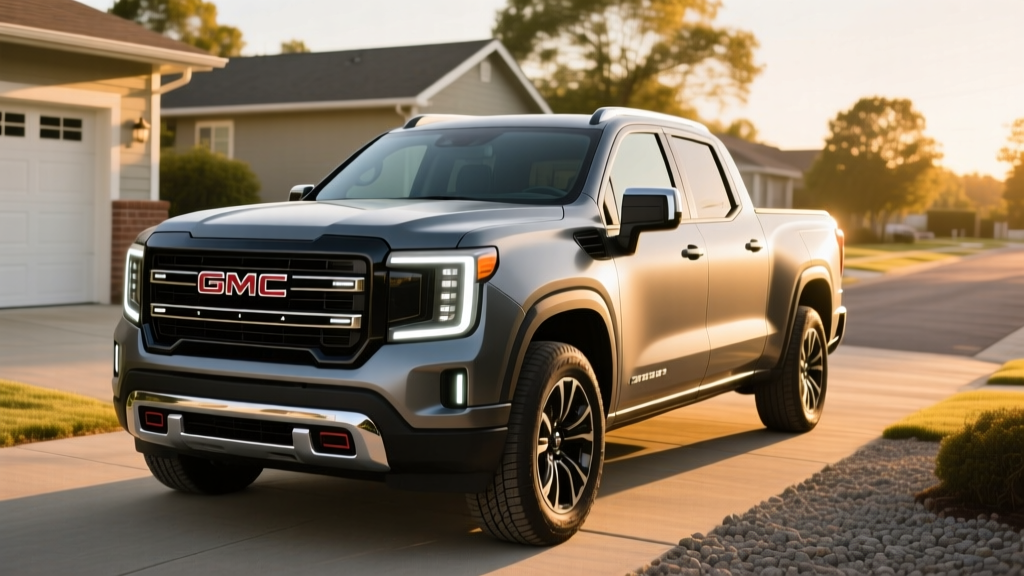
GMC's all-electric Sierra is built on GM's BT1 platform (shared with the Silverado EV and Hummer EV), not a converted gas truck. That means a skateboard chassis with the battery pack between the axles, a low center of gravity, and available four-wheel steering. For 2026, the lineup includes the Elevation, AT4, and Denali trims, each targeting different buyer priorities — from fleet and work use to luxury towing.
| Spec | Elevation (Est.) | AT4 | Denali Edition 1 |
|---|---|---|---|
| EPA Range | ~390 mi | ~350 mi | 460 mi |
| Battery (usable) | ~200 kWh (NMC) | ~200 kWh (NMC) | ~200 kWh (NMC) |
| Horsepower | ~510 hp | ~625 hp | ~754 hp |
| 0–60 mph | ~5.5 sec | ~4.5 sec | ~4.3 sec |
| Peak DC Fast Charge | 350 kW | 350 kW | 350 kW |
| 10–80% DC Charge | ~35 min | ~35 min | ~37 min |
| Level 2 Home Charge | 11.5–19.2 kW | 11.5–19.2 kW | 19.2 kW |
| Max Towing | ~10,000 lbs | ~12,000 lbs | ~10,000 lbs |
| Starting MSRP | ~$58,000 | ~$80,000 | ~$100,000+ |
| Battery Warranty | 8 yr / 100,000 mi | 8 yr / 100,000 mi | 8 yr / 100,000 mi |
Real-world range reality: The 460-mile EPA figure on the Denali is impressive on paper, but expect ~350–390 miles on highway road trips at 70–75 mph, and ~280–330 miles in freezing temperatures with cabin heat running. Towing a 7,000-lb trailer will cut range roughly in half — plan for 180–230 miles between charges when towing heavy.
Sierra EV vs. Gas Sierra: The Numbers That Matter
The gas-powered 2026 GMC Sierra 1500 with the 5.3L V8 and 4WD returns roughly 18 MPG combined per EPA data. Let's compare what ownership actually costs over five years and 75,000 miles, assuming a national average gas price of $3.40/gallon and residential electricity at $0.14/kWh.
| Cost Category | Sierra EV (Denali) | Gas Sierra 1500 (SLT 4WD) |
|---|---|---|
| Base MSRP | ~$100,000 | ~$58,000 |
| Fed. Tax Credit (§30D) | Up to $7,500* | $0 |
| Fuel / Energy (75k mi) | ~$3,150 (home charging) | ~$14,167 |
| Maintenance (5 yr) | ~$1,200 | ~$4,500 |
| Insurance (5 yr avg.) | ~$14,000 | ~$10,500 |
| 5-Year Total Operating | ~$18,350 | ~$28,667 |
*§30D eligibility depends on buyer income caps ($150k single / $300k joint), MSRP caps ($80,000 for trucks — note: Denali exceeds this), and battery critical-mineral sourcing rules per IRS guidelines. The Elevation trim is more likely to qualify; the Denali likely does not due to MSRP.
The fuel savings are dramatic — roughly $11,000 over five years if you charge primarily at home. But the Denali's $42,000 price premium over a comparable gas SLT means you won't break even on operating costs alone. The Elevation trim narrows the gap considerably, and fleet buyers with high annual mileage will see faster payback.
Charging the Sierra EV: Home, Public, and the 200 kWh Problem
A ~200 kWh battery is enormous — larger than most EVs on the road. That's great for range, but it means charging from empty takes serious time or serious power.
| Charging Level | Power (kW) | Approx. Miles Added/Hour | 10–80% Time (Est.) |
|---|---|---|---|
| Level 1 (120V outlet) | ~1.4 kW | ~3–4 mi/hr | ~100+ hours |
| Level 2 (240V, 48A) | 11.5 kW | ~28 mi/hr | ~14–15 hours |
| Level 2 (240V, 80A) | 19.2 kW | ~47 mi/hr | ~8–9 hours |
| DC Fast (350 kW peak) | Up to 350 kW | ~700+ mi/hr (peak) | ~35–37 min |
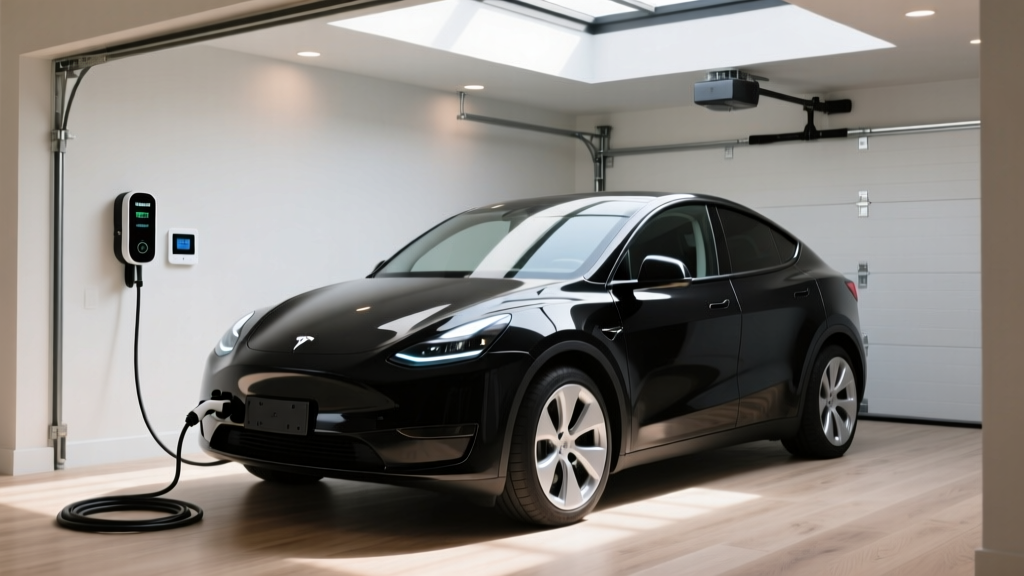
Home charging reality: Level 1 (a standard wall outlet) is essentially useless for daily replenishment on a truck this size — you'd add maybe 35 miles overnight. A Level 2 home charger is mandatory for practical ownership. The 19.2 kW option requires a 100-amp dedicated circuit, which means most homes will need a panel upgrade (200-amp service minimum) and professional installation, typically costing $1,500–$4,000 including equipment and electrician labor.
DC fast charging caveat: The 350 kW peak rate is exactly that — a peak. The Sierra EV's charge curve tapers significantly above 80% state of charge to protect the NMC battery cells. Expect sustained rates of 200–280 kW in the 10–60% window, then a sharp drop. On a road trip, plan stops around 20–30 minutes for a 10–80% session at a capable 350 kW station (like newer Electrify America or Tesla Supercharger V4 stalls with NACS adapters).
For 2026, GMC includes NACS compatibility (native or via adapter for earlier build dates), opening access to Tesla's Supercharger network — the most reliable DC fast-charging infrastructure in the U.S. This is a significant practical advantage over CCS-only trucks for long-distance travel.
Real Ownership Costs: What First-Time EV Buyers Must Know
Beyond the sticker price and fuel savings, Sierra EV ownership involves costs and considerations that gas truck buyers never face.
| Ownership Factor | Sierra EV Reality | Impact |
|---|---|---|
| Home Charger Install | $1,500–$4,000 (Level 2 + potential panel upgrade) | One-time cost, essential |
| Tire Replacement | Heavier truck = faster wear; EV-rated tires $300–$450 each | Higher than gas Sierra |
| Insurance Premiums | 15–30% higher than gas equivalent | $700–$1,500/yr more |
| Registration Fees | Some states charge extra EV registration ($50–$225/yr) | Varies by state |
| Battery Degradation | GM warrants 70% capacity retention at 8 yr/100k mi | Minimal concern under warranty |
| Oil Changes | None — no engine oil, no transmission fluid changes | Savings: ~$400–$600/yr |
| Brake Wear | Regen braking extends pad life 2–3x vs gas | Savings: ~$300–$500 per service |
Climate matters enormously. If you live in Minnesota or Colorado, expect 20–30% range loss in sustained sub-freezing temperatures. The Sierra EV's battery thermal management and available heat pump help, but physics wins — cold batteries hold less energy and cabin heating draws significant power. Buyers in cold climates should plan their daily range needs around the winter number, not the EPA sticker.
Driving patterns determine viability. If your daily round trip is under 150 miles and you charge at home nightly, the Sierra EV is effortless — you'll almost never visit a public charger. If you regularly drive 300+ miles in a day or tow heavy trailers cross-country, the charging stops (30–40 minutes each) add real time to your trips. For frequent heavy towing over long distances, a diesel or gas Sierra still has a practical edge.
Common Misconceptions About the Sierra EV — Addressed
| Myth | Fact |
|---|---|
| "460 miles means I'll never need to charge on road trips." | Real highway range is ~350–390 mi; towing cuts it to ~200 mi. You'll still plan charging stops on long trips. |
| "The battery will need replacing in 5 years and cost $30,000." | GM's Ultium NMC batteries are warranted for 8 years/100,000 miles at 70%+ capacity. Real-world degradation data from GM's EV fleet shows ~5–8% loss over 100k miles. Out-of-warranty replacement would be expensive ($20,000–$35,000 est.), but most owners will trade before that. |
| "I can just plug it into a regular outlet." | A 120V outlet adds ~3 miles per hour. With a 200 kWh battery, that's functionally useless. A Level 2 (240V) home charger is a requirement, not an option. |
| "It gets the full $7,500 tax credit automatically." | Credit eligibility requires meeting MSRP caps ($80,000 for trucks), buyer income limits, and battery-sourcing requirements. The Denali at $100k+ likely does not qualify; the Elevation may. Check IRS eligible models list and consult a tax professional. |
| "It can't tow as much as a gas Sierra." | The AT4 trim targets up to ~12,000 lbs, competitive with many gas V8 Sierra configs. But towing that weight slashes range by roughly 50% — a gas Sierra doesn't lose half its tank towing. |
Decision Framework: Should You Buy the Sierra EV?
Choose the GMC Sierra EV if:
- You have access to Level 2 home charging (garage or driveway with 240V circuit)
- Your daily driving is under 200 miles round-trip (covering 90%+ of trips on home charge alone)
- You want instant torque, quiet operation, and a frunk (front trunk) for secure storage
- You're interested in V2L (vehicle-to-load) capability to power tools or a campsite from the truck's battery
- You drive in a region with moderate winters or can accept the cold-weather range penalty
- The Elevation trim fits your budget and qualifies for available incentives in your area
Stick with a gas or hybrid Sierra if:
- You lack reliable home charging access (apartment, street parking, no garage)
- You frequently tow heavy trailers over 200+ mile distances
- You live in extreme cold climates and need maximum range reliability year-round
- Your budget is under $55,000 and you need a full-size truck now
- You put on 25,000+ miles per year primarily on highways in rural areas with sparse DC charging
Consider a PHEV alternative (like the Silverado hybrid or a competitor) if:
- You want some electric-only range for daily commuting but need unlimited gas range for towing and road trips without charging stops
Frequently Asked Questions
What is the real-world range of the 2026 GMC Sierra EV?
The Denali's 460-mile EPA estimate drops to roughly 350–390 miles in real-world highway driving at 70+ mph, and 280–330 miles in freezing weather. The Elevation trim, with its smaller effective range (~390 EPA), will see real-world numbers closer to 300–340 miles on the highway. Towing a loaded trailer reduces range by approximately 40–55%.
How long does it take to charge the Sierra EV at home?
With a 19.2 kW Level 2 charger (requires 80A circuit), a full charge from near-empty takes roughly 10–11 hours. With a more common 11.5 kW (48A) setup, expect 17–18 hours. Most owners charge nightly from 30–70% rather than doing full cycles, which takes 4–6 hours and is better for NMC battery longevity.
Does the Sierra EV qualify for the $7,500 federal tax credit?
It depends on the trim and your situation. Under current IRS §30D rules, trucks must have an MSRP at or below $80,000 to qualify. The Elevation trim may qualify; the AT4 and Denali likely exceed the cap. You must also meet income limits ($150,000 single / $300,000 joint modified AGI) and the vehicle must meet critical-mineral and battery-component sourcing thresholds. The credit can now be transferred to the dealer at point of sale as a down-payment reduction. Always verify with a tax professional before purchasing.
Can the Sierra EV power my home or tools?
Yes — the Sierra EV supports V2L (vehicle-to-load), allowing you to run power tools, campsite equipment, or appliances from the truck's battery via built-in outlets in the bed and cabin. With a ~200 kWh battery, you could theoretically power an average home (30 kWh/day) for nearly a week during an outage, though V2H (vehicle-to-home) bidirectional charging requires a compatible home energy system and is not yet widely available.
How does the Sierra EV compare to the Ford F-150 Lightning and Rivian R1T?
The F-150 Lightning offers similar utility with a lower starting price (~$55,000) but less maximum range (up to 320 mi EPA). The Rivian R1T is more performance-oriented (0–60 in ~3 sec for the dual-motor) and adventure-focused but starts above $75,000 and is smaller in bed/cabin size. The Sierra EV's advantage is its combination of massive range, full-size truck dimensions, and GM's Ultium platform maturity — but it's also the heaviest and most expensive in the segment at the top trim.
What should a first-time EV buyer know before purchasing the Sierra EV?
Three things: (1) Install your Level 2 home charger before or immediately upon delivery — you cannot practically own this truck on Level 1 alone. (2) Learn to precondition the battery before DC fast charging (the truck's nav system does this automatically when you route to a charger) to get optimal charge speeds. (3) Understand that kW is the charging speed (like gallons-per-minute at a gas pump) while kWh is the battery capacity (like the size of the gas tank) — the Sierra EV's ~200 kWh battery at 350 kW peak means a theoretical fastest fill of about 35 minutes from 10–80%, but real sessions depend on temperature, state of charge, and station capability.