Is the 2026 GMC Sierra EV Worth Buying?
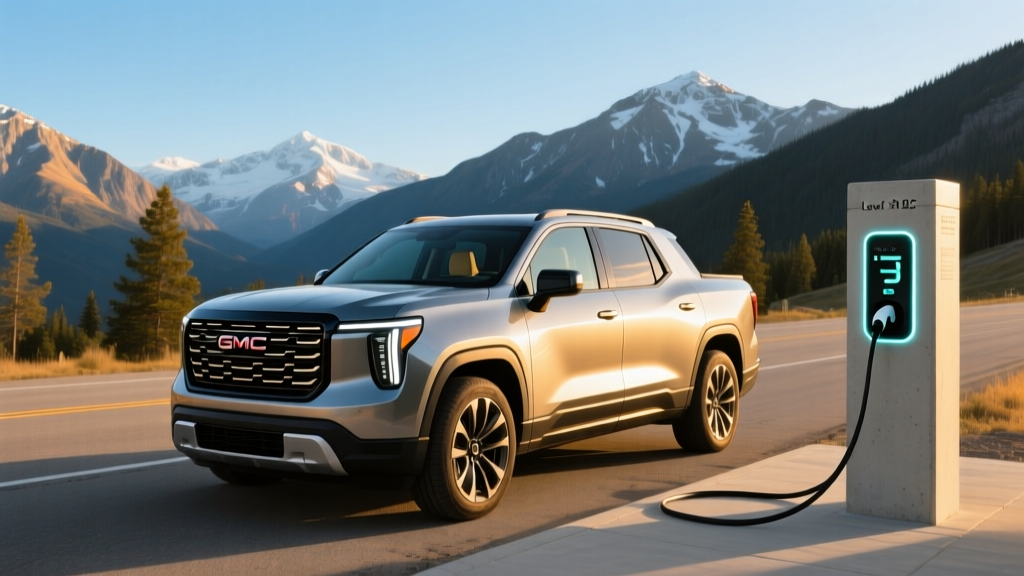
The 2026 GMC Sierra EV is a full-size electric pickup built on GM's Ultium platform, offering up to 460 miles of EPA-estimated range (Denali Edition 1 with the 200 kWh pack) and up to 760 horsepower. Base MSRPs start around $56,000 for the Elevation trim and climb past $98,000 for the Denali Edition 1. It supports DC fast charging at up to 350 kW (peak), with 10–80% sessions taking roughly 30–40 minutes depending on trim and pack size. Compared to a gas Sierra 1500 averaging 19 MPG combined at $3.50/gallon, Sierra EV owners charging at home on a national-average $0.16/kWh rate spend roughly $0.04–0.05 per mile versus $0.18 per mile on gas — a fuel savings of $2,000–$3,000 per year at 15,000 miles driven. The catch: you need a 200-amp home electrical panel for Level 2 charging, cold weather can cut range 20–30%, and the federal §30D tax credit of up to $7,500 is subject to income, MSRP, and battery-sourcing rules that change frequently.
Range and Battery: What the EPA Sticker Doesn't Tell You
The 2026 GMC Sierra EV is offered with two Ultium battery configurations. The standard pack (available on Elevation and select trims) provides approximately 200 kWh of usable capacity in the Extended Range variant, while the Denali Edition 1 ships exclusively with the largest pack GM offers. The headline 460-mile EPA figure applies specifically to the Denali Edition 1 with its optimized aero and larger battery; lower trims with smaller packs or different wheel/tire configurations will see lower EPA estimates, typically in the 340–400 mile range depending on configuration.
⚡ Real-World Range Reality Check
EPA Sticker: Up to 460 miles (Denali Edition 1, 200 kWh pack)
Highway driving (70–75 mph): Expect 350–390 miles — aerodynamic drag hits full-size pickups harder than sedans at speed.
Cold weather (below 30°F): Expect 300–350 miles — battery chemistry and cabin heating draw significant energy. The Sierra EV's heat pump helps, but physics wins.
Towing (5,000+ lb trailer): Expect 200–260 miles — towing can cut range by 40–50%. Plan charging stops accordingly.
The Sierra EV's battery uses GM's Ultium chemistry — an NMC (nickel manganese cobalt) formulation optimized for energy density in a large-pack application. GM provides an 8-year/100,000-mile battery warranty covering defects and excessive degradation (typically defined as falling below 60–70% state of health). For a truck this size, the pack weight is substantial — expect curb weights north of 8,500 lbs on the Denali Edition 1, which affects tire wear and efficiency.
Charging Speed and Infrastructure: The Full Picture
The Sierra EV supports three charging levels, and understanding the difference between kW (power, or charge speed) and kWh (energy, or battery capacity) is essential for planning your charging routine.
| Charging Level | Power (kW) | Miles Added Per Hour | Best Use Case |
|---|---|---|---|
| Level 1 (120V outlet) | ~1.4 kW | ~3–4 mi/hr | Emergency/overnight trickle |
| Level 2 (240V home) | 11.5–19.2 kW | ~25–52 mi/hr | Daily home charging |
| DC Fast Charge | Up to 350 kW (peak) | N/A (10–80% in ~30–40 min) | Road trips, quick top-ups |
At a DC fast charger, the Sierra EV can accept up to 350 kW peak on properly equipped trims. However, peak rate is not sustained rate. The charge curve tapers significantly above 80% state of charge to protect battery health. In practice, a 10–80% session on a 350 kW-capable charger takes roughly 30–40 minutes. If you're limited to a 150 kW Electrify America or EVgo station (still common in many areas), expect 45–55 minutes for the same 10–80% window. Always precondition the battery via the GM app or navigation system before arriving at a DC fast charger — this warms the pack to optimal temperature and can shave 5–10 minutes off your session.
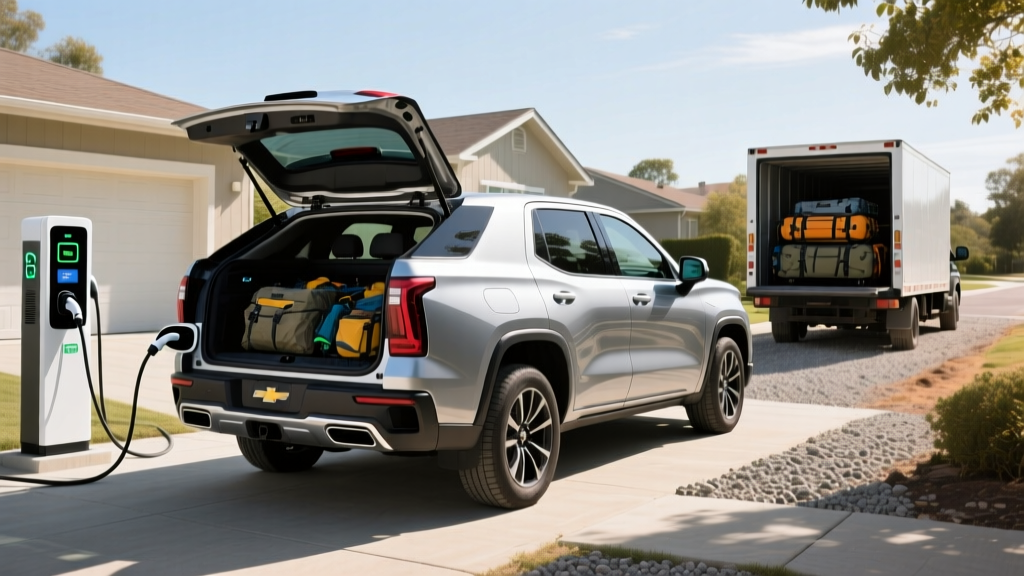
The Sierra EV uses the NACS (North American Charging Standard) connector, which means native access to Tesla's Supercharger network — a significant advantage over CCS-equipped competitors that still require adapters. For home Level 2 charging, GM recommends a 48-amp hardwired wall connector on a dedicated 60-amp circuit, which delivers approximately 11.5 kW and adds roughly 30 miles of range per hour of charging.
Cost Breakdown: Sierra EV vs. Gas Sierra 1500
The purchase price of the Sierra EV is substantially higher than a comparably equipped gas Sierra 1500. But the total cost of ownership (TCO) story changes when you factor in fuel, maintenance, and potential tax credits over five years.
| Cost Category | 2026 GMC Sierra EV (Elevation) | 2026 GMC Sierra 1500 Gas (V8) |
|---|---|---|
| Base MSRP | ~$56,000 | ~$42,000 |
| Federal §30D Tax Credit | Up to $7,500* | $0 |
| Effective Purchase Price | ~$48,500 | ~$42,000 |
| Fuel/Energy (5 yrs, 15k mi/yr) | $3,750 (home charging) | $13,800 |
| Maintenance (5 yrs) | ~$1,500 | ~$4,500 |
| Estimated Insurance (5 yrs) | ~$12,500 | ~$9,500 |
| Home Charger Install | $1,200–$3,000 | $0 |
| 5-Year Total Cost of Ownership | ~$67,450–$69,250 | ~$69,800 |
*§30D federal tax credit eligibility depends on buyer income caps ($150k single / $300k joint), vehicle MSRP caps ($80,000 for trucks), and battery critical-mineral and component sourcing requirements. Rules change frequently — verify current eligibility at IRS.gov and consult a tax professional. The Sierra EV Denali Edition 1 exceeds the $80,000 MSRP cap and would not qualify; Elevation and AT4 trims under the cap may qualify if sourcing requirements are met.
The math shows that with the tax credit and home charging, the Sierra EV can approach cost parity with a gas Sierra 1500 over five years despite the higher sticker price. Without the credit — or if you rely exclusively on expensive public DC fast charging at $0.40–$0.50/kWh — the EV's advantage shrinks or disappears. Insurance premiums run 15–30% higher on the Sierra EV due to repair costs and higher vehicle value.
Home Charging Setup: What You Actually Need
Home charging access is the single biggest factor in Sierra EV ownership satisfaction. If you can charge at home, the truck integrates seamlessly into daily life. If you can't, public-charging dependency on a vehicle with a 200 kWh battery becomes a time-management challenge.
| Installation Component | Typical Cost Range | Notes |
|---|---|---|
| Level 2 Wall Connector (48A) | $500–$800 | GM-recommended or Emporia, ChargePoint, Wallbox |
| Electrician (240V/60A circuit) | $600–$1,800 | Varies by run distance and local rates |
| Electrical Panel Upgrade (if needed) | $1,500–$4,000 | Required if panel is 100A or at capacity |
| Permit & Inspection | $50–$300 | Required in most jurisdictions |
| Total (no panel upgrade) | $1,150–$2,900 | Most homes with 200A panels |
| Total (with panel upgrade) | $2,650–$6,900 | Older homes, 100A service |
A 200-amp electrical panel is the practical minimum for Sierra EV Level 2 charging alongside normal household loads. Homes built after 2000 typically have 200A panels; older homes may need an upgrade. Always hire a licensed electrician for the final installation — this is not a DIY project, and improper wiring on a 60-amp circuit is a fire hazard.
For apartment dwellers or those without garage/carport access, the Sierra EV becomes significantly harder to own. Workplace charging can supplement, and some municipalities offer curbside Level 2 chargers, but relying on public infrastructure for a 200 kWh battery means frequent 30–60 minute charging sessions. Assess your parking situation honestly before committing.
Sierra EV vs. Gas and Hybrid Trucks: The Data
| Metric | GMC Sierra EV (Elevation) | GMC Sierra 1500 Gas (5.3L V8) | Ford F-150 PowerBoost Hybrid |
|---|---|---|---|
| EPA Range / Tank Range | ~340–460 mi | ~490 mi (26 gal × 19 MPG) | ~570 mi (30.6 gal × 22 MPG combined) |
| Energy Cost Per Mile | $0.04–0.05 (home) | $0.18 ($3.50/gal) | $0.16 ($3.50/gal) |
| Horsepower | 510–760 HP | 355 HP | 430 HP |
| 0–60 mph | ~4.5–5.5 sec | ~6.5 sec | ~5.8 sec |
| Max Towing Capacity | ~10,000–12,500 lbs | ~11,200 lbs | ~12,700 lbs |
| "Refueling" Time (10–80%) | 30–40 min (DC fast) | ~5 min | ~5 min |
| Scheduled Maintenance | Tire rotation, cabin filter, wiper fluid | Oil, filters, plugs, trans fluid, brakes | Oil, filters, plugs, trans fluid, brakes |
The Sierra EV dominates on performance (instant torque, 0–60 times) and per-mile energy cost. Where gas and hybrid trucks retain advantages: refueling speed on road trips, established towing-range predictability, and lower upfront purchase price. The Ford F-150 PowerBoost hybrid is a compelling middle ground — you get some electrification benefits (pro-power onboard generator, modest MPG gains) without range anxiety or charging infrastructure dependency. If you tow frequently over long distances and can't plan charging stops, a hybrid may be the more pragmatic choice today.
Common Misconceptions About the Sierra EV
| Myth | Fact |
|---|---|
| "The battery will need replacing in 5 years and cost $30,000." | GM's Ultium packs are warrantied for 8 years / 100,000 miles. Real-world data from GM EVs shows typical degradation of 5–10% over 100,000 miles. Full pack replacement is rare and would be covered under warranty if degradation is excessive. |
| "You can't tow with an electric truck." | The Sierra EV is rated to tow up to 12,500 lbs (Denali Edition 1). The limitation isn't capability — it's range. Towing cuts range by 40–50%. Plan for 200–260 miles between charges when towing heavy. |
| "It charges at 350 kW everywhere." | 350 kW is the peak rate the truck can accept, but very few public chargers deliver that sustained speed. Most DC stations deliver 50–150 kW. Expect real-world 10–80% sessions of 30–55 minutes depending on the station. |
| "The $7,500 tax credit applies to every Sierra EV." | The §30D credit has an $80,000 MSRP cap for trucks/vans. The Denali Edition 1 (MSRP ~$98,000) does not qualify. Elevation and AT4 trims under the cap may qualify, but buyer income limits and battery-sourcing requirements also apply. Always verify at IRS.gov. |
| "Super Cruise means I don't have to pay attention." | GM's Super Cruise is an SAE Level 2 driver-assistance system. It handles steering and speed on mapped divided highways, but you must remain attentive. The driver-monitoring camera tracks your eyes. Hands-free does not mean mind-free. |
Decision Framework: Should You Buy the Sierra EV?
Choose the GMC Sierra EV if:
- You have home charging access — a garage or carport where a Level 2 charger can be installed is non-negotiable for daily convenience with a 200 kWh battery.
- Your daily driving is under 200 miles round-trip — the Sierra EV handles this easily with range to spare, and you'll wake up "full" every morning.
- You value performance and instant torque — 510–760 HP with electric motors delivers acceleration no gas Sierra can match.
- You want to reduce fuel spend — at 15,000 miles/year with home charging, expect $2,000+ annual savings over gas.
- You drive in a region with robust DC fast-charging infrastructure — for road trips, you need reliable 150+ kW chargers along your routes.
Choose a Gas or Hybrid Truck Instead if:
- You cannot install a home charger — apartment living, street parking, or HOA restrictions that prevent charger installation make EV ownership frustrating.
- You tow heavy trailers over long distances regularly — towing cuts EV range by 40–50%, and charging stops with a trailer attached are logistically difficult at most current stations.
- You live in an extreme cold-weather region AND have range-critical commutes — sustained sub-zero temperatures can reduce range by 25–30%, and DC fast charging slows further in deep cold.
- Your budget is strictly under $50,000 — the Sierra EV's base price starts around $56,000 before destination, and real-world transaction prices are higher.
- You frequently drive in rural charging deserts — if your routes lack DC fast-charging infrastructure, a hybrid like the F-150 PowerBoost gives you electrification benefits without range risk.
Frequently Asked Questions
What is the real-world range of the 2026 GMC Sierra EV?
The EPA rates the top-spec Denali Edition 1 at up to 460 miles, but real-world highway driving at 70–75 mph typically yields 350–390 miles. In cold weather (below 30°F), expect 300–350 miles. Lower trims with smaller battery packs will have lower EPA and real-world figures. Always plan road trips with a 20% buffer below your expected range.
How long does it take to charge the Sierra EV at home?
On a Level 2 home charger at 11.5 kW (48-amp, 240V), a full charge from near-empty takes approximately 17–20 hours for the 200 kWh pack. In practice, most owners charge from 20–80% overnight (roughly 10–12 hours), which is more than sufficient for daily use. You rarely need a full 0–100% charge at home.
Does the GMC Sierra EV qualify for the federal tax credit?
It depends on the trim and your tax situation. The §30D credit has an $80,000 MSRP cap for trucks, which excludes the Denali Edition 1 (~$98,000). Lower trims like the Elevation may qualify if their MSRP is under the cap and if battery-sourcing requirements are met. Buyer income caps ($150,000 single / $300,000 joint filers) also apply. Credit can now be transferred to the dealer as a point-of-sale discount. Always check current rules at IRS.gov before purchasing.
Can I tow with the Sierra EV?
Yes — the Sierra EV is rated for up to 12,500 lbs of towing (Denali Edition 1). However, towing significantly impacts range. Expect a 40–50% range reduction when towing a 5,000+ lb trailer. This means a 460-mile EPA range drops to roughly 230–280 miles while towing. DC fast-charging infrastructure along towing routes is essential, and not all charging stations accommodate vehicles with trailers attached.
How does Super Cruise work on the Sierra EV?
GM's Super Cruise is an SAE Level 2 hands-free driver-assistance system available on compatible mapped divided highways (over 750,000 miles of roads in North America as of 2026). It controls steering, acceleration, and braking while a driver-monitoring camera ensures your eyes remain on the road. It is not autonomous driving — you are the responsible driver at all times and must be prepared to take over immediately. Super Cruise is available as standard or optional depending on trim.
What happens if the battery degrades significantly?
GM warranties the Ultium battery for 8 years or 100,000 miles against defects and excessive capacity loss. Based on data from existing GM EVs, typical degradation is 5–10% over the first 100,000 miles. If the battery falls below the warranted state-of-health threshold during the coverage period, GM will repair or replace it at no cost. Out-of-warranty pack replacement costs are estimated at $15,000–$25,000+ for a pack this size, but full replacements are uncommon — individual module repairs are more typical and less expensive.
Sources: EPA fuel economy data via fueleconomy.gov, GMC official specifications, IRS §30D Clean Vehicle Credit guidelines at irs.gov. All pricing and specifications reflect 2026 model-year information available at time of publication and are subject to change. Consult your local GMC dealer and a qualified tax professional before making purchase decisions based on incentive eligibility.