Electric Hummer 0-60: The Quick Answer
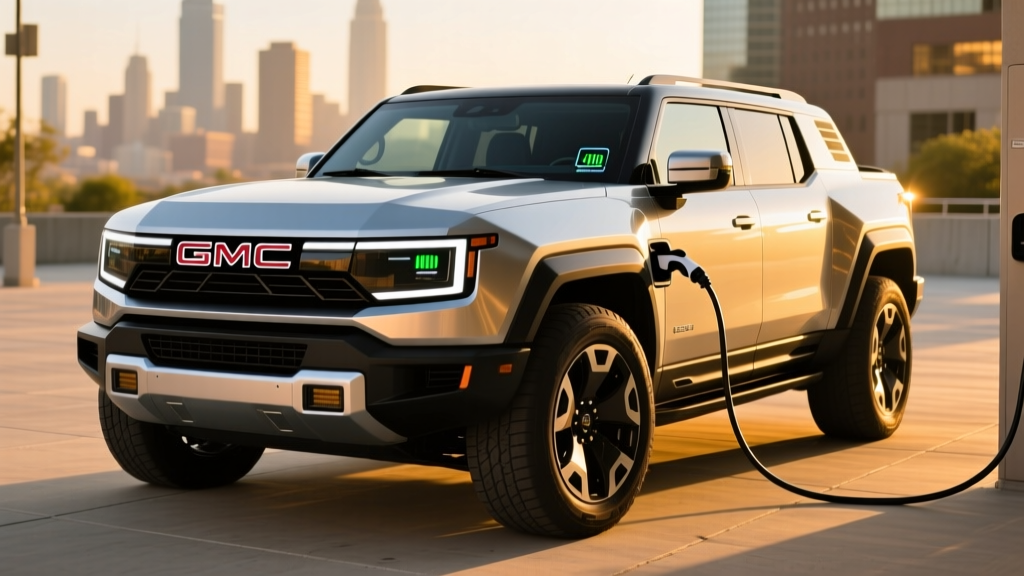
The 2025/2026 GMC Hummer EV Pickup achieves a 0-60 mph time of approximately 3.0 seconds when equipped with the available Watts to Freedom (WTF) launch mode and the dual-motor or tri-motor powertrain producing up to 1,000 horsepower. The Hummer EV SUV variant clocks 0-60 in roughly 3.5 seconds. These figures place the 9,000+ pound electric Hummer in supercar acceleration territory, making it one of the quickest production trucks ever sold.
But straight-line speed is only one data point. Below we cover the full ownership picture: real-world range, charging logistics, total costs, and whether this EV makes sense for your garage.
Hummer EV Performance Specs: Beyond the 0-60
The GMC Hummer EV's headline number — a 3.0-second 0-60 — comes courtesy of GM's Watts to Freedom mode, which preconditions the powertrain, lowers the adaptive air suspension, and primes the battery for maximum discharge. Without activating WTF mode, expect 0-60 in the low-to-mid 4-second range, which is still brisk for a vehicle with a curb weight exceeding 9,000 pounds on the tri-motor Pickup.
| Spec | Pickup (3X / Edition 1) | SUV (3X / 2X) |
|---|---|---|
| 0-60 mph (WTF Mode) | ~3.0 sec | ~3.5 sec |
| Horsepower | Up to 1,000 hp (tri-motor) | Up to 830 hp (tri-motor) |
| Torque (lb-ft) | ~12,000 (wheel torque) | ~12,000 (wheel torque) |
| Battery (usable, est.) | ~212 kWh (NMC) | ~170-212 kWh (NMC) |
| EPA Range | ~329 mi (2X RWD est.) / ~314 mi (3X) | ~314 mi (3X est.) |
| MPGe (combined) | ~47 MPGe (varies by trim) | ~50 MPGe (varies by trim) |
| Max DC Fast Charge | ~350 kW (800V architecture) | ~300-350 kW |
| 10-80% DC Charge | ~30-35 min (est.) | ~28-34 min (est.) |
| Level 2 Charge Rate | 11.5 kW (19.2 kW available) | 11.5 kW (19.2 kW available) |
| Curb Weight | ~9,046 lbs (3X) | ~8,600+ lbs |
| Towing Capacity | 7,500 lbs | ~7,500 lbs |
| Starting MSRP | ~$98,845 (2X) / ~$106,445 (3X) | ~$98,845 (2X) / ~$106,445 (3X) |
Sources: EPA fueleconomy.gov, GMC official specifications. Range and efficiency vary by trim, wheel size, and drivetrain. Always verify current model-year data.
Real-World Range Caveat
The Hummer EV's EPA-estimated 314-329 miles is measured under controlled conditions. In real-world highway driving at 70-80 mph, expect 240-280 miles from the tri-motor variants. In cold weather (below 30°F), range can drop an additional 20-30%, potentially bringing usable range down to 180-220 miles on a full charge. The massive battery helps buffer this loss compared to smaller-pack EVs, but physics still governs: a 9,000-lb vehicle moving air at highway speeds consumes energy aggressively. For data on specific trim efficiency, check EPA's EV listings.
How the Hummer EV Compares to Gas Trucks
The Hummer EV's 3.0-second 0-60 demolishes every internal-combustion truck on the market. For context, the Ford F-150 Raptor R (700+ hp V8) runs 0-60 in about 3.7 seconds, and the Ram 1500 TRX (702 hp supercharged V8) clocks around 4.5 seconds. The Hummer EV achieves supercar acceleration while carrying a battery pack heavier than some compact cars.
| Metric | GMC Hummer EV 3X Pickup | Ram 1500 TRX (Gas) | Ford F-150 Raptor R (Gas) |
|---|---|---|---|
| 0-60 mph | ~3.0 sec | ~4.5 sec | ~3.7 sec |
| Horsepower | 1,000 hp | 702 hp | 720 hp |
| Fuel/Energy Cost (per mile) | ~$0.06-0.10 (home) / $0.14-0.22 (DC fast) | ~$0.28-0.38 (premium gas) | ~$0.26-0.35 (premium gas) |
| Combined Efficiency | ~47 MPGe / 2.1 kWh/mi | ~12 MPG | ~14 MPG |
| Total Range | ~314 mi (EPA) | ~440 mi (33-gal tank) | ~390 mi |
| "Refuel" Time | ~30-35 min (10-80% DC) | ~5 min | ~5 min |
The gas trucks still win on total range and refueling speed — critical for remote off-road adventures or long towing hauls. But the Hummer EV's instant torque delivery, lower per-mile energy cost (when charging at home), and near-silent operation represent a fundamentally different ownership experience.
The Real Cost of Owning a Hummer EV
Performance this extreme doesn't come cheap, and the Hummer EV's ownership economics are as outsized as its dimensions. Here's a realistic five-year breakdown.
| Category | Estimated Cost | Notes |
|---|---|---|
| Purchase Price (3X MSRP) | ~$106,445 | Before options, destination, dealer adjustments |
| Federal Tax Credit (§30D) | $0 (exceeds MSRP cap) | Trucks capped at $80,000 MSRP for §30D — Hummer EV does not qualify |
| Home Charging Setup (Level 2) | $1,200 - $3,500 | 240V/60A circuit; may need panel upgrade for 19.2 kW charger |
| Energy Cost (5 yrs, 60k mi) | $4,200 - $7,500 | At 2.1 kWh/mi; $0.13-0.18/kWh avg home; higher if DC fast charging |
| Insurance (5 yrs) | $15,000 - $22,000 | High-value EV; premiums often 20-40% above comparable gas trucks |
| Maintenance (5 yrs) | $2,000 - $3,500 | Tires are the big cost — heavy EV wears tires faster; no oil changes |
| Tires (5 yrs, 1-2 sets) | $2,400 - $5,000 | 35-inch Goodyear Wrangler Territory MT; $400-600/tire |
| Total 5-Year (est.) | ~$131,000 - $151,000 | Excluding depreciation; varies by usage, location, insurance profile |
A critical point for buyers: the Hummer EV does not qualify for the $7,500 federal §30D tax credit. Under current IRS rules, trucks must have an MSRP at or below $80,000 to be eligible. Every Hummer EV trim exceeds this threshold. Check the latest rules at IRS.gov §30D clean vehicle credits.
Charging the Hummer EV: What You Actually Need
The Hummer EV's battery is enormous — over 200 kWh usable in the tri-motor Pickup. This is roughly three times the capacity of a Tesla Model Y. That massive capacity is both an advantage (range buffer, V2L capability) and a logistical challenge (long Level 2 sessions, high energy draw).
| Charging Level | Power (kW) | Miles Added per Hour | 0-100% Time (est.) |
|---|---|---|---|
| Level 1 (120V outlet) | ~1.4 kW | ~2-3 mi/hr | 70+ hours (impractical) |
| Level 2 (240V, 48A) | 11.5 kW | ~18-22 mi/hr | ~18-20 hours |
| Level 2 (240V, 80A) | 19.2 kW | ~30-36 mi/hr | ~11-13 hours |
| DC Fast (peak 350 kW) | Up to 350 kW | N/A | 10-80% in ~30-35 min |
Home charging reality: A standard 48-amp Level 2 charger (11.5 kW) will add roughly 20 miles of range per hour — adequate if you drive 60-80 miles daily and park overnight. But fully replenishing the 212 kWh battery from empty takes 18+ hours at this rate. If you regularly deplete the pack, upgrading to a 19.2 kW (80-amp) Level 2 charger is worth considering. This requires a dedicated 100-amp circuit, and many homes will need an electrical panel upgrade ($2,000-$5,000+). Always consult a licensed electrician for final specifications.
DC fast charging curve: The Hummer EV's 800-volt architecture supports up to 350 kW peak charging. However, like all EVs, the charge rate tapers significantly above 80% State of Charge. You'll see peak speeds in the 10-50% SoC window; above 80%, speeds drop to protect the battery cells. Plan road-trip stops around the 10-80% window for optimal efficiency.
Common Misconceptions About the Hummer EV
| Myth | Fact |
|---|---|
| "It gets the $7,500 federal tax credit." | No. The §30D credit caps truck eligibility at $80,000 MSRP. The Hummer EV starts near $99K and does not qualify. Some state incentives may apply — check your local energy agency. |
| "The 329-mile range means I'll always get 329 miles." | EPA range is a laboratory estimate. Highway driving at 75+ mph, cold temperatures, towing, and off-road use all reduce range substantially. Budget 240-280 miles for highway trips, less in winter. |
| "I can charge it on any standard outlet overnight." | Level 1 (120V) adds only 2-3 miles per hour — that's 24-36 miles in a 12-hour overnight session. With a 212 kWh battery, Level 1 is only viable for emergency trickle charging, not daily use. |
| "12,000 lb-ft of torque — that's the motor output." | GM's 12,000 lb-ft figure is wheel torque, calculated after gear reduction. Actual motor torque is significantly lower. Wheel torque is a valid metric for understanding launch force, but it's not directly comparable to engine torque figures. |
| "Super Cruise means it drives itself." | Super Cruise is an SAE Level 2 driver-assistance system. It handles steering and speed on pre-mapped divided highways, but you must remain attentive and keep your eyes on the road. It is not autonomous driving. |
Real-World Ownership: What First-Time EV Buyers Should Know
If you're considering the Hummer EV as your first electric vehicle, several practical realities shape the experience:
Home Charging Is Non-Negotiable for Daily Convenience
With a battery this large, relying solely on public DC fast charging is expensive ($0.30-$0.48/kWh at many networks, meaning $63-$100+ per full charge) and time-consuming. Budget $1,500-$3,500 for a quality Level 2 home charger installation. If your home has a 200-amp electrical panel, you may need an upgrade to support a 19.2 kW charger — factor in $2,000-$5,000 for panel work.
Tire Costs Are Significant
The Hummer EV's 9,000+ lb curb weight and instant torque accelerate tire wear considerably. Expect to replace tires more frequently than on a gas truck, and the 35-inch Goodyear Wrangler Territory MT tires run $400-$600 each. Budget $2,400-$5,000 for tire replacements over five years.
Cold Weather Hits Hard — But the Big Battery Helps
EV range drops 20-30% in freezing temperatures due to battery chemistry limitations and cabin heating demands. The Hummer EV's massive pack provides a buffer — even at 70% of rated range, you still have ~220 miles. But if you live in the upper Midwest or Northeast and regularly drive long distances in winter, plan accordingly. Preconditioning the battery while plugged in mitigates some loss.
Insurance Premiums Are Higher Than Gas Equivalents
High-value EVs with expensive battery packs and specialized repair requirements typically carry insurance premiums 20-40% above comparable gas trucks. Get quotes before purchasing — annual premiums of $3,000-$4,500 are common depending on your driving record and location.
Super Cruise Is Excellent But Not Autonomous
SAE Level 2 — Driver Supervision Required. GM's Super Cruise enables hands-free driving on over 750,000 miles of pre-mapped compatible roads in North America. It's one of the best Level 2 systems available. However, the driver must remain alert, eyes on the road, and ready to take over at any time. This is not a Level 4 autonomous system like Waymo's robotaxi service.
Decision Framework: Is the Hummer EV Right for You?
Choose the GMC Hummer EV If:
- You want the quickest truck ever made and the 3.0-second 0-60 is a primary draw.
- You have reliable home charging access (garage or driveway with 240V circuit capability).
- Your budget accommodates $100K+ purchase, $3K-$4.5K annual insurance, and premium tire costs without relying on a federal tax credit.
- You value off-road capability with silent electric operation — CrabWalk diagonal driving, Extract Mode (air suspension lift), and underbody cameras are genuinely unique features.
- Your daily driving is under 200 miles, making overnight Level 2 charging sufficient.
- You want V2L (Vehicle-to-Load) capability — the Hummer EV can power tools, camp equipment, or provide emergency home power.
Look Elsewhere If:
- You need the $7,500 federal tax credit — the Hummer EV doesn't qualify due to the MSRP cap.
- You regularly tow heavy loads over long distances — towing at 7,500 lbs will reduce range to approximately 150-180 miles, requiring frequent DC fast-charge stops.
- You lack home charging access — public-charging-only ownership with a 212 kWh battery is expensive and impractical.
- You need a practical daily commuter — the Hummer EV is 18+ feet long, 87+ inches wide (with mirrors), and won't fit many parking structures or tight garages.
- Budget is a primary concern — consider the Rivian R1T, Ford F-150 Lightning, or Chevy Silverado EV for electric truck capability at lower price points.
Frequently Asked Questions
What is the electric Hummer's 0-60 time without Watts to Freedom mode?
Without WTF launch mode activated, the Hummer EV Pickup 3X still achieves 0-60 mph in approximately 4.0-4.5 seconds. The launch mode shaves over a full second by preconditioning the battery thermal state, lowering the suspension, and optimizing torque distribution across all three motors.
Does the GMC Hummer EV qualify for any tax credits in 2025/2026?
The Hummer EV does not qualify for the federal §30D new clean vehicle credit because its MSRP exceeds the $80,000 cap for trucks, SUVs, and vans. Some state-level incentives may apply (e.g., certain states offer rebates based on battery size or income level), but eligibility varies by jurisdiction. Consult your state energy office and a tax professional for specifics. Check IRS.gov for current federal rules.
How long does it take to fully charge a Hummer EV at home?
On a standard 11.5 kW (48-amp) Level 2 home charger, a full 0-100% charge of the 212 kWh tri-motor battery takes approximately 18-20 hours. With a 19.2 kW (80-amp) charger, that drops to roughly 11-13 hours. Most owners won't charge from 0% — a typical overnight session from 30% to 80% takes about 8-9 hours at 11.5 kW.
What is the Hummer EV's real-world range when towing?
When towing near the 7,500-lb maximum capacity, expect range to drop to approximately 150-180 miles depending on trailer aerodynamics, terrain, speed, and temperature. Towing is the most energy-intensive scenario for any EV. Plan charging stops accordingly and use route-planning tools that account for towing load.
How does the Hummer EV battery warranty compare?
GM covers the Hummer EV's Ultium battery pack with an 8-year/100,000-mile warranty, guaranteeing the battery will retain at least 70% of its original capacity during that period. This is consistent with industry standards. Given the pack's massive size, even at 70% capacity retention, you'd still have approximately 220+ miles of range after the warranty threshold.
Is the Hummer EV too big for daily driving?
At over 226 inches long (Pickup) and 96+ inches wide with mirrors, the Hummer EV is one of the largest consumer vehicles on the road. It fits standard highway lanes but can be challenging in tight urban environments, parking structures with height or width restrictions, and narrow residential streets. Rear-wheel steering (up to 10 degrees) helps with low-speed maneuverability and gives it a tighter turning circle than its dimensions suggest.
Specifications and pricing reflect 2025/2026 model-year data available at time of publication. Always verify current figures with GMC and the EPA. Tax credit rules are subject to change — consult IRS.gov and a qualified tax professional before making purchase decisions based on incentives.