Quick Answer: Should You Buy the GMC Denali Electric Vehicle?
The 2026 GMC Sierra EV Denali Edition 1 is a premium full-size electric pickup with an EPA-estimated 440 miles of range, 754 horsepower, and 350 kW peak DC fast charging. Starting around $99,495 (including destination), it targets luxury truck buyers who need towing capability, daily drivability, and minimal range anxiety. It makes the most sense if you have access to Level 2 home charging, drive in moderate climates, and can absorb a six-figure purchase before incentives. If you frequently tow heavy loads in cold weather or rely solely on public charging, the ownership calculus shifts significantly.
What Is the GMC Denali Electric Vehicle?
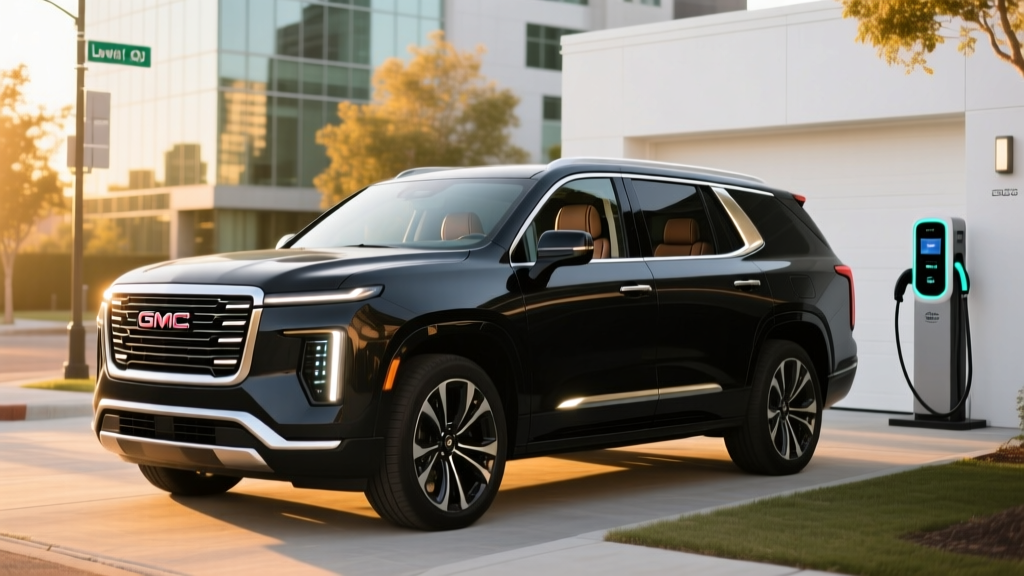
When shoppers search for a "GMC Denali electric vehicle," they're typically looking for the GMC Sierra EV Denali — the fully electric version of GMC's flagship pickup truck. For 2026, GMC offers the Sierra EV on the dedicated Ultium platform (not a converted gas truck), giving it a flat floor, a massive front trunk (frunk), and structural battery integration that gas-platform conversions can't match.
The Sierra EV Denali Edition 1 sits at the top of the lineup. Below it, GMC has introduced more accessible trims like the Elevation, broadening the Sierra EV's appeal to buyers who want electric truck capability without the Denali price tag. But the Denali remains the halo model — and the one most buyers research first.
| Spec | Value |
|---|---|
| EPA Range | 440 miles (est.) |
| Battery Capacity | ~200+ kWh usable (Ultium, NMC chemistry) |
| Peak DC Fast Charge | 350 kW (800V architecture) |
| 10–80% DC Charge Time | ~45 minutes (est. with taper) |
| Level 2 AC Charging | 19.2 kW onboard charger |
| Horsepower | 754 hp |
| 0–60 mph | ~4.5 seconds |
| Max Towing Capacity | 10,000 lbs (with Max Trailering Pkg) |
| Starting MSRP | ~$99,495 (incl. destination) |
| Battery/Powertrain Warranty | 8 years / 100,000 miles |
Real-World Range vs. EPA Sticker
EPA estimate: 440 miles
Expect in reality: ~340–380 miles on highway road trips at 70+ mph; ~280–320 miles in freezing temperatures with cabin heat. Towing a 7,000 lb trailer? Plan for 180–220 miles between charges. The Sierra EV's massive battery gives it a buffer most EVs lack, but physics still applies — aerodynamic drag at highway speeds and cold-weather battery resistance reduce range substantially.
GMC Sierra EV Denali vs. Gas Sierra Denali: Cost & Capability
The natural comparison is the gas-powered GMC Sierra 1500 Denali, which starts around $68,000 for 2026. The EV commands a ~$31,000 premium upfront, but the operating cost story is very different over five years. Here's how the numbers stack up for a driver covering 15,000 miles annually:
| Cost Category | Sierra EV Denali | Gas Sierra Denali (6.2L V8) |
|---|---|---|
| Purchase Price (MSRP) | $99,495 | $68,000 |
| Federal Tax Credit (§30D) | Up to $7,500* | $0 |
| Fuel/Energy (5 yrs) | ~$5,400† | ~$18,750‡ |
| Maintenance (5 yrs) | ~$1,500 | ~$4,200 |
| Insurance (5 yrs est.) | ~$14,000 | ~$10,500 |
| 5-Year Total (before depreciation) | ~$112,895 | ~$101,450 |
*§30D credit eligibility depends on MSRP caps, buyer income limits, and battery mineral sourcing. The Sierra EV Denali's MSRP exceeds the $80,000 truck cap for §30D; however, commercial fleet credits under §45W may apply. Consult IRS guidelines and a tax professional.
†Based on $0.15/kWh national average home charging, 2.0 kWh/mi.
‡Based on $3.75/gal premium, 16 MPG combined (EPA).
The EV doesn't fully close the price gap over five years at current fuel prices — but factor in depreciation (EVs have been volatile, though stabilizing), state incentives, and the value of frunk cargo space and near-silent daily driving, and the decision becomes more personal than purely mathematical.
Charging the Sierra EV Denali: Home and Public
The Sierra EV Denali's 800-volt architecture and 350 kW peak charge rate are among the best in the truck segment. But peak rate isn't sustained rate — expect the charge curve to taper significantly above 80% State of Charge (SoC) to protect the battery. A typical 10–80% session at a 350 kW-capable station will take roughly 45 minutes, not the ~30 minutes that raw math might suggest.
| Charging Level | Power | Miles Added per Hour | Typical Use Case |
|---|---|---|---|
| Level 1 (120V outlet) | ~1.4 kW | ~3–4 mi/hr | Emergency/trickle only |
| Level 2 (240V home) | 19.2 kW (max onboard) | ~52 mi/hr | Overnight home charging |
| DC Fast Charge | Up to 350 kW | Up to ~700 mi/hr (peak) | Road trips, 10–80% in ~45 min |
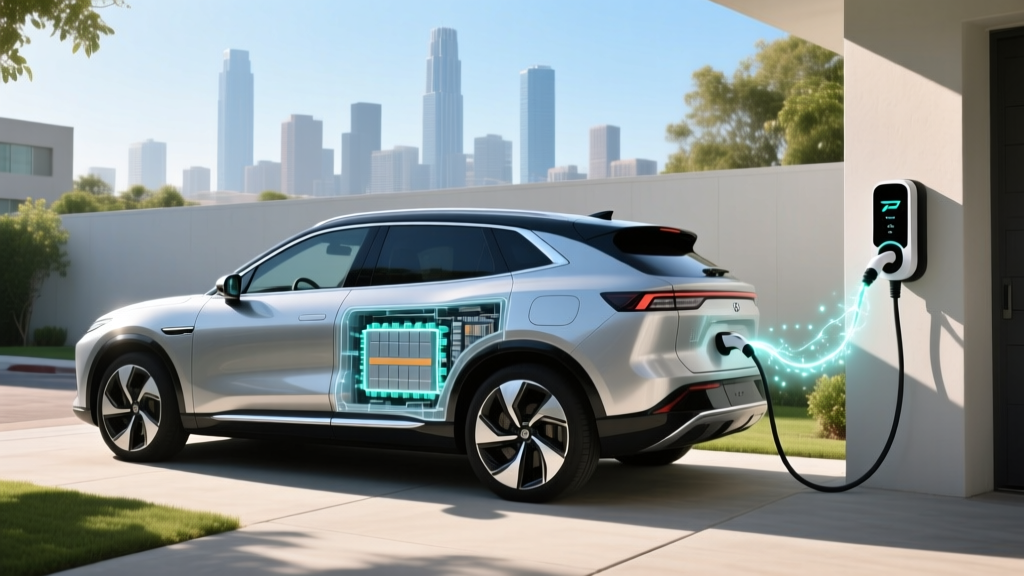
Home charging reality: The Sierra EV's 19.2 kW onboard charger is among the fastest available for home use, but it requires a 100-amp dedicated circuit and a hardwired Level 2 wall connector. Most homes with 200-amp electrical panels will need a panel upgrade ($1,500–$3,000) to support this. A 48-amp circuit delivering 11.5 kW is more common and still adds ~31 miles per hour — enough to fully recharge overnight for most drivers. Always get a quote from a licensed electrician before purchasing.
Public charging: The Sierra EV uses the CCS1 connector standard for 2026. GMC has confirmed NACS (Tesla Supercharger) compatibility via adapter for future model years, expanding access to Tesla's reliable network. For now, Electrify America, EVgo, and other CCS networks are your primary DC fast-charging options. Reliability varies — plan backup chargers on road trips.
Ownership Considerations: Who Should (and Shouldn't) Buy
The Sierra EV Denali is not the right truck for every buyer. Here's a practical decision framework based on real ownership patterns:
Choose the Sierra EV Denali If:
- You have a garage or driveway where you can install a Level 2 charger
- Your daily driving is under 100 miles (most Americans average ~37 miles/day)
- You value instant torque, quiet operation, and the frunk for job-site or grocery runs
- You live in a moderate climate (or have a heated garage for winter preconditioning)
- You want to reduce fuel and maintenance costs over 5+ years of ownership
- You're eligible for state/local incentives that further reduce the effective price
Reconsider or Look at Hybrids If:
- You regularly tow 8,000+ lbs over long distances (range drops to ~200 miles)
- You live in an apartment or street-park with zero home charging access
- Your area has limited DC fast-charging infrastructure (check PlugShare first)
- You need a sub-$70,000 truck and can't absorb the EV premium
- You operate in extreme cold (below 10°F) for extended periods without garage access
First-time EV buyer tip: The Sierra EV Denali's Ultium battery uses NMC (nickel manganese cobalt) chemistry, which offers high energy density for that 440-mile range but degrades slightly faster than LFP (lithium iron phosphate) if regularly charged to 100%. For daily driving, set your charge limit to 80% and only charge to full before long road trips. This practice extends long-term battery health. GMC's 8-year/100,000-mile battery warranty covers capacity loss below a specified threshold — read the fine print in your purchase agreement.
Common Misconceptions About the GMC Denali Electric Vehicle
| Myth | Fact |
|---|---|
| "440 miles means I'll never need to charge on road trips." | At highway speeds in summer, expect ~360 miles. With A/C, headwinds, and elevation changes, plan stops every 280–320 miles for comfort. |
| "I can tow my 9,000 lb boat the same distance as a gas truck." | Towing cuts EV range by 40–60%. A gas Sierra Denali loses ~15–20% range towing. Plan charging stops every 180–220 miles when towing heavy. |
| "The $7,500 federal tax credit applies automatically." | §30D has MSRP caps ($80K for trucks), income limits ($150K single/$300K joint), and battery sourcing requirements. The Denali Edition 1's MSRP likely exceeds the cap. Check IRS §30D rules carefully. |
| "The battery will need replacing in 5 years." | Ultium batteries are engineered for 150,000+ miles with manageable degradation (~10–15% over 8 years based on GM's testing data). Warranty protects against abnormal loss. |
| "I can charge from any standard outlet quickly." | A 120V outlet adds ~3 miles per hour. The Sierra EV's 200+ kWh battery would take over 60 hours from empty on Level 1. Level 2 home charging is practically essential. |
Insurance, Maintenance, and Long-Term Costs
EV insurance premiums run 15–25% higher than equivalent gas vehicles, driven by higher repair costs for battery-adjacent damage and specialized labor. For the Sierra EV Denali, expect annual premiums of $2,400–$3,200 depending on your state, driving record, and coverage level. Get quotes before purchasing — the variance between insurers for EVs is wider than for gas trucks.
Maintenance is where the EV quietly wins. No oil changes, no transmission fluid, no spark plugs, no exhaust system. Brake pads last far longer thanks to regenerative braking (one-pedal driving recovers energy and reduces mechanical brake wear). Over five years, Sierra EV maintenance costs average $300/year versus $840/year for the gas Sierra Denali — a savings of roughly $2,700.
Tires are the hidden EV cost. The Sierra EV Denali weighs over 9,000 lbs, and instant electric torque accelerates wear. Budget for premium all-season or all-terrain tire replacement every 25,000–35,000 miles at $1,200–$1,800 per set.
Frequently Asked Questions
Does the GMC Sierra EV Denali qualify for the $7,500 federal tax credit?
Likely not under §30D for individual buyers. The federal credit caps truck MSRP at $80,000, and the Denali Edition 1 starts near $99,495. However, if you purchase through a business entity, the §45W commercial clean vehicle credit (up to $7,500 for vehicles over 14,000 lbs GVWR, or up to $40,000 for heavier classes) may apply. State incentives vary widely — check fueleconomy.gov and your state energy office for local rebates. Always consult a tax professional for your specific situation.
How long does it take to charge the Sierra EV Denali at home?
With a 19.2 kW Level 2 hardwired charger and a near-empty battery (~200 kWh), a full charge takes roughly 10–11 hours. In practice, most owners plug in nightly and top up 50–100 miles of range in 3–5 hours, waking to a full battery every morning. If your electrical panel supports only a 48-amp/11.5 kW circuit, a full charge takes ~17 hours — still sufficient for overnight replenishment of typical daily driving.
What happens to the Sierra EV's range in winter?
Cold temperatures reduce battery efficiency and increase cabin heating demand. At 20°F, expect a 20–30% range reduction (310–350 miles from a full charge). Below 10°F, losses can reach 35–40%. The Sierra EV's heat pump helps mitigate this compared to resistive heating, but preconditioning the battery while plugged in (using the GMC app to warm the cabin and battery before departure) is essential for preserving range in cold climates.
Can the Sierra EV Denali really tow 10,000 pounds?
Yes — with the available Max Trailering Package, the Sierra EV Denali is rated for 10,000 lbs. GMC's Ultium platform provides substantial torque (785 lb-ft) for confident acceleration with a load. However, towing at max capacity reduces range to approximately 180–220 miles per charge depending on terrain, speed, and temperature. For frequent heavy towing over long distances, a diesel or gas truck remains more practical until DC fast-charging infrastructure matures further.
Is the Sierra EV Denali better than the Ford F-150 Lightning or Rivian R1T?
It depends on your priorities. The Sierra EV Denali leads on EPA range (440 mi vs. Lightning's ~320 mi extended range) and peak charge speed (350 kW vs. Lightning's ~150 kW). The Rivian R1T offers superior off-road capability and a quad-motor option but seats five (vs. the Sierra's six) and starts at a lower price. The F-150 Lightning is more affordable and widely available. Cross-shop all three and test drive — the spec sheet doesn't capture ride quality, software experience, or dealership service quality in your area.
Sources: GMC Sierra EV Official Page, fueleconomy.gov (EPA estimates), IRS §30D Clean Vehicle Credits. All figures reflect 2026 model-year data available at time of publication. Specifications and incentive eligibility subject to change.