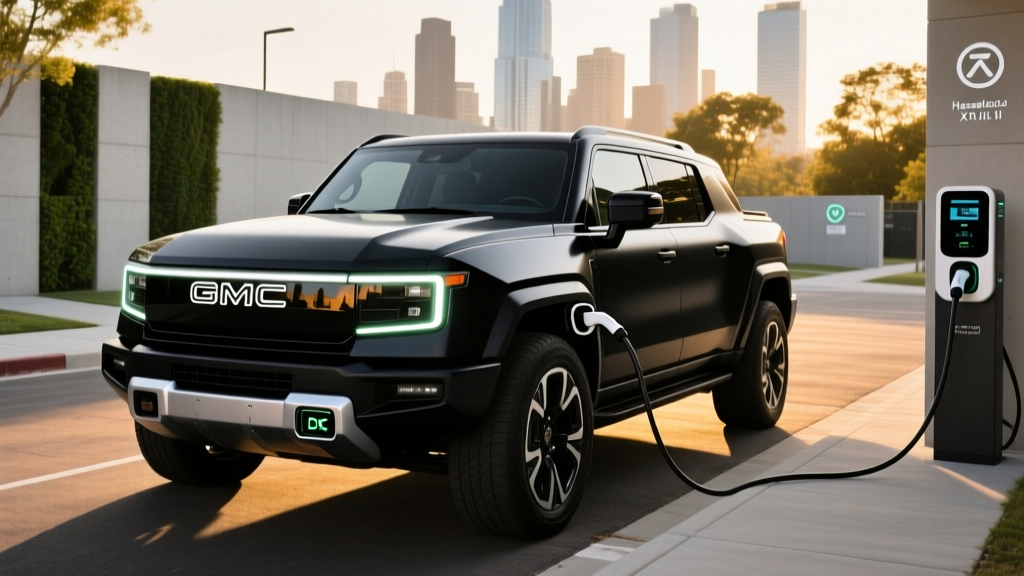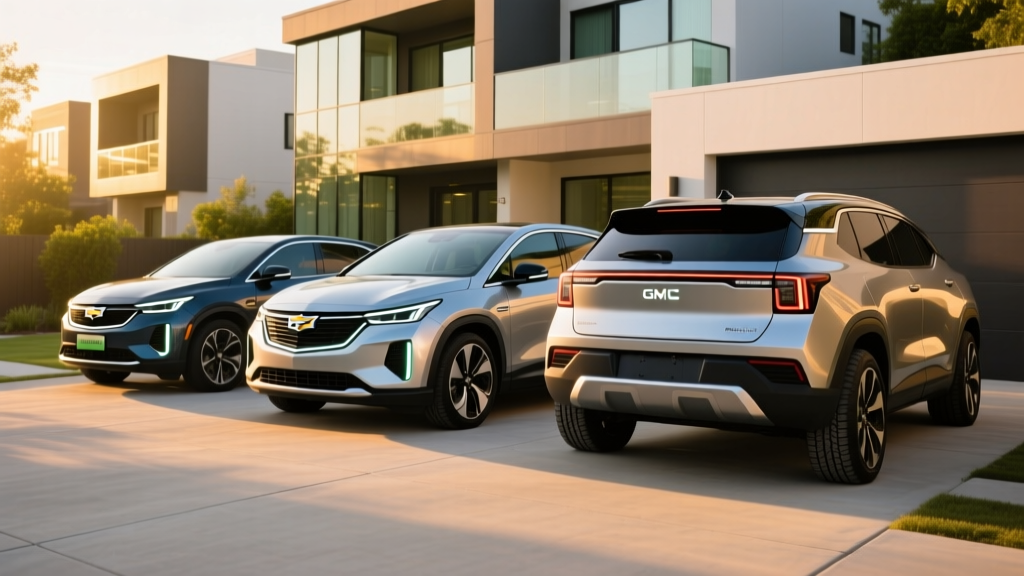
Leasing an electric vehicle from General Motors in 2026 presents a unique financial equation. With models like the Chevrolet Equinox EV, Blazer EV, and Cadillac Lyriq dominating the mainstream and luxury segments, buyers are drawn to aggressive monthly payments. However, the advertised monthly rate is only one variable in a complex ownership formula. To determine whether a GM EV lease is genuinely the most cost-effective path to electrification, you must weigh federal tax credit eligibility, real-world energy costs, insurance premiums, and the vehicle's projected residual value.
This guide dissects the total cost of ownership (TCO) for a typical GM EV lease, providing the exact data points needed to make an informed decision. We move beyond marketing brochures to examine the 5-year financial reality of driving a 2026 GM electric vehicle.
The 5-Year Total Cost of Ownership (TCO) Breakdown
When evaluating GM EV lease deals, it is critical to look past the monthly payment and calculate the total capital required to keep the vehicle on the road for a standard 60-month period. This includes lease payments, energy, insurance, maintenance, and the impact of depreciation (or in a lease, the residual value gap).
| Cost Category | 2026 Equinox EV 3LT (Lease) | 2026 Gas Equinox (Purchase) |
|---|---|---|
| Vehicle Acquisition (Payments + Down) | $25,200 (60 mo @ $350/mo + $4,200 due at signing) | $34,500 (Financed @ 6.5% APR) |
| Energy (Fuel/Electricity) | $4,320 (15,000 mi/yr @ $0.14/kWh) | $9,450 (15,000 mi/yr @ $3.15/gal, 25 MPG) |
| Maintenance & Repairs | $1,800 (Tires, cabin air, wipers) | $4,200 (Oil, filters, brakes, transmission) |
| Insurance (Avg. Premium) | $11,400 ($190/mo avg) | $9,000 ($150/mo avg) |
| Federal Tax Credit (§30D) | -$7,500 (Applied as cap reduction/POS) | $0 |
| Total 5-Year Cost | $35,220 | $57,150 |
Note: Gas vehicle cost does not include final resale value recovery. EV lease cost assumes no equity at lease end. Actual costs vary by region, driving habits, and credit tier.
Federal Tax Credit (§30D) and Lease 'Pass-Through' Rules
For 2026, the IRS §30D Clean Vehicle Credit remains a cornerstone of EV affordability, but the rules are strict. A buyer must meet income caps, and the vehicle must satisfy battery component and critical mineral sourcing requirements.
2026 §30D Eligibility Checklist
- Income Caps: Modified Adjusted Gross Income (MAGI) must not exceed $150,000 (Single), $225,000 (Head of Household), or $300,000 (Joint).
- MSRP Caps: Vans/SUVs/Pickups must be under $80,000; Sedans under $55,000.
- Battery Sourcing: 100% of critical minerals must be sourced from the U.S. or FTA partners, and 100% of battery components must be manufactured/assembled in North America (phased in through 2028/2029).
- Point-of-Sale (POS): Buyers can transfer the credit to the dealer to reduce the down payment immediately.
Source: IRS.gov - Clean Vehicle Credits
The Lease Loophole (Commercial Clean Vehicle Credit §45W):
One of the primary reasons to pursue GM EV lease deals over purchasing is the treatment of the tax credit in a lease. Under IRS rules, a leased vehicle is technically owned by the lessor (the finance company). This allows the lessor to claim the Commercial Clean Vehicle Credit (§45W), which is not subject to the same MSRP or buyer income caps as §30D. Most major automakers, including GM Financial, pass this $7,500 benefit directly to the consumer as a "capitalized cost reduction," effectively lowering the lease price. This makes leasing a highly attractive option for buyers who exceed the §30D income limits or are eyeing a vehicle like the Cadillac Lyriq that may face MSRP cap issues in a purchase scenario.
Energy Economics: Charging vs. Gasoline Cost Per Mile
The most significant operational savings in an EV lease comes from energy. However, the "cost per mile" is highly dependent on your charging environment.
| Energy Source | Rate / Cost | Efficiency | Cost Per Mile |
|---|---|---|---|
| Home Level 2 (National Avg) | $0.16 / kWh | 3.0 mi/kWh | $0.053 |
| Public DC Fast Charging | $0.48 / kWh | 3.0 mi/kWh | $0.160 |
| Gasoline (Regular Unleaded) | $3.15 / Gallon | 26 MPG (Avg Crossover) | $0.121 |
Real-World Insight: If you can install a Level 2 home charger, the Equinox EV (85 kWh usable battery) costs approximately $13.60 to "fill up" from empty, providing an EPA-estimated 315 miles of range. If you rely exclusively on public DC fast chargers (like Electrify America or EVgo), your energy costs will actually exceed those of a fuel-efficient gas vehicle. For a lease to make financial sense, home or workplace charging is virtually mandatory.
Maintenance Savings and Reliability
GM's Ultium-based EVs (the platform underpinning the Equinox, Blazer, and Silverado EV) require significantly less scheduled maintenance than their internal combustion counterparts. There are no oil changes, spark plugs, timing belts, or transmission fluid flushes.
| Service Item | Gas Vehicle Frequency | GM EV Frequency |
|---|---|---|
| Oil & Filter | Every 5,000-7,500 mi ($350 total) | Never ($0) |
| Brake Pads/Rotors | Every 40,000 mi ($800 total) | 80,000+ mi (Regen braking saves wear) |
| Coolant Flush | Every 50,000 mi ($200) | Every 5 years/150,000 mi (Battery thermal mgmt) |
| Tire Rotation | Every 7,500 mi ($150 total) | Every 7,500 mi ($150 total) — EVs wear tires faster due to weight/torque |
The Insurance Reality: Premiums and Coverage
One area where GM EV lease deals may sting is insurance. On average, EVs cost 15-25% more to insure than comparable gas vehicles. This is due to higher repair costs for battery packs, specialized labor requirements, and the higher initial MSRP of the vehicles.
For a 2026 Blazer EV or Silverado EV, expect annual premiums between $2,100 and $2,600 for a driver with a clean record. However, many insurers now offer "green vehicle" discounts, and GM's partnership with OnStar can sometimes provide data-driven insurance discounts through usage-based programs. Always run a quote before signing the lease to ensure the monthly total remains competitive.
Depreciation and Lease-End Equity
EV depreciation has been volatile. In 2024-2025, massive price cuts by Tesla and others caused used EV values to plummet, leaving many lessees with "negative equity" (the car was worth less than the lease buyout price). For 2026, leasing remains a strategic hedge against this risk.
By leasing, you transfer the risk of residual value to GM Financial. If battery technology makes your 2026 Equinox EV obsolete by 2029, you simply hand the keys back and walk away. If the vehicle holds its value well, you may have the option to purchase it at the pre-set residual price and sell it for a profit. In the current market, leasing is the safest way to protect yourself from the unpredictability of EV resale values.
Frequently Asked Questions (FAQ)
Can I combine the Federal Tax Credit with GM lease incentives?
Yes. In a lease, the $7,500 credit (via §45W) is typically applied as a cap reduction. You can often stack this with GM's regional cash allowances, loyalty bonuses, or dealer discounts to drive the monthly payment significantly lower.
What happens if I exceed the mileage limit on my GM EV lease?
Standard GM leases are 10,000 or 12,000 miles per year. Excess mileage fees are usually $0.20 to $0.25 per mile. Given that EVs have lower per-mile energy costs, it is often cheaper to pre-purchase extra miles at lease signing if you have a long commute.
Does GM cover battery replacement during the lease?
Yes. GM provides an 8-year/100,000-mile warranty on the Ultium battery pack. Since most leases are 36-48 months, any battery degradation or failure will be covered under warranty at no cost to you.
Are there state-level incentives for leasing an EV?
Many states offer rebates that apply to both purchases and leases. For example, California, Colorado, and New York have income-based rebates that can be applied to lease down payments. Check with your local dealer for current regional programs.