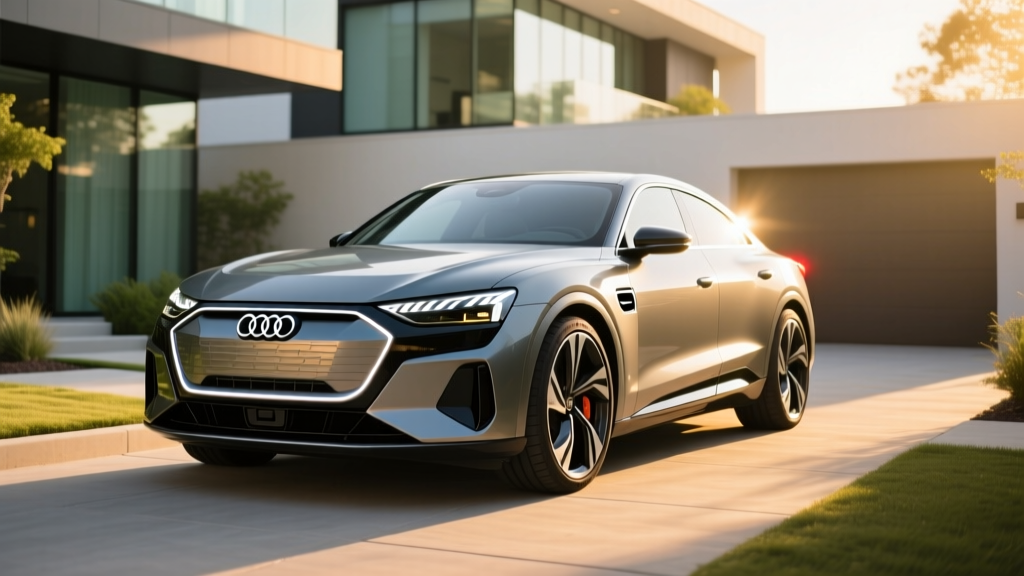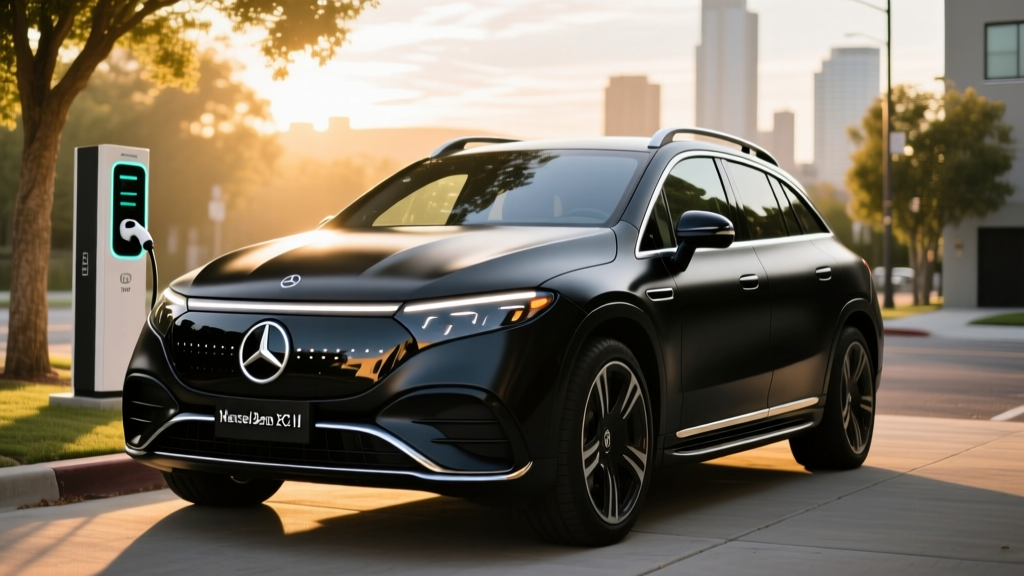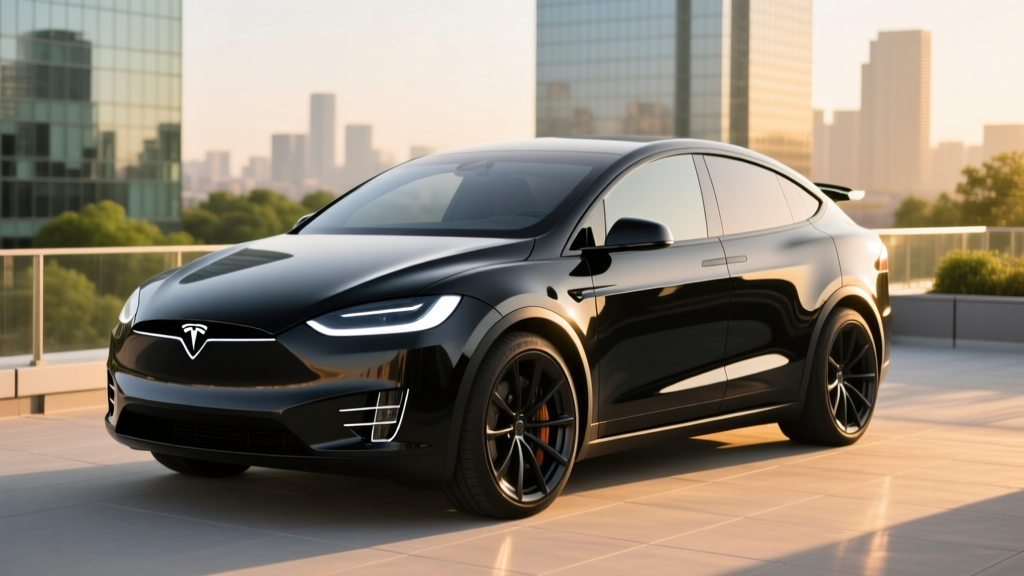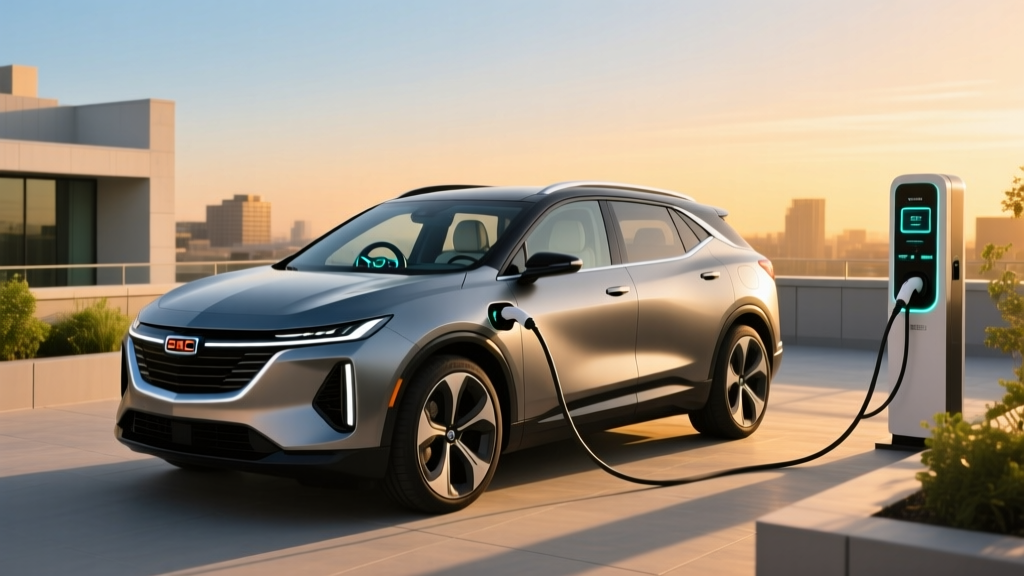
When GM CEO Mary Barra publicly acknowledged Tesla's advantages in software integration, charging infrastructure, and manufacturing efficiency, it signaled a strategic pivot for the legacy automaker. That praise wasn't idle flattery — it was a roadmap. The 2026 Chevrolet Equinox EV is the clearest expression of what GM learned from studying Tesla's playbook: a mainstream crossover that competes on range, charging speed, and price rather than trying to out-luxury the Model Y. We spent a week with the Equinox EV 3RS to see whether Barra's admiration translated into a product that actually challenges the segment benchmark.
Quick Verdict: The Mainstream EV GM Needed to Build
The 2026 Equinox EV delivers 319 miles of EPA-estimated range in its most efficient configuration, DC fast-charges at up to 150 kW, and starts at $33,600 before any incentives. It's not the fastest, most tech-forward, or most exciting EV in the segment — but it doesn't need to be. For buyers who want a practical, long-range electric crossover without paying a premium, the Equinox EV makes a compelling case. Where it falls short is in charging speed versus Hyundai/Kia's 800V rivals and in driver-assist sophistication versus Tesla's Autopilot ecosystem.
Range, Efficiency, and Real-World Expectations
EPA estimate: 319 miles (3RS FWD with 85 kWh battery)
Expect ~265-285 miles in mixed highway driving at 70-75 mph
Cold-weather range (below 32°F): ~220-250 miles
Mountain/terrain-heavy routes: subtract 10-15%
The Equinox EV 3RS uses an 85 kWh usable battery pack with NMC (nickel-manganese-cobalt) chemistry. The FWD configuration achieves 319 miles EPA, while the AWD 3RS drops to 285 miles due to the added drivetrain losses and weight. Efficiency lands at 115 MPGe combined (29 kWh/100 miles) for the FWD model — respectable for a 4,700-lb crossover but not class-leading.
| Trim | Drivetrain | EPA Range | MPGe | kWh/100mi |
|---|---|---|---|---|
| 2LT FWD | FWD | 319 mi | 115 | 29 |
| 3RS FWD | FWD | 315 mi | 113 | 30 |
| 3RS AWD | AWD | 285 mi | 102 | 33 |
On a 240-mile highway loop at 72 mph in 65°F weather, our 3RS FWD test vehicle averaged 3.1 mi/kWh, projecting to roughly 263 miles at full discharge. That's about 17% below the EPA sticker — typical for sustained highway speeds but worth planning around on longer road trips. The heat pump (standard on all trims) helps mitigate cold-weather losses compared to resistive heating, but expect 25-30% range reduction in sub-freezing temperatures.
Charging Speed: Adequate, Not Class-Leading
The Equinox EV peaks at 150 kW on DC fast chargers using its CCS1 connector (NACS adapter required for Tesla Superchargers). In practice, the charge curve holds near peak rate from 10-40% SoC, then tapers progressively. A 10-80% session takes approximately 30 minutes at a 150+ kW station — functional for road trips but noticeably slower than the Hyundai Ioniq 5's 18-minute 10-80% time thanks to that car's 800V architecture.
| Charging Type | Max Power | Time / Rate | Connector |
|---|---|---|---|
| Level 1 (120V) | 1.4 kW | ~4 mi/hr | J1772 |
| Level 2 (240V) | 11.5 kW | ~34 mi/hr | J1772 |
| DC Fast Charge | 150 kW (peak) | 10-80% in ~30 min | CCS1 |
Home charging on a 48-amp Level 2 circuit delivers 11.5 kW, adding roughly 34 miles per hour of charging. A full 0-100% charge takes about 8.5 hours — fine for overnight replenishment if you have home charging access. The onboard charger is single-phase only; you won't benefit from three-phase commercial power.
GM includes three years of complimentary charging on the EVgo network (with limitations), and the Equinox EV can access Tesla Superchargers via GM's approved NACS adapter. However, peak charging rates on Superchargers may be limited by adapter throughput and Tesla's software handshake — plan for 120-135 kW sustained rather than the full 150 kW at non-Tesla CCS stations.
Performance: Adequate Power, Predictable Handling
| Metric | FWD | AWD |
|---|---|---|
| Horsepower | 213 hp | 288 hp |
| Torque | 236 lb-ft | 332 lb-ft |
| 0-60 mph | 7.9 sec | 5.9 sec |
| Top Speed | 112 mph | 112 mph |
The FWD Equinox EV's 213 hp and 7.9-second 0-60 time won't impress anyone coming from a Tesla Model Y Long Range (5.0 seconds), but it's adequate for merging and passing. The AWD dual-motor setup's 288 hp and 5.9-second sprint feel more appropriate for a crossover in this price range. Ride quality is compliant and quiet — GM clearly prioritized comfort over sportiness. Regenerative braking offers two levels (mild and strong) selectable via steering-wheel paddles, but there's no true one-pedal driving mode that brings the car to a complete stop without brake-pedal intervention.
Interior Space, Cargo, and Practicality
The Equinox EV rides on GM's Ultium platform with a flat floor and generous interior volume. Front legroom measures 42.1 inches, rear legroom 37.8 inches — competitive with the Honda CR-V Hybrid and slightly ahead of the Tesla Model Y's second row. Cargo space behind the rear seats is 26.4 cubic feet, expanding to 57.2 cu ft with the 60/40 split rear seats folded. There's no front trunk (frunk) — GM allocated that space to HVAC and power electronics.
Material quality is mid-tier: soft-touch surfaces on the dashboard and door uppers, hard plastics on the lower door panels and center console. The 17.7-inch diagonal infotainment screen dominates the dashboard and runs GM's latest Ultifi software with Google Built-In (Maps, Assistant, Play Store). Wireless Apple CarPlay and Android Auto are standard. The driver faces an 11-inch digital instrument cluster. Physical climate controls are absent — everything routes through the touchscreen, which drew mixed reactions from our testers.
Pricing, Tax Credits, and Ownership Economics
| Trim | MSRP | Est. After §30D Credit | Credit Eligible? |
|---|---|---|---|
| 2LT FWD | $33,600 | ~$26,100 | Yes (if sourcing rules met) |
| 3RS FWD | $36,200 | ~$28,700 | Yes (if sourcing rules met) |
| 3RS AWD | $39,700 | ~$32,200 | Yes (if sourcing rules met) |
The Equinox EV qualifies for the federal §30D tax credit (up to $7,500) assuming the buyer meets income caps ($150k single / $300k joint AGI) and the vehicle's battery components and critical minerals satisfy IRS sourcing requirements. As of 2026, GM has been working to onshore battery-cell production and mineral sourcing, but eligibility can shift quarterly. The credit is available as a point-of-sale transfer to the dealer, effectively reducing your purchase price at signing rather than waiting for a tax refund. Always verify current eligibility on IRS.gov's qualified vehicles list before purchase.
Our as-tested 3RS FWD with panoramic roof, adaptive cruise, and premium paint came to $39,485 before incentives. With the $7,500 credit applied, that drops to roughly $31,985 — undercutting a similarly equipped Tesla Model Y Long Range by several thousand dollars.
• MSRP must not exceed $80,000 (SUVs/crossovers) — Equinox EV clears this easily
• Buyer AGI must be under $150k (single) or $300k (joint filing)
• Battery components and critical minerals must meet phased-in sourcing thresholds
• Credit phases out per manufacturer if sales caps are hit (not currently an issue for GM)
• Consult a tax professional — this is not tax advice
Warranty and Long-Term Ownership
GM backs the Equinox EV with an 8-year/100,000-mile battery and powertrain warranty, covering defects and capacity loss below 70% of original capacity. The bumper-to-bumper warranty is 3 years/36,000 miles — shorter than Hyundai/Kia's 5-year/60,000-mile coverage but typical for GM. Scheduled maintenance is minimal (cabin air filter, tire rotation, brake fluid check), and GM includes one complimentary maintenance visit in the first year.
Battery degradation data for the Ultium platform is still limited given its 2023 launch, but GM's thermal management system (liquid cooling with active preconditioning) should support long-term health. We recommend keeping DC fast charging to road trips and relying on Level 2 for daily use to minimize stress on the NMC cells.
Tech, Safety, and Driver Assistance
The Equinox EV comes standard with Chevy Safety Assist 2.0: automatic emergency braking, lane-keeping assist, adaptive cruise control, blind-spot monitoring, and rear cross-traffic alert. Optional Super Cruise (available on 3RS trims) enables hands-free driving on over 400,000 miles of mapped highways, but it's a Level 2 system — you must remain attentive, and the driver-monitoring camera will issue warnings if your gaze drifts.
Super Cruise is SAE Level 2, not autonomous driving. You must keep your eyes on the road and be prepared to take over immediately. It does not handle construction zones, unmapped roads, or adverse weather conditions. This is not a "self-driving" system.
The 17.7-inch infotainment screen is responsive and well-organized, with Google Maps providing real-time traffic and EV-aware routing (factoring in charging stops and battery preconditioning). However, the lack of physical climate controls is a usability regression — adjusting temperature or fan speed requires taking your eyes off the road to navigate menus. Apple CarPlay and Android Auto are wireless, and the system supports over-the-air updates.
Pros and Cons
- 319-mile EPA range (FWD) at a sub-$34k starting price
- Qualifies for full $7,500 federal tax credit (if sourcing rules met)
- Spacious interior with competitive cargo volume
- Super Cruise hands-free driving available on 3RS
- Heat pump standard for better cold-weather efficiency
- 150 kW peak DC charging slower than 800V rivals
- No front trunk (frunk) for additional storage
- No physical climate controls — touchscreen only
- FWD base model's 7.9-sec 0-60 feels sluggish
- NACS adapter required for Tesla Supercharger access
Who Should Buy the 2026 Equinox EV?
Best for: Budget-conscious families and commuters who prioritize range and value over performance and cutting-edge tech. If you have home Level 2 charging, drive under 250 miles daily, and want a mainstream-brand EV with dealer support, the Equinox EV is a strong choice — especially after the federal tax credit brings the effective price into the high $20k range.
Consider alternatives if: You frequently road-trip and need the fastest possible DC charging (look at Hyundai Ioniq 5 or Kia EV6 with 800V), you want access to Tesla's Supercharger network without an adapter (Model Y), or you prioritize driver-assist sophistication and OTA feature updates (Tesla's Autopilot/FSD ecosystem remains more advanced, though still Level 2).
FAQ: 2026 Chevrolet Equinox EV
What is the real-world range of the Equinox EV?
The EPA estimates 319 miles for the FWD model and 285 miles for AWD. In real-world highway driving at 70-75 mph, expect 265-285 miles (FWD) and 235-255 miles (AWD). Cold weather below freezing reduces range by 25-30%.
How fast does the Equinox EV charge?
DC fast charging peaks at 150 kW, with a 10-80% session taking approximately 30 minutes. Home Level 2 charging at 11.5 kW adds about 34 miles per hour, fully replenishing the battery in ~8.5 hours.
Does the Equinox EV qualify for the federal tax credit?
Yes, the Equinox EV is eligible for up to $7,500 under IRS §30D, assuming the buyer meets income caps and the vehicle's battery sourcing satisfies current-year requirements. The credit can be transferred to the dealer at point of sale. Verify eligibility on IRS.gov before purchase.
How does the Equinox EV compare to the Tesla Model Y?
The Equinox EV offers lower pricing (especially after tax credits), longer EPA range in FWD form, and a more traditional crossover interior. The Model Y counters with faster charging (250 kW peak), quicker acceleration, more advanced driver-assist features, and direct Supercharger access without an adapter. Both are strong choices — your preference depends on whether you value cost savings or tech/charging speed.
Is the Equinox EV good for road trips?
It's adequate but not ideal. The 319-mile range means fewer stops than shorter-range EVs, but the 150 kW charging speed adds time versus 800V rivals. Plan for 30-minute charging breaks every 200-250 miles on highway trips. Supercharger access via adapter helps with network coverage.
What's the warranty coverage?
GM provides 8 years/100,000 miles on the battery and powertrain (covering defects and capacity loss below 70%), plus 3 years/36,000 miles bumper-to-bumper.
Sources: EPA Fuel Economy, IRS Qualified Clean Vehicles, Chevrolet press specifications.