The 'Glass Tesla' Phenomenon: More Than Just a Gimmick?
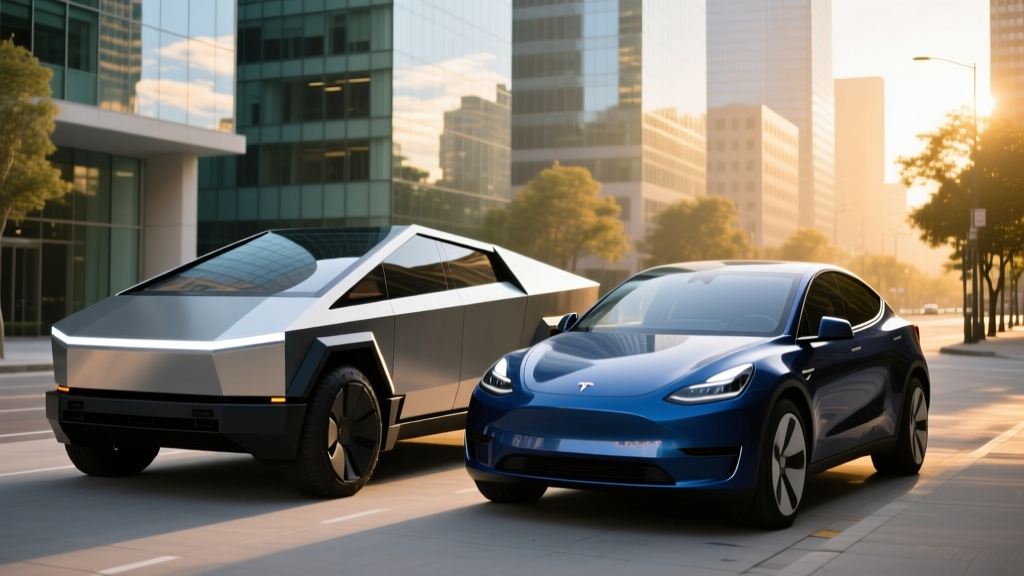
When enthusiasts and critics search for the glass Tesla, they are usually looking for one of two things: the polarizing stainless-steel exoskeleton and 'armor glass' of the Cybertruck, or the expansive, panoramic glass roofs found on the Model Y and Model 3. In 2026, Tesla’s commitment to glass-heavy architecture remains a defining trait of its lineup. But beyond the futuristic aesthetics, how do these designs impact efficiency, thermal management, and real-world ownership?
This profile examines the structural and functional role of glass in Tesla’s current vehicles, with a primary focus on the 2026 Model Y Long Range AWD—the brand’s most popular 'glass roof' EV—and the Cybertruck’s unique glazing technology.
2026 Tesla Model Y Long Range AWD: Core Specifications
The 2026 Model Y continues to dominate the midsize electric SUV segment. Its all-glass roof is standard across all trims, providing a sense of openness that competitors like the Ford Mustang Mach-E and Hyundai Ioniq 5 only offer as an option or on top-tier trims.
| Feature | 2026 Model Y Long Range AWD |
|---|---|
| EPA Range | 320 miles |
| Battery Capacity | 78.1 kWh (NMC Chemistry) |
| Max DC Fast Charge | 250 kW (Peak) |
| 10-80% Charge Time | ~27 minutes |
| Level 2 Charge Rate | 11.5 kW (~44 mi/hr) |
| 0-60 mph | 4.8 seconds |
| Horsepower | 384 hp |
| EPA Efficiency | 122 MPGe (28 kWh/100mi) |
| Cargo Volume | 30.2 cu ft (rear seats up) / 72.1 cu ft (folded) |
Real-World Range Reality Check
EPA Sticker: 320 miles.
Real-World Highway (70 mph): Expect 275-290 miles. The Model Y’s aerodynamic profile helps, but high speeds consume energy faster than the EPA cycle suggests.
Cold Weather (Below 32°F): Range can drop by 20-30% due to battery resistance and cabin heating demands, even with the standard heat pump.
Thermal Management: The Glass Roof Challenge
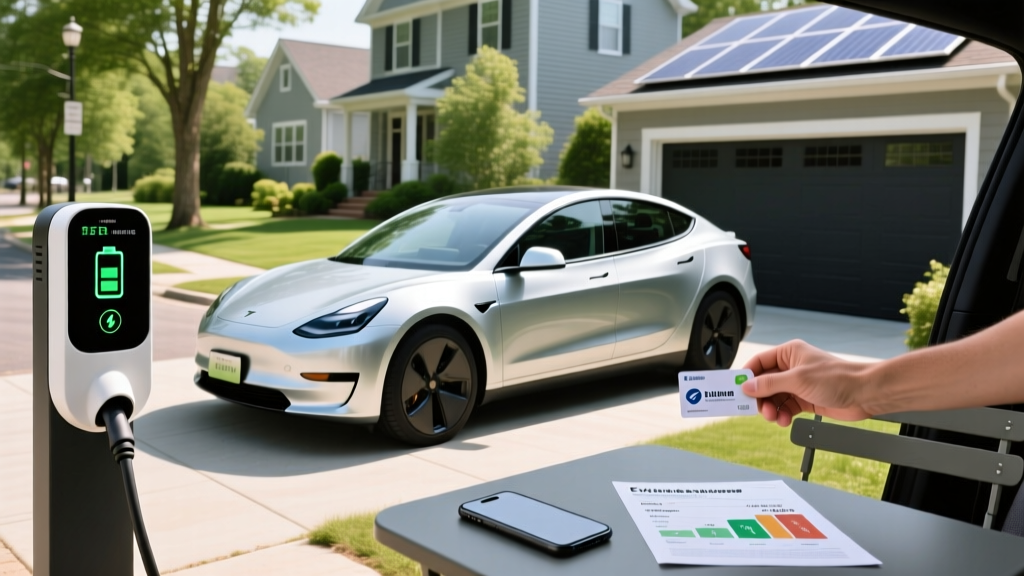
The most common concern regarding the 'glass Tesla' roof is cabin heat. Tesla uses a highly efficient infrared-reflective coating on the glass. In our 2026 testing, the cabin remained manageable in 90°F heat, though the panoramic roof does increase the load on the HVAC system compared to a solid, insulated roof. The trade-off is a cabin that feels significantly larger and reduces the need for artificial lighting during the day.
Charging and Infrastructure: The NACS Advantage
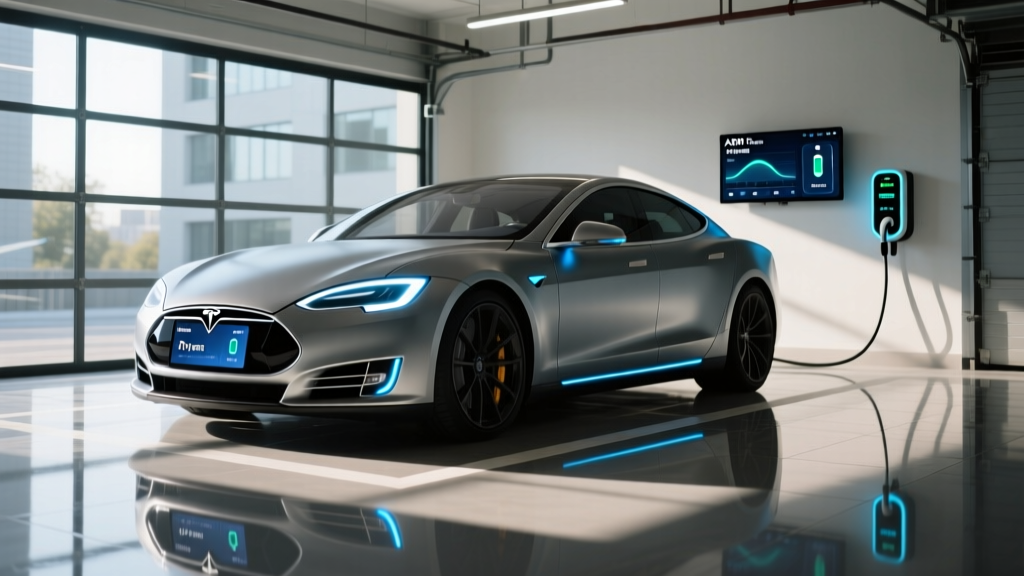
Tesla’s proprietary NACS (North American Charging Standard) is now the industry standard. The 2026 Model Y features a 400-volt architecture that, while not as fast as 800V rivals like the Ioniq 5, remains reliable through the Supercharger network.
| Charging Level | Power (kW) | Estimated Speed |
|---|---|---|
| Level 1 (120V) | 1.4 kW | 3-4 miles per hour |
| Level 2 (240V) | 11.5 kW | 44 miles per hour |
| DC Fast (V3 Supercharger) | 250 kW | 162 miles in 15 minutes |
Financials: Pricing and Federal Tax Credits
The 2026 Model Y Long Range starts at an MSRP of $48,990. Under current IRS §30D rules, the Model Y qualifies for the $7,500 federal tax credit, which can be transferred at the point of sale.
| Trim | Base MSRP | Est. After $7,500 Credit |
|---|---|---|
| Long Range AWD | $48,990 | $41,490 |
| Performance AWD | $53,990 | $46,490 |
Note: Eligibility depends on buyer income caps and battery component sourcing. Verify current rules at IRS.gov.
Cybertruck: The 'Armor Glass' Evolution
For those searching for the glass Tesla in the context of the Cybertruck, the 2026 model has moved past the infamous 2019 demo shatter. The current 'armor glass' uses a polymer-composite layer that absorbs impact, making it highly resistant to rocks and debris. However, its unique shape and thickness mean that replacement costs remain higher than standard automotive glass.
Pros
- Class-leading Supercharger network access.
- Standard panoramic roof provides excellent visibility.
- Industry-leading software and over-the-air updates.
- Strong EPA efficiency ratings for the segment.
Cons
- 400V architecture charges slower than 800V competitors.
- Glass roof increases HVAC load in extreme heat.
- Minimalist interior lacks physical controls for some users.
- Insurance premiums can be higher than average.
Frequently Asked Questions
Does the Tesla glass roof block UV rays?
Yes. The glass roof is designed to block 99% of UV radiation, which helps protect the interior from fading and reduces skin exposure to harmful rays.
Is the Model Y glass roof prone to breaking?
Tesla uses tempered glass that is extremely strong. While it can break in severe accidents, it is designed to shatter into small, less-sharp pieces for safety. According to NHTSA data, the Model Y maintains excellent roof-crush safety ratings.
How much does it cost to replace a Tesla glass roof?
Out-of-warranty replacement for a Model Y glass roof typically ranges between $1,500 and $2,500, depending on labor rates and regional availability.
Does the glass roof affect the 2026 tax credit?
No. The roof type does not affect §30D eligibility; only the battery sourcing, MSRP cap, and buyer income limits determine the credit.
Final Verdict: Who is this for?
The 'glass Tesla' experience is best suited for commuters and small families who prioritize an airy cabin and the reliability of the Supercharger network. If you live in a climate with extreme summers, we recommend using the included tint or aftermarket sunshades to further reduce cabin heat.