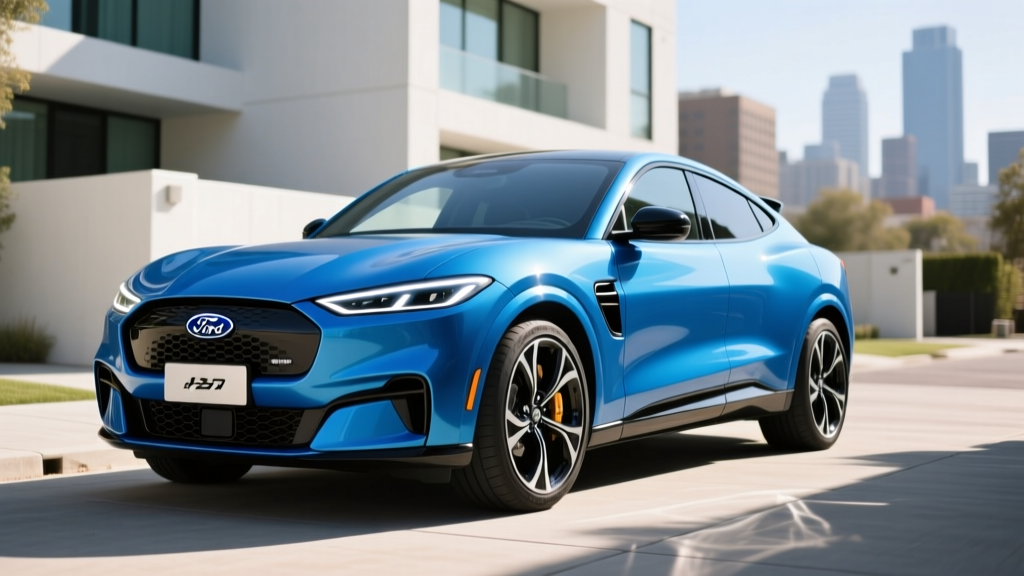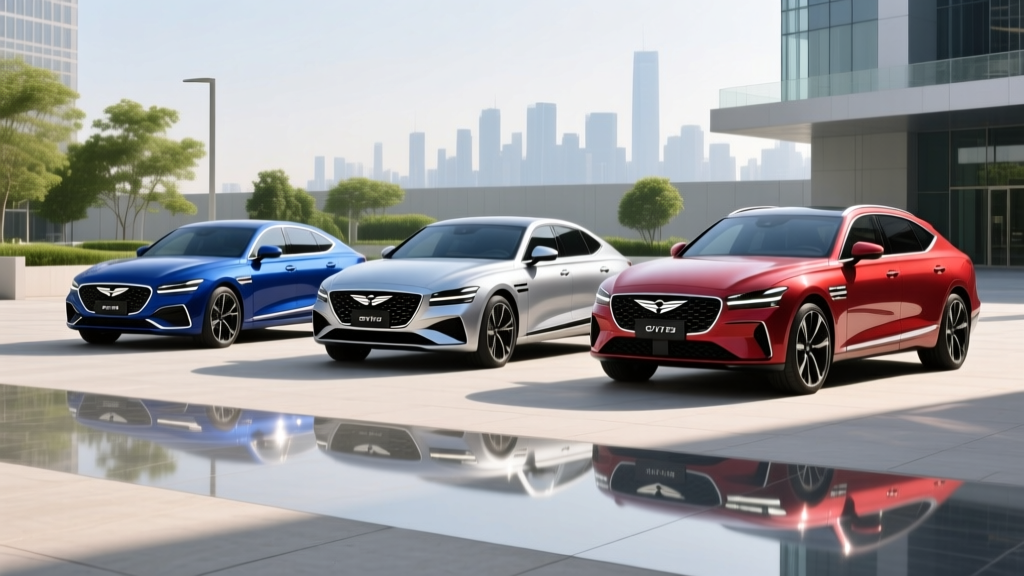
Quick Answer: Genesis currently sells three battery-electric vehicles in the U.S.: the GV60 crossover (EPA range up to 294 miles, starting ~$53,000), the Electrified GV70 midsize SUV (up to 236 miles, ~$67,000), and the Electrified G80 sedan (up to 282 miles, ~$80,000). All three use an 800V architecture capable of 350 kW DC fast charging (10-80% in roughly 18 minutes), come with a 10-year/100,000-mile battery warranty, and offer complimentary scheduled maintenance for 3 years/36,000 miles. None currently qualify for the full $7,500 federal §30D tax credit due to battery-sourcing rules, though point-of-sale lease incentives may apply. Genesis EVs are best suited for buyers who prioritize luxury materials, quiet cabins, and fast charging over maximum range or one-pedal driving refinement.
The 2026 Genesis EV Lineup at a Glance
Genesis has committed to an all-electric lineup by 2030, but as of the 2026 model year, the brand offers three BEVs alongside its hybrid and gas models. All three share the Hyundai Motor Group's Electric-Global Modular Platform (E-GMP), which means 800V electrical architecture, NACS adapter compatibility with Tesla Superchargers, and similar thermal management systems. Here's how they stack up on paper:
| Spec | GV60 (Advanced AWD) | Electrified GV70 | Electrified G80 |
|---|---|---|---|
| EPA Range | 294 mi (Std Range RWD: 264 mi) | 236 mi | 282 mi |
| Battery (usable) | 77.4 kWh (NMC) | 77.4 kWh (NMC) | 87.2 kWh (NMC) |
| Horsepower | 314 hp (AWD) | 429 hp (AWD, Boost) | 365 hp (AWD) |
| 0-60 mph | 5.3 sec | 4.2 sec | 4.9 sec |
| Max DC Charge Rate | 350 kW (peak) | 350 kW (peak) | 350 kW (peak) |
| 10-80% DC Fast Charge | ~18 min | ~18 min | ~22 min |
| Level 2 (240V) Rate | 10.9 kW | 10.9 kW | 10.9 kW |
| MPGe (combined) | 95 MPGe | 85 MPGe | 92 MPGe |
| Base MSRP (2026 est.) | ~$53,050 | ~$67,350 | ~$80,300 |
| Battery Warranty | 10 yr / 100,000 mi | 10 yr / 100,000 mi | 10 yr / 100,000 mi |
Sources: fueleconomy.gov, Genesis USA press materials.
Real-World Range vs. EPA Stickers
EPA vs. Reality: The GV60's 294-mile EPA rating is achievable in mild weather with mixed driving. Expect 240-260 miles on sustained highway trips at 70+ mph, and as low as 200-220 miles in sub-freezing temperatures. The Electrified GV70's 236-mile EPA figure is the weakest in the lineup — highway driving in cold weather can push real-world range below 180 miles. The Electrified G80 sits in between at roughly 230-250 miles real-world highway.
Genesis uses NMC (nickel manganese cobalt) battery chemistry across the lineup, which delivers higher energy density than LFP but is more sensitive to repeated 100% charging and extreme heat. For daily driving, setting the charge limit to 80% will extend long-term battery health — meaning your daily usable range in the GV70 is closer to 188 miles. If your commute exceeds that, the GV60 or G80 offers a more comfortable buffer.
The 800V architecture is where Genesis EVs shine on road trips. At a 350 kW-capable charger (like Electrify America's latest stalls), the GV60 can add roughly 200 miles of range in 15 minutes. However, peak charge rates taper significantly above 80% SoC — a 10-100% session will take closer to 35-40 minutes. Plan your stops around 10-80% windows for the best time efficiency.
Genesis EVs vs. Gas Equivalents: The Cost Equation
Luxury EV buyers often cross-shop Genesis against the BMW X5, Mercedes GLE, Audi e-tron, and even the Tesla Model X. Let's compare the Electrified GV70 against its closest gas sibling, the GV70 3.5T, on total five-year ownership cost:
| 5-Year Cost Factor | Electrified GV70 (AWD) | GV70 3.5T Sport (Gas) |
|---|---|---|
| Purchase Price (MSRP) | $67,350 | $57,050 |
| Estimated Federal Tax Credit | $0 (sourcing rules)* | $0 |
| Fuel / Electricity (75,000 mi) | $3,800 (home L2 @ $0.14/kWh) | $9,750 (premium @ $4.10/gal, 19 MPG) |
| Maintenance (5 yr) | $1,200 (Genesis complimentary 3 yr) | $4,500 |
| Insurance (avg.) | $11,500 | $9,800 |
| Depreciation (est.) | $34,000 | $28,500 |
| Total 5-Year Cost | ~$79,850 | ~$81,100 |
*As of 2026, Genesis EVs do not meet the §30D critical-mineral and battery-component sourcing requirements for the full $7,500 credit. Leasing may unlock a $7,500 lessor credit passed through as a cap-cost reduction — confirm with your dealer. See IRS §30D rules.
The Electrified GV70 breaks even against the gas version around year four, primarily through fuel and maintenance savings. But the higher upfront price and steeper EV depreciation (a market-wide trend for luxury EVs) narrow the gap. The GV60, at a lower entry price, reaches parity faster — particularly against comparably priced gas crossovers like the Audi Q5 or BMW X3.
Home Charging, Installation, and Daily Logistics
Every Genesis EV ships with a J1772/NACS charge port and includes a portable Level 1 (120V) cord. For practical daily use, you'll want a Level 2 home charger. Here's what that actually costs:
| Item | Cost Range | Notes |
|---|---|---|
| Level 2 EVSE (40-48A hardwired) | $400 - $750 | ChargePoint Home Flex, Wallbox Pulsar Plus, or Genesis-branded unit |
| Electrician labor (240V/50-60A circuit) | $800 - $2,500 | Varies by panel proximity and conduit run length |
| Panel upgrade (if needed) | $1,500 - $3,500 | Required if your panel is 100A or maxed out |
| Permit / inspection | $50 - $300 | Varies by municipality |
| Total Typical Install | $1,250 - $3,050 | Without panel upgrade: $1,250-$3,250 |
At 10.9 kW on Level 2, a fully depleted GV60 battery recharges in roughly 7.5 hours — easily overnight. The Electrified G80's larger 87.2 kWh pack takes about 8.5 hours from empty. Most owners will plug in at 30-40% remaining and wake up fully charged.
If you cannot install home charging — apartment dwellers, street parkers — Genesis EVs become significantly less practical. While the 350 kW DC fast-charge capability helps, relying solely on public charging adds $1,500-$3,000 per year in costs (at $0.35-$0.50/kWh for DCFC) and 2-4 hours per week in charging time. The GV70's 236-mile range makes this especially painful.
Should You Buy a Genesis EV? A Practical Framework:
- Choose the GV60 if: You want the best range-to-price ratio in the lineup, have home charging, and prioritize a premium compact crossover experience. It's the strongest value proposition.
- Choose the Electrified GV70 if: You need SUV cargo space, want 429 hp of Boost-mode acceleration, and your daily driving stays under 150 miles. Accept the range trade-off.
- Choose the Electrified G80 if: You're a sedan buyer who wants executive-level luxury with electric powertrain and don't mind the $80K+ entry price. Best highway cruiser of the three.
- Choose a PHEV or gas model instead if: You lack home charging, regularly drive 300+ miles in a day in cold weather, or want to minimize upfront cost and depreciation risk.
Tax Credits, Incentives, and What You'll Actually Pay
The federal §30D tax credit remains a confusing landscape for Genesis buyers. As of 2026, the credit requires that a percentage of battery critical minerals and components be sourced from the U.S. or free-trade-agreement partners. Genesis batteries are primarily manufactured in South Korea, and while Hyundai Motor Group has opened U.S. battery plants, the Genesis-badged models have not yet fully met sourcing thresholds for the $7,500 credit.
| §30D Requirement | Genesis EV Status (2026) |
|---|---|
| MSRP cap ($55K vans/SUVs/trucks, $80K sedans) | GV60 qualifies; GV70 qualifies; G80 exceeds $80K sedan cap |
| Buyer income cap ($150K single / $300K joint) | Buyer-dependent |
| Battery component sourcing (≥60% N. America) | Not yet met for most Genesis models |
| Critical minerals sourcing (≥60% U.S./FTA) | Partially met — varies by model year |
| Point-of-sale transfer option | Available if credit qualifies — reduces out-of-pocket at dealer |
The lease loophole: Under §45W, commercial clean vehicle credits can apply to leased vehicles. Many Genesis dealers offer lease deals where the $7,500 credit is applied as a capitalized-cost reduction, effectively lowering your monthly payment regardless of battery sourcing. If you're open to leasing, this can save $200-$350/month. Always confirm the lease structure with the dealer before signing.
State incentives vary widely. California's CVRP program, Colorado's innovative motor vehicle credit, and various utility rebates can stack on top. Check your state's energy office and your utility provider's EV programs — some offer $500-$1,500 rebates for home charger installation.
Common Misconceptions About Genesis EVs
| Myth | Fact |
|---|---|
| "Genesis EVs can't use Tesla Superchargers." | Genesis EVs use the NACS connector (or ship with a CCS-to-NACS adapter). They can access Tesla Superchargers that support non-Tesla vehicles via the NACS standard. |
| "The battery will need replacing in 5 years." | Genesis covers the battery for 10 years/100,000 miles. NMC batteries in E-GMP vehicles typically retain 85-90% capacity after 100,000 miles based on Hyundai/Kia fleet data. Full replacement costs $15,000-$22,000 if out of warranty. |
| "350 kW charging means 350 kW the whole time." | Peak rate is only sustained briefly at low SoC. Average rate for a 10-80% session is closer to 180-200 kW. The 18-minute claim is accurate for 10-80%, not 0-100%. |
| "Genesis EVs have full self-driving." | Genesis Highway Driving Assist II is an SAE Level 2 system — it handles lane centering and adaptive cruise on mapped highways, but requires hands-on-wheel supervision. It is not autonomous. |
| "I'll save $7,500 with the federal tax credit." | Most 2026 Genesis EVs do not qualify for the full §30D credit when purchasing. Leasing may unlock savings. Verify current eligibility on fueleconomy.gov. |
Ownership Realities: What Genesis Owners Actually Report
Genesis earns high marks for build quality and dealership experience — the brand's complimentary maintenance (3 years/36,000 miles), valet service, and Genesis Connected Services remote features reduce the friction of ownership. EV-specific ownership considerations include:
Tire costs: Genesis EVs are heavy (the Electrified GV70 weighs over 5,000 lbs) and deliver instant torque. Expect to replace tires every 25,000-35,000 miles. Budget $1,200-$1,800 for a set of four EV-rated touring tires.
Insurance premiums: Luxury EVs carry 10-20% higher insurance costs than gas equivalents due to repair complexity and parts pricing. Get quotes from multiple carriers before purchase — some insurers offer EV-specific discounts.
Cold-weather performance: The E-GMP platform includes a battery preconditioning function that warms the pack when you navigate to a DC fast charger, improving charge speed in cold weather. Use it — skipping preconditioning in sub-30°F temps can add 10-15 minutes to a fast-charge session. The heat pump (standard on all three models) helps preserve cabin range in winter, but expect 20-30% range reduction below freezing.
Software and OTA updates: Genesis has improved its over-the-air update cadence, but the infotainment system still lags behind Tesla and Rivian in responsiveness. The 12.3-inch dual displays are sharp, and wireless Apple CarPlay/Android Auto is standard, but some owners report occasional connectivity glitches with the Genesis Connected app.
Frequently Asked Questions
Which Genesis EV has the best range?
The GV60 Advanced AWD leads at 294 miles EPA. The Electrified G80 follows at 282 miles, and the Electrified GV70 trails at 236 miles. For real-world highway driving in moderate temperatures, expect roughly 245, 240, and 195 miles respectively.
Can I charge a Genesis EV at a Tesla Supercharger?
Yes. As of 2026, Genesis models are equipped with NACS charge ports or include adapters that enable access to Tesla's Supercharger network. You'll need to set up a Tesla account and add your vehicle for payment. Charge speeds on V3 Superchargers (250 kW max) will be lower than the GV60's 350 kW peak capability.
How long does the Genesis EV battery last?
Genesis warranties the high-voltage battery for 10 years or 100,000 miles against capacity loss below 70%. Based on E-GMP platform data from Hyundai/Kia, most owners can expect 85-90% capacity retention at 100,000 miles with normal charging habits (avoiding repeated 100% charges and DC fast-charging exclusively).
Is the Electrified GV70 worth the range trade-off?
It depends on your driving pattern. If you drive under 120 miles daily with home charging, the GV70's 429 hp, premium interior, and SUV practicality make it compelling. If you frequently road-trip or live in a cold climate, the 236-mile EPA range becomes a genuine limitation — the GV60 or G80 are better choices.
Do Genesis EVs qualify for any tax credits?
As of 2026, most Genesis EVs do not qualify for the $7,500 §30D federal purchase credit due to battery-sourcing requirements. However, leasing may unlock a commercial credit passed through as a lease incentive. State and utility incentives may also apply. Always verify current eligibility at irs.gov and fueleconomy.gov before purchasing.
What does it cost to charge a Genesis EV at home?
At the U.S. average residential electricity rate of ~$0.16/kWh, fully charging the GV60's 77.4 kWh battery costs about $12.40 — roughly equivalent to 3.5 gallons of premium gas. Over 15,000 miles of annual driving, expect $500-$800 in home electricity costs versus $2,000-$2,800 in premium gasoline for a comparable gas vehicle.