If you've typed "gas Tesla car" into a search bar, you're not alone — but you won't find one in any showroom. Tesla has never produced a gasoline, diesel, or hybrid vehicle. Every model the company has ever sold — Roadster, Model S, Model X, Model 3, Model Y, Cybertruck, and the Semi — is a battery-electric vehicle (BEV) with zero tailpipe emissions and no internal combustion engine.
That said, the intent behind the search is real: many shoppers want Tesla's tech-forward design, over-the-air updates, and Supercharger network access but aren't ready to commit to full electric. This guide covers the closest thing to what you're looking for — the 2026 Tesla Model Y Long Range AWD — along with plug-in hybrid alternatives that let you burn gas when you need to.
2026 Tesla Model Y: The Full Electric Reality
The refreshed Model Y (internally dubbed "Juniper") launched in early 2025 and carries into the 2026 model year with meaningful upgrades to range, cabin quietness, and ride quality. It remains Tesla's best-selling vehicle globally and the entry point for most buyers considering the brand.
| Spec | Value |
|---|---|
| EPA Range | 320 miles |
| Battery (usable) | ~75 kWh, NMC chemistry |
| Drivetrain | Dual-motor AWD |
| Horsepower | 384 hp (combined) |
| 0–60 mph | 4.8 seconds |
| Peak DC Fast Charge | 250 kW (CCS via NACS adapter or native NACS) |
| 10–80% DC Charge Time | ~25 minutes |
| Level 2 Home Charging | 11.5 kW / ~44 miles per hour |
| MPGe (combined) | 122 MPGe |
| Efficiency | 28 kWh / 100 mi |
| Cargo (behind 2nd row) | 30.2 cu ft |
| Cargo (max, seats folded) | 72.1 cu ft |
| Base MSRP | $48,990 |
| Battery Warranty | 8 years / 120,000 miles |
Charging Speed: Home and DC Fast Charging
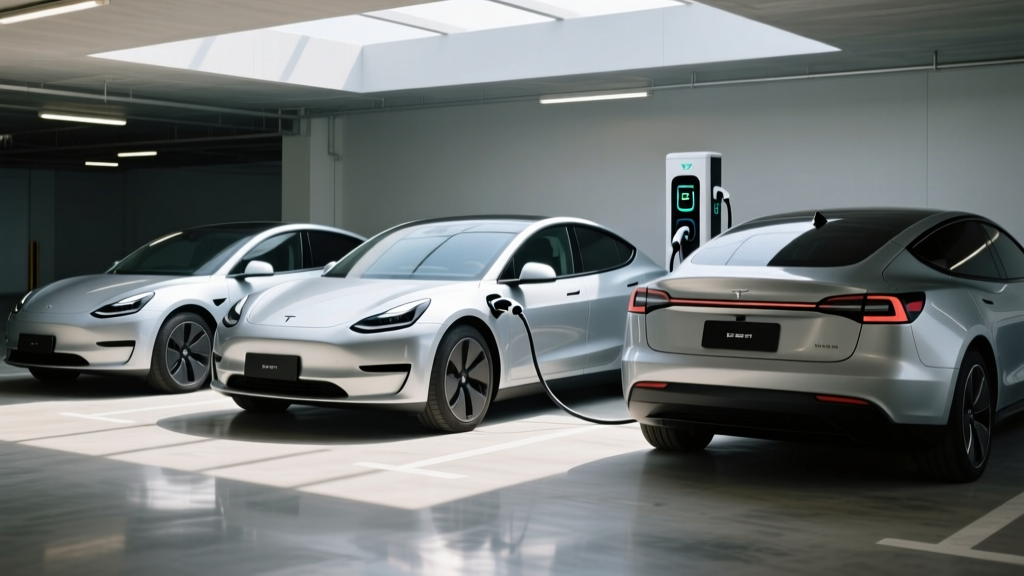
Charging speed is where Tesla ownership still stands apart, thanks to the Supercharger network — now open to other brands via NACS adapters. The 2026 Model Y uses the native NACS connector in North America.
| Charging Level | Power | Speed (approx.) |
|---|---|---|
| Level 1 (120V household) | ~1.4 kW | ~5 miles per hour |
| Level 2 (240V home / public) | Up to 11.5 kW | ~44 miles per hour |
| DC Fast (Supercharger V3) | Peak 250 kW | 10–80% in ~25 min |
| DC Fast (Supercharger V4) | Peak 250+ kW | Similar curve, improved cable handling |
The charging curve matters: the Model Y peaks near 250 kW only between roughly 10–30% state of charge. By 50% SoC, the rate drops to around 120 kW, and above 80%, it slows to under 50 kW to protect the NMC battery. This is normal behavior for lithium-ion packs, but it means charging from 80–100% on a road trip is painfully slow — plan to leave at 80%.
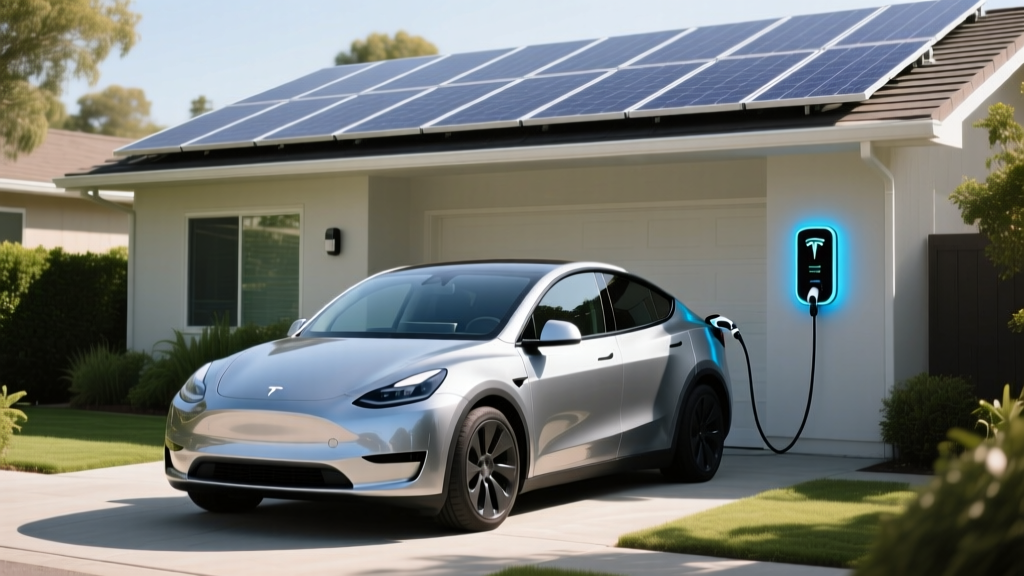
At home, a Tesla Wall Connector on a 60-amp circuit delivers the full 11.5 kW, adding roughly 44 miles of range per hour of charging. A full overnight charge (8 hours) nets about 350 miles — more than enough for any daily commute. Installation typically costs $800–$2,000 depending on panel capacity and run length; consult a licensed electrician for your specific setup.
Pricing, Trims, and Federal Tax Credit Eligibility
| Trim | MSRP | Est. After §30D Credit* |
|---|---|---|
| Long Range AWD | $48,990 | ~$41,490 |
| Performance AWD | $53,990 | ~$46,490 |
*Federal tax credit eligibility under IRS §30D is not guaranteed. It depends on your taxable income, the vehicle's MSRP cap, and battery component/critical-mineral sourcing requirements that shift annually. For 2026, the buyer income caps are $150,000 (single) / $300,000 (joint). The SUV MSRP cap is $80,000. Tesla's battery sourcing has historically met partial credit thresholds — check the latest IRS clean vehicle credit page before purchasing. The credit can now be transferred at point of sale to reduce your purchase price directly.
The Long Range AWD is the volume trim and the one most buyers should target. The Performance variant adds adaptive dampers, a lowered stance, and a 3.5-second 0–60 time, but sacrifices roughly 15 miles of range and costs $5,000 more.
Tech, Interior, and Driver Assistance
The Juniper refresh brought a ventilated front seat, ambient lighting, power-folding second-row seats, a rear touchscreen for passengers, and significantly improved cabin noise isolation. The 15.4-inch center display runs Tesla's latest software with native apps, gaming, and streaming.
On the driver-assist front, Tesla includes Basic Autopilot (lane centering + traffic-aware cruise) standard. Full Self-Driving (Supervised) remains a $8,000 option or $99/month subscription. It's critical to understand: FSD is an SAE Level 2 system, meaning the driver must remain fully engaged, hands on or near the wheel, eyes on the road at all times. It is not autonomous driving. Only Level 4 services like Waymo operate without a human driver, and those are limited to geofenced urban areas.
Notable drawbacks: the Model Y still lacks Apple CarPlay and Android Auto. Tesla's minimalist interior means no physical buttons for climate or mirrors — everything routes through the touchscreen, which frustrates some buyers. Panel gap quality has improved but still draws criticism compared to luxury competitors.
Who Should Buy the Model Y — and Who Shouldn't
- You can charge at home (Level 2 access is the single biggest EV satisfaction predictor)
- Your daily driving is under 100 miles round-trip
- You want access to the Supercharger network for road trips
- You value OTA software updates and a tech-heavy cabin
- You have no home charging access and rely on street parking
- You regularly tow (the Model Y is rated for 3,500 lbs — adequate for light trailers, not boats)
- You need three rows of seating (consider the Model X or a three-row competitor)
- You want a gas backup for long rural stretches — see PHEV alternatives below
Want Gas Backup? Plug-In Hybrid Alternatives
If the "gas Tesla car" search came from a place of range anxiety or needing gas flexibility, plug-in hybrids (PHEVs) give you electric daily driving with a gasoline engine for long trips. These aren't Teslas, but they're the closest practical match for the intent:
- 2026 Toyota RAV4 Prime: 42 miles electric-only, 38 MPG combined on gas, 302 hp, ~$46,000 MSRP. Proven reliability, strong resale.
- 2026 Hyundai Tucson PHEV: 33 miles electric-only, 35 MPG combined, 261 hp, ~$40,000 MSRP. Comfortable ride, strong warranty.
- 2026 Jeep Wrangler 4xe: 22 miles electric-only, 20 MPG combined, 375 hp, ~$52,000 MSRP. Off-road capable, rugged.
PHEVs typically qualify for a partial or full §30D credit depending on battery size and sourcing — verify each model on fueleconomy.gov.
Pros and Cons at a Glance
- 320-mile EPA range covers most road trips comfortably
- Supercharger network remains the most reliable DC fast-charging ecosystem
- Class-leading efficiency at 28 kWh/100 mi
- OTA updates continuously add features
- Strong resale value and low maintenance costs (no oil changes, fewer brake replacements due to regen)
- No Apple CarPlay / Android Auto
- Touchscreen-only controls frustrate some drivers
- FSD (Supervised) is expensive and still Level 2 — not autonomous
- Cold-weather range loss is significant without preconditioning
- Insurance premiums tend to run 15–25% higher than comparable gas SUVs
Frequently Asked Questions
Does Tesla make a gas-powered car?
No. Tesla has only ever manufactured battery-electric vehicles. There is no gasoline, diesel, or hybrid Tesla model. The company's entire powertrain lineup runs on lithium-ion battery packs and electric motors.
What is the real-world range of the 2026 Tesla Model Y?
The EPA rates it at 320 miles. Expect roughly 275–290 miles in real-world highway driving, and 220–255 miles in freezing cold weather. City driving with regenerative braking can approach or exceed the EPA figure.
How fast does the Model Y charge at home and on the road?
At home on a 240V Level 2 charger, it adds about 44 miles of range per hour (11.5 kW). On a Tesla Supercharger, it peaks at 250 kW and charges from 10–80% in approximately 25 minutes, with tapering above 80%.
Does the 2026 Model Y qualify for the $7,500 federal tax credit?
Potentially, but eligibility under IRS §30D depends on your income (caps: $150K single / $300K joint), the vehicle's MSRP (must be under $80,000 for SUVs), and battery sourcing requirements that change annually. Check IRS.gov for current-year rules. The credit can be applied at point of sale.
Is the Model Y worth buying over a plug-in hybrid?
If you have reliable home charging and mostly drive under 250 miles per trip, the Model Y offers lower running costs, less maintenance, and a smoother driving experience. If you frequently drive 400+ miles in rural areas with sparse charging, or lack home charging, a PHEV like the RAV4 Prime gives you gas flexibility with electric daily commuting.
How long does the Tesla Model Y battery last?
Tesla warranties the battery for 8 years or 120,000 miles (whichever comes first), with a minimum 70% capacity retention threshold. Real-world data from high-mileage owners suggests NMC packs typically retain 85–90% capacity at 100,000 miles with normal charging habits (avoiding frequent 100% charges and DC fast charging exclusively).
Sources: EPA fueleconomy.gov, Tesla Model Y specifications, IRS §30D Clean Vehicle Credit.