Quick Answer: What Does "Electric Mustang Malfunction" Mean?
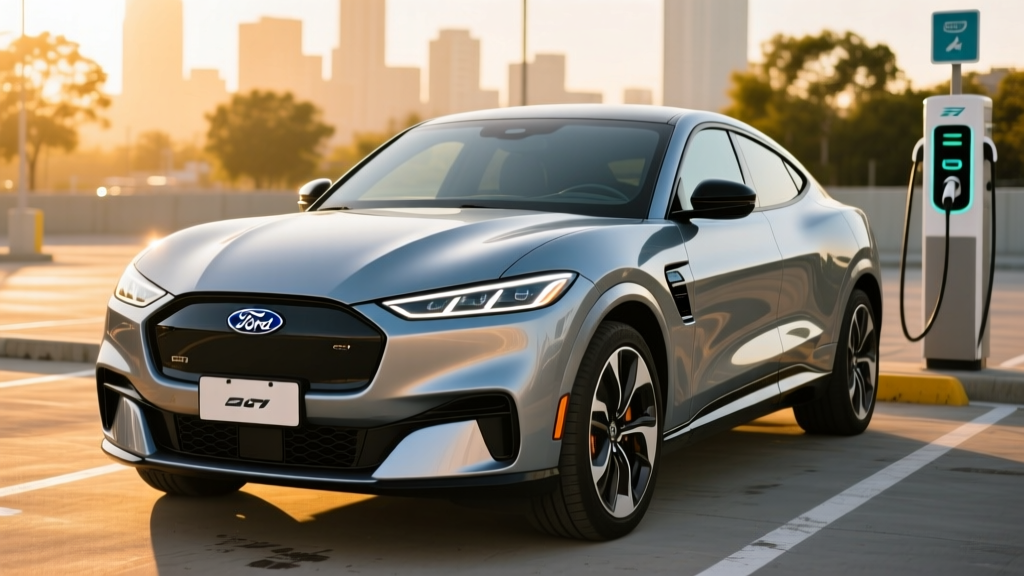
If you own or are considering a Ford Mustang Mach-E and see a "Drivetrain Malfunction," "High Voltage Battery Fault," or "Stop Safely Now" warning, it typically indicates an issue with the high-voltage system, battery contactor, or inverter. The 2022-2023 Mach-E had a widely documented battery contactor recall (NHTSA Recall 22V412) that could cause sudden power loss. Ford issued an over-the-air software fix and extended the high-voltage battery warranty to 8 years/100,000 miles for affected vehicles. If you encounter a malfunction today: pull over safely, power cycle the vehicle, and contact a Ford EV-certified dealer. Do not attempt DIY repairs on high-voltage components.
Mustang Mach-E Reliability: The Real Track Record
The Ford Mustang Mach-E has been one of the most popular non-Tesla electric crossovers since its 2021 launch, with over 200,000 units sold in the U.S. through early 2026. But its reliability record has been mixed, and understanding the specific failure points is essential before buying new or used.
The most serious issue was the high-voltage battery contactor failure on 2021-2022 extended-range models equipped with the 91 kWh (usable) NMC battery pack. Under repeated DC fast charging at high state-of-charge, the main battery contactor could overheat and weld shut or open unexpectedly, causing the vehicle to lose propulsion with minimal warning. Ford's recall addressed this with updated contactor monitoring software delivered OTA, plus hardware replacement on affected units.
Other reported issues across model years include:
- 12V auxiliary battery drain — particularly on 2021-2022 models where the 12V battery would die if the vehicle sat unused for 2+ weeks, bricking the vehicle even with a full HV battery.
- Software glitches in SYNC 4A — infotainment freezes, phantom app crashes, and intermittent phone-as-a-key failures.
- Climate control heat pump inefficiency — early models lacked a heat pump, resulting in 25-35% range loss in sub-freezing temperatures. The 2025+ refresh added a standard heat pump.
- Panel gap and build quality inconsistencies — common across the Cuautitlán, Mexico assembly plant, though generally cosmetic rather than functional.
Key Recalls and Technical Service Bulletins (TSBs)
Before purchasing any used Mach-E, run the VIN through the NHTSA recall database. Here are the major campaigns:
| Recall / TSB | Model Years | Issue | Fix |
|---|---|---|---|
| NHTSA 22V412 | 2021-2022 | Battery contactor overheat during DCFC | OTA software update + contactor replacement |
| NHTSA 22V845 | 2021-2022 | Windshield defrost may fail | BCM software reflash |
| TSB 23-2117 | 2021-2023 | 12V battery premature discharge | Updated battery management module firmware |
| NHTSA 24V089 | 2023-2024 | Backup camera display blank on startup | APIM module reprogramming |
The 2025-2026 Mach-E models have benefited from these fixes at the factory level and show markedly fewer early-life complaints on owner forums and NHTSA databases.
EV vs Gas Mustang: Cost of Ownership Comparison
The Mach-E carries the Mustang nameplate but shares nothing mechanically with the gas Mustang coupe. Here's how the 2026 Mach-E Premium AWD compares to a 2026 Mustang EcoBoost Premium over a 5-year, 75,000-mile ownership period:
| Cost Category | 2026 Mach-E Premium AWD | 2026 Mustang EcoBoost Premium |
|---|---|---|
| MSRP (before incentives) | $48,995 | $38,515 |
| Federal §30D Tax Credit | Up to $7,500 (if eligible) | $0 |
| Effective Purchase Price | ~$41,495 | $38,515 |
| Fuel/Energy (5 yr, 75k mi) | ~$4,125 (home L2, $0.14/kWh avg) | ~$9,375 (26 MPG, $3.25/gal) |
| Maintenance (5 yr) | ~$1,200 (cabin filter, tires, wipers) | ~$3,800 (oil, brakes, filters) |
| Insurance (5 yr avg) | ~$11,500 | ~$9,200 |
| 5-Year Total Cost | ~$58,320 | ~$60,890 |
The Mach-E saves roughly $2,500-$3,000 over five years in this scenario, primarily through fuel and maintenance savings. However, insurance runs 15-25% higher on the EV due to higher repair costs for collision damage involving battery-adjacent structures. Your mileage — and local electricity rates — will vary.
Tax credit caveat: The §30D credit is not guaranteed. The 2026 Mach-E must meet battery sourcing and critical mineral requirements, the buyer must fall under income caps ($150K single / $300K joint), and the vehicle MSRP must not exceed $80,000 for SUVs. Always verify current eligibility at IRS.gov before counting on the credit in your budget.
2026 Mustang Mach-E Specs: Range, Battery, and Charging
For context on what you're buying (or troubleshooting), here are the current-generation specs:
| Specification | Select RWD (72 kWh) | Premium AWD ER (91 kWh) | GT (91 kWh) |
|---|---|---|---|
| EPA Range | 250 mi | 320 mi | 280 mi |
| Real-World Range (highway, 70°F) | ~210-225 mi | ~270-290 mi | ~240-260 mi |
| Real-World Range (30°F, highway) | ~165-185 mi | ~215-235 mi | ~190-210 mi |
| Battery Chemistry | NMC | NMC | NMC |
| Usable Capacity | 70 kWh | 91 kWh | 91 kWh |
| Peak DCFC Rate | 150 kW | 150 kW | 150 kW |
| 10-80% DCFC Time | ~38 min | ~45 min | ~45 min |
| Level 2 (240V/48A) | 11.5 kW (~25 mi/hr) | 11.5 kW (~25 mi/hr) | 11.5 kW (~25 mi/hr) |
| 0-60 mph | 6.1 sec | 4.8 sec | 3.5 sec |
| Horsepower | 266 hp | 346 hp | 480 hp |
| Efficiency (MPGe) | 101 MPGe | 95 MPGe | 84 MPGe |
Real-World Range Note: EPA range figures assume a mix of city and highway driving at moderate temperatures. On a pure 75-mph highway run at 85°F, expect to use about 85-90% of the EPA sticker. In freezing weather (below 32°F), that drops to 65-75% of EPA, even with the heat pump on 2025+ models. Plan road trips around the lower number to avoid surprises.
What to Do When Your Mach-E Shows a Malfunction Warning
Here's a practical, step-by-step framework based on warning type:
Step-by-Step Malfunction Response
- "Drivetrain Malfunction — Reduced Power": The vehicle limits speed and acceleration. You can typically drive to a safe location or home. Avoid DC fast charging until diagnosed. Schedule a dealer visit within a week.
- "Stop Safely Now" / "Powertrain Fault": Pull over immediately. The vehicle may lose propulsion within 30-60 seconds. Activate hazard lights. Once stopped, attempt a full power-off (hold the start button for 10+ seconds), wait 2 minutes, then restart. If the warning persists, call Ford Roadside Assistance (1-866-436-7332).
- "High Voltage Battery Fault": Do NOT continue driving. This could indicate a cell imbalance, coolant leak into the pack, or contactor issue. Requires tow to a Ford EV-certified service center. Covered under the 8-year/100,000-mile HV battery warranty if it's a component failure.
- "Charging System Fault": Usually related to the onboard charger or charge port, not the HV battery itself. Try a different charging station or cable. If the issue persists across multiple chargers, the onboard charger module (OBCM) may need replacement — covered under the 5-year/60,000-mile powertrain warranty.
- 12V Battery Dead (vehicle won't start): Jump-start the 12V battery using the terminals under the hood (never jump the HV system). Once running, drive for 30+ minutes to let the DC-DC converter recharge the 12V. If it recurs, the 12V battery likely needs replacement ($200-$350 at a dealer or auto parts store).
Common EV Malfunction Myths vs. Facts
| Myth | Fact |
|---|---|
| "A battery malfunction means a $20,000 replacement" | Most HV faults involve contactors, sensors, or individual modules — not the entire pack. Ford's 8-yr/100k-mi warranty covers these. Full pack replacements are rare and typically covered under warranty. |
| "EVs break down more than gas cars" | EVs have far fewer moving parts (no transmission, no oil system, no exhaust). Mach-E drivetrain complaints are primarily software-related and often fixable OTA. Gas Mustangs have their own well-documented issues (EcoBoost coolant intrusion, clutch wear). |
| "Over-the-air fixes are just bandaids" | The contactor OTA update added real-time thermal monitoring that the original software lacked — a substantive engineering fix, not a cosmetic patch. |
| "Dealers can't fix EVs" | Ford has invested heavily in EV-certified dealer training. However, not all Ford dealers are EV-certified — always confirm your local dealer has HV-trained technicians before purchasing. |
| "Fast charging destroys the battery" | The Mach-E's battery management system (BMS) actively manages charge rates and temperatures. The contactor issue was specific to a hardware generation, not inherent to DCFC. Moderate your DCFC use (avoid daily 100% charges) and you'll see minimal accelerated degradation. |
Prevention: How to Minimize Malfunction Risk
Based on owner community data and Ford's own service guidance, these practices reduce your likelihood of encountering a Mach-E malfunction:
- Keep software current: Accept all OTA updates promptly. Ford has pushed multiple BMS and contactor-monitoring improvements over the air since 2023.
- Avoid repeated back-to-back DC fast charges above 90% SoC: This was the primary trigger for the contactor recall. For daily driving, set your charge limit to 80-90%.
- Drive the vehicle at least once every 10-14 days: The 12V battery drains from parasitic loads (telematics, phone-as-a-key). Extended sitting is the #1 cause of "dead EV" complaints.
- Use preconditioning: Before DC fast charging, use the Mach-E's built-in navigation to route to the charger — this triggers battery preconditioning, warming the pack to optimal temperature and reducing thermal stress on cells and contactors.
- Monitor tire wear aggressively: The Mach-E's instant torque and heavy weight (~4,800 lbs for the GT) eat through tires faster than a gas Mustang. Uneven wear can trigger ABS/traction warnings that mimic drivetrain faults. Rotate every 5,000-7,500 miles.
Decision Framework: Should You Buy a Mach-E in 2026?
Choose the Mach-E if:
- You want a sporty electric crossover with strong performance (the GT's 3.5-second 0-60 is genuine supercar territory)
- You have reliable Level 2 home charging access (a 48A/11.5 kW home charger adds ~25 miles per hour of charging and costs $800-$1,500 installed)
- You value Ford's dealer network for service access in rural or mid-market areas
- You're buying a 2025+ model with the contactor fix baked in from the factory
Look elsewhere if:
- You're considering a 2021-2022 used Mach-E and cannot verify the recall repair was completed
- You lack any home charging and rely solely on public DCFC (the 150 kW peak charge rate is below the Hyundai Ioniq 5's 240 kW or Tesla Model Y's 250 kW)
- You regularly drive in sub-zero temperatures and need maximum range retention (the Mach-E's cold-weather range drop, while improved with the heat pump, still trails the Hyundai/Kia E-GMP platform)
- You want LFP battery chemistry for longer cycle life and 100% daily charging tolerance — Ford does not currently offer LFP in the Mach-E
Frequently Asked Questions
Is the Ford Mustang Mach-E being discontinued?
No. The Mach-E received a significant refresh for the 2025 model year (updated styling, heat pump, revised interior) and continues into the 2026 model year. Ford has confirmed continued production, though volumes may shift based on market demand and the pending next-gen EV platform.
How much does a Mach-E battery replacement cost out of warranty?
A full HV battery pack replacement runs $18,000-$25,000 depending on the pack size (72 vs. 91 kWh). However, individual module replacements are $2,000-$5,000, and most failures involve contactors or BMS components at $500-$2,000. The 8-year/100,000-mile warranty (10 years/150,000 miles in CARB states) covers capacity loss below 70% of original, so most owners will never face this cost.
Can I charge a Mach-E at a Tesla Supercharger?
Yes. Ford gained access to the Tesla Supercharger network in early 2024 via a provided NACS adapter for CCS-equipped Mach-Es. The 2025+ Mach-E ships with a native NACS charge port. On Tesla V3 Superchargers (250 kW), the Mach-E is limited to its own 150 kW peak, so you won't see the full 250 kW — but the network's reliability and coverage are a major advantage over Electrify America or other CCS networks.
Does the Mach-E qualify for the $7,500 federal tax credit in 2026?
Eligibility depends on battery sourcing requirements that shift annually. As of 2026, the Mach-E's battery must meet critical mineral and component sourcing thresholds under §30D. Ford has worked to re-source components, but eligibility can change mid-year. Check the latest list at fueleconomy.gov and confirm with your tax professional. Point-of-sale transfer is available if you qualify, reducing your dealer invoice directly.
What's the Mach-E's real maintenance cost vs. a gas Mustang?
Over 5 years/75,000 miles, expect roughly $1,200 in scheduled maintenance on the Mach-E (cabin air filter every 20k miles, brake fluid check, coolant top-off, tire rotations). The gas Mustang EcoBoost runs $3,500-$4,200 over the same period (oil changes every 7,500 miles, brake pads at 40-50k miles, air filter, spark plugs at 100k). The EV's regen braking significantly extends pad life — many Mach-E owners report original brake pads at 80,000+ miles.