Quick Verdict: Is the Mach-E's Size Right for You?
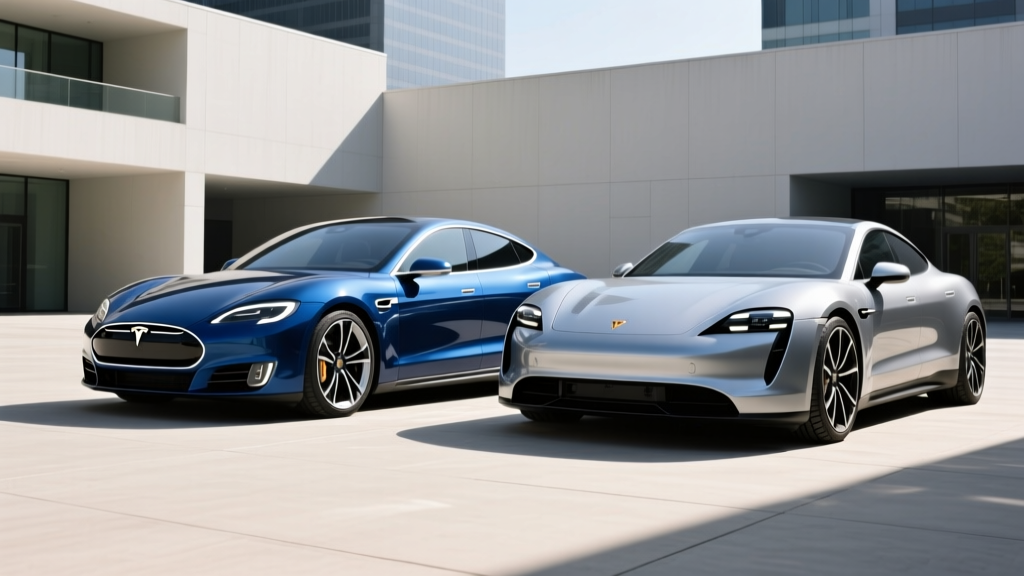
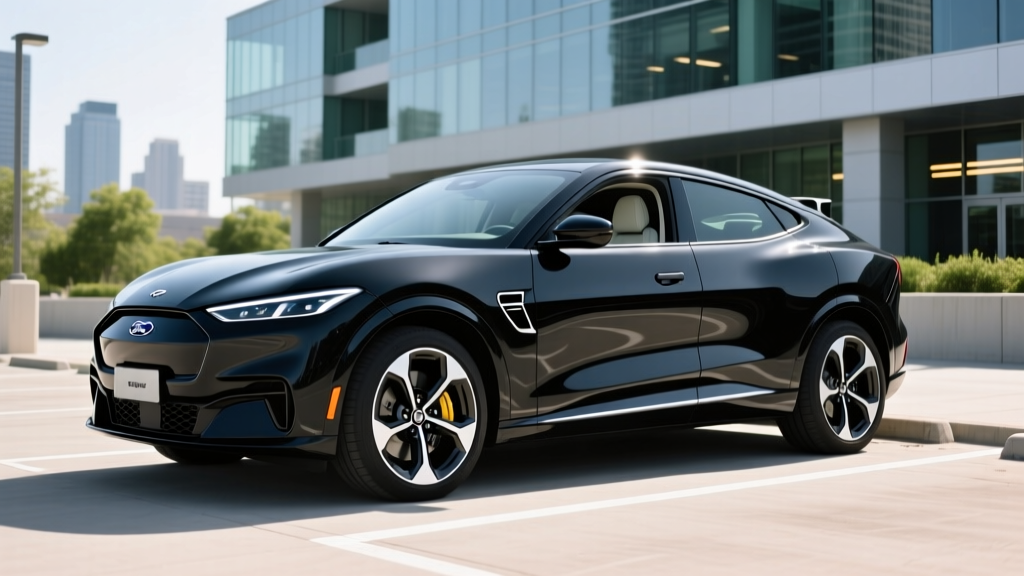
The Ford Mustang Mach-E occupies a precise niche in the midsize electric crossover segment — large enough to serve as a family daily driver, compact enough to navigate urban parking structures without the bulk of a three-row SUV. For buyers searching for Mach-E length and exterior dimensions, the crossover measures 185.6 inches long, rides on a 117.5-inch wheelbase, stands 63.9 inches tall, and spans 74.1 inches wide (excluding mirrors). Those dimensions place it directly between the Tesla Model Y (187.0 in.) and the Hyundai Ioniq 5 (182.7 in.) in overall footprint.
For the 2026 model year, Ford continues the Mach-E with the extended-range battery and refined software, maintaining its position as one of the more balanced EVs in the segment. Here is everything you need to know about how its physical size translates into real-world usability, range, charging, and ownership cost.
Full Dimensions: Mach-E Length, Width, and Interior Space
Exterior dimensions dictate more than garage fit — they influence wheelbase (and therefore ride quality and interior volume), curb weight (and therefore efficiency), and cargo capacity. Here is the complete dimensional breakdown for the current Mach-E:
| Measurement | Specification |
|---|---|
| Overall Length | 185.6 inches |
| Wheelbase | 117.5 inches |
| Overall Width (excl. mirrors) | 74.1 inches |
| Overall Height | 63.9 inches |
| Ground Clearance | 5.7 inches |
| Front Legroom | 43.3 inches |
| Rear Legroom | 38.1 inches |
| Front Headroom | 40.4 inches |
| Rear Headroom | 38.9 inches |
| Cargo Volume (behind rear seats) | 29.7 cu ft |
| Cargo Volume (rear seats folded) | 59.7 cu ft |
| Front Trunk (Frunk) | 4.7 cu ft (drainable) |
| Curb Weight (Select RWD) | ~4,383 lbs |
| Curb Weight (GT AWD) | ~4,920 lbs |
The 185.6-inch Mach-E length puts it squarely in midsize crossover territory. The 117.5-inch wheelbase — which represents about 63% of overall length — is generous for the class and directly contributes to the flat rear floor and 38.1 inches of rear legroom. Taller passengers (6'2" and above) will find adequate but not expansive rear space; the Ioniq 5's boxier packaging extracts slightly more rear headroom from a shorter overall length.
The 29.7 cu ft cargo area behind the rear seats is competitive with the segment, though the Tesla Model Y offers approximately 30.2 cu ft in the same configuration. Fold the rear seats and the Mach-E opens up to 59.7 cu ft — enough for a weekend's worth of gear for a family of four, or a full-size bicycle with the front wheel removed. The drainable 4.7 cu ft frunk is a practical differentiator: it stores charging cables cleanly and doubles as a cooler for tailgating.
Range, Battery, and Efficiency
The Mach-E offers two battery configurations for 2026:
| Battery Pack | Usable Capacity | Chemistry | Drivetrain | EPA Range | MPGe (Combined) |
|---|---|---|---|---|---|
| Standard Range | 72 kWh | NMC (Nickel Manganese Cobalt) | RWD | 250 mi | 101 MPGe |
| Standard Range | 72 kWh | NMC | AWD (eAWD) | 230 mi | 93 MPGe |
| Extended Range | 91 kWh | NMC | RWD | 320 mi | 103 MPGe |
| Extended Range | 91 kWh | NMC | AWD (eAWD) | 290–305 mi | 95–98 MPGe |
| GT Extended Range | 91 kWh | NMC | AWD (Dual Motor) | 280 mi | 86 MPGe |
Ford uses NMC (nickel manganese cobalt) lithium-ion chemistry across the Mach-E lineup. NMC offers higher energy density than LFP (lithium iron phosphate), which is why Ford can pack 91 kWh of usable capacity into the extended-range floor without excessive weight. The trade-off is that NMC cells prefer daily charging to 80% rather than 100% for long-term longevity — Ford's software includes a configurable charge-limit setting to manage this automatically.
Efficiency figures from fueleconomy.gov show the Extended Range RWD achieving 103 MPGe combined (approximately 33 kWh/100 mi). In real-world highway testing at sustained 70–75 mph speeds, expect efficiency to drop to roughly 36–39 kWh/100 mi, which translates to the 260–285 mile real-world range noted above. Cold weather compounds this: lithium-ion cells have higher internal resistance at low temperatures, and cabin heating draws significant power without a dedicated heat pump (the Mach-E uses a resistive PTC heater, which is less efficient than the heat pumps found in Hyundai/Kia EVs).
Charging Speed: DC Fast Charge and Home Level 2
| Charging Level | Power / Rate | Speed (Miles Added) | Time / Notes |
|---|---|---|---|
| Level 1 (120V household) | ~1.4 kW | ~3–4 mi/hr | Full charge: 60+ hours |
| Level 2 (240V, 32A Ford Mobile Charger) | ~7.7 kW | ~21 mi/hr | Full charge: ~13 hours (ER) |
| Level 2 (240V, 48A Ford Connected Charge Station) | ~11.5 kW | ~31 mi/hr | Full charge: ~9 hours (ER) |
| DC Fast Charge (peak) | 150 kW (peak) | ~59 mi in 10 min | 10–80%: ~40 minutes |
The Mach-E's DC fast-charging capability peaks at 150 kW on the extended-range battery. In practice, the charging curve is relatively flat between 10% and roughly 50% state of charge (SoC), sustaining around 130–150 kW, before tapering progressively above 70%. A 10–80% session takes approximately 40 minutes at a capable 150+ kW station. This is notably slower than the Hyundai Ioniq 5's 800V architecture, which can achieve 10–80% in roughly 18 minutes at a 350 kW charger.
For home charging, the Ford Connected Charge Station (48A, hardwired, requires a 60A circuit) delivers approximately 11.5 kW, adding roughly 31 miles of range per hour. An overnight charge easily replenishes a full day's driving. The included Ford Mobile Power Cord at 32A on a 240V NEMA 14-50 outlet provides about 7.7 kW — adequate for most daily commutes but slower for full depleted-to-full charges on the 91 kWh pack.
Charging connector note: The 2026 Mach-E ships with the NACS (North American Charging Standard) port, giving native access to Tesla Supercharger V3 and V4 stations without an adapter. This is a significant practical advantage over the previous CCS-equipped models, as the Supercharger network remains the most reliable public DC fast-charging infrastructure in the U.S.
Performance: 0-60, Horsepower, and Drivetrain
| Trim | Drivetrain | Horsepower | Torque (lb-ft) | 0-60 mph |
|---|---|---|---|---|
| Select / Premium (Standard Range RWD) | RWD (single motor) | 266 hp | 317 | 6.3 sec |
| Premium (Extended Range RWD) | RWD (single motor) | 290 hp | 317 | 5.8 sec |
| Premium (Extended Range AWD) | eAWD (dual motor) | 346 hp | 428 | 5.1 sec |
| GT (Extended Range AWD) | eAWD (dual motor) | 480 hp | 634 | 3.5 sec |
The base RWD Mach-E's 6.3-second 0-60 time is respectable for daily driving, but the eAWD dual-motor setup transforms the character of the car. The GT trim's 3.5-second 0-60 puts it in genuine sports-car territory, and the instant torque delivery makes it feel even quicker in real-world passing situations. The low center of gravity from the floor-mounted battery pack keeps body roll well-controlled despite the 4,900+ lb curb weight of AWD models.
Regenerative braking offers two modes: a traditional coasting feel and a stronger "one-pedal driving" mode that can bring the car to a complete stop without touching the brake pedal. Ford's implementation is smooth and predictable, though it lacks the adjustable regen paddles found in Hyundai/Kia products.
Pricing, Trims, and Federal Tax Credit
| Trim | Base MSRP | Est. As-Tested | §30D Credit Eligibility | Effective Price (if eligible) |
|---|---|---|---|---|
| Select RWD (Std Range) | $39,995 | $41,500 | Eligible (up to $7,500) | ~$32,495 |
| Premium RWD (Ext Range) | $46,995 | $49,500 | Eligible (up to $7,500) | ~$39,495 |
| Premium AWD (Ext Range) | $49,995 | $52,500 | Eligible (up to $7,500) | ~$42,495 |
| GT AWD (Ext Range) | $59,995 | $63,000 | Eligible (up to $7,500) | ~$52,495 |
- MSRP Cap: SUVs/crossovers must have MSRP ≤ $80,000 — all Mach-E trims qualify.
- Buyer Income Cap: Modified AGI ≤ $150,000 (single), $225,000 (head of household), $300,000 (joint).
- Battery Sourcing: Full $7,500 requires meeting both critical-minerals AND battery-component requirements per IRS guidelines. Partial credit ($3,750) if only one requirement is met. Verify current-year sourcing compliance on irs.gov.
- Point-of-Sale Transfer: Eligible buyers can transfer the credit to the dealer at purchase, reducing the purchase price directly rather than waiting for a tax refund.
- Consult a tax professional to confirm individual eligibility before purchase.
The Mach-E's pricing is competitive within the segment, particularly after the federal credit. The Select trim under $40,000 before incentives makes it one of the more accessible midsize electric crossovers, though the Standard Range battery's 250-mile EPA range may push buyers toward the Extended Range Premium for road-trip flexibility.
Tech, Safety, and Driver Assistance
The Mach-E's centerpiece is its 15.5-inch vertical touchscreen running Ford's SYNC 4A system with wireless Apple CarPlay and Android Auto. The interface is responsive, and Ford has restored physical volume and climate controls in recent model years — addressing one of the original Mach-E's most common complaints.
The Ford Co-Pilot360 Assist 2.0 suite includes:
- Adaptive cruise control with stop-and-go
- Lane centering assist
- Evasive steering assist
- Blind-spot monitoring with cross-traffic alert
- Automatic emergency braking with pedestrian detection
BlueCruise (available on Premium and GT trims, included for a trial period then subscription-based) enables hands-free driving on over 130,000 miles of pre-mapped divided highways in the U.S. and Canada. In testing, the system handles gentle curves and traffic flow competently, but it disengages in construction zones and requires the driver to resume steering. It is a legitimate highway fatigue reducer, not a replacement for an engaged driver.
Safety ratings from NHTSA give the Mach-E a 5-star overall rating, and the IIHS has awarded it TOP SAFETY PICK status in recent evaluations.
Warranty and Long-Term Ownership
| Coverage | Term |
|---|---|
| Basic (bumper-to-bumper) | 3 years / 36,000 miles |
| Powertrain | 5 years / 60,000 miles |
| Battery & Electric Components | 8 years / 100,000 miles |
| Battery Capacity Retention Guarantee | ≥70% capacity over 8 yr / 100,000 mi |
| Corrosion Perforation | 5 years / unlimited miles |
| Roadside Assistance | 5 years / 60,000 miles |
The 8-year/100,000-mile battery warranty with a 70% capacity retention threshold is industry-standard and aligns with federal requirements for EV battery coverage. Real-world degradation data from early Mach-E owners (2021–2023 models) suggests NMC packs are holding up well, with most reporting 92–96% state of health after 40,000–60,000 miles. Ford's liquid-cooled thermal management system is a key contributor to longevity, keeping cells within an optimal temperature window during charging and heavy use.
A full battery replacement outside of warranty currently costs approximately $18,000–$24,000 depending on pack size and labor — a figure worth noting for buyers planning 10+ year ownership, though most owners will never need one based on current degradation trajectories.
Pros, Cons, and Who Should Buy
- NACS port provides native Tesla Supercharger access
- Competitive 320-mi EPA range (Extended Range RWD)
- Strong GT performance (3.5 sec 0-60)
- Drainable frunk adds practical utility
- 5-star NHTSA safety rating
- All trims under $80K MSRP cap for §30D credit
- BlueCruise hands-free highway capability
- 150 kW peak DC charging is slower than 800V rivals (Ioniq 5, EV6)
- No heat pump — cold-weather range loss is above average
- Rear legroom (38.1 in.) trails some competitors
- Resistive cabin heating reduces winter efficiency
- BlueCruise requires ongoing subscription after trial
- No LFP battery option for buyers preferring 100% daily charging
- Commuters & daily drivers who value a car-like driving feel over SUV boxiness and want Supercharger network access without adapters.
- Small families needing ~30 cu ft of cargo space, strong safety ratings, and 250–320 miles of range for school runs, errands, and weekend trips.
- Performance-oriented EV buyers (GT trim) who want sub-4-second acceleration without the price of a Tesla Model X or Porsche Macan EV.
- You frequently road-trip in cold climates — the Ioniq 5's heat pump and faster charging are better suited.
- You need maximum rear-seat space — the Model Y and Kia EV9 offer more room.
- You prefer LFP chemistry for worry-free daily 100% charging — look at the Tesla Model Y (Standard Range) or base Ioniq 5.
Frequently Asked Questions
What is the real-world range of the Mustang Mach-E?
The EPA rates the Extended Range RWD at 320 miles. In real-world mixed highway driving at 70–75 mph, expect 260–285 miles. In winter conditions below freezing, range can drop to 220–245 miles without preconditioning. AWD trims lose 15–25 miles from their respective EPA ratings in typical use.
How fast does the Mach-E charge?
On a DC fast charger, the Mach-E peaks at 150 kW and charges from 10–80% in approximately 40 minutes. At home on a 48A Level 2 Ford Connected Charge Station, it adds about 31 miles of range per hour (full charge in ~9 hours for the extended-range battery). On a standard 240V/32A outlet, expect ~21 miles per hour.
How much does the Mach-E cost after tax credits?
The base Select RWD starts at $39,995 MSRP. If you qualify for the full $7,500 federal §30D credit (meeting income caps, MSRP limits, and battery-sourcing requirements), the effective price drops to approximately $32,495. The GT AWD at $59,995 MSRP falls to ~$52,495 after the credit. Always verify eligibility with a tax professional and check current battery-sourcing compliance on irs.gov.
Is the Mach-E worth buying vs. the Tesla Model Y or Ioniq 5?
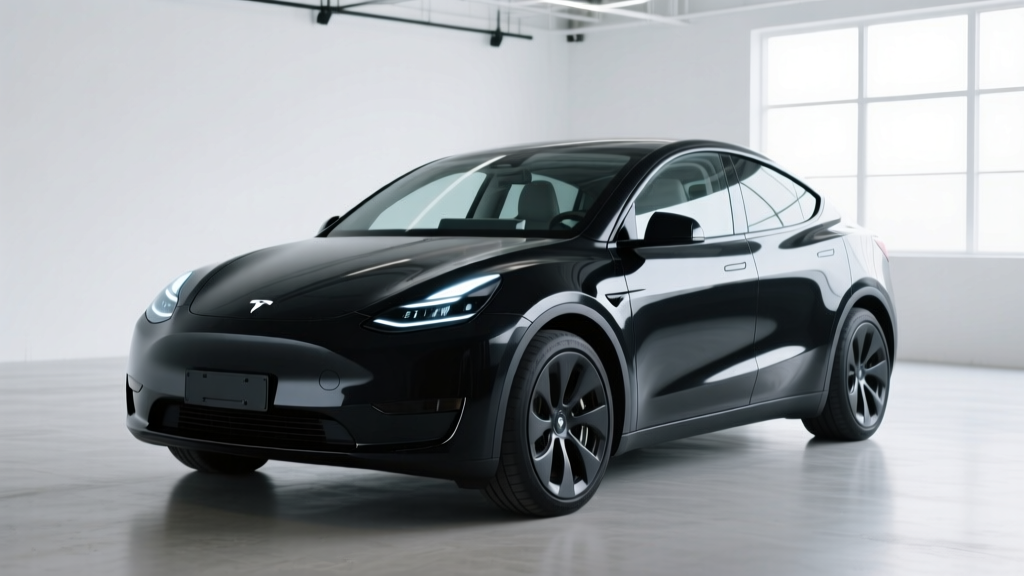
The Mach-E is competitive on range (320 mi vs. Model Y Long Range's ~310 mi), offers a more traditional driving feel and interior layout than the Model Y, and now has native NACS/Supercharger access. However, the Ioniq 5 charges significantly faster (~18 min 10–80% vs. ~40 min) and includes a heat pump for better cold-weather efficiency. Choose the Mach-E if you prioritize driving dynamics, Ford dealer service access, and BlueCruise; choose the Ioniq 5 for charging speed and cold-climate efficiency.
Does the Mustang Mach-E qualify for the federal EV tax credit?
Yes — all 2026 Mach-E trims fall under the $80,000 MSRP cap for SUVs/crossovers. Buyer eligibility depends on modified adjusted gross income (≤$150K single / ≤$300K joint) and the vehicle meeting IRS battery-sourcing requirements for critical minerals and components. The credit can be transferred to the dealer at point of sale. Confirm current-year sourcing compliance and your personal eligibility at irs.gov and with a qualified tax advisor.
What is the exact length of the Mustang Mach-E?
The 2026 Ford Mustang Mach-E measures 185.6 inches in overall length, with a 117.5-inch wheelbase. This makes it roughly 1.4 inches shorter than the Tesla Model Y (187.0 in.) and about 2.9 inches longer than the Hyundai Ioniq 5 (182.7 in.). It fits comfortably in standard residential garages (which typically accommodate vehicles up to ~200 inches).