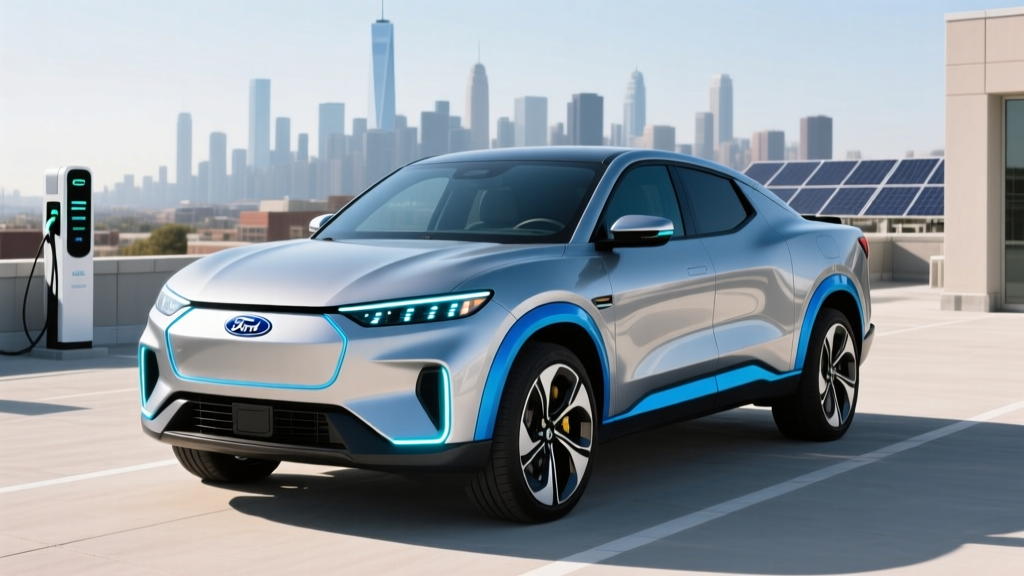
If you've been searching for a Ford $30,000 electric truck, here's the direct answer as of early 2026: Ford has not yet released a production electric Maverick, and no Ford electric pickup is currently available at a $30,000 price point. The closest Ford EV truck you can buy today is the F-150 Lightning, which starts well above $50,000 before incentives. However, the Maverick hybrid starts around $28,000, and industry signals suggest an electric Maverick variant could arrive in the 2027–2028 timeframe — though pricing at $30,000 remains uncertain given battery costs and inflation.
Quick Answer: Ford $30,000 Electric Truck Status
Currently available? No. Ford does not sell a $30,000 electric truck in 2026.
Closest option: Ford Maverick Hybrid (starts ~$28,000, 42 MPG combined, not a plug-in).
Cheapest Ford EV: Mustang Mach-E (starts ~$42,000 MSRP before incentives).
Electric Maverick outlook: Announced development; likely 2027–2028 model year; $30K base price is optimistic but not impossible with next-gen LFP battery packs and federal incentives.
Why the $30,000 Electric Truck Matters to Buyers
The compact truck segment exploded after Ford reintroduced the Maverick in 2022, selling over 100,000 units annually by 2024. The appeal is simple: truck utility at car prices. For buyers eyeing an electric transition, a $30,000 electric truck would undercut nearly every EV on the market while filling a gap no manufacturer currently occupies — a compact, affordable, battery-electric pickup.
Consider the math that drives this demand. The average new vehicle transaction price in the U.S. hovered near $48,000 in late 2025, according to Kelley Blue Book. A $30,000 electric truck would represent a genuine mass-market entry point, particularly when paired with the federal §30D tax credit, which can reduce effective cost by up to $7,500 for qualifying buyers and vehicles.
But the gap between aspiration and production reality is defined by battery economics. A 70 kWh battery pack — the minimum for a useful 230+ mile range in a truck form factor — costs roughly $7,000–$9,000 at current cell prices. That single component consumes 25–30% of a $30,000 vehicle's total budget, leaving little room for the chassis, motors, interior, safety systems, and dealer margin.
What Ford Actually Sells in 2026: The Electrified Truck Lineup
To understand where a $30,000 electric truck fits — or doesn't — here's Ford's actual electrified truck and SUV portfolio as of the 2026 model year:
| Model | Powertrain | Starting MSRP | EPA Range / MPG | §30D Credit Eligible |
|---|---|---|---|---|
| Maverick (Hybrid) | 2.5L HEV | ~$28,000 | 42 MPG combined | No (not a plug-in) |
| Maverick (EcoBoost) | 2.0L Turbo ICE | ~$26,000 | 26 MPG combined | No |
| F-150 Lightning | BEV (Extended Range) | ~$55,000 | 320 mi EPA (Std Range: 240 mi) | Yes (up to $7,500, subject to sourcing & income rules) |
| Mustang Mach-E | BEV | ~$42,000 | 250–320 mi EPA (varies by trim) | Yes (up to $7,500) |
The Maverick Hybrid is the closest thing to a fuel-efficient truck at $30,000, but it's a conventional hybrid — no plug, no electric-only range, no §30D credit eligibility. The F-150 Lightning is a legitimate electric truck but sits $25,000+ above the $30K threshold.
Electric Maverick: What We Know and What's Speculation
Ford CEO Jim Farley has publicly confirmed that an electric Maverick is in development, and the company's Ford Model e division has been working on a next-generation, cost-reduced EV architecture. Industry analysts expect the vehicle to use a lithium iron phosphate (LFP) battery pack — the same chemistry Ford already sources for the Mustang Mach-E Standard Range and the F-150 Lightning Standard Range.
Why LFP matters for a budget electric truck
LFP cells cost roughly 20–30% less per kWh than nickel-manganese-cobalt (NMC) cells. They also tolerate daily charging to 100% without accelerated degradation, offer longer cycle life (2,000+ full cycles vs. ~1,000–1,500 for NMC), and avoid cobalt supply-chain issues. The trade-off: lower energy density, meaning a heavier or physically larger pack for the same range. In a compact truck with a bed, packaging a large LFP pack while maintaining payload capacity is an engineering challenge Ford is actively working to solve.
Preliminary spec estimates (unreleased — treat as projections)
- Battery: ~65–75 kWh usable, LFP chemistry
- EPA Range (estimated): 230–260 miles
- Real-world range expectation: ~190–220 miles highway; ~160–180 miles in cold weather (below 30°F)
- DC Fast Charging (estimated): Peak ~150 kW, 10–80% in approximately 28–35 minutes
- Level 2 Charging: ~10.5 kW onboard charger (adds ~30–35 miles per hour of charging)
- Motor output (estimated): ~210–260 hp, front-wheel or all-wheel drive
- 0–60 mph (estimated): 6.5–8.0 seconds
- Towing (estimated): 2,000–4,000 lbs
- Projected MSRP: $32,000–$38,000 (base); $30,000 is possible only with aggressive cost-cutting and a stripped-down trim
These figures are estimates based on industry analysis, not confirmed Ford specifications. Final specs may differ significantly when the vehicle enters production.
Cost Breakdown: Electric Truck vs. Maverick Hybrid vs. Gas Truck
Let's compare five-year ownership costs across three scenarios: a hypothetical $33,000 electric Maverick (with $7,500 tax credit), the current Maverick Hybrid at $28,000, and a comparable gas compact truck at $28,000 averaging 26 MPG combined. Assumptions: 12,000 miles/year, electricity at $0.14/kWh, gas at $3.40/gallon, home Level 2 charging available.
| Cost Factor (5 Years) | Electric Maverick (est.) | Maverick Hybrid | Gas Compact Truck |
|---|---|---|---|
| Purchase Price (MSRP) | $33,000 | $28,000 | $28,000 |
| Federal §30D Credit | −$7,500 | $0 | $0 |
| Effective Purchase Price | $25,500 | $28,000 | $28,000 |
| Fuel/Energy (60,000 mi) | $2,800 (home charging) | $4,860 | $7,850 |
| Maintenance (5 years) | $1,200 | $2,500 | $3,200 |
| Insurance (est. 5-year total) | $8,500 | $7,000 | $7,000 |
| Home Charger Install (Level 2) | $800–$1,500 | $0 | $0 |
| 5-Year Total Cost | ~$38,800–$39,500 | ~$42,360 | ~$46,050 |
Key takeaway: If the electric Maverick qualifies for the full $7,500 §30D credit and you charge primarily at home, it undercuts both the hybrid and gas alternatives over five years despite a higher sticker price. However, this assumes credit eligibility — which has strict income caps, MSRP caps (trucks: $80,000), and battery sourcing requirements under current IRS §30D rules.
Federal Tax Credit: Can You Actually Get $7,500 Off?
The §30D Clean Vehicle Credit is the single biggest variable in making a Ford $30,000 electric truck financially viable. Here are the eligibility requirements as of 2026:
- Buyer income caps: Modified AGI ≤ $150,000 (single), $225,000 (head of household), $300,000 (joint)
- MSRP cap for trucks: ≤ $80,000 (easily satisfied by a Maverick-class vehicle)
- Battery component manufacturing: Increasing percentage must be manufactured or assembled in North America (phased thresholds by year)
- Critical minerals sourcing: Increasing percentage must be sourced from the U.S. or free-trade-agreement countries
- Point-of-sale transfer: As of 2024, you can transfer the credit to the dealer at purchase, reducing your out-of-pocket cost immediately — you don't have to wait until tax filing
- Foreign entity of concern (FEOC) restriction: Vehicles with battery components from certain foreign entities are disqualified
The FEOC and critical-minerals rules are the wildcards. Ford's LFP cells have been sourced from CATL (China) for some models, which could complicate credit eligibility depending on the year's specific thresholds. Ford has announced plans to build LFP cells in Marshall, Michigan, but that facility's production timeline and licensing structure remain in flux. Always verify current-year eligibility on fueleconomy.gov before purchasing.
Real-World Ownership: What First-Time EV Truck Buyers Must Know
If an electric Maverick arrives and you're considering it as your first EV, these practical realities will shape your daily experience far more than spec sheets:
Home charging is nearly essential
Public DC fast charging costs $0.30–$0.50/kWh in most markets — nearly double to triple home electricity rates. A compact truck with a 70 kWh battery charged exclusively on public fast chargers would cost $4,200–$7,000 over 60,000 miles, erasing much of the EV fuel-cost advantage. A Level 2 home charger (240V, 32–48 amps) adds ~30 miles of range per hour and costs $500–$1,500 installed, depending on whether your electrical panel needs upgrading. If you live in an apartment without charging access, an EV truck becomes significantly less practical.
Cold weather cuts range by 20–35%
LFP batteries are more susceptible to cold-weather range loss than NMC chemistry. In sustained sub-30°F temperatures, expect a 250-mile EPA-rated electric Maverick to deliver 160–200 real-world miles. A heat pump (standard on some Ford EVs) mitigates this somewhat but doesn't eliminate it. If you live in Minnesota, Maine, or Colorado and regularly drive 150+ miles in winter, plan accordingly.
Towing destroys range
Pulling a 3,000-lb trailer with any electric truck can reduce range by 40–50%. A 250-mile EPA rating drops to 125–150 miles under load. This isn't unique to Ford — it's physics. If towing is a regular use case, an electric compact truck may not be the right tool.
Insurance premiums run 15–25% higher
EV insurance costs remain elevated due to higher repair costs (battery damage totaling, specialized body shop requirements, and ADAS recalibration). Budget $150–$250/month depending on your profile, versus $110–$180 for a gas Maverick.
Common Misconceptions About a Budget Electric Truck
| Myth | Fact |
|---|---|
| "A $30K electric truck is available now" | No Ford electric truck exists at $30,000. The Maverick Hybrid starts near $28K but isn't a plug-in. |
| "Electric trucks can't tow" | They can tow, but range drops 40–50% under load. A compact EV truck is best for light-duty (1,500–3,000 lbs). |
| "The $7,500 tax credit applies to everyone" | Income caps, MSRP caps, battery sourcing rules, and FEOC restrictions all apply. Many buyers won't qualify for the full amount. |
| "EV batteries need replacement every 5 years" | Modern EV batteries are warranted for 8 years/100,000 miles and typically retain 85–90% capacity at that point. Full replacement is rare and costs $8,000–$15,000. |
| "Charging takes too long for road trips" | A 150 kW peak charge rate means 10–80% in ~30 minutes. Plan stops around meal or restroom breaks. Not instant, but manageable with route planning. |
Decision Framework: Should You Wait or Buy Now?
Choose Your Path
Buy the Maverick Hybrid NOW if:
- You need a truck within 30 days
- You don't have home charging access
- You regularly tow more than 2,000 lbs
- You live in a region with extreme winters and limited charging infrastructure
- Your budget is firm at $28,000–$32,000 out the door
Wait for the electric Maverick if:
- You have (or can install) Level 2 home charging
- Your daily driving is under 100 miles round-trip
- You qualify for the §30D tax credit (income under caps, can meet sourcing rules)
- You want the lowest 5-year total cost of ownership
- You can wait until 2027–2028 for production availability
- Towing is occasional and under 2,000 lbs
Consider the F-150 Lightning NOW if:
- You need an electric truck today
- Your budget allows $50,000+ (effectively ~$42,500–$47,500 after tax credit)
- You need 320 miles of EPA range, 7,700+ lb towing, or full-size truck capability
What to Watch: The Path to an Affordable Electric Truck
Ford isn't the only automaker chasing this segment. Hyundai has hinted at a compact electric pickup based on its Ioniq platform, and Rivian's R2 platform (expected ~2027) could offer a smaller, more affordable truck. The competitive pressure is real, and it's the buyer's best ally for driving prices down.
On the technology side, several developments could make a true $30,000 electric truck feasible by 2028:
- LFP cell cost reductions: BloombergNEF projects pack-level LFP costs falling below $80/kWh by 2027, meaning a 65 kWh pack would cost ~$5,200 — down from ~$8,000+ today
- Ford's Michigan LFP plant: If production scales successfully with domestic sourcing, it could satisfy §30D critical-mineral requirements and unlock the full tax credit
- Simplified vehicle architecture: Ford's next-gen EV platform aims to reduce parts count and assembly time, cutting manufacturing cost per vehicle
The honest assessment: a Ford $30,000 electric truck is possible but not imminent. The Maverick Hybrid remains the smartest budget truck buy today for efficiency-minded buyers who can't wait or don't have charging access. For those who can wait and who meet the charging and credit criteria, the electric Maverick could be worth holding out for — but expect the real base price to land closer to $33,000–$35,000, with the effective post-credit price approaching $26,000–$28,000.
Frequently Asked Questions
Does Ford currently make a $30,000 electric truck?
No. As of 2026, Ford's cheapest electric vehicle is the Mustang Mach-E at approximately $42,000 MSRP. The Maverick Hybrid starts around $28,000 but is a conventional hybrid, not a plug-in or battery-electric vehicle.
When will the Ford Maverick EV be available?
Ford has confirmed an electric Maverick is in development, but no official production date has been announced. Industry estimates point to a 2027–2028 model-year launch. Specifications and pricing remain preliminary.
Will the electric Maverick qualify for the $7,500 federal tax credit?
It depends on battery sourcing and manufacturing requirements at the time of purchase. Ford's use of LFP chemistry — potentially from its Marshall, Michigan plant — could qualify, but FEOC and critical-mineral rules are strict and evolving. Check IRS guidance and fueleconomy.gov at time of purchase.
How does the Maverick Hybrid compare to waiting for an EV version?
The Maverick Hybrid delivers 42 MPG combined with zero lifestyle changes — no charging setup, no range planning, no cold-weather range loss. It's the practical choice today. An electric Maverick would offer lower fuel and maintenance costs over 5 years but requires home charging access and a higher upfront investment (partially offset by tax credits).
What's the cheapest electric truck I can buy right now?
The Ford F-150 Lightning Standard Range starts around $55,000 MSRP, which can drop to approximately $47,500 after the $7,500 federal tax credit (if eligible). There is no electric truck available under $40,000 in 2026.
Can I charge an electric truck on a standard 120V outlet?
Yes, but Level 1 charging (120V) adds only 3–5 miles of range per hour. A full charge of a 70 kWh battery would take 3–4 days. Level 2 (240V) is strongly recommended for daily truck use and typically costs $500–$1,500 to install at home.