2026 Ford F-150 Lightning: Lease Value at a Glance
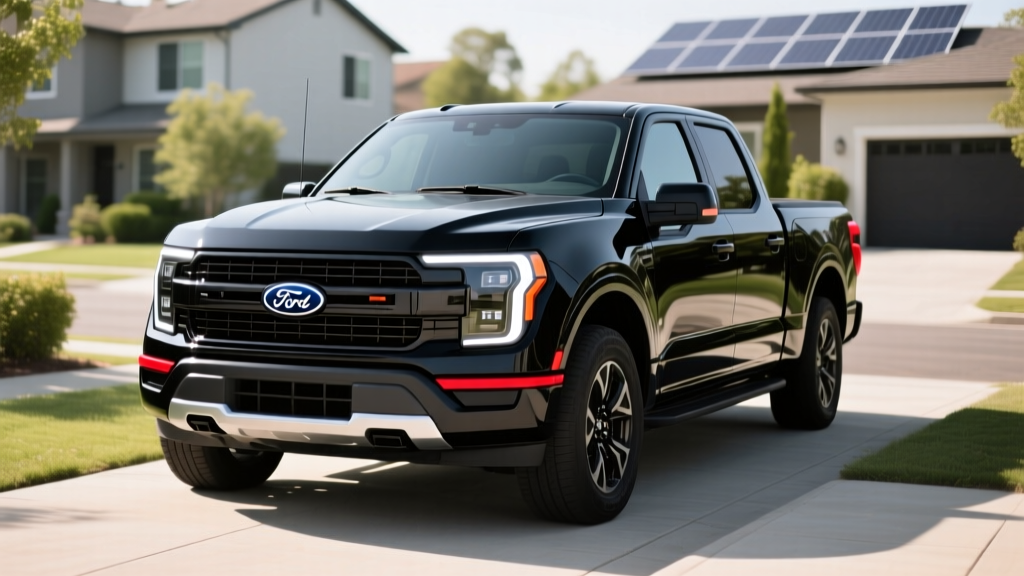
The Ford F-150 Lightning remains one of the few electric pickups that functions as a genuine workhorse rather than a lifestyle statement. For 2026, Ford continues to refine the platform with updated software, improved thermal management for DC fast charging, and broader availability of the extended-range battery. But the sticker price — starting around $55,000 and climbing past $96,000 for the Platinum — keeps many buyers circling one question: does leasing make more financial sense than buying?
This review breaks down every number that matters for a Ford F-150 Lightning lease decision in 2026: real-world range versus EPA estimates, charging speeds across the curve, federal tax credit mechanics under IRS §30D, and how the Lightning stacks up against the Rivian R1T and Chevrolet Silverado EV. If you're weighing monthly payments against long-term ownership, the data below will tell you exactly where the value sits.
Range, Battery & Real-World Efficiency
| Spec | Standard Range | Extended Range |
|---|---|---|
| EPA Range | 230 miles | 320 miles |
| Battery Capacity (usable) | 98 kWh | 131 kWh |
| Battery Chemistry | NMC (Nickel Manganese Cobalt) | NMC |
| Drivetrain | Dual-motor AWD | Dual-motor AWD |
| Horsepower | 452 hp | 580 hp |
| Torque | 775 lb-ft | 775 lb-ft |
| 0–60 mph | ~4.5 sec | ~3.8 sec |
| MPGe (combined) | 76 MPGe | 70 MPGe |
| Efficiency (kWh/100 mi) | 44 kWh | 48 kWh |
| Max Tow Capacity | 7,700 lbs | 10,000 lbs |
| Max Payload | 2,235 lbs | 1,800 lbs |
The Lightning's NMC chemistry delivers strong energy density, which is why a 131 kWh pack fits under the floor without compromising ground clearance. The trade-off versus LFP (lithium iron phosphate) is cycle life: NMC cells degrade slightly faster over hundreds of charge cycles, though Ford's thermal management system is among the best in the segment for mitigating this. If you plan to lease for 36 months and hand the truck back, degradation is the lessor's problem, not yours — another point in the leasing column.
Charging Speed: DC Fast, Level 2 & Home Setup
| Charging Level | Max Power (kW) | Speed / Time | Connector |
|---|---|---|---|
| Level 1 (120V household) | ~1.4 kW | ~3 mi/hr | NACS (native) |
| Level 2 (240V, 48A) | 11.5 kW | ~23 mi/hr (13 hr for full charge, ext. range) | NACS |
| Level 2 (240V, 80A — Ford Charge Station Pro) | 19.2 kW | ~38 mi/hr (8 hr for full charge, ext. range) | NACS |
| DC Fast Charge (peak) | 150 kW (std.) / 150 kW (ext.) | 10–80% in ~41 min (ext. range) | NACS |
The Lightning uses the NACS connector natively, meaning direct access to Tesla Superchargers (now widely opened to non-Tesla EVs) without an adapter. This is a significant infrastructure advantage over CCS-equipped competitors in many regions.
Charging curve reality: The Extended Range pack peaks at approximately 150 kW but only sustains that rate between roughly 15% and 40% state of charge. Above 60% SoC, the rate tapers to ~90 kW, and above 80% it drops to under 40 kW. This means the published 10–80% time of ~41 minutes is accurate, but a 10–95% session will stretch past 65 minutes. On road trips, plan your stops around the 10–80% window for maximum efficiency.
Home charging for a lease: If you're leasing, budget $800–$2,000 for a professional Level 2 installation (240V/60A circuit with a 48A charger). The Ford Charge Station Pro (80A/19.2 kW) requires a 100A circuit and can cost $2,500–$4,000 installed, especially if your electrical panel needs an upgrade. For a 36-month lease, the standard 48A setup is usually sufficient — you'll add roughly 180–200 miles overnight, which covers most daily needs. (Source: Ford Motor Company)
2026 Lease Pricing, Trims & Federal Tax Credit
| Trim | Battery | Base MSRP | Est. Lease (36 mo / 10.5k mi) | §30D Credit Eligible? |
|---|---|---|---|---|
| Pro | Standard Range (98 kWh) | $55,090 | $550–$700/mo | Yes — if leased through a qualifying lessor |
| XLT | Standard Range (98 kWh) | $65,090 | $700–$875/mo | Yes |
| Lariat | Extended Range (131 kWh) | $77,090 | $850–$1,050/mo | Yes |
| Platinum | Extended Range (131 kWh) | $96,874 | $1,100–$1,350/mo | No — exceeds MSRP cap |
Federal tax credit mechanics for leasing: Under IRS §30D, the $7,500 federal EV tax credit has strict eligibility requirements when you purchase outright: buyer income caps ($150K single / $300K joint), vehicle MSRP caps ($80,000 for trucks/vans/SUVs), and battery critical-mineral and component sourcing rules. However, when you lease, the credit flows to the lessor (the financing company) under a separate commercial clean vehicle provision (§45W). Many lessors pass this savings through as a capitalized-cost reduction, effectively lowering your monthly payment by roughly $200–$210/month over a 36-month term.
Key caveat: The Platinum trim's MSRP exceeds the $80,000 purchase cap, meaning it's ineligible for §30D if bought. But through a lease, the §45W commercial credit has no MSRP cap, so the Platinum can still benefit — confirm with your dealer that the lessor is passing the credit through. Always verify current rules at IRS.gov and consult a tax professional for your specific situation.
Performance, Cargo & Technology
The Lightning's dual-motor AWD is standard across all trims. The Extended Range model's 580 hp and 775 lb-ft of torque deliver a 0–60 mph time of approximately 3.8 seconds — making it one of the quickest full-size trucks ever sold, gas or electric. More practically, the instant torque means confident highway merging even with a loaded bed.
Cargo and space:
- Front trunk (frunk): 14.1 cu ft — lockable, weatherproof, with a drain plug. Large enough for two carry-on bags or a full set of power tools.
- Bed: 5.5 ft (67.1 inches long) with a 2,235-lb max payload (Standard Range). The bed floor is composite, not wood, so it resists dents and doesn't need a liner.
- Rear-seat legroom: 43.6 inches — genuinely comfortable for adults on long trips.
- Pro Power Onboard: 2.4 kW standard (two 120V outlets in the bed); 9.6 kW available (240V outlet, enough to run a welder, circular saw, or power your home during an outage via the Ford Intelligent Backup Power system).
Technology highlights: The 15.5-inch vertical touchscreen (Lariat and above) runs Ford's SYNC 4A system with wireless Apple CarPlay and Android Auto. BlueCruise, Ford's Level 2 hands-free driving assist, is available on prequalified divided highways — but it is not autonomous driving. You must remain alert and ready to take over at all times. The available Max Recline Seats fold nearly flat, useful for rest breaks during long charging stops.
Notable drawbacks: The Lightning's 6,500+ lb curb weight is noticeable in corners — this is no sports truck. Efficiency suffers when towing (expect range to drop 40–50% with a heavy trailer). The 150 kW DC fast-charge ceiling trails the 350 kW capability of the Chevrolet Silverado EV and the 200+ kW of the Rivian R1T. And while the frunk is excellent, the bed is shorter than a traditional F-150's 6.5-ft option.
Battery Warranty & Long-Term Ownership
Ford covers the Lightning's high-voltage battery and electric powertrain for 8 years or 100,000 miles, whichever comes first. The warranty guarantees the battery will retain at least 70% of its original capacity during that period. For lessees on a 36-month/36,000-mile term, this warranty is largely irrelevant — you'll return the truck well within coverage. For buyers planning to keep the Lightning past 100,000 miles, the 70% retention floor is the industry-standard minimum; Hyundai and Kia offer 10-year/100,000-mile coverage on their EV batteries.
Battery replacement cost: If the 131 kWh Extended Range pack fails out of warranty, expect a replacement invoice between $25,000 and $35,000 including labor, based on current NMC cell pricing and Ford's service structure. This is a meaningful long-term risk for second owners — and a strong argument for leasing if you prefer predictable costs.
Lightning vs. Rivals: Rivian R1T & Chevy Silverado EV
| Attribute | Ford F-150 Lightning (Ext. Range) | Rivian R1T (Dual-Motor Max) | Chevy Silverado EV (4WT) |
|---|---|---|---|
| EPA Range | 320 mi | 410 mi | 440 mi |
| Starting MSRP | $55,090 | $79,900 | $78,900 |
| Max DC Charge (kW) | 150 kW | 200+ kW | 350 kW |
| 0–60 mph | 3.8 sec | ~3.5 sec | ~4.5 sec |
| Max Tow | 10,000 lbs | 11,000 lbs | 12,500 lbs |
| Bed Length | 5.5 ft | 4.5 ft (+ Gear Tunnel) | 5.9 ft (Multi-Flex midgate) |
| NACS Native? | Yes | Yes (2025+) | Yes (2025+) |
- Choose the F-150 Lightning if: You want the lowest entry price in a full-size electric pickup, value the massive frunk and Pro Power Onboard for job-site or tailgate use, and prefer Ford's dealer network for service.
- Choose the Rivian R1T if: You need maximum range (410 mi), want a more car-like driving experience with available quad-motor performance, and don't mind the higher price and smaller bed.
- Choose the Silverado EV if: You need the longest range (440 mi), fastest DC charging (350 kW), and the highest tow rating (12,500 lbs), and can accept GM's newer EV platform with less track record.
Pros & Cons of the 2026 F-150 Lightning
✓ Pros
- Lowest starting MSRP among full-size electric pickups ($55,090)
- Massive 14.1 cu-ft frunk with drain plug
- Pro Power Onboard (up to 9.6 kW) for job-site and home-backup use
- NACS connector — native Supercharger access
- Comfortable rear seat (43.6" legroom) and quiet cabin
- Lease structure captures $7,500 credit without income/MSRP purchase restrictions
- BlueCruise hands-free assist on approved highways
✗ Cons
- 150 kW DC fast-charge peak trails Rivian and Chevy
- Real-world range drops sharply when towing (40–50% loss)
- Heavy curb weight (6,500+ lbs) hurts handling and efficiency
- Short 5.5-ft bed limits hauling long materials
- Platinum trim exceeds $80K MSRP cap for purchase credit
- Cold-weather range loss is significant (20–30% below 30°F)
- No LFP battery option for buyers prioritizing cycle life
Who Should Lease the F-150 Lightning?
Best fit: Homeowners with garage or driveway Level 2 charging who need a full-size truck for weekend projects, light-to-moderate towing (under 7,000 lbs), and daily commuting under 100 miles round-trip. The lease structure is ideal for buyers who want to avoid battery-depreciation risk, prefer predictable monthly costs, and plan to upgrade to next-generation EV platforms in 3 years.
Poor fit: Anyone who regularly tows 8,000+ lbs over long distances (range drops to ~150 miles), lives in an apartment without charging access, or drives 25,000+ miles per year (lease overage penalties of $0.20–$0.30/mile add up fast). For heavy-tow use cases, a diesel F-250 or a PHEV like the forthcoming Ram 1500 Ramcharger remains more practical.
Frequently Asked Questions
What is the real-world range of the Ford F-150 Lightning?
The EPA rates the Extended Range at 320 miles and the Standard Range at 230 miles. In real-world mixed driving, expect 260–280 miles (Extended) and 185–205 miles (Standard). Highway driving at 75 mph and cold weather below 30°F each reduce range by 15–30%.
How fast does the F-150 Lightning charge?
On DC fast charging, the Lightning peaks at 150 kW and charges from 10–80% in approximately 41 minutes (Extended Range). At home on a 48A Level 2 charger (11.5 kW), you'll add about 23 miles per hour of charging. The 80A Ford Charge Station Pro (19.2 kW) adds roughly 38 miles per hour.
How much does a 2026 F-150 Lightning lease cost after the tax credit?
Typical 36-month leases range from $550–$700/month (Pro, Standard Range) to $1,100–$1,350/month (Platinum, Extended Range). The $7,500 federal credit typically flows through the lessor as a cap-cost reduction, lowering payments by roughly $200–$210/month. Exact pricing depends on your credit score, down payment, dealer, and region.
Does the F-150 Lightning qualify for the federal EV tax credit?
When purchased, trims under the $80,000 MSRP cap (Pro, XLT, Lariat) can qualify for up to $7,500 under IRS §30D, subject to buyer income limits and battery-sourcing requirements. The Platinum exceeds the MSRP cap and is ineligible for purchase credit. However, all trims can benefit when leased, as the commercial clean vehicle credit (§45W) flows to the lessor with no MSRP or income caps. Verify current rules at IRS.gov.
Is leasing the F-150 Lightning better than buying?
Leasing is advantageous if you want to avoid long-term battery depreciation risk, prefer the tax credit to flow through without income/MSRP restrictions, and plan to upgrade in 3 years. Buying is better if you drive under 12,000 miles per year, want to keep the truck 7+ years, or plan to use it heavily for business (where you can deduct depreciation). The 8-year/100,000-mile battery warranty provides peace of mind for buyers, but replacement costs of $25,000–$35,000 after warranty expiration are a real financial risk.
Can the F-150 Lightning power my home during an outage?
Yes, with the available 9.6 kW Pro Power Onboard system and the Ford Intelligent Backup Power home integration system (installed by a licensed electrician, typically $3,000–$5,000 for the transfer switch and wiring). The Extended Range battery can power an average home for approximately 3 days during an outage, depending on consumption.