Ford F-150 Lightning Discontinued? Separating Rumor from Reality
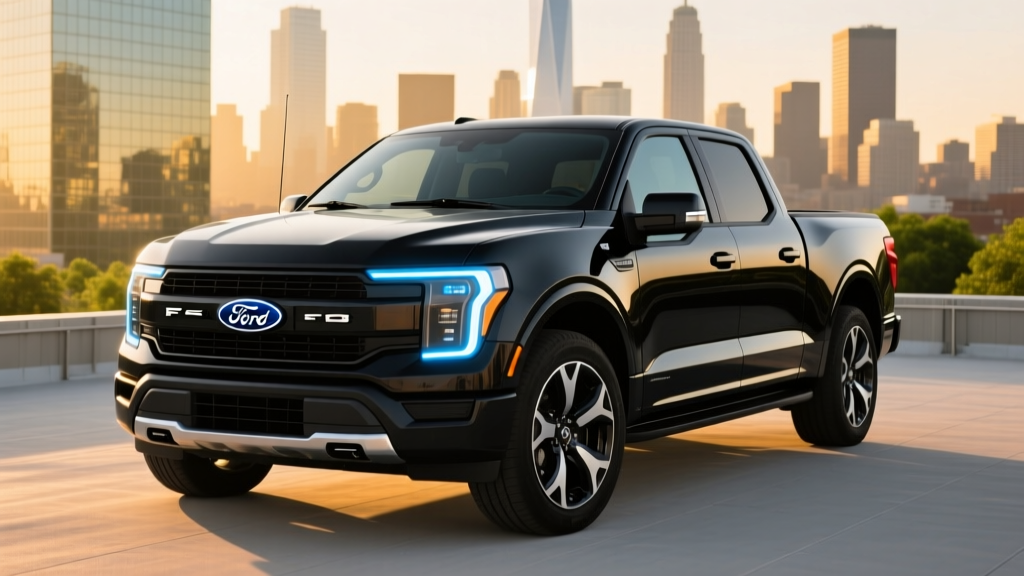
If you've searched "Ford F-150 Lightning discontinued" lately, you're not alone. The rumor mill has been churning about Ford's electric pickup, fueled by production pauses, shifting consumer demand, and Ford's own public pivot toward hybrid trucks. Here's the truth as of early 2026: the F-150 Lightning is not discontinued, but Ford has significantly scaled back production volumes and restructured its EV strategy. The Lightning remains available through dealerships, though inventory is tighter and some trim configurations have been consolidated for the 2026 model year.
Ford CEO Jim Farley confirmed in late 2025 that the company would reduce battery-electric vehicle investment while expanding hybrid offerings across the F-Series lineup. The Lightning continues as a niche product within Ford's broader truck strategy — not killed, but no longer the centerpiece of Ford's electrification ambitions. For buyers, this creates both opportunity (less competition at the dealer lot) and risk (long-term support and resale value uncertainty).
Let's break down everything you need to know about the 2026 F-150 Lightning — specs, pricing, tax credits, and whether it still makes sense to buy one.
2026 F-150 Lightning Specifications at a Glance
| Specification | Standard Range | Extended Range |
|---|---|---|
| EPA Range | 240 miles | 320 miles |
| Battery Capacity (usable) | 98 kWh | 131 kWh |
| Battery Chemistry | NMC (Nickel Manganese Cobalt) | NMC |
| Drivetrain | Dual-Motor AWD | Dual-Motor AWD |
| Horsepower | 580 hp | 580 hp |
| Torque | 775 lb-ft | 775 lb-ft |
| 0–60 mph | ~4.0 seconds | ~3.8 seconds |
| Max Towing Capacity | 7,700 lbs | 10,000 lbs |
| Max Payload | 2,235 lbs | 1,952 lbs |
| MPGe (Combined) | 78 MPGe | 70 MPGe |
| Efficiency | 43 kWh/100 mi | 48 kWh/100 mi |
| Base MSRP (Pro trim) | $54,995 | $69,995 |
| Battery Warranty | 8 years / 100,000 miles (≥70% capacity retention) | |
Real-World Range: What the EPA Sticker Doesn't Tell You
EPA Estimated Range: 240 mi (Standard) / 320 mi (Extended)
Real-World Expectation: Expect 190–210 mi highway for Standard Range and 260–285 mi highway for Extended Range under normal conditions. In cold weather (below 30°F), subtract an additional 20–30% from these figures.
The F-150 Lightning's EPA range numbers look respectable on paper, but full-size electric pickups face physics that sedans and crossovers simply don't. The Lightning's boxy aerodynamics, heavy curb weight (~6,500 lbs for Extended Range), and tall ride height all conspire against highway efficiency. In our experience and consistent with EPA data on fueleconomy.gov, the Extended Range model averages roughly 2.0–2.2 kWh/mile at 70 mph — meaning that 131 kWh pack delivers closer to 270 miles on a flat, temperate highway run.
Cold weather is the Lightning's Achilles' heel. NMC chemistry loses efficiency in freezing temperatures, and while Ford's thermal management system includes battery preconditioning, real-world winter range loss of 25–35% is well-documented among owners. If you live in the northern tier and commute more than 150 miles round-trip in winter, the Standard Range pack will leave you anxious. The Extended Range provides a more comfortable buffer, but you'll still be charging more frequently than EPA numbers suggest.
For towing, plan on losing roughly 40–50% of your range. A 320-mile Extended Range Lightning pulling a 5,000-lb trailer will realistically deliver 160–180 miles before needing a charge — adequate for short hauls but a significant constraint for long-distance towing.
Charging Speed: DC Fast, Level 2, and the Curve Reality
| Charging Level | Power / Rate | Speed (mi/hr added) | Notes |
|---|---|---|---|
| Level 1 (120V household) | ~1.4 kW | ~3 mi/hr | Emergency/trickle only |
| Level 2 (240V, 48A) | 11.5 kW | ~25 mi/hr | Home overnight charge: ~10–13 hrs (full) |
| Level 2 (240V, 80A — Pro Power Onboard equipped) | 19.2 kW | ~42 mi/hr | Requires 100A circuit; ~6–8 hrs (full) |
| DC Fast Charge (Standard Range) | Peak 150 kW | ~140 mi in 10 min (peak) | 10–80% in ~44 minutes |
| DC Fast Charge (Extended Range) | Peak 150 kW | ~150 mi in 10 min (peak) | 10–80% in ~41 minutes |
The F-150 Lightning's DC fast-charging speed is its most significant competitive weakness in 2026. At a peak of 150 kW, the Lightning charges considerably slower than rivals like the Rivian R1T (peak 200+ kW on newer packs) and the Chevrolet Silverado EV (peak 350 kW on 4WT architecture). The 10–80% charge time of roughly 41–44 minutes is functional but unremarkable — you'll spend noticeably more time at Electrify America or EVgo stations than you would in a Hyundai Ioniq 5 or a Tesla Cybertruck.
The charge curve also matters. The Lightning peaks near 150 kW only between roughly 15–40% State of Charge (SoC), then tapers progressively. From 60–80%, expect sustained rates closer to 60–80 kW. This taper is typical for NMC packs without ultra-high C-rate cell designs, but it means the "last 20%" adds significant time to a road-trip charge stop.
On the home front, the Lightning shines if you invest in the right infrastructure. Ford's available 80-amp Charge Station Pro (19.2 kW) can fully replenish the Extended Range pack overnight in roughly 7 hours — but it requires a dedicated 100-amp circuit, which may necessitate a panel upgrade in older homes (budget $1,500–$3,500 for electrical work, depending on your panel capacity and conduit run). The standard 48-amp mobile charger (11.5 kW) works on a common NEMA 14-50 outlet and is adequate for most daily driving needs, adding about 25 miles of range per hour of charging.
Pricing, Trims, and Federal Tax Credit Eligibility
The 2026 F-150 Lightning lineup has been simplified compared to earlier model years. Ford now offers three primary trims:
| Trim | Battery | MSRP | Est. After §30D Credit* |
|---|---|---|---|
| Pro (Standard Range) | 98 kWh | $54,995 | $47,495 |
| XLT (Extended Range) | 131 kWh | $69,995 | $62,495 |
| Lariat (Extended Range) | 131 kWh | $79,995 | $72,495 |
*Federal tax credit estimate. Actual eligibility depends on IRS §30D requirements.
The F-150 Lightning's §30D federal tax credit eligibility is not automatic. Here's what determines whether you qualify for up to $7,500, per current IRS guidelines:
- MSRP Cap: The Lightning qualifies as a pickup truck, so the MSRP cap is $80,000. All current trims clear this threshold, but a fully optioned Lariat or Platinum approaching $85,000 may exceed it.
- Buyer Income Limits: Modified Adjusted Gross Income (MAGI) must not exceed $150,000 (single), $225,000 (head of household), or $300,000 (joint filing).
- Battery Component Sourcing: A percentage of battery components must be manufactured or assembled in North America, and critical minerals must be sourced from the U.S. or free-trade-agreement countries. Ford has worked to meet these thresholds, but specific eligibility can change by production batch. Always verify the VIN on the IRS qualifying vehicle list before purchase.
- Point-of-Sale Transfer: As of 2024, you can transfer the credit to the dealer at purchase, reducing your out-of-pocket cost immediately rather than waiting for tax filing. This is available for 2026 model-year purchases if the vehicle qualifies.
For the Pro trim at $54,995, a qualifying buyer can bring the effective price to roughly $47,495 — competitive with mid-trim gas F-150s once you factor in fuel savings. The Extended Range XLT at $69,995 is a steeper commitment, and the Lariat pushes into luxury-truck territory where the value proposition becomes harder to justify against alternatives.
Performance, Cargo, and Daily Practicality
The Lightning's dual-motor AWD powertrain produces 580 horsepower and 775 lb-ft of torque across all trims, delivering a 0–60 mph time of approximately 3.8–4.0 seconds depending on battery configuration. That's sports-sedan acceleration in a truck that weighs over three tons — genuinely impressive, and the instant torque makes highway merging and passing effortless.
Where the Lightning truly differentiates itself from competitors is cargo versatility:
- Mega Power Frunk: 14.1 cu ft of front trunk space with 400 lbs payload capacity — lockable, weather-sealed, and large enough for groceries, tools, or a weekend's worth of gear. This remains the best frunk in the pickup segment.
- Bed: 5.5-foot bed (52.8 cu ft) with 2,000 lbs max payload capacity (varies by trim/battery).
- Pro Power Onboard: Available 2.4 kW or 9.6 kW onboard generator system, turning the Lightning into a mobile power station for job sites or tailgating. The 9.6 kW version can power most household circuits during an outage via a transfer switch.
- Passenger Space: Full SuperCrew cab with 43.5 inches of rear legroom — identical to the gas F-150 SuperCrew. Five adults ride comfortably.
The SYNC 4A infotainment system on a 12-inch touchscreen (15.5-inch on Lariat and above) is responsive and well-organized, with wireless Apple CarPlay and Android Auto. Ford's BlueCruise hands-on-highway driver assist (SAE Level 2) is available on equipped trims and works well on pre-mapped divided highways — but it is not autonomous driving. You must remain attentive and ready to take over at all times.
Pros, Cons, and How It Stacks Up Against Competitors
Pros
- Massive 14.1 cu ft front trunk (best in segment)
- Pro Power Onboard turns truck into mobile generator
- Strong 0–60 performance (3.8 sec Extended Range)
- Comfortable, spacious SuperCrew cabin
- Available 80-amp home charging (19.2 kW)
- Competitive pricing on Pro trim after tax credit
Cons
- DC fast charging limited to 150 kW peak (slow vs. rivals)
- Real-world range falls well short of EPA, especially towing
- Heavy cold-weather range loss (25–35%)
- Production uncertainty raises long-term resale risk
- Extended Range trims priced steeply
- No NACS port standard (requires adapter for Tesla Superchargers)
vs. Rivian R1T: The R1T offers more range (up to 410 mi EPA with Max Pack), faster charging, and a more premium interior, but starts significantly higher ($73,000+ for 2026 Dual-Motor). The Lightning wins on value at the Pro trim level and on pure utility with its larger bed and frunk.
vs. Chevrolet Silverado EV: The Silverado EV (on GM's Ultium/4WT platform) offers up to 440 miles EPA and 350 kW DC fast charging — crushing the Lightning on both metrics. However, Silverado EV pricing starts higher and the bed is fixed-length without the Lightning's versatile frunk. Availability has also been constrained.
vs. Gas/Hybrid F-150: Ford's own F-150 PowerBoost Hybrid delivers 700+ miles of total range, 12,700-lb towing, and no charging dependency — at a lower starting price. If you tow frequently, drive in extreme cold, or lack reliable home charging, the hybrid F-150 may be the more pragmatic choice in 2026.
Who Should Buy the F-150 Lightning in 2026?
Buy the Lightning if:
- You have reliable Level 2 home charging and daily driving under 150 miles
- You value the frunk and Pro Power Onboard for work or recreation
- You qualify for the full $7,500 federal tax credit
- You want a comfortable, fast daily-driver truck and rarely tow more than 5,000 lbs
- You can secure a Pro or XLT trim at or near MSRP
Look elsewhere if:
- You frequently tow heavy loads over long distances
- You live in a region with harsh winters and no garage charging
- Fast DC charging is critical to your road-trip habits
- You're concerned about long-term resale value given Ford's shifting EV commitment
- You need maximum range — the Silverado EV or Rivian R1T Max Pack serve you better
Frequently Asked Questions
Is the Ford F-150 Lightning discontinued?
No. As of early 2026, the F-150 Lightning is still in production and available for purchase, though Ford has reduced output and consolidated trims. Ford has signaled a strategic shift toward hybrids across the F-Series, which creates some uncertainty about future model years, but the Lightning has not been officially canceled.
What is the real-world range of the F-150 Lightning?
The Extended Range model (EPA 320 mi) typically delivers 260–285 miles in mixed real-world driving and 200–220 miles in cold weather or at sustained highway speeds above 70 mph. The Standard Range model (EPA 240 mi) averages 190–210 miles in practice. Towing cuts range roughly in half.
How fast does the F-150 Lightning charge?
On DC fast charging, the Lightning peaks at 150 kW, achieving a 10–80% charge in approximately 41–44 minutes. At home on a Level 2 charger, expect 11.5 kW (48A, ~25 mi/hr) or up to 19.2 kW (80A, ~42 mi/hr) with the available Charge Station Pro and a dedicated 100-amp circuit.
Does the F-150 Lightning qualify for the $7,500 federal tax credit?
It can, but eligibility depends on IRS §30D rules: your income must be below $150K/$225K/$300K thresholds (single/HOH/joint), the vehicle MSRP must stay under $80,000 (pickup classification), and battery components and critical minerals must meet North American sourcing requirements. Verify the specific VIN on the fueleconomy.gov tax credit list before purchasing.
Should I buy a Lightning now or wait?
If you find a well-priced 2026 Lightning that meets your needs and you qualify for the tax credit, it remains a capable and practical electric truck. However, if Ford's EV commitment continues to waver, consider that long-term parts availability, software updates, and resale value carry more uncertainty than with a fully committed EV program. A Ford F-150 PowerBoost Hybrid is a lower-risk alternative with similar utility and no range limitations.
What is the battery warranty on the F-150 Lightning?
Ford covers the Lightning's battery pack for 8 years or 100,000 miles, whichever comes first, against defects and capacity loss below 70% of original capacity. This is consistent with industry standards and matches the coverage offered by most EV competitors, per Ford's official specifications.