If you're shopping for wheels for a Ford F-150 Lightning — or cross-referencing compatibility with a classic truck — understanding the bolt pattern is step one. This guide covers the 96 Ford F-150 bolt pattern and its modern electric counterpart, the F-150 Lightning, then delivers a full EV spec breakdown for buyers evaluating Ford's electric pickup in 2026.
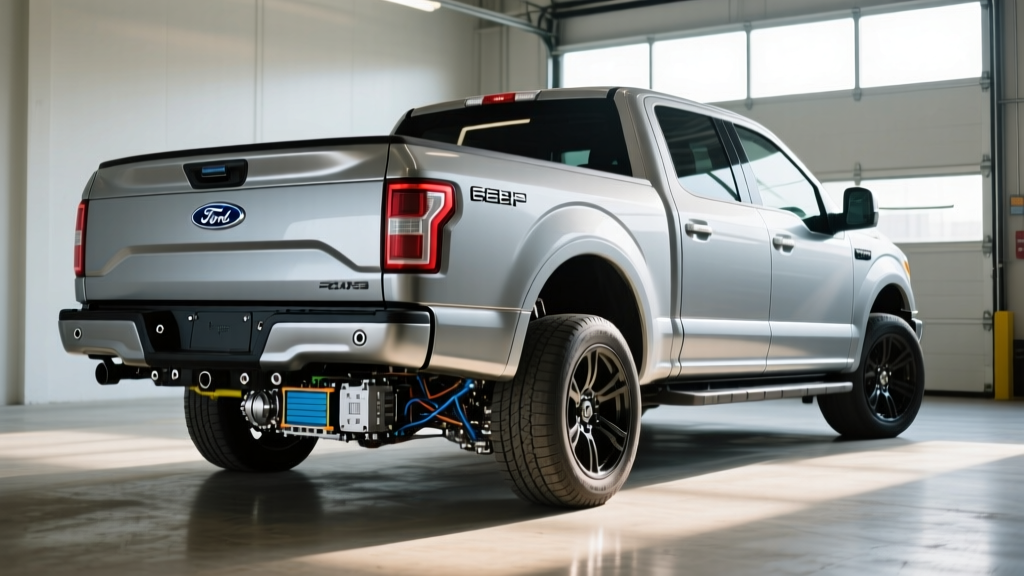
- 1996 Ford F-150: 5x139.7mm (5x5.5") — standard for that era's half-ton Ford trucks
- 1997–2003 Ford F-150: Switched to 6x135mm with the next generation
- 2022–2026 Ford F-150 Lightning: 6x135mm (6-lug) — same pattern as modern gas F-150s
The 96 F-150's 5-lug pattern is not compatible with Lightning wheels. You would need adapters (not recommended for towing/heavy loads) or a complete hub conversion.
Ford F-150 Lightning: Full EV Review & Specifications
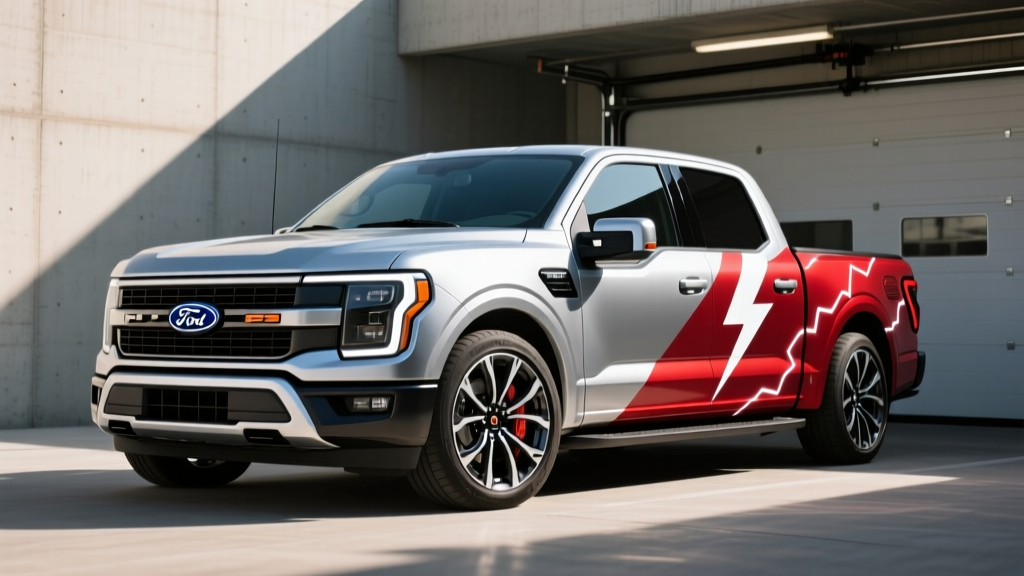
The F-150 Lightning remains Ford's flagship electric pickup, competing directly with the Rivian R1T, Chevrolet Silverado EV, and the Tesla Cybertruck. For 2026, Ford has streamlined the lineup to four trims while improving battery thermal management for more consistent fast-charging speeds in extreme temperatures. Here's the complete data set buyers need.
| Spec | Standard Range | Extended Range |
|---|---|---|
| EPA Range | 230 miles | 320 miles |
| Battery (Usable) | 98 kWh (NMC) | 131 kWh (NMC) |
| Max DC Fast Charge | 150 kW | 150 kW |
| 10–80% DC Charge Time | ~41 min | ~41 min |
| Level 2 Home Charge | 19.2 kW (80A) | 19.2 kW (80A) |
| 0–60 mph | ~4.5 sec | ~3.8 sec |
| Horsepower / Torque | 452 hp / 775 lb-ft | 580 hp / 775 lb-ft |
| Drivetrain | AWD (dual motor) | AWD (dual motor) |
| Efficiency (Combined) | 68 MPGe (49 kWh/100mi) | 70 MPGe (47 kWh/100mi) |
| Max Towing | 7,700 lbs | 10,000 lbs |
| Payload | 2,235 lbs | 1,800 lbs |
| Bolt Pattern | 6x135mm | 6x135mm |
Real-World Range: What the EPA Sticker Doesn't Tell You
EPA Extended Range: 320 miles
Real-world highway (70 mph, 75°F): ~255–275 miles
Real-world highway (30°F, winter): ~210–235 miles
Real-world towing (5,000-lb trailer): ~140–170 miles
The F-150 Lightning's boxy aerodynamics and 6,000+ lb curb weight take a toll at sustained highway speeds. Per fueleconomy.gov, the Extended Range model achieves 70 MPGe combined, but expect efficiency to drop to roughly 55–60 MPGe at 75+ mph. Cold weather compounds this: NMC chemistry loses roughly 15–25% of usable capacity below freezing without preconditioning, and cabin heating further drains the pack.
The Standard Range's 230-mile EPA figure translates to roughly 185–200 miles of real-world highway driving. For daily commuting under 80 miles round-trip, it's adequate. For road trips, plan charging stops every 160–180 miles in the Extended Range model to avoid the steep portion of the charge curve.
Charging Speeds: DC Fast, Level 2, and Home Setup
| Charging Level | Power | Miles Added/Hour | Notes |
|---|---|---|---|
| Level 1 (120V) | ~1.4 kW | ~3 mi/hr | Emergency only; 100+ hrs for full charge |
| Level 2 (240V, 32A) | 7.7 kW | ~16 mi/hr | Standard mobile charger; overnight top-up |
| Level 2 (240V, 80A) | 19.2 kW | ~30 mi/hr | Ford Charge Station Pro; full overnight charge |
| DC Fast (150 kW) | 150 kW peak | ~150+ mi in 20 min | 10–80% in ~41 min; tapers above 80% |
The Lightning's 150 kW peak DC fast-charging rate is its most-criticized spec among EV enthusiasts. Competitors like the Rivian R1T (peak ~220 kW on the newer pack) and the Silverado EV (~350 kW on the Ultium platform) charge considerably faster. The Lightning sustains roughly 120–140 kW from 10–50% SoC before tapering to 80–90 kW through 70%, then drops below 50 kW above 80%.
For home charging, the Ford Charge Station Pro at 19.2 kW (80 amps) requires a 100-amp dedicated circuit and a 200-amp (ideally 300-amp) electrical panel. Expect installation costs of $1,500–$3,500 including the charger ($1,100 MSRP), electrical work, and permits. This is a significant upfront investment but essential for a truck this size — a 7.7 kW Level 2 charger takes over 17 hours to fill the Extended Range pack from empty.
Pricing, Trims, and Federal Tax Credit Eligibility
| Trim | MSRP | After Est. §30D Credit | Battery |
|---|---|---|---|
| Pro (Standard Range) | $52,090 | ~$44,590* | 98 kWh |
| XLT (Standard Range) | $57,574 | ~$50,074* | 98 kWh |
| Lariat (Extended Range) | $72,090 | ~$64,590* | 131 kWh |
| Platinum (Extended Range) | $86,090 | ~$78,590* | 131 kWh |
*Tax credit estimates assume full $7,500 eligibility under IRS §30D. Actual credit depends on buyer income caps ($150K single / $300K joint MAGI), MSRP caps ($80,000 for trucks/vans/SUVs), and battery critical-mineral/component sourcing requirements that change annually. The Platinum trim exceeds the $80K truck MSRP cap and does NOT qualify. Consult a tax professional before purchase. Point-of-sale transfer is available through participating dealers.
The XLT with the Standard Range pack offers the best value proposition: a well-equipped electric truck around $50K after the credit, with sufficient range for most daily driving and job-site use. The Lariat Extended Range is the sweet spot for buyers who tow or road-trip regularly, but its price pushes close to the MSRP cap.
Cargo, Passenger Space, and the Mega Power Frunk
The Lightning retains the F-150 SuperCrew cab dimensions: 43.6 inches of front legroom and 40.4 inches rear. The 5.5-foot bed offers 52.8 cu ft of cargo volume. But the real differentiator is the Mega Power Frunk — 14.1 cu ft of lockable, drainable front trunk space with 400 lbs of payload capacity. It's large enough for two carry-on bags and a cooler, making it genuinely useful for worksite tool storage or airport runs.
The Pro Power Onboard system (standard 2.4 kW, available 9.6 kW) turns the Lightning into a mobile generator. The 9.6 kW option can power most home circuits during an outage for up to three days when paired with the Ford Intelligent Backup Power system and a compatible transfer switch — a practical advantage over gas trucks that can't silently power your home.
Tech, Driver Assists, and Notable Drawbacks
The Lightning runs Ford's SYNC 4A on a 12-inch touchscreen (15.5-inch portrait on Lariat/Platinum). BlueCruise hands-free driving is available on over 130,000 miles of pre-mapped divided highways — but this is SAE Level 2 driver assistance, not autonomous driving. The driver must remain attentive; the system monitors eye gaze and will disengage if attention lapses.
Ford BlueCruise is an SAE Level 2 driver-assist system. It handles steering, acceleration, and braking on compatible highways, but the driver must remain fully engaged and ready to take over at any moment. It does not handle construction zones, unmapped roads, or complex urban driving. This is not self-driving technology.
Notable drawbacks include the Lightning's 6,500+ lb curb weight (which increases tire wear and reduces efficiency), the 150 kW charging ceiling (slow for its class), and the absence of a heat pump on lower trims — meaning cold-weather range loss is more pronounced than in EVs with active thermal management. Ford has also faced intermittent software glitches with the 15.5-inch SYNC screen and OTA update delays reported by owners on forums.
Warranty and Battery Longevity
Ford covers the Lightning's battery and electric powertrain for 8 years or 100,000 miles (whichever comes first), with a capacity retention threshold of 70%. The bumper-to-bumper warranty is 3 years/36,000 miles. This is competitive with the segment but falls short of Hyundai/Kia's 10-year/100,000-mile EV powertrain coverage.
NMC battery chemistry in the Lightning should retain 85–90% of original capacity at 100,000 miles based on degradation data from 2022–2024 models tracked by EV fleet operators. Avoid habitual DC fast charging above 90% SoC and frequent deep discharges below 10% to maximize longevity.
Pros, Cons, and Who Should Buy the F-150 Lightning
- Class-leading frunk (14.1 cu ft, 400 lbs)
- Pro Power Onboard (up to 9.6 kW V2L/V2H)
- Smooth, quiet ride vs. gas F-150
- Strong towing (10,000 lbs max)
- BlueCruise hands-free highway assist
- Familiar truck ergonomics and controls
- 150 kW max DC charge rate (slow vs. rivals)
- Heavy curb weight reduces efficiency
- Highway range significantly below EPA sticker
- No heat pump on base trims
- Platinum trim exceeds §30D MSRP cap
- Bed length limited to 5.5 ft (SuperCrew only)
- Homeowners with solar: Charge for pennies, use Pro Power Onboard during outages
- Commuters with job-site needs: Quiet daily driver with frunk tool storage and worksite power
- Families who tow boats/trailers locally: Adequate range for 50-mile towing loops with overnight charging
Consider alternatives if: You road-trip frequently (Rivian R1T charges faster), need an 8-foot bed (Silverado EV offers it), or want maximum range per dollar (consider a PHEV like the F-150 PowerBoost hybrid instead).
Frequently Asked Questions
What is the real-world range of the F-150 Lightning?
The Extended Range model's 320-mile EPA rating translates to roughly 255–275 miles at highway speeds in mild weather, and 210–235 miles in freezing temperatures. The Standard Range delivers about 185–200 real-world highway miles. Towing cuts range roughly in half.
How fast does the F-150 Lightning charge?
On a 150 kW DC fast charger, the Lightning charges from 10–80% in approximately 41 minutes, adding roughly 150 miles in 20 minutes. At home on a 19.2 kW Level 2 Ford Charge Station Pro, expect about 30 miles of range per hour of charging, or a full overnight charge in 8–10 hours (Extended Range).
How much does the F-150 Lightning cost after tax credits?
The Pro trim starts at $52,090 and could drop to roughly $44,590 with the full $7,500 federal credit — if you meet IRS §30D income, MSRP, and battery sourcing requirements. The Platinum at $86,090 exceeds the $80K truck MSRP cap and does not qualify. Always verify eligibility with a tax professional.
Is the F-150 Lightning worth buying vs. the Rivian R1T or Silverado EV?
The Lightning wins on frunk utility, Pro Power Onboard, and familiarity for existing F-150 owners. The Rivian R1T charges faster (~220 kW), offers a more refined ride, and has a gear tunnel for extra storage, but starts higher in price. The Silverado EV offers up to 450 miles of range and 350 kW charging on higher trims but is newer with less dealer network support. Test-drive all three before deciding.
Does the F-150 Lightning qualify for the federal EV tax credit?
Most trims qualify for up to $7,500 under §30D, provided the buyer's MAGI is under $150K (single) or $300K (joint), the MSRP is under $80,000 (trucks), and the battery meets critical-mineral and component sourcing thresholds. The Platinum trim is ineligible due to MSRP. Rules change annually — check the latest on IRS.gov before purchasing.
Will 1996 F-150 wheels fit the Lightning?
No. The 1996 F-150 uses a 5x139.7mm (5-lug) bolt pattern, while the Lightning uses 6x135mm (6-lug). The wheel sizes, center bore, and load ratings are also incompatible. Use only wheels rated for the Lightning's 6,500+ lb curb weight and EV-specific torque loads.