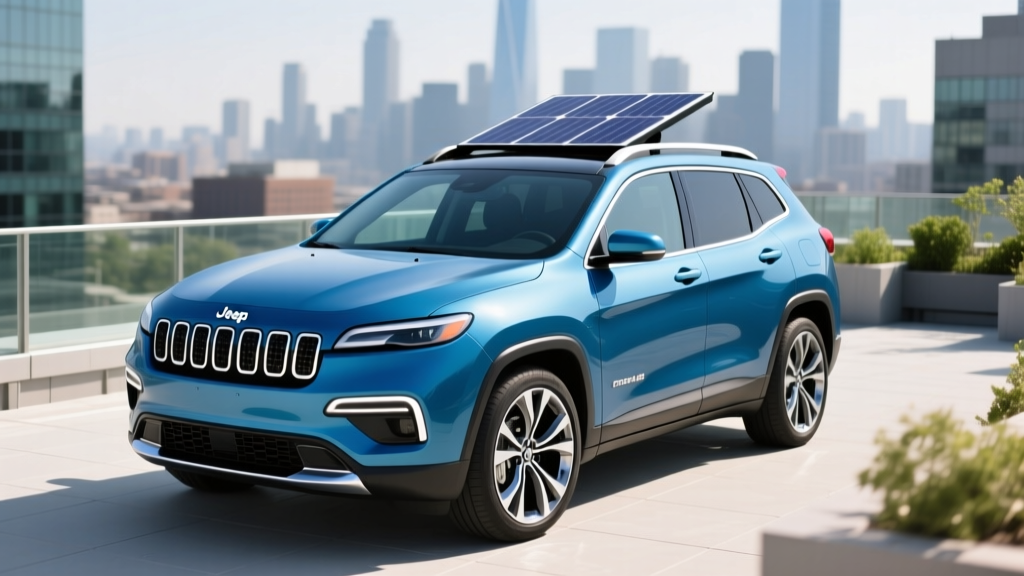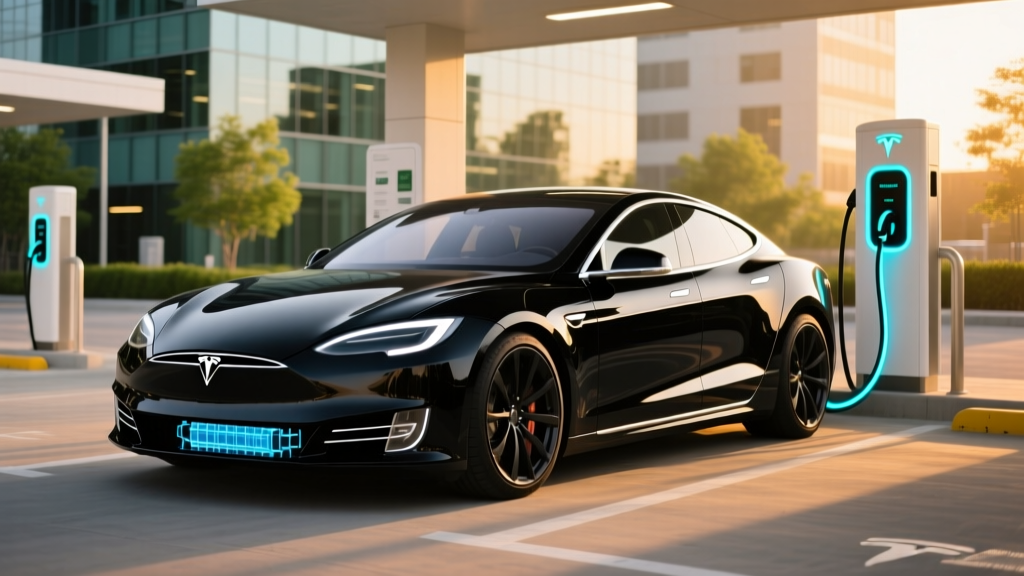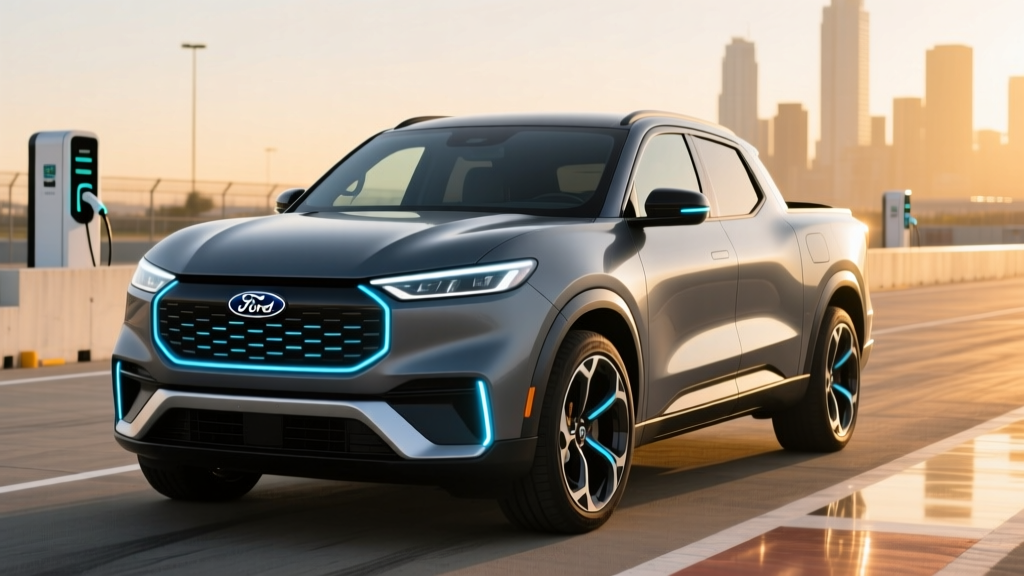
If you've been searching for a Ford $30,000 EV truck, you're not alone — it's one of the most anticipated price points in the electric pickup segment. Here's the direct answer: as of the 2026 model year, Ford has not officially released a battery-electric Maverick at any price. The compact Maverick lineup currently offers a standard hybrid (HEV) and an EcoBoost gas powertrain. However, Ford has signaled a next-generation Maverick EV is in development, and industry projections place its base MSRP in the $30,000–$35,000 range before incentives. When you factor in the federal §30D tax credit (up to $7,500 at point of sale for eligible buyers) and potential state incentives, an effective price near $25,000–$28,000 is mathematically possible — but only if battery sourcing and MSRP cap requirements are met.
Until Ford confirms specs, let's ground this in what we know: the current Maverick Hybrid's pricing, the economics of compact EV trucks already on the road, and the real ownership math that determines whether a $30K electric pickup is actually a deal.
Where the Ford Maverick EV Stands Right Now
Ford CEO Jim Farley confirmed in late 2024 that a next-generation electric platform is being developed for compact vehicles, widely interpreted as underpinning a future Maverick EV. As of early 2026, Ford has not published official EPA range, battery capacity, or pricing for a Maverick EV. Any figures circulating are projections based on Ford's stated goal of offering EVs at price parity with internal combustion models.
For context, here's where the current Maverick lineup sits:
| 2026 Maverick Trim | Powertrain | Base MSRP | EPA Combined MPG / MPGe |
|---|---|---|---|
| XL Hybrid | 2.5L HEV (FWD) | ~$27,995 | 42 MPG combined |
| XLT EcoBoost | 2.0L Turbo (AWD) | ~$30,490 | 26 MPG combined |
| Lariat Hybrid | 2.5L HEV (FWD) | ~$34,500 | 42 MPG combined |
A future Maverick EV would need to undercut or match these prices to compete — a tall order given that battery packs alone can add $8,000–$12,000 in cost compared to a conventional powertrain. Ford's strategy likely involves a smaller battery (estimated 55–65 kWh usable) targeting 230–270 miles of EPA range to keep the MSRP near $30,000.
EV Truck vs. Gas Truck vs. Hybrid: The Real Cost Comparison
Let's compare what a hypothetical $30,000 Maverick EV would cost to own against the current Maverick Hybrid and a mid-size gas truck over five years and 75,000 miles. This is where the math either works or doesn't.
| Cost Factor (5 yr / 75K mi) | Maverick EV (projected) | Maverick Hybrid (HEV) | Gas Mid-Size Truck (22 MPG avg) |
|---|---|---|---|
| Purchase Price (MSRP) | $32,000 (est.) | $27,995 | $32,000 |
| Federal Tax Credit | −$7,500 (if eligible) | $0 | $0 |
| Effective Purchase Price | $24,500 | $27,995 | $32,000 |
| Fuel / Energy Cost | $2,800 (home charging @ $0.14/kWh) | $5,350 ($3.50/gal, 42 MPG) | $11,930 ($3.50/gal, 22 MPG) |
| Maintenance | $1,200 | $2,800 | $3,500 |
| Insurance (avg) | $7,500 | $6,200 | $6,000 |
| 5-Year Total Cost | $36,000 | $42,345 | $53,430 |
The EV wins on total cost — but only if you qualify for the full §30D credit and charge primarily at home. Public DC fast charging at $0.35–$0.50/kWh would push the EV's energy cost closer to $5,000–$6,500 over five years, narrowing the gap with the hybrid significantly. This is the single biggest variable most buyers overlook.
Charging Reality: What a Compact EV Truck Owner Actually Faces
If Ford targets a 60 kWh usable battery for the Maverick EV, here's what charging looks like across the three levels. Note: kW is the rate of power delivery (how fast you charge); kWh is the total energy stored in the battery (how far you can go).
| Charging Level | Power (kW) | Miles Added per Hour | Full Charge Time (0–100%) |
|---|---|---|---|
| Level 1 (120V outlet) | 1.4 kW | ~4–5 mi/hr | ~42 hours |
| Level 2 (240V home charger) | 7.7–11.5 kW | ~25–38 mi/hr | ~6–8 hours |
| DC Fast Charge (projected) | ~115–150 kW peak | ~180–230 mi/hr (peak) | 10–80% in ~28–35 min |
A compact EV truck with a ~60 kWh battery will likely peak around 115–150 kW on DC fast charging. That's adequate for road trips but slower than larger-platform EVs like the F-150 Lightning (which peaks at ~230 kW with its extended-range pack). Expect the charge curve to taper significantly above 80% state of charge (SoC) — the last 20% can take as long as the first 80%. For daily driving, Level 2 home charging is the practical backbone: plug in overnight, wake up with a full battery every morning.
Home charging installation typically costs $800–$2,500 for a 240V/48A hardwired Level 2 charger, assuming your electrical panel has capacity. If you need a panel upgrade from 100A to 200A service, add $1,500–$3,000. This upfront cost is rarely included in EV purchase comparisons but is a real barrier for some buyers.
The §30D Tax Credit: Who Actually Qualifies?
The federal clean vehicle credit under IRS §30D can reduce your effective purchase price by up to $7,500 — transferred to the dealer at point of sale as of 2024 onward. But eligibility is not automatic. Here's what must align:
- MSRP Cap: Trucks, vans, and SUVs must have an MSRP ≤ $80,000. A $30K Maverick EV clears this easily.
- Buyer Income Cap: Adjusted gross income must not exceed $150,000 (single), $225,000 (head of household), or $300,000 (joint filers).
- Battery Sourcing: A percentage of critical minerals and battery components must be sourced from the US or free-trade-agreement countries. These thresholds increase annually — by 2026, 80% of critical minerals and 100% of battery components must qualify, or the credit is reduced or eliminated.
- Final Assembly: Vehicle must be assembled in North America (Ford's US/Mexico plants qualify).
- Point-of-Sale Transfer: You can apply the credit as a down-payment reduction at the dealer rather than waiting to claim it on your tax return.
The battery-sourcing requirement is the wildcard. If Ford's battery supplier (likely SK On or CATL depending on the platform) cannot meet the 2026 critical-mineral thresholds, the credit may be reduced to $3,750 or zero. Always verify eligibility at fueleconomy.gov before purchasing.
Real-World Range: What the EPA Sticker Won't Tell You
If the Maverick EV targets 250 miles EPA with a ~60 kWh battery, expect real-world results to vary considerably based on conditions:
Real-World Expectations:
• Mild weather, mixed driving: ~220–240 miles
• Highway-only at 75 mph: ~190–210 miles (aerodynamic drag hits trucks hard)
• Cold weather (below 32°F): ~160–190 miles (battery chemistry loses 20–35% capacity without a heat pump)
• Towing or heavy payload: ~140–170 miles (expect 40–50% range reduction under load)
This is the honest math that EV marketing glosses over. A compact truck with a modest battery will see significant range compression on highways and in cold climates. If your daily commute is under 60 miles round-trip and you can charge at home, this is a non-issue. If you regularly drive 200+ miles in winter or tow frequently, a PHEV or hybrid may be more practical until battery energy density improves.
Common Misconceptions About a $30,000 EV Truck
| Myth | Fact |
|---|---|
| "A $30K EV truck means I'll save money no matter what." | Savings depend on home charging access, electricity rates, annual mileage, and tax credit eligibility. Without home charging, public DC fast charging can cost as much as gas per mile. |
| "EV batteries need replacement every few years." | Modern LFP and NMC batteries are warrantied for 8 years/100,000 miles (federally mandated minimum). Real-world degradation data shows most packs retain 85–90% capacity at 100K miles. |
| "The $7,500 tax credit applies to everyone." | Income caps, MSRP caps, and battery-sourcing rules apply. Many EVs lose partial or full credit eligibility as sourcing thresholds tighten annually. Verify on IRS.gov before purchasing. |
| "A small EV truck can tow just like a gas truck." | Towing capacity may be comparable on paper, but towing range drops dramatically — expect a 40–50% range reduction. A 250-mile EV towing a trailer may only manage 130–150 miles between charges. |
| "I can charge on any standard outlet quickly." | Level 1 (120V) adds only 4–5 miles per hour — adequate only if you drive under 30 miles daily. Most EV owners need a Level 2 (240V) home installation for practical daily use. |
Decision Framework: Is a Budget EV Truck Right for You?
- You have reliable Level 2 home charging (garage or driveway with 240V access)
- Your daily driving is under 80 miles round-trip
- You live in a mild-to-moderate climate (or your EV has a heat pump)
- You qualify for the §30D credit (income under caps, vehicle meets sourcing rules)
- You rarely tow more than 1,500 lbs or drive 300+ miles in a single day
Choose a hybrid truck (Maverick HEV) instead if:
- You lack home charging access (apartment, street parking)
- You regularly tow 2,000+ lbs or take long road trips in winter
- You live in a region with sparse DC fast-charging infrastructure
- You want to avoid the $800–$3,000 home charging installation cost
- Your income exceeds §30D caps, eliminating the EV price advantage
Wait and reassess if:
- Ford hasn't confirmed Maverick EV pricing or battery-sourcing compliance
- You need a truck now — the Maverick Hybrid at ~$28K with 42 MPG is an excellent interim choice
What First-Time EV Truck Buyers Should Know
If a budget Ford EV truck becomes your first electric vehicle, prepare for these ownership realities:
1. Insurance costs 15–25% more. EVs carry higher repair costs (specialized body shops, battery safety protocols), and insurers price accordingly. Get quotes before purchasing — a $30K truck might cost $150–$180/month to insure depending on your profile.
2. Tire wear accelerates. EVs are heavier and deliver instant torque. Expect to replace tires every 25,000–35,000 miles instead of 40,000–50,000. Budget $800–$1,200 for a set of EV-rated all-season tires.
3. Preconditioning matters. If your EV truck has a heat pump and battery preconditioning, use it. Warming the battery before DC fast charging in cold weather can cut your 10–80% charge time by 30–40%. Most EVs precondition automatically when you navigate to a charger — but only if you use the built-in navigation.
4. Depreciation is still uncertain. Early EVs depreciated faster than gas cars due to rapid tech advancement and battery concerns. As the market matures, this gap is narrowing — but a budget EV truck's resale value in 5 years is harder to predict than a proven hybrid's. According to IIHS and industry data, mainstream EVs from established automakers are holding value better than early luxury EVs.
5. The frunk is a real advantage. Without an engine, compact EV trucks gain a front trunk (frunk) — typically 5–8 cubic feet of lockable, weatherproof storage. It's a practical differentiator vs. gas trucks in the same size class.
Frequently Asked Questions
Has Ford officially announced a Maverick EV with a $30,000 price?
No. As of early 2026, Ford has confirmed an electric compact vehicle platform is in development but has not published Maverick EV pricing, range, or a release date. The $30,000 figure is an industry projection based on Ford's stated price-parity goals and competitive positioning against the Maverick Hybrid.
Would a $30,000 Maverick EV qualify for the $7,500 federal tax credit?
It depends on battery sourcing compliance at the time of purchase. The MSRP cap ($80K for trucks) and North American assembly requirement would be met. But the critical-mineral and battery-component sourcing thresholds are strict and tighten annually. Check the latest eligibility list at fueleconomy.gov before relying on the credit.
How does a compact EV truck compare to the F-150 Lightning?
The F-150 Lightning starts around $55,000, offers 240–320 miles of EPA range, peaks at ~230 kW DC fast charging, and can tow up to 10,000 lbs. A Maverick EV would be smaller, lighter, less expensive, with lower range and towing capacity — think of it as an urban/suburban electric truck vs. a full-size work truck.
Can I charge a Maverick EV on a regular household outlet?
Yes, but slowly. A standard 120V outlet (Level 1) delivers about 1.4 kW, adding roughly 4–5 miles of range per hour. If you drive 30 miles daily and plug in for 10 hours overnight, you'll recover enough. For anything more, a 240V Level 2 home charger ($800–$2,500 installed) is strongly recommended.
What battery chemistry would a budget Ford EV truck use?
At a $30,000 price point, Ford would likely use LFP (lithium iron phosphate) chemistry to control costs. LFP batteries are cheaper to produce, have longer cycle life, and tolerate daily 100% charging better than NMC — but they offer lower energy density (heavier for the same kWh) and worse cold-weather performance. This trade-off is acceptable in a compact truck where weight and space are less constrained than in a sedan.