The Bottom Line on a Ford $30,000 EV Truck
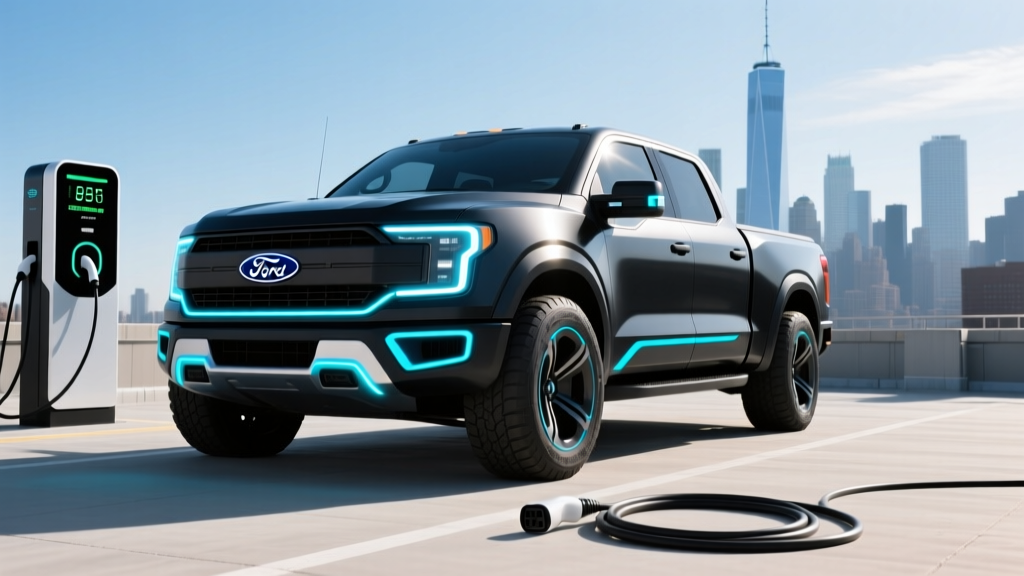
As of 2026, Ford does not sell a $30,000 electric truck. The most affordable new F-150 Lightning starts around $54,995 (base Pro trim, fleet-oriented). Ford's upcoming next-generation midsize electric pickup, built on a universal EV platform, has been announced for a ~$30,000 starting MSRP, but production is not expected before late 2027 at the earliest. If you need an electric truck near $30,000 today, your realistic options are the used F-150 Lightning market (depreciated Pro trims dipping into the mid-$30K range) or the base Chevrolet Silverado EV Work Truck at roughly $49,900. For true budget electrified trucking, a plug-in hybrid like the Ford Maverick Hybrid remains the most accessible path under $30,000.
Where the Ford $30,000 EV Truck Rumor Comes From
Ford CEO Jim Farley confirmed in 2024 that the company is developing a smaller, more affordable electric pickup on its new "universal" EV platform — a flexible architecture designed to slash battery and manufacturing costs. The stated goal is a starting price near $30,000, which would undercut every full-size electric truck on the market by a wide margin. This vehicle would be smaller than the F-150 Lightning, likely slotting between the Maverick and the Ranger in Ford's truck lineup.
However, several realities temper expectations:
- Timeline: Ford has pushed back its universal-platform vehicle launches. The first product on this architecture is expected to be a midsize pickup, but Ford has not committed to a firm on-sale date before 2027.
- Trim reality: A $30,000 MSRP almost certainly means a bare-bones base trim — single motor, standard-range battery, minimal tech. Historically, the volume trims that most buyers want land $8,000–$15,000 above the advertised floor price.
- Battery cost curve: Even with LFP (lithium iron phosphate) chemistry and simplified manufacturing, a truck with useful range (250+ miles EPA) and towing capacity requires a battery pack in the 75–90 kWh range, which remains a significant cost driver.
Current Electric Truck Pricing: The 2026 Reality
If you're shopping for an electric pickup today, here is where the market actually sits. These are manufacturer-confirmed MSRPs for the 2026 model year.
| Model | Base Trim | Starting MSRP | EPA Range | Battery (kWh) | Max DC Charge (kW) |
|---|---|---|---|---|---|
| Ford F-150 Lightning | Pro (Std Range) | $54,995 | 240 mi | 98 kWh (usable) | 150 kW |
| Ford F-150 Lightning | Pro (Ext Range) | $69,995 | 320 mi | 131 kWh (usable) | 150 kW |
| Chevrolet Silverado EV | 4WT | $49,900 | 360 mi | 175 kWh (usable) | 350 kW |
| Rivian R1T | Standard | $69,900 | 270 mi | 95 kWh (usable, NMC) | 200 kW |
| Tesla Cybertruck | Long Range AWD | $79,990 | 340 mi | 123 kWh (usable) | 250 kW |
Sources: Ford F-150 Lightning specs, fueleconomy.gov. Pricing excludes destination. Verify current MSRP with manufacturer.
The cheapest electric truck you can buy new in 2026 is the Chevrolet Silverado EV 4WT at $49,900 — still nearly $20,000 above the $30K threshold. The F-150 Lightning Pro, while marketed as a fleet work truck, starts at $54,995 for the standard-range version with 240 miles of EPA range.
The Used F-150 Lightning: Your Best Path to ~$30K
The most realistic way to own a Ford electric truck near $30,000 today is through the used market. Early 2022–2023 F-150 Lightning Pro and XLT standard-range models have depreciated significantly, with many examples trading between $32,000 and $38,000 depending on mileage and condition.
Key considerations for a used Lightning purchase:
- Battery health: Request the State of Health (SoH) readout from the dealer or via an OBD-II scan tool. Ford's battery warranty covers 8 years/100,000 miles and guarantees the pack retains at least 70% of original capacity.
- Used EV tax credit: Under IRS §25E, you may qualify for up to $4,000 (30% of the sale price, capped) on a used EV purchased from a dealer. Income limits apply: $75,000 single / $150,000 married filing jointly. The vehicle must be at least two model years old and priced at $25,000 or below to qualify for the full credit — meaning a $35,000 used Lightning would not meet the price cap. Verify current rules at IRS.gov.
- Charging speed: The Lightning's 150 kW peak DC fast-charge rate means a 10–80% session takes approximately 41 minutes on a capable charger. This is slower than the Silverado EV (350 kW, ~20 min 10–80%) and worth factoring into road-trip planning.
Electric Truck vs. Hybrid Truck: Real Cost Comparison
For buyers drawn to the idea of a $30,000 electrified truck, the Ford Maverick Hybrid is the closest current option. Starting at approximately $28,995 for the 2026 XL Hybrid FWD, it delivers 42 MPG combined (EPA) and costs dramatically less to own than any electric truck on the market. Here's how a 5-year ownership scenario compares:
| Cost Factor | F-150 Lightning Pro (New) | Maverick Hybrid XL (New) | Used F-150 Lightning Pro (2022) |
|---|---|---|---|
| Purchase Price | $54,995 | $28,995 | $35,000 |
| Federal Tax Credit | $0 (MSRP/income/sourcing limits apply; Lightning credit expired for many buyers) | $0 (HEV — not eligible) | Up to $4,000 (§25E, if price ≤$25K & income caps met) |
| Home Charger Install | $1,200–$2,500 (Level 2, 48A) | $0 | $1,200–$2,500 |
| Fuel/Energy (5 yr, 75K mi) | $3,750 (home L2, $0.13/kWh, 2.0 mi/kWh) | $7,140 (42 MPG, $3.20/gal) | $3,750 |
| Maintenance (5 yr) | $1,500 | $3,200 | $2,500 |
| Insurance (5 yr est.) | $12,000 | $7,500 | $10,000 |
| 5-Year Total | $73,445 | $46,835 | $54,950 |
Assumptions: 15,000 miles/year, national average electricity and gas rates. Insurance varies widely by driver profile and state. Tax credit eligibility is situation-dependent — consult a tax professional and review current IRS rules.
The Maverick Hybrid saves roughly $26,600 over five years compared to a new Lightning, and about $8,100 compared to a used Lightning. The EV's fuel savings are real — about $3,390 less than gas over 75,000 miles — but they don't overcome the higher purchase price and insurance premiums.
Real-World Ownership: What a First-Time EV Truck Buyer Must Know
Home Charging Is Not Optional for Most Truck Owners
Electric trucks consume more energy per mile than sedans or crossovers due to weight, frontal area, and rolling resistance. The F-150 Lightning averages about 2.0 miles per kWh (50 kWh/100mi). That means recharging 240 miles of range requires roughly 120 kWh — a massive energy transfer that makes Level 1 (120V, ~1.4 kW) charging impractical as a primary strategy. At Level 1, you'd add about 3 miles of range per hour of charging.
A Level 2 home charger (240V, 48-amp circuit) delivers about 11.5 kW and adds roughly 23 miles of range per hour. An overnight session of 10 hours restores ~230 miles — enough for most daily driving. Installation costs range from $1,200 to $2,500 for a straightforward setup, but can reach $4,000+ if your electrical panel needs an upgrade to 200 amps.
Cold Weather Cuts Truck Range Hard
Electric trucks are especially vulnerable to cold-weather range loss. The combination of battery chemistry slowdown, cabin heating demands, and increased air density (more drag) can reduce real-world range by 25–40% in sub-freezing temperatures. A Lightning rated at 240 miles EPA might deliver 150–180 miles on a 20°F winter highway commute. If you live in the northern U.S. and need reliable winter range, factor in the extended-range battery or plan for mid-route charging.
Towing Collapses Range
This is the single biggest ownership surprise for new EV truck buyers. Towing a 5,000-lb trailer with an F-150 Lightning can cut range by 40–50%. That 240-mile EPA rating drops to roughly 120–140 miles under load. For frequent towing, an electric truck requires meticulous route planning around DC fast chargers — and not all charging stations can accommodate truck-trailer combinations without unhitching.
Common Misconceptions About Budget EV Trucks
| Myth | Fact |
|---|---|
| "A $30,000 Ford EV truck is available now" | No new Ford electric truck is priced below $54,995. The announced ~$30K midsize pickup is not expected before late 2027. |
| "EV trucks cost the same to own as gas trucks" | Lower fuel and maintenance costs are real, but higher purchase price, insurance, and potential home charging installation mean total cost parity depends on your driving volume and electricity rate. |
| "I can tow just as far on a charge" | Towing cuts EV truck range by 40–50%. A 240-mile EPA truck delivers ~120 miles with a heavy trailer. |
| "Federal tax credit covers $7,500 on any EV" | §30D has strict income caps ($150K single/$300K joint), MSRP caps ($80K trucks/vans), and critical-mineral/battery-sourcing requirements. Many trucks and buyers do not qualify. Always check IRS.gov before assuming eligibility. |
| "Any outlet can charge my EV truck" | Level 1 (120V) adds ~3 miles/hour to a truck. For practical daily use, a 240V Level 2 installation is effectively required. |
Decision Framework: Should You Wait, Buy Used, or Go Hybrid?
If X, Then Y — Your Electric Truck Decision Path
- If you need a truck under $30K today and drive under 15,000 miles/year: Buy the Ford Maverick Hybrid. At ~$29K, 42 MPG combined, and no charging infrastructure needed, it is the most financially rational electrified truck you can purchase new right now.
- If you want an electric truck and can wait until 2027+: Monitor Ford's universal-platform midsize pickup announcements. If it launches near $30K with 250+ miles of range and LFP battery chemistry, it could be the best value in the segment — but availability, trim pricing, and tax-credit eligibility remain unknowns.
- If you want a full-size electric truck now and budget is flexible: The F-150 Lightning Pro at $54,995 is a capable work and family truck with 240 miles of range, a spacious frunk, and Pro Power Onboard. If you can install Level 2 at home and your daily drive is under 150 miles, it works well.
- If you want an EV truck near $30K and accept used: Shop 2022–2023 F-150 Lightning Pro and XLT standard-range models. Target $32K–$38K, verify battery SoH, and confirm whether the used EV credit (§25E) applies given the $25,000 sale-price cap.
- If you tow frequently or live in a charging desert: A hybrid truck (Maverick Hybrid, F-150 PowerBoost Hybrid) is a more practical choice. EV trucks lose half their range under tow, and rural charging infrastructure remains sparse in many regions.
Frequently Asked Questions
Will Ford actually release a $30,000 electric truck?
Ford has confirmed development of a smaller, affordable EV on its universal platform with a target price near $30,000. However, production timing is uncertain (late 2027 or later), and the base trim will likely be very sparsely equipped. Real-world volume trims will cost significantly more.
Does the F-150 Lightning qualify for the $7,500 federal tax credit?
Eligibility under §30D depends on your income, the vehicle's battery sourcing compliance, and MSRP caps. The Lightning qualifies as a truck (MSRP cap: $80,000), but critical-mineral and battery-component sourcing requirements change annually. Check the latest eligible vehicle list at fueleconomy.gov and consult a tax professional.
How much does it cost to charge an F-150 Lightning at home?
A full charge of the 98 kWh standard-range battery at the national average electricity rate of $0.16/kWh costs about $15.68. That provides roughly 240 miles of EPA-rated range, or about $0.065 per mile — compared to roughly $0.14 per mile for a gas F-150 at 20 MPG and $3.50/gallon.
Is an electric truck practical without home charging?
For most owners, no. Public DC fast charging costs $0.30–$0.50/kWh (comparable to or more expensive than gas per mile), takes 30–45 minutes per session, and requires detours. Apartment dwellers or those without garage access should strongly consider a hybrid instead, or confirm reliable workplace or public Level 2 access before committing to an EV truck.
What battery chemistry will the budget Ford EV truck use?
Ford's universal platform is expected to use LFP (lithium iron phosphate) chemistry to reduce costs. LFP offers excellent cycle life and safety, tolerates regular 100% charging, and avoids expensive cobalt and nickel. The trade-off is lower energy density, meaning the pack will be heavier for a given range — a factor that matters in a truck where payload and towing capacity are critical.