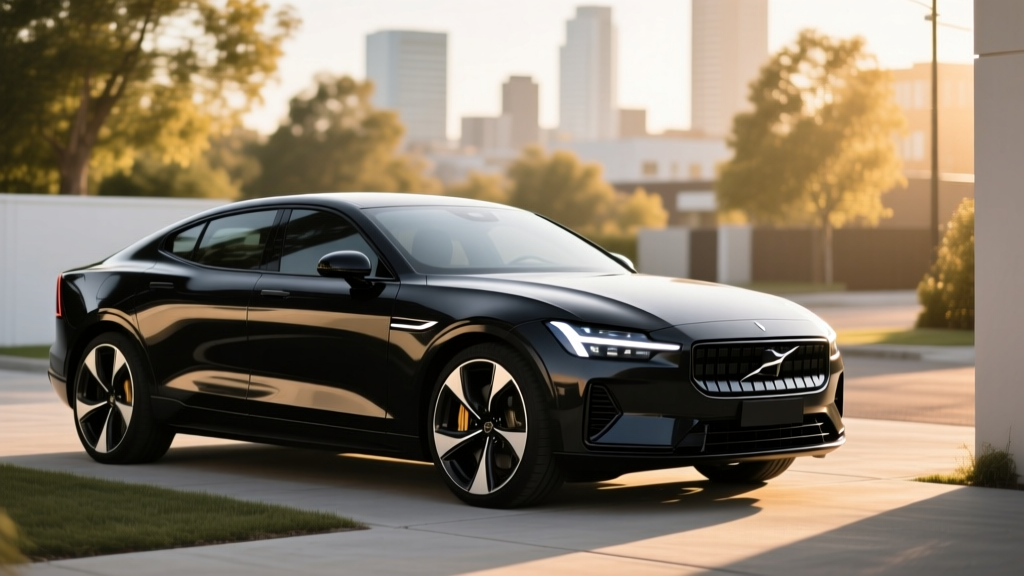
The Fisker Ocean arrived with ambitious promises: class-leading range, a solar-roof gimmick, and a starting price that undercut the Tesla Model Y. Then Fisker Inc. filed for Chapter 11 bankruptcy in June 2024, halting production and leaving early adopters with orphaned vehicles, dwindling support, and uncertain software futures. As of 2026, the Fisker Ocean exists only on the used market — no new units are being built, and the company's assets were liquidated. This review evaluates the Ocean's engineering merits against the stark realities of owning a vehicle from a defunct manufacturer.
Fisker Ocean Specs at a Glance
| Specification | Ocean Sport (Base) | Ocean Ultra / Extreme |
|---|---|---|
| EPA Range | 250 miles | 360 miles |
| Battery Capacity (usable) | ~75 kWh (LFP) | ~113 kWh (NMC) |
| Battery Chemistry | Lithium Iron Phosphate (LFP) | Nickel Manganese Cobalt (NMC) |
| Drivetrain | Single-motor FWD | Dual-motor AWD |
| Horsepower | 275 hp | 548 hp |
| 0–60 mph | 6.9 seconds | 3.7 seconds |
| Max DC Fast Charge Rate | ~175 kW | ~250 kW |
| 10–80% DC Charge Time | ~33 minutes | ~30 minutes |
| Level 2 Home Charge Rate | 10.5 kW | 10.5 kW |
| Efficiency (MPGe) | ~100 MPGe combined | ~88 MPGe combined |
| Cargo Volume (rear seats up) | 32.5 cu ft | 32.5 cu ft |
| Cargo Volume (rear seats folded) | ~65 cu ft | ~65 cu ft |
| Base MSRP (when new) | $37,499 | $61,499 (Ultra) / $68,999 (Extreme) |
Note: MSRP figures reflect original pricing before Fisker's collapse. Used-market pricing in 2026 varies significantly based on condition, mileage, and buyer risk tolerance. See the EPA's fueleconomy.gov listing for official efficiency data.
Battery, Range, and Efficiency
Fisker sourced two distinct battery packs for the Ocean. The base Sport used a CATL-supplied LFP (lithium iron phosphate) pack with approximately 75 kWh of usable capacity. LFP chemistry offers advantages in cycle life and thermal stability — it degrades more slowly over thousands of charge cycles and is less prone to thermal runaway. The trade-off is lower energy density, which is why the Sport's range tops out at 250 EPA miles despite a relatively heavy pack.
The Ultra and Extreme trims received a 113 kWh NMC (nickel manganese cobalt) pack from CATL, delivering the headline 360-mile EPA figure. NMC chemistry provides higher energy density but typically degrades faster than LFP over time, particularly if routinely charged to 100% or exposed to extreme heat. For a 2024 model-year vehicle purchased used in 2026, expect some degradation — likely 3–6% depending on charging habits and climate, based on typical NMC curves observed in similar large-pack EVs.
Efficiency varies sharply by trim. The single-motor Sport achieves roughly 100 MPGe combined (about 33 kWh/100mi), which is competitive for its class. The dual-motor Ultra/Extreme, with its 548 hp and heavier drivetrain, drops to approximately 88 MPGe combined (about 38 kWh/100mi) — thirsty by EV standards, a consequence of the large battery and performance tuning.
Charging Speed: DC Fast and Home Level 2
| Charging Level | Power / Rate | Ocean Sport | Ocean Ultra / Extreme |
|---|---|---|---|
| Level 1 (120V household) | ~1.4 kW | ~3–4 mi/hr | ~3–4 mi/hr |
| Level 2 (240V home) | 10.5 kW | ~28 mi/hr | ~25 mi/hr |
| DC Fast Charge (peak) | 175 kW (Sport) / 250 kW (Ultra) | 10–80% in ~33 min | 10–80% in ~30 min |
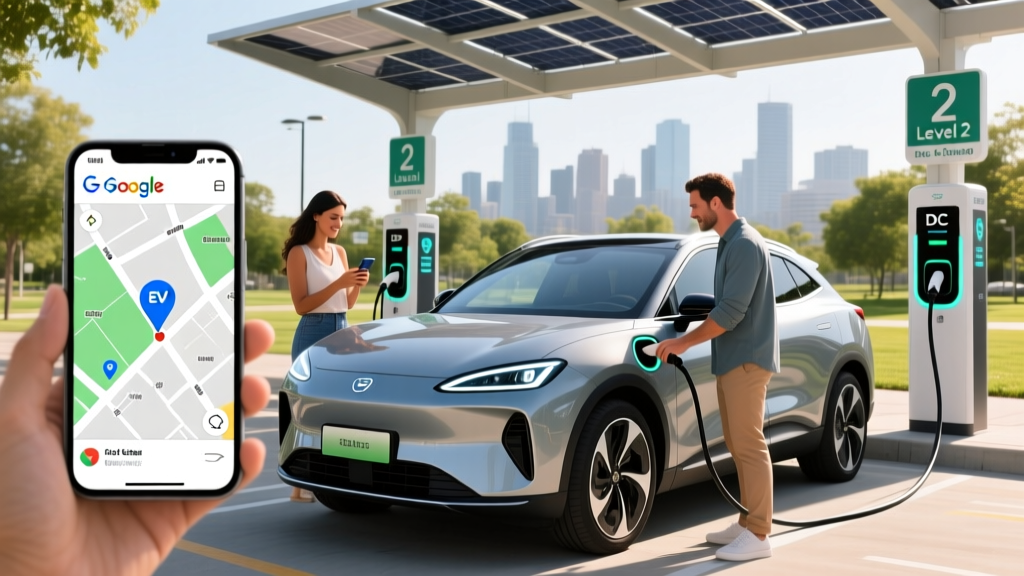
The Ocean's DC fast-charging performance is adequate but not class-leading. The Ultra/Extreme's 250 kW peak rate sounds competitive, but real-world charging curves tell a more nuanced story. Like most EVs, the Ocean cannot sustain peak kW for the entire session. The charge rate tapers significantly above 60% state of charge (SoC), and thermal management in the large 113 kWh pack can cause further slowdowns on consecutive fast-charge sessions without adequate cool-down. Expect an average charging rate closer to 130–150 kW across a 10–80% session.
At home on a Level 2 charger (10.5 kW / 48A), a full charge from 10% takes roughly 10–11 hours for the large pack — plan for overnight charging. The Ocean uses a CCS1 connector for DC fast charging in North America, which is compatible with Electrify America, EVgo, and most non-Tesla networks. It does not natively support NACS (Tesla's connector), though CCS-to-NACS adapters are available.
A critical ownership concern post-bankruptcy: charging network access works fine since it's handled by third-party networks, not Fisker's proprietary systems. However, the vehicle's built-in navigation and charger-routing software may no longer receive updates, potentially affecting trip planning accuracy over time.
Performance and Driving Dynamics
The Ocean Extreme's 3.7-second 0–60 mph time is genuinely quick, placing it in Tesla Model Y Performance territory. The dual-motor AWD system provides confident traction, and the 548 hp output delivers effortless highway passing. The single-motor Sport's 6.9-second 0–60 time is more relaxed but adequate for daily commuting.
Ride quality drew mixed reviews during the Ocean's brief production run. The suspension tuning leans firm, particularly on the 22-inch wheels standard on the Extreme trim. Road noise isolation was criticized by several reviewers as subpar for the price point. The steering is precise but lacks feedback — common in EVs with heavy front ends.
One unique feature: the Ocean Extreme included a "California Mode" that opens all windows and the rear hatch glass simultaneously with a single button press — a party trick, but one that won't function if Fisker's cloud servers are eventually decommissioned and the vehicle's software depends on them.
Interior, Cargo, and Technology
The Ocean's cabin uses recycled and vegan materials throughout, aligning with Fisker's sustainability branding. Build quality on early-production units was inconsistent — panel gaps, squeaks, and trim misalignment were common complaints from 2023–2024 owners. Later units showed improvement, but the short production run means most examples on the used market are from the rougher early batches.
Cargo space is generous at 32.5 cubic feet behind the rear seats and approximately 65 cubic feet with the seats folded, competitive with the Model Y and Hyundai Ioniq 5. There is no front trunk (frunk), a missed opportunity in a vehicle with a single-motor FWD option.
The 17.1-inch rotating center touchscreen is the cabin's centerpiece, toggling between portrait and landscape orientations. It runs a custom Android-based OS. Here's the bankruptcy problem: infotainment bugs were widespread at launch, and Fisker had planned OTA (over-the-air) updates to address them. With the company defunct, those fixes may never arrive. Early owners reported issues with Bluetooth connectivity, navigation accuracy, and phantom screen freezes. Apple CarPlay integration was added via OTA but may not be present on all units.
Driver assistance is a Level 2 SAE system called Fisker Intelligent Pilot, using cameras and radar for adaptive cruise control and lane-centering. It is not self-driving — the driver must remain engaged at all times. The system was competent but unremarkable compared to Ford BlueCruise or GM Super Cruise, and it will not receive further development.
Pricing, Tax Credits, and the Used-Market Reality
| Trim | Original MSRP | Federal §30D Credit (when eligible) | Effective Price (new) | 2026 Used Market (est.) |
|---|---|---|---|---|
| Ocean Sport | $37,499 | Up to $7,500* | ~$29,999 | $18,000–$25,000 |
| Ocean Ultra | $61,499 | Up to $7,500* | ~$53,999 | $28,000–$38,000 |
| Ocean Extreme | $68,999 | Up to $7,500* | ~$61,499 | $32,000–$45,000 |
*Federal tax credit eligibility under IRS §30D is subject to buyer income caps ($150K single / $300K joint AGI), vehicle MSRP caps ($55K for sedans, $80K for SUVs/vans/pickups), and battery critical-mineral and component sourcing requirements. The Ocean Sport's MSRP fell under the SUV cap; Ultra and Extreme trims exceeded the $80K threshold when equipped with options, potentially disqualifying them. The used EV credit (§25E) offers up to $4,000 for qualifying pre-owned EVs priced under $25,000 — some Ocean Sport examples may qualify depending on dealer pricing and buyer income.
The bankruptcy has cratered resale values. A 2024 Ocean Extreme that stickered near $69,000 can now be found for $32,000–$45,000 on the used market, representing massive depreciation. This creates a tempting value proposition — but buyers must weigh the discount against orphan-vehicle risks.
Warranty and Long-Term Ownership Risks
Fisker originally offered a 6-year/60,000-mile bumper-to-bumper warranty and an 8-year/100,000-mile battery and powertrain warranty. With the company in liquidation, these warranties are effectively unenforceable. There is no authorized service network, no parts supply chain, and no entity processing warranty claims.
This is the single largest risk factor for prospective buyers. If the 113 kWh NMC battery fails out of warranty (or the warranty is void), replacement costs for a pack this size typically range from $15,000 to $25,000 at independent shops — assuming a compatible replacement can even be sourced from CATL or a salvage unit.
Body panels, trim pieces, and proprietary components (like the solar roof on the Extreme trim) are already difficult to replace. Collision repair may require cannibalizing other Ocean vehicles. Insurance companies are aware of these risks, and premiums may reflect them — get quotes before purchasing.
- Class-leading 360-mile EPA range (Extreme/Ultra)
- Striking design with sustainable materials
- Spacious cargo area (32.5 cu ft / ~65 cu ft folded)
- Strong dual-motor performance (3.7s 0–60)
- Steep used-market discounts due to bankruptcy
- LFP battery option (Sport) offers excellent longevity
- Fisker Inc. is defunct — no warranty support, no parts pipeline
- Software bugs may never be patched via OTA
- Early-production build quality was inconsistent
- No frunk on any trim
- Firm ride and road noise on large wheels
- Battery replacement cost risk ($15K–$25K) with no dealer network
- Insurance may be expensive or difficult to obtain
Who Should (and Shouldn't) Consider the Fisker Ocean
This EV may suit you if: You're a risk-tolerant buyer who values design and range above long-term support certainty. You have access to independent EV mechanics, can self-insure against major repair costs, and are comfortable with software that may never improve. The Ocean Sport with its LFP battery is the lower-risk pick — LFP chemistry degrades slowly, reducing the likelihood of a costly battery replacement.
Look elsewhere if: You need reliable warranty coverage, dealer service access, OTA software improvements, or predictable resale value. Families who depend on a single vehicle should avoid orphan cars. If you drive in extreme cold regularly, the NMC pack's range loss (potentially 30% below 30°F) makes the 360-mile sticker figure less impressive.
Key competitors to cross-shop on the used market include the Hyundai Ioniq 5 (full dealer support, 800V fast charging, 303-mile EPA range), the Tesla Model Y (Supercharger network, OTA updates, strong resale), and the Ford Mustang Mach-E (BlueCruise, dealer network, 312-mile extended-range EPA). All three carry manufacturer backing that the Ocean cannot match.
Frequently Asked Questions
What is the real-world range of the Fisker Ocean?
The EPA rates the Ocean Ultra and Extreme at 360 miles, but real-world highway driving at 70 mph yields approximately 280–310 miles. In cold weather (below 30°F), expect 250–290 miles. The base Sport's 250-mile EPA rating translates to roughly 200–220 miles on the highway.
How fast does the Fisker Ocean charge?
On DC fast charging, the Ultra/Extreme peaks at 250 kW and reaches 10–80% in approximately 30 minutes, though the average rate across the session is closer to 130–150 kW due to charge-curve taper. The Sport peaks at ~175 kW with a 10–80% time of about 33 minutes. At home on Level 2 (10.5 kW), a full charge takes roughly 10–11 hours for the large pack.
Does the Fisker Ocean qualify for the federal EV tax credit?
When purchased new, eligibility under IRS §30D depended on MSRP caps ($80K for SUVs), buyer income limits ($150K single / $300K joint), and battery-sourcing requirements. The Sport's base MSRP qualified; higher trims with options could exceed the cap. On the used market, the §25E used-EV credit offers up to $4,000 for vehicles priced under $25,000, subject to income limits. Consult a tax professional or IRS guidance for your specific eligibility.
Is the Fisker Ocean worth buying in 2026?
It depends on your risk tolerance. The used-market discounts are substantial — an Extreme for under $40K is a lot of range and performance for the money. But with no manufacturer support, unenforceable warranties, uncertain software updates, and a thin parts supply, the Ocean is a speculative purchase. Buyers who need reliability and service infrastructure should choose a supported model from Hyundai, Tesla, or Ford.
What are the biggest problems with the Fisker Ocean?
The top concerns are: (1) no warranty enforcement due to Fisker's bankruptcy, (2) unresolved software bugs that may never be patched, (3) inconsistent build quality on early-production units, (4) expensive battery replacement risk ($15K–$25K) with no authorized service network, and (5) difficulty sourcing proprietary body and trim parts after collision damage.
Can I still get a Fisker Ocean serviced?
There is no authorized Fisker service network. Owners must rely on independent EV mechanics or general automotive shops willing to work on an orphan vehicle. Routine maintenance (tire rotation, cabin air filter, brake fluid) is straightforward. High-voltage battery or powertrain repairs require specialized EV technicians and may be difficult to arrange depending on your region.
Sources: EPA fueleconomy.gov for official range and efficiency data; IRS §30D and §25E tax credit guidance; NHTSA safety filings. Used-market pricing estimates based on major listing platforms as of early 2026.