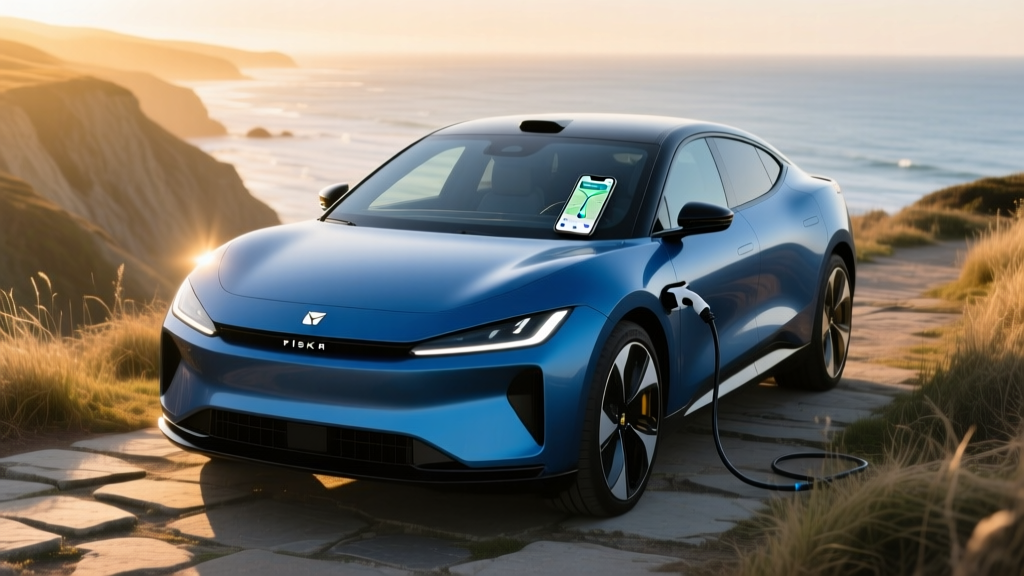
The Fisker Ocean in 2026: A Cautionary EV Profile
The Fisker Ocean launched with bold promises: 350+ miles of EPA range, a solar roof, sustainable materials, and aggressive pricing. But the story of the Fisker Ocean is also a case study in what can go wrong when a startup prioritizes design ambition over software execution. Fisker Inc. filed for bankruptcy in mid-2024, leaving thousands of owners navigating Fisker EV connectivity issues, orphaned software, and uncertain long-term support.
This review examines the Fisker Ocean as it exists today for prospective used-EV buyers, current owners evaluating their options, and anyone researching the risks of buying from a defunct automaker. We cover the hard specs—range, charging, performance—alongside the connectivity and software realities that define ownership in 2026.
Range, Battery, and Real-World Efficiency
| Specification | Fisker Ocean Sport (FWD) | Fisker Ocean Ultra / Extreme (AWD) |
|---|---|---|
| EPA Range | 250 miles | 360 miles (Extreme) / 340 miles (Ultra) |
| Battery Capacity (Usable) | ~80 kWh (LFP) | ~113 kWh (NMC) |
| Battery Chemistry | LFP (Lithium Iron Phosphate) | NMC (Nickel Manganese Cobalt) |
| MPGe (Combined) | ~97 MPGe | ~95 MPGe |
| kWh / 100 miles | ~35 kWh | ~35-36 kWh |
| Drivetrain | Single-motor FWD | Dual-motor AWD |
The LFP chemistry in the Sport trim offers advantages in longevity and thermal stability, with less degradation over thousands of cycles compared to NMC. However, LFP batteries have lower energy density, which explains the shorter range despite a still-sizable 80 kWh pack. The NMC pack in the Ultra and Extreme delivers exceptional range but requires more careful state-of-charge management—Fisker recommended daily charging to 80% for NMC longevity, reserving 100% for road trips.
Charging Speeds: DC Fast Charging and Home Level 2
| Charging Method | Power / Rate | Time / Range Added |
|---|---|---|
| DC Fast Charge (Peak) | ~175 kW (Sport) / ~250 kW (Ultra/Extreme) | 10–80% in ~33 min (Sport) / ~30 min (Ultra/Extreme) |
| DC Fast Charge (Sustained Avg) | ~90–110 kW average through curve | Expect 35–40 min real-world 10–80% |
| Level 2 Home Charging (240V, 48A) | ~11.5 kW | ~30–35 miles of range per hour |
| Level 1 (120V Standard Outlet) | ~1.4 kW | ~4–5 miles per hour |
The Fisker Ocean's DC fast-charging capability is adequate but not class-leading. The peak 250 kW rate on Ultra/Extreme trims sounds competitive, but the charge curve tapers significantly above 60% state of charge, and sustained rates through the 10–80% window average closer to 100 kW. This means actual charging stops on road trips take 35–40 minutes, not the 30 minutes a peak rate might suggest.
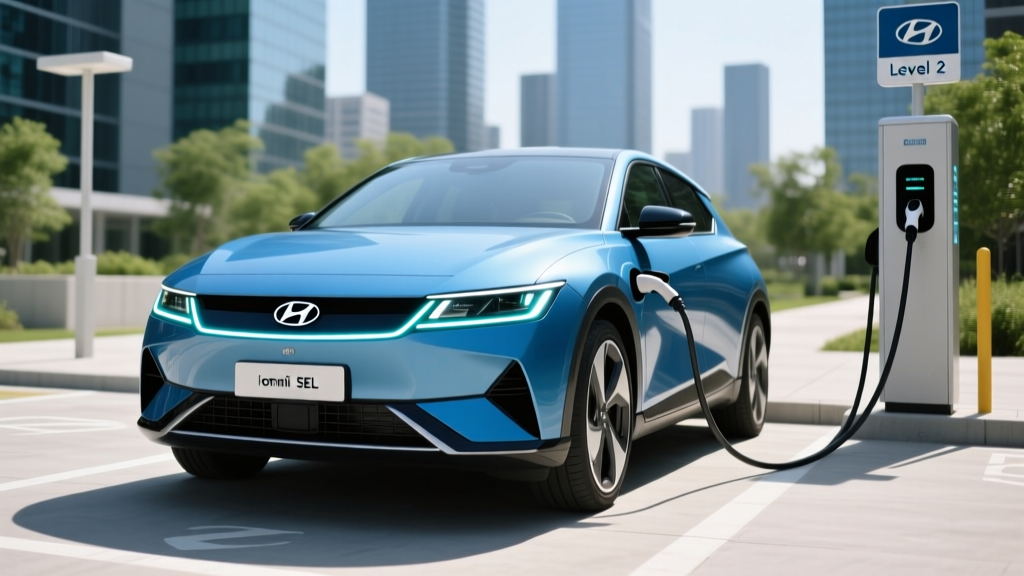
Home Level 2 charging at 11.5 kW is straightforward—a full overnight charge from 10% to 100% takes roughly 10 hours for the large battery. This is standard for the segment and works well for daily commuting. The Ocean uses a CCS1 connector, which in 2026 means you'll need a NACS adapter for Tesla Supercharger access, as the industry has largely migrated to NACS.
Performance and Driving Dynamics
| Trim | 0–60 mph | Horsepower | Drivetrain |
|---|---|---|---|
| Ocean Sport | ~6.9 seconds | 275 hp | Rear-wheel drive (single motor) |
| Ocean Ultra | ~3.7 seconds | 540 hp | AWD (dual motor) |
| Ocean Extreme | ~3.7 seconds | 550 hp | AWD (dual motor) |
The dual-motor AWD Ocean delivers genuine sports-SUV acceleration. The 3.7-second 0–60 time is brisk and competitive with the Tesla Model Y Performance and Ford Mustang Mach-E GT. The single-motor Sport is adequate for commuting but noticeably less urgent—this is a heavy vehicle, and 275 hp has to work harder to move it.
Ride quality was a highlight in early reviews: the Ocean tuned for comfort over sportiness, with compliant suspension tuning that absorbed rough pavement well. However, some owners reported software-related quirks affecting regenerative braking consistency and one-pedal driving behavior—part of the broader connectivity and software challenges discussed below.
Fisker EV Connectivity Issues: What Buyers Must Know
The Fisker Ocean's most significant ownership challenge is not its battery or drivetrain hardware—it's the software stack. Fisker EV connectivity issues have been widely documented by owners and automotive media since launch, and they remain the defining concern in 2026.
Documented Connectivity and Software Problems
- OTA Update Failures: Over-the-air updates frequently failed mid-download, bricking infotainment systems or leaving vehicles in degraded modes. Some owners reported being unable to start their vehicles after a failed OTA push.
- App Connectivity Loss: The Fisker mobile app—used for remote locking, climate preconditioning, and charging status—routinely lost connection with vehicles. After Fisker's bankruptcy, cloud-server support became intermittent, rendering many app features permanently nonfunctional.
- Infotainment Freezes and Reboots: The 17.1-inch rotating "Revolve" touchscreen was prone to freezing, lagging, and spontaneous reboots, particularly when using navigation or streaming media.
- Keyless Entry Failures: Phone-as-a-key functionality was unreliable, with owners reporting being locked out of their vehicles or unable to start them due to Bluetooth handshake failures.
- Navigation and Route Planning: Built-in navigation lacked real-time traffic integration and accurate charger routing, forcing owners to rely on phone-based solutions like A Better Routeplanner or PlugShare.
The Bankruptcy Impact on Software Support
When Fisker Inc. entered bankruptcy in June 2024, the company's ability to maintain cloud infrastructure, push security patches, and develop software fixes effectively ended. As of 2026, there is no official entity providing OTA updates or connectivity support for the Fisker Ocean. This means:
- Existing software bugs remain permanently unfixed
- Server-dependent features (app connectivity, remote services) are degraded or dead
- Cybersecurity patches are not being deployed
- No new features or improvements will arrive
Pricing, Tax Credits, and Used-EV Economics
| Trim | Original MSRP (2023–2024) | Estimated Used Price (2026) | Federal Used-EV Credit (§25E) |
|---|---|---|---|
| Ocean Sport | $38,999 | $18,000–$24,000 | Up to $4,000 (30% of sale price, max $4,000) |
| Ocean Ultra | $52,999 | $25,000–$32,000 | Up to $4,000 |
| Ocean Extreme | $68,999 | $30,000–$38,000 | Up to $4,000 |
The Fisker Ocean was originally priced to undercut the Tesla Model Y and Ford Mustang Mach-E aggressively. Post-bankruptcy, used prices have collapsed—making the Ocean one of the most affordable long-range EVs on the used market.
Federal tax credit note: The original §30D new-EV credit ($7,500) is no longer applicable since Fisker is defunct and new inventory is gone. However, buyers purchasing a used Fisker Ocean from a licensed dealer may qualify for the §25E Used Clean Vehicle Credit—worth 30% of the sale price up to $4,000. Eligibility requirements include:
- Sale price must be $25,000 or less (this limits eligibility to Sport and some Ultra examples)
- Buyer income caps: $75,000 single / $112,500 head of household / $150,000 joint
- Vehicle must be purchased from a licensed dealer (not private party)
- Vehicle must be at least two model years old (all Fisker Oceans qualify)
- Credit is non-refundable but can be transferred to the dealer at point of sale as a discount
For a $20,000 used Ocean Sport bought through a dealer, the §25E credit could reduce the effective price to $16,000—remarkable value for an EV with 250 miles of range. But the connectivity risks and lack of warranty support must factor into the value equation.
Cargo Space, Interior, and Practicality
| Dimension | Fisker Ocean |
|---|---|
| Cargo Volume (Behind Rear Seats) | ~32 cu ft |
| Cargo Volume (Rear Seats Folded) | ~68 cu ft |
| Front Headroom | ~40.5 in |
| Rear Legroom | ~38.0 in |
| Frunk (Front Trunk) | Not available (no frunk) |
| Seating Capacity | 5 passengers |
The Ocean's cargo area is competitive with compact electric SUVs, though it falls short of the Tesla Model Y's ~76 cu ft maximum. The lack of a frunk is a missed opportunity for an EV platform and reduces total storage. Interior materials were a strong point—Fisker emphasized recycled and vegan materials, and the cabin design is distinctive and airy, especially with the available SolarSky roof that extends glass from windshield to tailgate.
The California Mode (power-retracting side windows and rear glass) creates an open-air experience unique in the EV SUV segment, though its practical utility is limited to fair-weather climates.
Warranty, Support, and Long-Term Ownership Risk
| Coverage | Original Terms | 2026 Status |
|---|---|---|
| Basic Vehicle Warranty | 6 years / 60,000 miles | Likely unenforceable (no active company) |
| Battery Warranty | 10 years / 100,000 miles | Likely unenforceable (no active company) |
| Powertrain Warranty | 10 years / 100,000 miles | Likely unenforceable (no active company) |
This is the most critical risk factor for any Fisker Ocean purchase. Fisker's original warranty terms were generous on paper—10-year battery coverage matched or exceeded most competitors. But with Fisker Inc. defunct, there is no entity to honor warranty claims. Battery replacement, if needed, would be entirely out-of-pocket.
An 113 kWh NMC battery pack replacement, if one could even be sourced, would likely cost $20,000–$30,000+ in 2026. LFP packs may cost somewhat less, but parts availability for an orphaned vehicle is the larger concern. Independent EV repair shops are beginning to service Fisker Oceans, but the parts supply chain remains uncertain.
Pros, Cons, and the Verdict
Pros
- Class-leading EPA range on Extreme trim (360 miles)
- Striking design with sustainable interior materials
- Strong dual-motor performance (3.7s 0–60)
- Extremely low used pricing post-bankruptcy
- LFP battery option offers long cycle life (Sport)
- Unique California Mode open-air experience
- SolarSky roof adds ~1,500 miles/year of range (in optimal conditions)
Cons
- Severe and unresolved connectivity/software issues
- No warranty support or OTA updates (company defunct)
- App-based remote features largely nonfunctional
- Parts availability uncertain for repairs
- No frunk reduces cargo versatility
- CCS1 connector requires adapter for Supercharger network
- Insurance may be difficult or expensive to obtain
- Resale value is highly uncertain
Who Should Consider the Fisker Ocean?
The Fisker Ocean in 2026 suits a very specific buyer: someone who values range and design, has home Level 2 charging, doesn't depend on app connectivity or OTA features, and is comfortable absorbing the risk of owning an orphaned vehicle with no warranty backing. It's a secondary-car candidate for tech-savvy owners who can troubleshoot issues independently and source parts through aftermarket channels.
It does not suit buyers who want reliable daily-driver dependability, active warranty coverage, functional app-based services, or strong resale value. Families depending on a single vehicle should look elsewhere.
Competitor Comparison
At comparable used pricing ($20,000–$35,000), the Fisker Ocean competes with:
- Tesla Model Y (2022–2023): Better Supercharger access, active software support, stronger parts network, but higher used pricing
- Ford Mustang Mach-E (2022–2023): Active dealer support, warranty still in effect, NACS migration, similar range
- Hyundai Ioniq 5 (2022–2023): Faster real-world charging, active warranty, dealer network, but less range
Each of these alternatives offers something the Fisker Ocean cannot: an active company standing behind the product.
Frequently Asked Questions
What is the real-world range of the Fisker Ocean?
The EPA estimates 360 miles for the Extreme trim, 340 for Ultra, and 250 for Sport. In real-world highway driving, expect 280–310 miles (Extreme/Ultra) and 190–210 miles (Sport). Cold weather reduces range by an additional 15–25%.
How fast does the Fisker Ocean charge?
DC fast charging peaks at ~250 kW (Ultra/Extreme) or ~175 kW (Sport), with 10–80% taking approximately 30–33 minutes. Real-world sustained averages are lower due to charge-curve tapering—plan for 35–40 minutes. Home Level 2 at 11.5 kW adds about 30–35 miles per hour.
Does the Fisker Ocean qualify for any federal EV tax credit?
The new-vehicle §30D credit no longer applies. However, used Ocean models purchased from a licensed dealer for $25,000 or less may qualify for the §25E Used Clean Vehicle Credit (up to $4,000), subject to buyer income caps. Consult a tax professional for eligibility specifics.
Are Fisker EV connectivity issues fixable?
Most connectivity issues are software-dependent and require Fisker's cloud infrastructure, which is no longer operational. Some infotainment issues may be resolved by independent technicians, but OTA-dependent features, app connectivity, and server-based services are effectively permanently degraded.
Is it worth buying a used Fisker Ocean in 2026?
Only if you accept significant risk. The hardware is solid and the used pricing is compelling, but the lack of warranty support, unresolved software issues, and uncertain parts supply make it suitable only as a secondary vehicle for buyers comfortable with orphaned-EV ownership.
What happens if the Fisker Ocean's battery fails?
With no active company to honor the original 10-year/100,000-mile battery warranty, replacement would be out-of-pocket. Estimated cost: $20,000–$30,000+ depending on pack size, if a replacement can be sourced at all. This is the single largest financial risk of ownership.
Can I charge a Fisker Ocean at Tesla Superchargers?
The Ocean uses a CCS1 connector. You will need a CCS-to-NACS adapter to access Tesla Superchargers, which have largely transitioned to serving NACS-equipped vehicles. Adapters are available from Tesla and third-party manufacturers for approximately $150–$250.