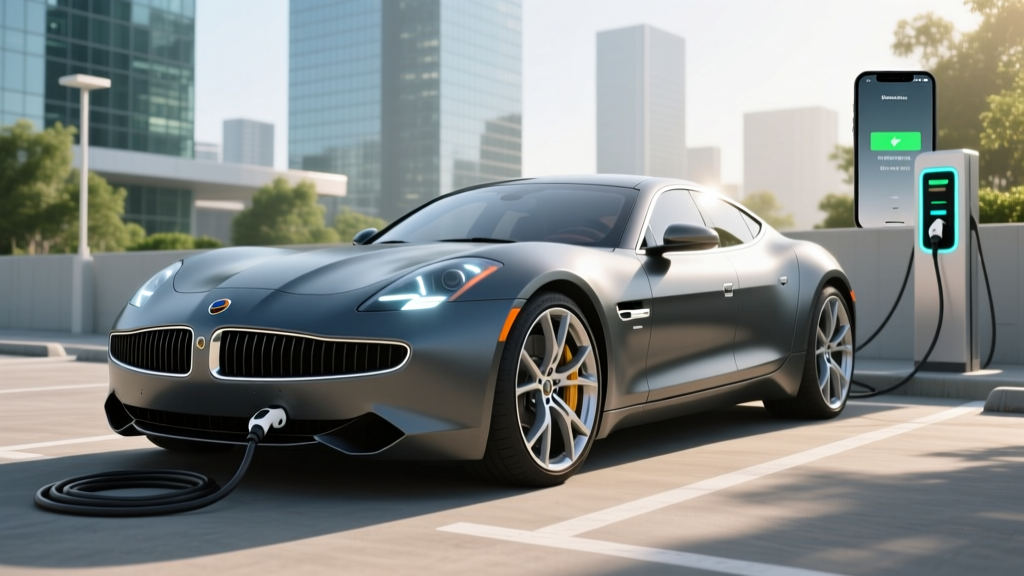
The nameplate carries history, but the car it represents today is something else entirely. The original Fisker Karma — Henrik Fisker's plug-in luxury sedan from 2011–2012 — was a range-extended electric vehicle (EREV) that burned through two production runs and a bankruptcy before the tooling was sold off to what became Karma Automotive. The Karma Revero that followed carried the sedan's silhouette forward with updated powertrains. As of 2026, there is no new "Fisker Karma sedan" in production under the Fisker brand (Fisker Inc., the Henrik Fisker-led venture behind the Fisker Ocean SUV, filed for bankruptcy in late 2024). What buyers searching for a Fisker Karma sedan will actually find on the market falls into three buckets: the used 2011–2012 original, the used Karma Revero (2017–2020), and the Karma GS-6 / Gyesera concepts that never reached volume production.
This review gives you the hard numbers on the most relevant Karma-heritage sedan you can actually buy and drive today — the Karma Revero GT (the final production iteration sold before Karma Automotive pivoted away from sedan manufacturing) — alongside honest context on the original Fisker Karma for those considering the used market. We cover range, charging, battery chemistry, pricing, and what ownership really looks like in 2026.
Quick Verdict: The Karma Sedan in 2026
If you're drawn to the Fisker Karma sedan for its dramatic design, you're not alone — the car remains one of the most visually striking plug-in vehicles ever produced. But design alone doesn't make a daily driver. The Karma Revero GT (the most modern iteration) delivers roughly 61 miles of electric-only range and a combined 260 miles with its gasoline range extender. It charges slowly by modern standards, lacks access to current federal EV tax credits as a used purchase (unless you qualify under the separate used EV credit, IRS §25E), and carries ownership risks tied to an automaker that is no longer producing vehicles. For collectors and design enthusiasts with home charging and short commutes, it can work. For everyone else, modern PHEVs and BEVs offer dramatically better efficiency, warranty coverage, and charging infrastructure.
Range & Efficiency: What the Numbers Actually Mean
Real-World Expectation: Expect ~45–55 miles of electric range in mixed driving. Highway speeds above 70 mph and cold weather (below 40°F) can reduce electric-only range by 20–35%. The gasoline 1.5L BMW-sourced range extender adds roughly 190–200 real-world miles on a full tank.
| Spec | Fisker Karma (2012) | Karma Revero GT (2020) |
|---|---|---|
| Electric-Only Range (EPA) | ~32 mi (EPA revised) | 61 mi |
| Total Range (EPA) | ~230 mi (gas + electric) | ~260 mi |
| Battery Capacity | 20.1 kWh (NMC, gross) | 21.4 kWh (NMC, gross) / ~18.5 kWh usable |
| Battery Chemistry | NMC (Lithium-Ion) | NMC (Lithium-Ion) |
| MPGe (Electric) | 54 MPGe | 70 MPGe |
| MPG (Gas Only) | ~20 MPG combined | ~22 MPG combined |
| Fuel Tank | 9.5 gal | 10.6 gal |
For context, the 2026 Toyota Prius Prime delivers 44 miles of electric range with a far more efficient gas engine and a fraction of the weight. The Karma's 5,400+ lb curb mass works against it in every efficiency metric. Source: fueleconomy.gov — Karma Revero GT.
Charging: Slow by Modern Standards
This is where the Karma sedan shows its age most clearly. Neither the original Fisker Karma nor the Revero GT supports DC fast charging. The onboard charger maxes out at 6.6 kW on Level 2, and both vehicles use the J1772 connector standard.
| Charging Level | Power (kW) | Time to Full (from empty) | Miles of Range Added/Hour |
|---|---|---|---|
| Level 1 (120V household) | ~1.4 kW | ~14–16 hours | ~4–5 mi/hr |
| Level 2 (240V, 30A) | 6.6 kW | ~3.5 hours (0–100%) | ~17–20 mi/hr |
| DC Fast Charging | NOT SUPPORTED | ||
With 61 miles of electric range and no DC fast-charge capability, this is strictly a home-and-destination charging vehicle. A full Level 2 charge in ~3.5 hours is manageable for overnight top-ups, but you cannot replenish on a road trip using public fast-charging networks. This is a critical limitation if your commute exceeds 50 miles round-trip or if you lack reliable Level 2 access at home.
Performance & Drivetrain
| Spec | Karma Revero GT |
|---|---|
| Powertrain | Dual rear electric motors + 1.5L 3-cyl BMW range extender |
| Drivetrain | RWD (rear-wheel drive) |
| Combined Horsepower | 536 hp |
| Combined Torque | 550 lb-ft |
| 0–60 mph | 4.5 seconds |
| Top Speed | 125 mph (electronically limited) |
| Curb Weight | ~5,400 lbs |
The Revero GT is genuinely quick off the line. The dual rear-mounted electric motors deliver instant torque, and the BMW-sourced 1.5-liter three-cylinder range extender (borrowed from the i8) functions solely as a generator — it never drives the wheels directly. This is a series-hybrid/EREV architecture, meaning you always drive on electric motors. The result is smooth, linear acceleration that feels more modern than the car's platform would suggest.
Handling is best described as grand-touring comfortable rather than sporty. The 5,400-lb mass is always present through corners, and the steering lacks the precision of lighter competitors. Ride quality is compliant, and cabin isolation from the range extender is surprisingly good — the three-cylinder fires up quietly under most loads.
Interior, Cargo & Tech
The Karma sedan was designed to be a four-passenger luxury GT, and the interior reflects its 2011 origins with incremental updates through the Revero era.
| Dimension | Karma Revero GT |
|---|---|
| Seating Capacity | 4 passengers |
| Front Legroom | 42.5 in |
| Rear Legroom | 31.0 in (tight for adults) |
| Cargo Volume (Trunk) | ~7.0 cu ft |
| Infotainment Screen | 10.2-inch touchscreen |
| Driver Assists | Basic: rearview camera, parking sensors (no adaptive cruise, no lane-keep) |
The standout design feature is the solar roof panel, which Fisker claimed could add up to ~1 mile of range per day in optimal sun — a novelty more than a practicality. The trunk is shallow due to battery placement beneath the rear seats, and at just 7 cubic feet, it fits little more than a couple of soft bags. Rear legroom is genuinely cramped for anyone over 5'10".
On the tech front, the Revero GT's infotainment system is dated by 2026 standards. There is no wireless Apple CarPlay/Android Auto, no over-the-air updates, and the driver-assistance suite is limited to a backup camera and parking sensors. There is no adaptive cruise control, no lane-keeping assist, and no automatic emergency braking — features standard on virtually every new vehicle sold today.
Pricing, Tax Credits & Ownership Cost
| Item | Amount |
|---|---|
| Karma Revero GT Original MSRP (2020) | $135,000 (base) |
| Typical Used Price (2026 market) | $55,000–$85,000 depending on mileage/condition |
| Fisker Karma (2012) Used Price | $25,000–$45,000 |
| Federal New EV Tax Credit (§30D) | NOT ELIGIBLE — vehicle no longer in production |
| Federal Used EV Credit (§25E) | Up to $4,000 (if vehicle MSRP when new was ≤$25,000 — the Karma does NOT qualify due to original MSRP) |
| Estimated Annual Insurance | $3,200–$4,800 (collector/specialty rates may apply) |
The federal tax credit situation requires careful attention. The IRS §30D new vehicle credit (up to $7,500) does not apply because no Karma sedan is currently manufactured or sold new. The IRS §25E used EV credit (up to $4,000 or 30% of sale price, whichever is less) has a strict requirement: the vehicle's original MSRP when new must have been $25,000 or less. Since the Karma Revero GT carried an original MSRP above $130,000, it does not qualify for the used credit under any circumstances. See IRS §25E guidelines for full eligibility rules.
For the original 2011–2012 Fisker Karma, the used credit is similarly unavailable — its original MSRP was approximately $96,000–$110,000, well above the $25,000 threshold.
- ✗ §30D new-vehicle credit: Not eligible (no new production)
- ✗ §25E used-vehicle credit: Not eligible (original MSRP exceeded $25,000)
- ✓ State/local incentives: Check your jurisdiction — some states offer rebates on used PHEVs regardless of MSRP
- ✓ Consult a tax professional for personal eligibility
Battery Health, Warranty & Replacement Risk
| Item | Details |
|---|---|
| Battery Chemistry | NMC (Nickel Manganese Cobalt) |
| Gross / Usable Capacity | 21.4 kWh gross / ~18.5 kWh usable (Revero GT) |
| Original Battery Warranty | 8 years / 100,000 miles (Karma Automotive, now expired for most vehicles) |
| Estimated Battery Replacement Cost | $12,000–$18,000 (parts + labor, specialty shop) |
| Known Degradation Issues | 2012 Fisker Karma: A123 Systems battery recalls, thermal issues. Revero GT: improved but NMC chemistry still loses ~2–3% capacity/year |
This is the single biggest ownership risk. The original Fisker Karma used A123 Systems battery packs that were subject to multiple recalls for fire risk and premature failure. Karma Automotive (the successor company) switched to different NMC cells for the Revero, which improved reliability, but the company's 2023–2024 financial collapse means warranty support is effectively nonexistent in 2026.
NMC batteries typically lose 2–3% of total capacity per year under normal use. A 2020 Revero GT in 2026 may have lost 12–18% of its original capacity, meaning real electric range could be closer to 50 miles. Always request a battery state-of-health (SoH) diagnostic before purchasing any used Karma.
Pros, Cons & Who Should Buy
- Stunning, head-turning design that still looks exotic in 2026
- 536 hp and 4.5-second 0–60 — genuinely quick for a luxury GT
- Series-hybrid architecture means you always drive on smooth electric torque
- Solar roof is a unique conversation piece
- 260-mile total range eliminates range anxiety for longer trips
- No DC fast charging — 3.5 hours on Level 2 for a full charge
- Tiny 7 cu ft trunk and cramped rear seats limit practicality
- Dated infotainment and zero modern driver-assist features
- No federal tax credit eligibility (new or used)
- Karma Automotive is defunct — parts, service, and warranty support are scarce
- Battery replacement could cost $12,000–$18,000 out of pocket
- Insurance is expensive and may require specialty carriers
Who this car suits: Design-focused collectors and enthusiasts who want a dramatic plug-in GT for short commutes and weekend drives, have reliable Level 2 home charging, and can absorb out-of-warranty maintenance costs. It is not a practical daily driver, family car, or road-trip vehicle.
Who should look elsewhere: Anyone prioritizing charging speed, cargo space, modern safety tech, warranty protection, or total cost of ownership. Modern PHEVs like the Toyota Prius Prime, BMW 330e, or Chrysler Pacifica PHEV deliver better efficiency, full warranty coverage, and DC fast-charging access at lower prices.
Competitor Comparison: Karma vs. Modern Alternatives
| Spec | Karma Revero GT (Used) | BMW 330e (2026) | Toyota Prius Prime (2026) |
|---|---|---|---|
| Type | EREV / PHEV | PHEV | PHEV |
| Electric Range | 61 mi | ~25 mi | 44 mi |
| Total Range | ~260 mi | ~400 mi | ~600 mi |
| DC Fast Charge | No | No | No |
| 0–60 mph | 4.5 sec | 5.6 sec | 6.6 sec |
| MPGe (Electric) | 70 MPGe | 75 MPGe | 127 MPGe |
| Cargo (cu ft) | 7.0 | 13.0 | 20.0 |
| Price (2026) | $55K–$85K (used) | ~$47K (new) | ~$34K (new) |
| Tax Credit | None | Up to $7,500 (§30D) | Up to $7,500 (§30D) |
| Warranty | Expired | 4yr/50K + 8yr/100K battery | 3yr/36K + 10yr/150K battery |
The comparison is stark. A new Prius Prime costs roughly half what a used Revero GT commands, delivers 127 MPGe, offers triple the cargo space, qualifies for the full $7,500 federal credit, and comes with a 10-year battery warranty. The Karma wins only on design drama and straight-line acceleration.
Frequently Asked Questions
What is the real-world range of the Fisker Karma sedan?
The Karma Revero GT's EPA-rated electric-only range is 61 miles, but expect 45–55 miles in real-world mixed driving. Highway speeds and cold weather reduce this further. With the gasoline range extender, total range is approximately 260 miles EPA, or 230–250 miles in practice. The original 2012 Fisker Karma manages roughly 25–30 real-world electric miles.
How fast does the Karma sedan charge?
The Karma Revero GT charges at a maximum of 6.6 kW on Level 2 (240V), requiring approximately 3.5 hours for a full charge from empty. It does not support DC fast charging at all. Level 1 (120V household) charging takes 14–16 hours for a full charge.
Does the Fisker Karma qualify for the federal EV tax credit?
No. Because the Karma sedan is no longer manufactured, it does not qualify for the §30D new-vehicle credit (up to $7,500). It also fails to qualify for the §25E used-vehicle credit (up to $4,000) because the vehicle's original MSRP exceeded the $25,000 cap. Check your state for any local PHEV incentives that may apply.
How much does a Karma sedan cost in 2026?
Used Karma Revero GT models (2018–2020) typically sell for $55,000–$85,000 depending on mileage and condition. Original 2011–2012 Fisker Karma examples trade for $25,000–$45,000. Factor in higher insurance ($3,200–$4,800/year), potential battery replacement ($12,000–$18,000), and scarce parts availability.
Is the Karma Revero GT worth buying vs. competitors?
Only if design is your top priority and you accept the ownership risks. For practical daily driving, a new BMW 330e or Toyota Prius Prime offers better efficiency, modern safety tech, full warranties, federal tax credits, and dramatically lower total cost of ownership. The Karma is a collector's piece, not a rational commuter choice.
What are the biggest risks of owning a Karma sedan?
Karma Automotive (the manufacturer) is no longer producing vehicles and has limited ability to support existing owners with parts, service, or warranty claims. Battery replacement is expensive ($12K–$18K) and requires specialty technicians. The original 2012 Fisker Karma had documented battery fire recalls. Insurance is costly, and resale values are unpredictable.
Is the Karma sedan self-driving or does it have advanced driver assist?
No. The Karma Revero GT has only basic driver assists: a rearview camera and parking sensors. There is no adaptive cruise control, lane-keeping, or automatic emergency braking. This is SAE Level 0–1 at best — the driver is fully responsible for all driving tasks at all times.
Sources: fueleconomy.gov, IRS §25E Used Clean Vehicle Credit, IRS §30D New Clean Vehicle Credit.