Quick Verdict: The Fisker Karma's Complicated Legacy
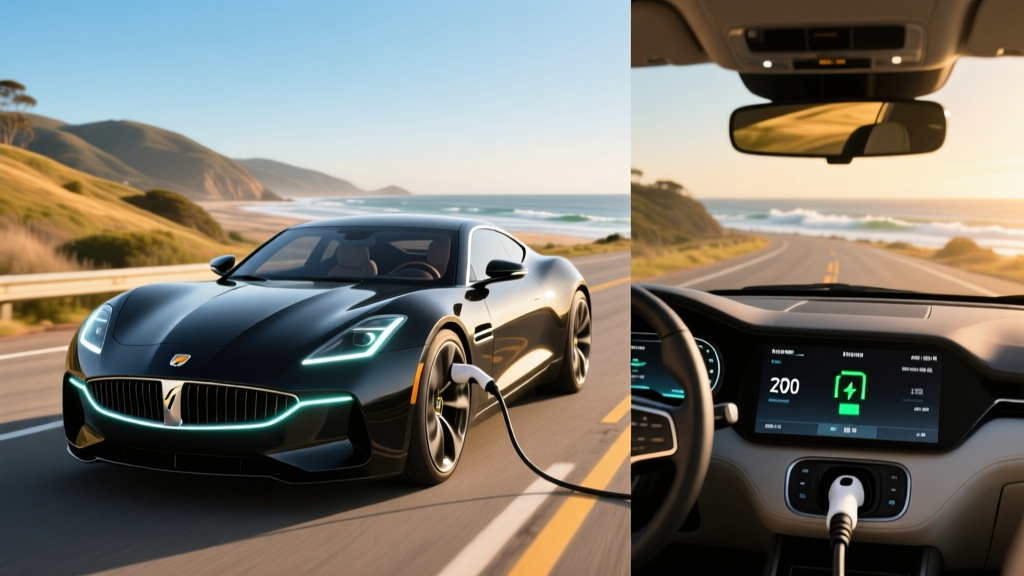
The Fisker Karma nameplate carries weight in the EV world — not always the positive kind. Originally launched in 2012 as one of the first premium plug-in hybrids, the Karma suffered from reliability issues and Fisker Automotive's eventual bankruptcy. The brand was revived as Karma Automotive, and the Revero GT (and later GTS) carried the torch as an extended-range electric vehicle (EREV). However, as of 2026, Karma Automotive has ceased operations following its own financial struggles, making this a review of a vehicle you can only acquire on the used market.
If you're searching for information on "Fisker Karmas" — whether the original 2012 model, the Revero GT, or Henrik Fisker's separate venture, the Fisker Ocean — this guide clarifies what you're actually looking at, what to expect in real-world ownership, and whether any version of this nameplate makes sense in today's EV landscape.
Understanding the Fisker Karma Lineage
The Fisker Karma story involves two distinct companies and multiple vehicle generations:
- Fisker Automotive (2007-2013): Founded by designer Henrik Fisker, produced the original Karma sedan — a series hybrid (EREV) with a 2.0L GM Ecotec engine as a range extender. Only ~2,450 units were built before bankruptcy.
- Karma Automotive (2016-2024): Chinese conglomerate Wanxiang acquired Fisker's assets, rebranded as Karma Automotive, and produced the Revero (2017-2019), Revero GT (2020-2021), and Revero GTS (2022-2023). Henrik Fisker was not involved.
- Fisker Inc. (2016-2024): Henrik Fisker's separate company produced the Fisker Ocean SUV before filing for bankruptcy in 2024.
This review focuses primarily on the Karma Revero GT/GTS — the most refined iteration of the original Karma concept — while noting critical differences across the lineage.
Range, Battery & Efficiency: EREV Reality Check
Real-World Range Expectations
EPA Electric-Only Range: 61 miles (Revero GT)
Real-World Electric Range: Expect 45-55 miles in mixed driving; highway speeds above 70 mph reduce this to ~40 miles. Cold weather (below 40°F) can drop electric range by 20-30%, yielding 30-40 miles.
Total Range (Electric + Gas): ~360 miles combined
EPA Combined MPGe: 58 MPGe (electric mode), 26 MPG (gas-only mode)
| Specification | Value |
|---|---|
| Battery Capacity | 21.4 kWh usable (NMC lithium-ion) |
| Electric-Only Range (EPA) | 61 miles |
| Total Range (EPA) | ~360 miles |
| MPGe (Electric Mode) | 58 MPGe |
| MPG (Gas-Only Mode) | 26 MPG combined |
| Range Extender Engine | 1.5L BMW 3-cylinder turbo (Revero GT) / 2.0L GM Ecotec (original Karma) |
| Electric Motors | Dual rear motors, 536 hp combined |
| 0-60 mph | 4.5 seconds |
| Drivetrain | RWD (rear motors only) |
| Curb Weight | 5,400 lbs |
The 21.4 kWh NMC battery pack is modest by 2026 standards — most BEVs now pack 75-100 kWh — but the EREV architecture means you're never stranded. The BMW-sourced 1.5L range extender in the Revero GT (replacing the original Karma's GM engine) generates electricity to extend range but doesn't drive the wheels directly. This series-hybrid setup prioritizes electric driving feel while eliminating range anxiety.
For daily commutes under 50 miles, most Revero GT owners report running almost entirely on electricity, only engaging the range extender on longer road trips. However, the 26 MPG gas-only efficiency is poor compared to modern PHEVs like the Toyota RAV4 Prime (38 MPG combined in hybrid mode).
Charging Speeds: DC Fast & Home Level 2
| Charging Level | Power/Rate | Time (0-100% or 10-80%) | Notes |
|---|---|---|---|
| Level 1 (120V household) | 1.4 kW | ~14 hours (full charge) | Emergency/trickle charging only |
| Level 2 (240V, 32A) | 7.2 kW | ~3 hours (full charge) | Home or public Level 2 stations |
| DC Fast Charging | Not supported | N/A | CCS/CHAdeMO/NACS — no DC capability |
This is where the Karma's age and EREV philosophy show most clearly: the Revero GT does not support DC fast charging. The 21.4 kWh battery is small enough that Karma Automotive deemed Level 2 sufficient, and for most use cases, they're right — a 3-hour Level 2 charge fully replenishes the pack.
However, this means no 10-80% highway charging stops. On road trips, you're relying on the gasoline range extender, not plugging in at Electrify America or Tesla Supercharger stations. For PHEV/EREV buyers who charge at home nightly and rarely exceed 50 electric miles daily, this isn't a dealbreaker. But it limits the Karma's flexibility compared to modern PHEVs with DC capability (like the BMW X5 xDrive50e or the upcoming Toyota RAV4 PHEV with DC support).
Home Charging Setup: The Revero GT uses a standard J1772 connector for Level 2 charging. A 32-amp Level 2 home charger (like a ChargePoint Home Flex or Emporia Level 2) will deliver the full 7.2 kW rate. Expect installation costs of $500-$2,000 for a dedicated 40-amp circuit, depending on your electrical panel's capacity and distance from the garage.
Performance & Driving Dynamics
The dual rear electric motors produce 536 horsepower and 1,300 lb-ft of torque (instant, from 0 RPM), propelling the 5,400-pound Revero GT to 60 mph in 4.5 seconds. That's genuinely quick — comparable to a Tesla Model Y Performance or Porsche Taycan 4S — and the torque delivery is seamless.
However, the Karma's weight is always present. Cornering feels more like a grand tourer than a sports sedan, and the regenerative braking, while adjustable, doesn't offer true one-pedal driving. The steering is precise but numb, and the air suspension provides a comfortable ride at the expense of engagement.
The range extender's engagement is generally smooth, though you'll hear the 3-cylinder BMW engine drone under hard acceleration or when the battery is depleted. It's not as refined as the inline-4 range extenders in the Chevrolet Volt or BMW i3 REx.
Interior, Tech & Cargo Space
The Karma's interior is where the "designer car" pedigree shines — and where cost-cutting shows. The cabin features reclaimed wood trim, eco-suede upholstery, and a distinctive "diamond dust" headliner. However, the infotainment system (a 10.2-inch touchscreen) feels dated compared to 2026 standards, with sluggish response times and no wireless Apple CarPlay/Android Auto.
| Measurement | Value |
|---|---|
| Front Legroom | 42.5 inches |
| Rear Legroom | 29.5 inches |
| Cargo Volume (Trunk) | 7.0 cu ft |
| Seating Capacity | 4 passengers |
| Roof Option | Solar panel roof (adds ~1 mile/day of range) |
The rear seats are essentially unusable for adults — 29.5 inches of legroom is tighter than a Mazda MX-5 Miata. This is a 2+2 grand tourer, not a family sedan. Cargo space is similarly compromised: 7.0 cubic feet of trunk volume (the battery pack sits behind the rear seats) barely fits two carry-on bags.
Standout Tech:
- Solar panel roof (generates ~1 kWh/day in full sun, adding ~1 mile of range)
- "EcoGlass" electrochromic roof (tints electronically)
- 360-degree camera system
- Adaptive cruise control (but no lane-centering or SAE Level 2+ driver assist)
Notable Drawbacks:
- No over-the-air updates
- Limited ADAS features (no automatic emergency braking, no blind-spot monitoring on early models)
- Infotainment lacks modern smartphone integration
- Parts availability is a growing concern as Karma Automotive ceases operations
Pricing, Tax Credits & Ownership Costs
As of 2026, Karma Automotive has ceased production, so you're looking at used-market pricing only. The Revero GT originally carried an MSRP of $135,000-$145,000 (depending on options). Used examples now trade between $65,000-$95,000, depending on mileage and condition.
| Scenario | Cost |
|---|---|
| Original MSRP (2020-2021) | $135,000-$145,000 |
| Used Market (2026) | $65,000-$95,000 |
| Federal Used EV Tax Credit (§25E) | Up to $4,000 (30% of sale price, max $4,000) |
| Federal New EV Credit (§30D) | Not eligible (discontinued, battery sourcing unknown) |
| Income Cap (§25E used credit) | $75,000 single / $150,000 joint filers |
| Vehicle Price Cap (§25E) | $25,000 maximum sale price — Karma does NOT qualify |
Critical Tax Credit Note: The IRS §25E used EV credit has a $25,000 maximum vehicle price cap. At $65,000+, the Karma Revero GT does not qualify for the used EV credit. The original §30D new-vehicle credit is also unavailable, as the vehicle is discontinued and battery sourcing documentation is uncertain. Consult a tax professional for your specific situation.
5-Year Ownership Cost Estimate:
- Insurance: $3,500-$5,000/year (specialty low-volume vehicle)
- Maintenance: $1,200-$2,000/year (limited dealer network, parts scarcity)
- Electricity (50 miles/day @ $0.15/kWh): ~$550/year
- Gasoline (occasional range-extender use): ~$800/year
- Depreciation: High risk given brand dissolution
Warranty & Long-Term Reliability
The original Karma Revero GT warranty included:
- Basic: 4 years / 50,000 miles
- Powertrain: 6 years / 60,000 miles
- Battery: 8 years / 80,000 miles (minimum 70% capacity retention)
However, with Karma Automotive's 2024 bankruptcy, warranty claims are now essentially unbacked. Third-party extended warranties may be available, but coverage for proprietary components (the dual-motor rear axle, the BMW range extender, the custom battery pack) is uncertain.
Battery Longevity: The 21.4 kWh NMC pack is small, which means higher cycle counts for daily drivers. NMC chemistry typically retains 80-85% capacity after 1,000 full cycles (~60,000 electric miles). Most used Revero GTs show 5-15% degradation at 30,000-50,000 miles, which is acceptable but not exceptional.
Parts Availability: This is the elephant in the room. With Karma Automotive defunct, sourcing replacement parts — especially proprietary electronics, the custom air suspension, and body panels — is increasingly difficult. The BMW range extender is serviceable at BMW dealerships, but the electric drivetrain and battery are Karma-specific.
Pros, Cons & Who This EV Suits
Pros
- Exotic design turns heads everywhere
- Strong electric acceleration (536 hp, 4.5s 0-60)
- 61-mile electric range covers most commutes
- No range anxiety thanks to gasoline extender
- Solar roof adds novelty and marginal range
- Low production numbers = exclusivity
Cons
- Unusable rear seats (29.5" legroom)
- Tiny 7.0 cu ft trunk
- No DC fast charging
- Dated infotainment, limited ADAS
- Parts scarcity (brand is defunct)
- No tax credit eligibility
- High insurance and maintenance costs
- Depreciation risk is extreme
Who Should Consider the Karma:
- Collectors seeking a rare, design-forward EREV
- Two-person households with short commutes and home charging
- Enthusiasts who prioritize exclusivity over practicality
Who Should Avoid It:
- Families (rear seats are unusable, trunk is tiny)
- Daily drivers concerned about parts availability
- Buyers seeking modern tech (ADAS, infotainment, OTA updates)
- Anyone relying on tax credits to justify the purchase
FAQ: Common Fisker Karma Questions
What is the real-world electric range of the Karma Revero GT?
The EPA rates it at 61 miles electric-only, but expect 45-55 miles in mixed driving. Highway speeds and cold weather reduce this to 30-40 miles.
Can the Fisker Karma charge at Tesla Superchargers or DC fast stations?
No. The Karma Revero GT does not support DC fast charging (CCS, CHAdeMO, or NACS). It charges only via Level 1 (120V) or Level 2 (240V J1772).
Does the Karma qualify for any federal EV tax credits in 2026?
No. The §25E used EV credit has a $25,000 vehicle price cap, and the Karma trades at $65,000+. The §30D new-vehicle credit is unavailable (discontinued model). Check IRS guidelines for current rules.
Is the Karma Revero GT still in production?
No. Karma Automotive ceased operations in 2024. Only used examples are available.
How does the Karma compare to modern PHEVs like the BMW i7 PHEV or Mercedes S580e?
Modern luxury PHEVs offer similar electric range (40-60 miles), DC fast charging, current ADAS tech, full warranties, and dealer support. The Karma's only advantages are design exclusivity and collector appeal.
What's the difference between the original Fisker Karma and the Karma Revero?
The original 2012 Fisker Karma used a 2.0L GM Ecotec range extender and had significant reliability issues. The Karma Revero (2017+) and Revero GT (2020+) used a BMW 1.5L 3-cylinder, improved software, and a larger battery. The Revero GT is the most refined version.