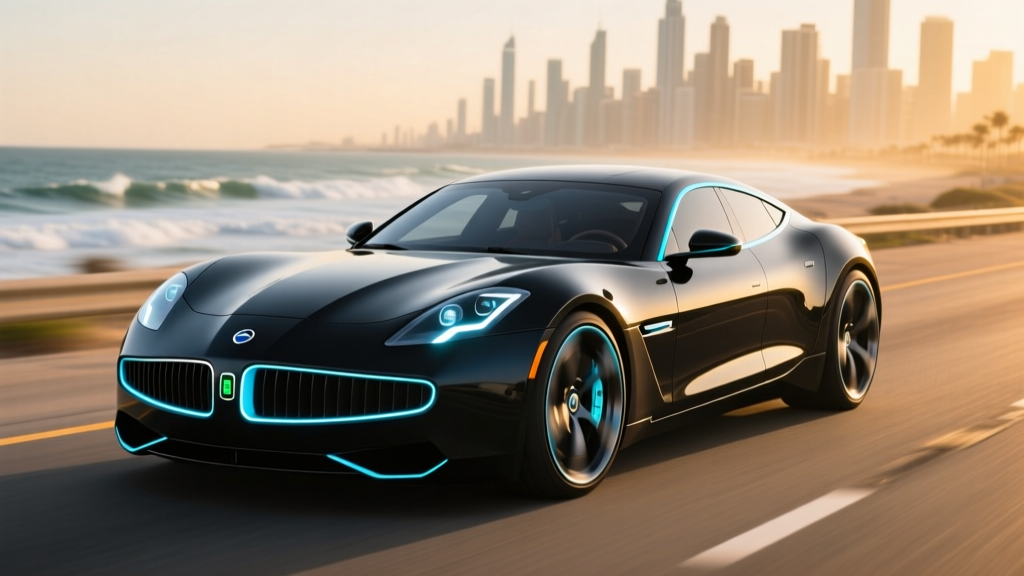
The Fisker Karma occupies a strange space in electric-vehicle history. Originally launched in 2011 as a range-extended electric vehicle (EREV) and later revived as the Karma Revero by Karma Automotive, this luxury sedan has always prioritized drama over efficiency. Buyers searching for Fisker Karma performance specs today are typically evaluating the used market or the later Revero GT variants, since the original Karma ceased production in 2012 and Karma Automotive filed for bankruptcy in early 2024. This review consolidates every critical number — from horsepower and 0-60 times to real-world range and charging realities — so you know exactly what you're getting before signing any paperwork.
Fisker Karma Performance Specs at a Glance
Before we get into real-world nuances, here are the headline numbers across the major Karma/Revero generations. Note that specs shifted significantly between the original Fisker Karma (2011–2012), the Karma Revero (2017–2019), and the Revero GT (2020–2023).
| Specification | Fisker Karma (2012) | Karma Revero (2018) | Revero GT (2020) |
|---|---|---|---|
| Powertrain Type | EREV (series hybrid) | EREV (series hybrid) | EREV (series hybrid) |
| Combined Horsepower | 403 hp | 403 hp | 536 hp |
| Combined Torque | 959 lb-ft | 959 lb-ft | 1,030 lb-ft |
| 0-60 mph | 5.8 seconds | 5.4 seconds | 4.5 seconds |
| Top Speed | 125 mph | 125 mph | 125 mph |
| Drivetrain | RWD (dual rear motors) | RWD (dual rear motors) | RWD (dual rear motors) |
| EPA Electric Range | 32 miles | 34 miles | 61 miles |
| Total Range (electric + gas) | ~230 miles | ~240 miles | ~360 miles |
| Battery Capacity (usable) | ~18 kWh (NMC) | ~21 kWh (NMC) | ~28 kWh (NMC) |
| Gas Engine (range extender) | 2.0L turbo I4 (GM Ecotec) | 2.0L turbo I4 | 1.5L turbo I3 (BMW) |
| Curb Weight | 5,300 lbs | 5,400 lbs | 5,400 lbs |
The EREV architecture means the gasoline engine never drives the wheels directly. It functions solely as a generator to recharge the battery or supply electricity to the dual rear-mounted electric motors. This gives the Karma the smooth, instant-torque character of an EV while eliminating pure range anxiety — at the cost of mechanical complexity and added weight.
Real-World Range: What the EPA Numbers Don't Tell You
EPA Electric-Only Range: 61 miles
Real-World Highway (70 mph, moderate temps): ~48–54 miles
Real-World Cold Weather (30°F, mixed driving): ~38–45 miles
Total Combined Range (battery + 13.4-gal fuel tank): ~320–360 miles
The original 2012 Fisker Karma managed just 32 EPA-rated electric miles — respectable for its era but modest by today's standards. The Revero GT's jump to 61 electric miles came courtesy of a larger 28 kWh NMC (nickel manganese cobalt) battery pack and the switch to a more efficient BMW-sourced 1.5-liter three-cylinder range extender.
In practice, expect electric-only range to drop 15–25% during sustained highway driving above 65 mph. The Karma's 5,400-pound curb weight and wide, low-rolling-resistance tires work against efficiency at speed. Cold weather hits NMC chemistry particularly hard — owners in northern climates report electric range dropping to 38–45 miles once cabin heating kicks in. The range extender activates seamlessly when the battery depletes, but fuel economy in generator mode is unimpressive: roughly 20–24 mpg combined on gasoline, far below what a comparable PHEV like the Toyota Prius Prime achieves.
For context on efficiency ratings, the Revero GT carries an EPA rating of approximately 58 MPGe in electric mode and about 22 mpg combined when the range extender is running. The original Fisker Karma rated around 54 MPGe electric and 20 mpg on gas. These numbers matter if you plan to drive beyond the battery's reach regularly.
Charging Speed: The Karma's Biggest Practical Limitation
If there's one area where every Karma generation shows its age, it's charging. This vehicle was designed before DC fast charging became mainstream, and the consequences are significant for anyone without reliable home or workplace Level 2 access.
| Charging Level | Original Karma (2012) | Revero GT (2020) | Miles of Electric Range Added per Hour |
|---|---|---|---|
| Level 1 (120V, 12A) | ~1.4 kW | ~1.4 kW | ~4–5 miles/hr |
| Level 2 (240V, 32A) | ~3.3 kW | ~6.6 kW | ~12–22 miles/hr |
| DC Fast Charge | Not supported | Not supported | N/A |
| Full Charge Time (Level 2) | ~6 hours | ~4.5 hours | — |
| Charge Port / Connector | J1772 | J1772 | — |
The absence of DC fast charging is the single biggest practical drawback of any Karma variant. You cannot pull up to an Electrify America or Tesla Supercharger station and add range in 20 minutes. Every charge happens at Level 2 speeds or slower. For the Revero GT with its 28 kWh battery, a full Level 2 charge at 6.6 kW takes roughly 4.5 hours — adequate for overnight charging at home, but a dealbreaker for road-trip flexibility.
The saving grace is the range extender. When the battery depletes, the gas engine fires up, and you can refuel at any gas station in five minutes. This makes the Karma functional for long trips, but you'll be doing those trips at 20–24 mpg rather than leveraging cheap electricity. According to fueleconomy.gov, the cost difference between driving 1,000 miles on electricity versus gasoline in the Revero GT works out to roughly $90 vs. $160 at national average rates — nearly double the operating cost once you're burning gas.
Performance and Driving Dynamics: Where the Karma Shines
The Fisker Karma was never designed to be efficient — it was designed to be spectacular. And on the performance front, it delivers numbers that still command respect.
The original Karma's dual rear electric motors produce a combined 403 horsepower and a massive 959 lb-ft of torque to the rear wheels. That torque figure is available from zero RPM, which gives the Karma an effortless, locomotive-like surge off the line. The 5.8-second 0-60 mph time doesn't sound extraordinary today, but the sensation of acceleration is far more dramatic than the number suggests, thanks to the absence of gear shifts and the instant torque delivery.
The Revero GT improved substantially with a power bump to 536 hp and 1,030 lb-ft, dropping the 0-60 time to 4.5 seconds. Karma Automotive also added a Sport mode that sharpens throttle response and firms the regenerative braking. The steering is heavy and direct, the suspension tuning is firm but well-damped, and the low center of gravity (batteries mounted along the floor tunnel) keeps body roll surprisingly controlled for a 5,400-pound sedan.
Where the driving experience falls short is refinement. The range extender, particularly the original GM Ecotec four-cylinder, drones noticeably when activated under hard acceleration. The BMW three-cylinder in the Revero GT is smoother but still audible. Sound insulation is adequate but not commensurate with the Karma's six-figure price tag. Ride quality on rough pavement can be harsh, a consequence of the heavy curb weight and 22-inch wheel options.
Interior Space, Cargo, and Daily Practicality
The Karma's exterior proportions are stunning — long hood, sweeping roofline, wide haunches — but those proportions exact a toll on interior space. This is strictly a four-passenger vehicle, and rear-seat accommodation is tight.
| Dimension | Original Karma | Revero GT |
|---|---|---|
| Front Legroom | 42.1 in | 42.1 in |
| Rear Legroom | 29.6 in | 30.2 in |
| Front Headroom | 38.4 in | 38.4 in |
| Rear Headroom | 35.7 in | 36.0 in |
| Cargo Volume (trunk) | 6.9 cu ft | 7.2 cu ft |
| Seating Capacity | 4 passengers | 4 passengers |
At roughly 7 cubic feet, the trunk is smaller than a Mazda MX-5 Miata's. The rear battery tunnel bisects the cabin, eliminating any possibility of a fifth seat and creating a high load floor. Two carry-on bags will fit; a week's groceries for a family will not. Rear-seat passengers taller than 5'10" will find legroom cramped and the sloping roofline limits headroom.
On the technology front, the Revero GT received a meaningful upgrade with a 10.2-inch touchscreen infotainment system, Apple CarPlay, and a digital instrument cluster. The original Karma's interior, designed by Henrik Fisker himself, featured reclaimed wood trim and an available solar-panel roof that trickled charge into the 12V auxiliary battery — a nice touch but functionally negligible for the traction battery. Driver-assistance features are minimal across all generations: you get basic stability control, ABS, and parking sensors. There is no adaptive cruise control, no lane-keeping assist, and no automated emergency braking — features that were standard on far cheaper vehicles by 2020.
Pricing, Tax Credits, and Ownership Costs
Karma Automotive ceased operations in early 2024, which means every Fisker Karma and Karma Revero on the market today is a used vehicle. Pricing varies enormously based on generation, mileage, and condition.
| Generation | Original MSRP (New) | Typical 2026 Used Price | Federal Tax Credit Eligibility |
|---|---|---|---|
| Fisker Karma (2012) | $96,850 – $110,000 | $25,000 – $45,000 | Used EV Credit: up to $4,000 (§25E) |
| Karma Revero (2018) | $130,000 – $135,000 | $40,000 – $65,000 | Used EV Credit: up to $4,000 (§25E) |
| Revero GT (2020–2023) | $135,000 – $149,000 | $55,000 – $95,000 | Used EV Credit: up to $4,000 (§25E) |
Because Karma Automotive is defunct, no new inventory exists, and the IRS §25E used clean vehicle credit is the relevant incentive — not the §30D new-vehicle credit. The §25E credit provides up to $4,000 (30% of the sale price, capped at $4,000) for qualifying used EVs and PHEVs/EREVs priced at $25,000 or below, purchased through a licensed dealer. Income caps apply: modified adjusted gross income must not exceed $75,000 (single), $112,500 (head of household), or $150,000 (joint). The vehicle must be at least two model years old, and the credit can only be claimed once per VIN. Consult a tax professional to confirm eligibility, as IRS rules are subject to change.
Ownership costs beyond the purchase price deserve serious scrutiny. Insurance premiums for the Karma are elevated — expect $3,000–$5,000 annually depending on your profile, driven by the vehicle's low production volume, expensive body panels, and limited parts availability. Maintenance is complicated by Karma Automotive's bankruptcy: while the BMW-sourced range extender in the Revero GT can be serviced at BMW dealerships, proprietary components like the electric drive motors, battery management system, and body panels are increasingly difficult to source. Battery replacement, should it become necessary, is estimated at $12,000–$18,000 based on NMC pack costs for this capacity class.
Warranty and Long-Term Battery Health
This is where buying any Karma variant becomes genuinely risky. The original Fisker Karma shipped with a 5-year/60,000-mile basic warranty and a 5-year/60,000-mile powertrain warranty — far below the 8-year/100,000-mile battery warranties that became industry standard. The later Revero GT improved to a 6-year/60,000-mile limited warranty and an 8-year/80,000-mile battery warranty, but with Karma Automotive now defunct, all factory warranties are effectively void. There is no entity to honor warranty claims.
The NMC battery packs in all Karma generations will have experienced some degradation by now. Expect 10–20% capacity loss depending on mileage, climate, and charging habits. A 2012 Karma with its original 18 kWh pack may deliver only 22–28 electric miles today. The Revero GT's 28 kWh pack holds up better in absolute terms — owners report 50–55 electric miles after 30,000 miles of use — but replacement parts and qualified technicians are scarce. Before purchasing, insist on a battery state-of-health (SoH) diagnostic from an independent EV specialist.
Fisker Karma Pros and Cons
Pros
- Stunning, head-turning design that still looks exotic
- Massive electric torque (959–1,030 lb-ft) for effortless acceleration
- Range extender eliminates pure range anxiety
- Rare, exclusive — fewer than 3,000 original Karmas built
- Revero GT improved meaningfully in range and power
- Low center of gravity, competent handling for its weight
Cons
- No DC fast charging on any generation
- Cramped rear seats and tiny 7 cu-ft trunk
- Karma Automotive is defunct — no warranty support, scarce parts
- Poor fuel economy (20–24 mpg) when range extender runs
- No modern ADAS features (no AEB, no adaptive cruise)
- Expensive insurance and uncertain long-term serviceability
- Heavy (5,400 lbs) — accelerates tire and brake wear
Who Should (and Shouldn't) Buy the Fisker Karma
The Fisker Karma makes sense for a very specific buyer: someone who values automotive design and exclusivity above practicality, has reliable Level 2 charging at home, primarily drives within the battery's 30–60 mile electric range, and views the car as a weekend/collector vehicle rather than a daily driver. If you fall into that category, the Karma delivers a driving experience and visual presence that few vehicles at any price can match.
It does not make sense as a primary family vehicle, a commuter in a region without home charging, or a purchase by anyone who cannot absorb unexpected repair costs. The combination of Karma Automotive's bankruptcy, limited parts supply, and the vehicle's mechanical complexity makes it a risky proposition for budget-conscious buyers. If you need a practical luxury EREV or PHEV, the BMW i3 REx (used market), Toyota Prius Prime, or a certified pre-owned BMW 330e offer far better ownership predictability.
Frequently Asked Questions
What is the real-world electric range of the Fisker Karma?
The original 2012 Fisker Karma achieves roughly 25–30 real-world electric miles (EPA rated at 32). The later Revero GT manages 48–55 real-world electric miles (EPA rated at 61), dropping to 38–45 miles in cold weather. Once the battery depletes, the gas range extender provides an additional 200–300 miles of total range depending on the generation.
How fast does the Fisker Karma charge?
No Karma variant supports DC fast charging. Level 2 charging (240V) takes approximately 6 hours for the original Karma (3.3 kW) and about 4.5 hours for the Revero GT (6.6 kW). Level 1 (standard 120V outlet) adds roughly 4–5 miles of range per hour — a full charge would take over 12 hours.
Does the Fisker Karma qualify for any federal tax credit?
Since no new Karmas are being produced, only the IRS §25E used clean vehicle credit applies — up to $4,000 for qualifying buyers who meet income caps ($75K single / $150K joint) and purchase through a licensed dealer for $25,000 or less. Most Revero GT examples exceed this price cap, limiting the credit to lower-priced original Karmas. Verify current rules at irs.gov and consult a tax professional.
Is the Fisker Karma worth buying versus competitors?
As a collectible design statement with electric propulsion, the Karma has few peers. As a practical electrified vehicle, it compares poorly to modern alternatives. A used Tesla Model S offers superior range, Supercharger access, and over-the-air updates. A used BMW i8 provides similar exotic appeal with better build quality and dealer support. A new or used PHEV like the BMW 330e or Toyota Prius Prime delivers better efficiency and far lower ownership risk.
What happens if the Karma's battery fails?
With Karma Automotive defunct, there is no factory-backed battery replacement program. Independent EV shops can potentially source replacement NMC cells or rebuild the pack, but expect costs of $12,000–$18,000 and significant lead time for parts. Always get a battery SoH (state of health) diagnostic before purchasing, and budget for potential replacement as part of the total cost of ownership.
Is the Fisker Karma self-driving or does it have advanced driver assist?
No. The Karma has no advanced driver-assistance systems beyond basic stability control and parking sensors. There is no adaptive cruise control, no lane-keeping, no automated emergency braking, and certainly no autonomous driving capability. This vehicle requires full driver attention at all times — it is SAE Level 0 in terms of automation.