The Fisker Karma in 2026: A Complicated Legacy
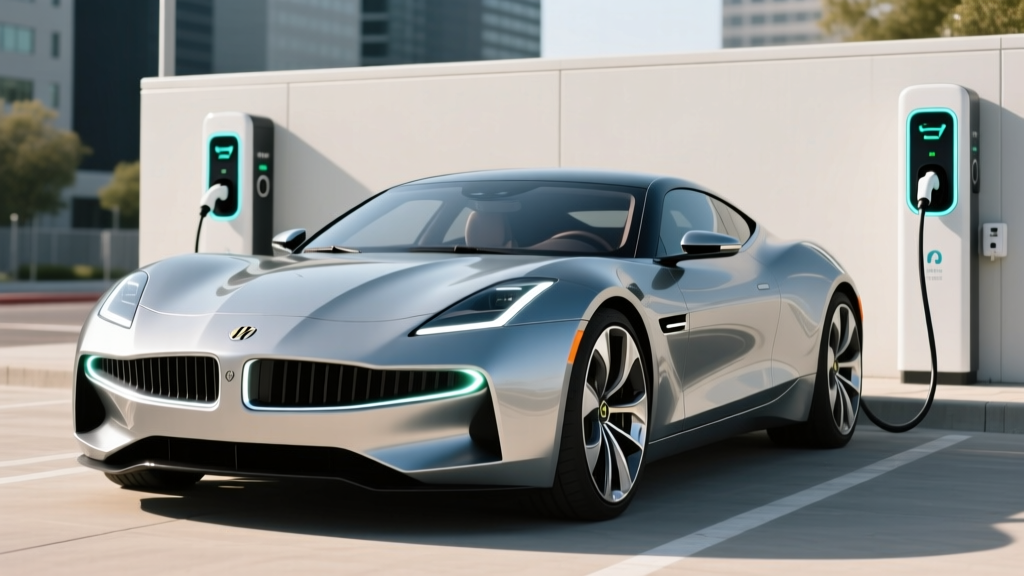
The Fisker Karma occupies a strange space in the electrified vehicle landscape. Originally launched in 2011 as an extended-range electric vehicle (EREV) — a plug-in hybrid that runs on battery first, then fires up a gasoline generator — the Karma was one of the first cars to promise electric commuting with gas-engine backup. Fisker Automotive went bankrupt in 2013, and the nameplate eventually passed to Karma Automotive, which continued limited production of the rebranded Karma Revero through 2020 before pivoting to future models. As of 2026, the Karma is not in new production. What remains is a used-market proposition that attracts design enthusiasts and early-EV adopters willing to navigate significant ownership risks.
This review evaluates the Fisker Karma (including Karma Revero variants) as a 2026 used-vehicle purchase — covering real-world range, charging reality, total cost of ownership, and whether the Karma's pioneering architecture still holds up against modern PHEVs and BEVs.
Powertrain, Battery, and the EREV Architecture
Understanding the Karma requires understanding its powertrain. The original Karma and early Revero models use a series-hybrid architecture: a 201-horsepower electric motor drives the rear wheels, drawing from a lithium-ion traction battery. When the battery depletes, a 2.0-liter turbocharged GM Ecotec inline-four acts solely as a generator — it never mechanically drives the wheels. Later Revero GT variants (2018–2020) swapped the GM engine for a 1.5-liter BMW-sourced three-cylinder turbo and upgraded the battery pack.
| Specification | Fisker Karma (2011–2012) | Karma Revero GT (2018–2020) |
|---|---|---|
| Drivetrain | RWD (single electric motor) | RWD (single electric motor) |
| Electric Motor Output | 201 hp / 295 lb-ft | 201 hp / 295 lb-ft |
| Battery Capacity (usable) | ~18.0 kWh (NMC) | ~28.0 kWh (NMC) |
| Battery Chemistry | NMC (nickel manganese cobalt) | NMC (nickel manganese cobalt) |
| Range Extender Engine | 2.0L GM Ecotec I4 turbo | 1.5L BMW B38 I3 turbo |
| Fuel Tank | 9.5 gallons | 9.5 gallons |
| 0–60 mph | ~5.4 seconds |
The NMC chemistry in both variants was standard for the era but has aged less gracefully than modern LFP (lithium iron phosphate) packs found in current vehicles like the Tesla Model 3 RWD. NMC offers higher energy density but is more susceptible to calendar degradation, especially if the car sat for extended periods at high or low states of charge — a real concern for a low-volume car that often spent months on dealer lots or in storage.
Range and Efficiency: EPA Sticker vs. Real-World Reality
Real-World Expectation in 2026: 18–25 miles (Karma) / 35–48 miles (Revero GT), assuming moderate battery degradation
Cold-Weather Impact: Expect 20–30% further reduction in electric range below 40°F; the Karma lacks a modern heat pump, so cabin heating draws heavily from the pack.
The original Karma's 32-mile EPA electric range was modest even in 2011, and battery degradation over 12–14 years will have shortened that considerably. Independent testing and owner reports suggest most surviving 2011–2012 Karmas deliver 18–25 miles of electric driving at best. The Revero GT's larger 28 kWh pack and more efficient BMW generator improved the picture meaningfully — its 61-mile EPA rating translates to roughly 35–48 usable electric miles in a 2026-used example, which is enough for many commutes but trails modern PHEVs like the Toyota RAV4 Prime (42 miles EPA, newer battery) or the Chrysler Pacifica Hybrid (32 miles EPA with a far more practical interior).
Total range — electric plus gasoline generator — was rated at roughly 230 miles for the original Karma and approximately 360 miles for the Revero GT. On the combined cycle, the original Karma achieved 52 MPGe (electric + gas) and 20 MPG on the generator alone, per fueleconomy.gov. The Revero GT improved to approximately 70 MPGe combined and 26 MPG on gasoline.
Charging: What to Expect at Home and in Public
The Karma's charging capabilities reflect its 2011 engineering and are its most significant practical limitation for 2026 buyers.
| Charging Level | Karma (2011–2012) | Revero GT (2018–2020) | Time to Full (approx.) |
|---|---|---|---|
| Level 1 (120V / 12A) | ~1.4 kW | ~1.4 kW | 14–20 hours |
| Level 2 (240V / 16A) | ~3.3 kW | ~6.6 kW | 6 hrs (Karma) / 4.5 hrs (GT) |
| DC Fast Charge | Not supported | Not supported | N/A |
| Connector | J1772 | J1772 | — |
No DC fast charging. This is the dealbreaker many buyers overlook. Neither the Karma nor the Revero GT supports DC fast charging. You cannot pull into an Electrify America or Tesla Supercharger station and add range in 20 minutes. All charging is AC only, via the J1772 connector. For owners with home Level 2 charging (a 240V wall connector or similar), overnight replenishment is fine — the Revero GT's 6.6 kW onboard charger fills the 28 kWh pack in roughly 4.5 hours. But the original Karma's 3.3 kW charger means even a depleted 18 kWh pack needs about 6 hours on Level 2.
If your commute exceeds electric range and you lack home charging, the Karma's EREV architecture means the gasoline generator covers you — but you'll burn fuel at 20–26 MPG, which is poor by modern hybrid standards. A 2026 Toyota Prius Prime charges faster, goes farther on electricity, and achieves 48+ MPG on gas.
Interior, Cargo, and Daily Livability
The Karma was designed as a grand-touring sedan, and its proportions reflect that priority over practicality. The low roofline, wide stance, and solar-panel roof insert are visually striking but create real compromises:
- Front legroom: 42.3 inches — generous and comfortable for tall drivers.
- Rear legroom: 29.6 inches — essentially unusable for adults. The Karma is a 2+2, and the rear seats suit children or cargo overflow only.
- Cargo volume: 6.9 cubic feet (trunk). The battery pack sits in a central tunnel that bisects the cabin and eliminates any pass-through or fold-flat capability.
- Curb weight: ~5,300 lbs (original Karma) — heavy for its size, and the weight distribution (heavily rear-biased due to the motor and battery placement) affects tire wear and handling feel.
The infotainment system uses a 10.2-inch touchscreen that was advanced for 2011 but lacks Apple CarPlay, Android Auto, wireless connectivity, and over-the-air updates. Navigation mapping is outdated. The Karma Revero GT added minor updates but still feels a generation behind 2026 standards. There are no modern ADAS features — no adaptive cruise control, no lane-keeping assist, no automatic emergency braking. This is a Level 0 vehicle in SAE automation terms; the driver handles everything.
Pricing, Tax Credits, and Total Ownership Cost
| Model | Original MSRP | 2026 Used Market Range | Federal Tax Credit (§30D) |
|---|---|---|---|
| Fisker Karma (2011–2012) | $96,850–$109,850 | $18,000–$35,000 | Not eligible (new-vehicle credit; used-EV credit up to $4,000 applies if dealer-eligible and income caps met) |
| Karma Revero GT (2018–2020) | $130,000–$145,000 | $40,000–$65,000 | Same used-EV credit rules apply; original $7,500 new-vehicle credit is no longer available |
Federal tax credit reality: The §30D new clean vehicle credit is not available for the Karma, as it is no longer sold new. However, the used clean vehicle credit (IRC §25E) may provide up to $4,000 (30% of sale price, capped) if the following conditions are met:
- The vehicle is purchased from a licensed dealer (private-party sales do not qualify).
- The sale price is $25,000 or less — this eliminates most Revero GT examples but may cover some Karmas.
- Buyer adjusted gross income falls below caps: $75,000 (single), $112,500 (head of household), $150,000 (joint).
- The vehicle is at least two model years old (Karma and Revero GT both qualify).
- The vehicle has not been transferred after August 16, 2022, under a prior §25E claim (each VIN gets one used credit in its lifetime).
Because Karma production was so limited and many examples have changed hands privately, verifying whether a specific VIN has already consumed its one-time used credit is essential. Consult a tax professional and check the IRS used vehicle credit page before relying on this incentive.
Ongoing ownership costs are the larger concern:
- Battery replacement: A Karma traction battery replacement (if cells degrade below usability) has historically cost $8,000–$15,000 through specialty shops. OEM support from Karma Automotive is limited. No mainstream dealer network stocks these packs.
- Warranty: Original Karma battery warranty was 5 years/60,000 miles. This has long expired on all examples. Karma Automotive's support infrastructure for legacy vehicles is minimal compared to Toyota, Ford, or Tesla service networks.
- Insurance: Specialty/collector insurance is often required. Standard carriers may decline or quote prohibitively due to parts scarcity.
- Parts availability: Body panels, the A123 battery modules (original Karma), and the GM Ecotec integration components are increasingly difficult to source. The Revero GT's BMW-sourced engine is more serviceable, but proprietary Karma electronics remain a bottleneck.
Who Should (and Shouldn't) Buy a Fisker Karma in 2026
- You want a design-icon vehicle for occasional fair-weather driving and can accept 15–25 miles of electric range.
- You have home Level 2 charging and a short commute within electric range.
- You view the car as a collector piece with electrified capability, not a daily driver.
- You have access to a specialist mechanic familiar with Karma/A123 systems.
- You need a daily commuter with reliable electric range, modern safety tech, and fast charging.
- You carry rear passengers or cargo regularly.
- You want DC fast charging for road trips.
- You need a vehicle backed by a dealer service network and transferable warranty.
For most 2026 EV shoppers, modern alternatives offer dramatically better usability. A used Chevrolet Volt (2016–2019) provides 53 miles of electric range, DC fast charging (on later models), a usable back seat, and a robust GM dealer network for a fraction of the Karma's running costs. A new Toyota Prius Prime delivers 44 electric miles, 50+ MPG on gas, full ADAS, and a $33,000 starting price. The Karma simply cannot compete on practicality — its value is emotional and aesthetic, not rational.
Fisker Karma Pros and Cons
- Striking, timeless design by Henrik Fisker — still turns heads 14 years later
- True EREV architecture: electric commuting with gas-engine backup eliminates range anxiety
- Solar roof panel provides trickle charging and cabin ventilation
- Low used-market entry price relative to original $100K+ MSRP
- Collector/enthusiyst community provides some aftermarket knowledge base
- No DC fast charging — AC-only at 3.3 kW (Karma) or 6.6 kW (Revero GT)
- Severely degraded battery capacity on most 2011–2012 examples
- Unusable rear seats (29.6" legroom) and tiny 6.9 cu ft trunk
- No modern ADAS, no CarPlay/Android Auto, outdated infotainment
- Parts scarcity and minimal manufacturer support for repairs
- Poor fuel economy (20–26 MPG) when running on the gasoline generator
- Battery replacement costs $8,000–$15,000 with limited sourcing options
Frequently Asked Questions
What is the real-world electric range of the Fisker Karma in 2026?
Expect 18–25 miles of electric-only range on a 2011–2012 Karma with a moderately degraded battery. The Karma Revero GT (2018–2020) typically delivers 35–48 miles. Both figures drop 20–30% in cold weather due to resistive cabin heating drawing from the traction battery.
Can I DC fast charge a Fisker Karma?
No. Neither the Karma nor the Revero GT supports DC fast charging. All charging is AC-only via a J1772 connector, at a maximum of 3.3 kW (Karma) or 6.6 kW (Revero GT). A full charge takes 4.5–6 hours on a 240V Level 2 home charger.
Does the Fisker Karma qualify for any federal tax credit?
Not the new-vehicle §30D credit — the Karma is no longer sold new. The used clean vehicle credit (§25E) may provide up to $4,000 if you buy from a licensed dealer for $25,000 or less, meet income caps ($75K single / $150K joint), and the VIN hasn't previously been claimed under §25E. Verify with a tax professional and the IRS.
Is the Fisker Karma worth buying over a modern PHEV or EV?
For daily transportation, no. A used Chevrolet Volt, new Toyota Prius Prime, or new Ford Escape PHEV offers more electric range, faster charging, modern safety systems, better cargo space, and dealer-backed service for less money. The Karma makes sense only as a design-focused collector vehicle that happens to have an electric powertrain.
What happens if the Karma's battery fails?
Battery replacement costs $8,000–$15,000 through specialty EV shops. The original A123 Systems cells in the 2011–2012 Karma are particularly difficult to source new. Some owners have pursued aftermarket cell-swap solutions, but no factory-authorized replacement program exists. The gasoline generator will still operate even with a degraded battery, but electric-only range will be minimal or zero.
How does the Karma Revero GT differ from the original Fisker Karma?
The Revero GT (2018–2020) features a larger 28 kWh battery (vs. 18 kWh), a more efficient BMW-sourced 1.5L three-cylinder range extender (vs. the GM 2.0L four-cylinder), a 6.6 kW onboard charger (vs. 3.3 kW), and updated interior materials. Electric range improved from 32 to 61 miles EPA. It is the more practical choice if you're committed to the Karma platform, but used prices reflect the improvement ($40K–$65K vs. $18K–$35K for the original).