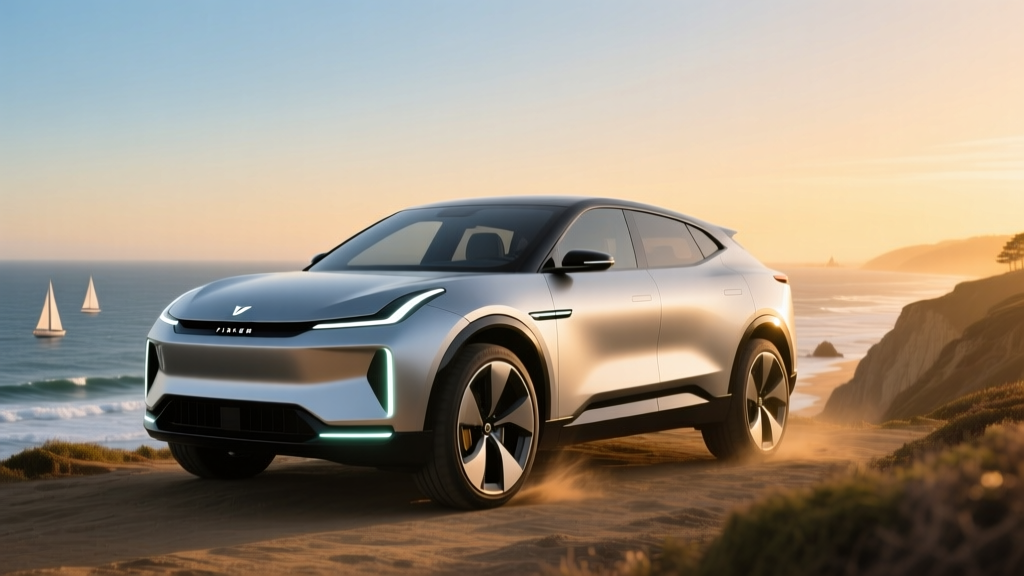
The Fisker Ocean was supposed to be the EV startup's flagship — a stylish, solar-roofed electric SUV with competitive range and a sub-$40,000 starting price. Instead, it became one of the most prominent casualties in the EV shakeout. Fisker Inc. filed for Chapter 11 bankruptcy in June 2024, and the ensuing fisker bankruptcy docket revealed a company that burned through cash, struggled with software, and ultimately could not sustain production or support its vehicles.
As of 2026, the Fisker Ocean is no longer in production, and Fisker Inc. has been dissolved following asset liquidation. However, used examples continue to circulate on the secondary market, and current owners face real questions about software support, parts availability, and long-term viability. This review examines the Ocean's actual specifications and ownership reality through the lens of what the bankruptcy proceedings disclosed.
Fisker Ocean Specifications at a Glance
| Specification | Ocean Sport (FWD) | Ocean Ultra / Extreme (AWD) |
|---|---|---|
| EPA Range | 250 miles | 360 miles |
| Battery (usable) | ~80 kWh (LFP, BYD) | ~113 kWh (NMC, CATL) |
| Horsepower | 275 hp | 550 hp |
| 0-60 mph | 6.9 sec | 3.7 sec |
| Drivetrain | Single-motor FWD | Dual-motor AWD |
| Max DC Fast Charge | ~170 kW (peak) | ~250 kW (peak) |
| Level 2 Charge Rate | 10.5 kW | 10.5 kW |
| MPGe (combined) | ~95 MPGe | ~87 MPGe |
| Cargo (rear seats up) | 32.5 cu ft | 32.5 cu ft |
| Cargo (rear seats folded) | ~65 cu ft | ~65 cu ft |
| Original Base MSRP | $37,499 | $68,999 |
Note: Specs reflect final production figures before Fisker ceased manufacturing in mid-2024. Source: fueleconomy.gov and Fisker press materials.
Real-World Range: What the EPA Sticker Doesn't Tell You
Ocean Sport (FWD): EPA 250 miles — expect approximately 210–230 miles in mixed highway driving, dropping to 175–195 miles in sustained cold weather (below 32°F) at highway speeds.
Ocean Ultra/Extreme (AWD): EPA 360 miles — expect approximately 300–325 miles in real-world mixed use, and 250–275 miles in cold-weather highway driving.
The Ocean Extreme's 360-mile EPA rating was genuinely competitive at launch, rivaling the Lucid Air and exceeding the Tesla Model Y Long Range. But the large 113 kWh NMC pack from CATL added significant weight (over 5,000 lbs for AWD trims), which hurt efficiency at sustained highway speeds above 70 mph. In independent testing conducted before the bankruptcy, the Ocean Ultra delivered roughly 2.4–2.6 kWh/mile on the highway, translating to about 300 miles of practical range before the low-battery warning.
The Sport trim's LFP battery from BYD offered a smaller 250-mile EPA figure. LFP chemistry is more tolerant of regular 100% charging (unlike NMC, which benefits from an 80% daily limit), so usable daily range on the Sport could stretch closer to its sticker number for city commuters. However, LFP packs lose a larger percentage of capacity in freezing temperatures — plan on 25–30% range reduction in sub-freezing winters if you live in the northern U.S.
Charging Speed: DC Fast Charging and Home Level 2
| Charging Method | Ocean Sport (LFP) | Ocean Ultra/Extreme (NMC) |
|---|---|---|
| Level 1 (120V, 1.4 kW) | ~4 mi/hr | ~4 mi/hr |
| Level 2 (240V, 10.5 kW) | ~30 mi/hr (~8 hrs 10–100%) | ~35 mi/hr (~11 hrs 10–100%) |
| DC Fast Charge (peak) | ~170 kW | ~250 kW |
| DC 10–80% Time | ~37 min | ~30 min |
| Connector | CCS1 (J1772 combo) | CCS1 (J1772 combo) |
The Ocean's DC fast-charging performance was a sore point even before the bankruptcy. The peak 250 kW figure on AWD trims was rarely sustained. In real-world charging sessions on Electrify America and EVgo networks, the Ocean typically peaked around 180–200 kW and tapered aggressively above 60% State of Charge (SoC). The 10–80% session often stretched to 35–40 minutes rather than the claimed 30, because the charge curve flattened earlier than competitors like the Hyundai Ioniq 5 or Kia EV6, which sustain higher rates deeper into the curve.
The CCS1 connector is a growing concern in 2026. With the industry having largely migrated to NACS (Tesla's connector, now the SAE J3400 standard), Fisker Ocean owners need a CCS-to-NACS adapter to access Tesla Supercharger stations. Fisker had announced adapter compatibility, but with the company dissolved, owners are relying on third-party adapters from brands like Lectron or A2Z. Verify adapter firmware compatibility before relying on Supercharger access.
For home Level 2 charging, the 10.5 kW onboard charger is adequate. A full overnight charge is achievable on a 48-amp Level 2 circuit (hardwired, 60-amp breaker). Expect installation costs of $800–$2,000 for a home Level 2 setup, depending on whether your electrical panel needs an upgrade to 200 amps.
What the Fisker Bankruptcy Docket Revealed
The fisker bankruptcy docket (filed in the U.S. Bankruptcy Court for the District of Delaware, Case No. 24-11480) laid bare several critical issues that directly affect Ocean owners and prospective used-car buyers:
- Cash burn and production halt: Fisker spent over $1 billion developing the Ocean but delivered fewer than 10,000 vehicles before halting production at Magna Steyr's Austrian factory in early 2024. The docket showed the company had fewer than 50 vehicles in U.S. inventory at the time of filing.
- Software incompleteness: Court filings confirmed that the Ocean launched with unfinished software. Features like the "California Mode" (all windows lowering simultaneously), certain ADAS functions, and over-the-air (OTA) update infrastructure were either buggy or non-functional at delivery. Fisker had planned OTA fixes, but the bankruptcy interrupted that pipeline.
- Parts and service gaps: The docket revealed that Fisker had limited spare parts inventory and relied heavily on Magna Steyr for components. With Magna's contract terminated, body panels, proprietary trim pieces, and the solar roof assembly are extremely difficult to source in 2026.
- Warranty obligations: Fisker's stated 6-year/60,000-mile bumper-to-bumper and 10-year/100,000-mile battery warranty are effectively void. The bankruptcy estate did not assume ongoing warranty obligations, meaning current owners bear repair costs out of pocket or through third-party warranty providers (if available).
For a detailed look at the proceedings, bankruptcy records are publicly accessible via PACER (Public Access to Court Electronic Records).
Interior, Tech, and Notable Drawbacks
The Ocean's interior was a mix of ambitious design and startup rough edges. Highlights included:
- Solar Roof (Extreme trim): A photovoltaic panel array on the roof that Fisker claimed could add up to 1,500 miles of range per year under ideal conditions. Real-world gains were closer to 3–5 miles per day in full sun — a nice supplement but not transformative.
- 17.1-inch rotating center display: A large portrait/landscape-toggle screen running a custom Android-based OS. The interface was visually appealing but sluggish in early builds, with lag in navigation and media switching.
- Revolve screen rotation: The center display could rotate from portrait ("Control Mode") to landscape ("Hollywood Mode") for media playback while parked — a unique feature, though gimmicky in daily use.
- Recycled materials: Fisker leaned heavily into sustainability, using recycled plastics, vegan leather, and reclaimed rubber throughout the cabin. Quality was decent but did not match the premium feel of a BMW iX or Rivian R1S at similar price points.
Notable drawbacks:
- ADAS limitations: The Ocean shipped with basic Level 2 driver-assistance (adaptive cruise control, lane-keeping assist), but it was not competitive with Tesla Autopilot, GM Super Cruise, or Ford BlueCruise. The system was prone to phantom braking and lane-centering drift on curved highways.
- No frunk: Despite being an EV-dedicated platform, the Ocean has no front trunk, reducing total cargo utility.
- Ride quality: The heavy battery pack and firm suspension tuning resulted in a ride that reviewers described as "jittery" over rough pavement, especially on the 22-inch wheels standard on the Extreme trim.
- Infotainment bugs: Even in final-production vehicles, owners reported Bluetooth connectivity drops, navigation errors, and climate control glitches that OTA updates were supposed to resolve but never did.
Pricing, Tax Credits, and Used-Market Reality
| Trim | Original MSRP | Current Used (2026 est.) | Federal Tax Credit (§30D) |
|---|---|---|---|
| Ocean Sport | $37,499 | $14,000–$18,000 | Not eligible (used EV credit may apply — up to $4,000) |
| Ocean Ultra | $52,999 | $18,000–$24,000 | Not eligible (used EV credit may apply — up to $4,000) |
| Ocean Extreme | $68,999 | $22,000–$30,000 | Not eligible (used EV credit may apply — up to $4,000) |
| Ocean One (launch edition) | $68,999 | $22,000–$28,000 | Not eligible (used EV credit may apply — up to $4,000) |
The Fisker Ocean is no longer sold new. Fisker's fire-sale liquidation in mid-2024 saw remaining inventory sold to rental fleets and wholesale buyers at steep discounts — some Ocean Sport units reportedly changed hands for under $20,000. On the used market in 2026, prices have settled well below original MSRP, reflecting both the bankruptcy stigma and the genuine risk of owning a vehicle from a defunct manufacturer.
Federal tax credit note: The new-vehicle §30D credit ($7,500) is not available for the Fisker Ocean because it is no longer manufactured or sold new. However, the used EV tax credit (IRC §25E) may apply: up to $4,000 or 30% of the sale price (whichever is lower) for qualified used EVs purchased from a dealer, subject to buyer income caps ($75,000 single / $150,000 joint) and a vehicle sale price cap of $25,000. Consult IRS guidelines on the used clean vehicle credit and a tax professional for eligibility.
Pros and Cons: The Honest Assessment
- Class-leading EPA range on Ultra/Extreme (360 mi)
- Distinctive design with solar roof option
- Spacious cabin with generous rear legroom (~38.5 in)
- Strong straight-line performance on AWD trims (3.7 sec 0-60)
- Deep depreciation = potential bargain on the used market
- Sustainable materials throughout interior
- Manufacturer is defunct — no warranty, no OTA updates, no dealer network
- Spare parts are scarce and expensive
- Software remains buggy and unfinished
- CCS1 connector requires adapter for NACS/Supercharger access
- Insurance may be difficult or expensive to obtain
- Resale value is highly uncertain
- ADAS is below average for the segment
- No frunk reduces cargo versatility
Who Should (and Shouldn't) Consider a Used Fisker Ocean
This EV may suit you if:
- You're an EV enthusiast comfortable with elevated ownership risk and willing to self-manage maintenance.
- You want a long-range electric SUV at a steep discount and can tolerate software quirks.
- You have reliable home Level 2 charging and don't depend on public DC fast-charging networks for daily use.
- You're mechanically inclined or have access to an independent EV-savvy technician.
Look elsewhere if:
- You need a dependable daily driver with full manufacturer backing and an active service network.
- You rely on over-the-air updates, polished infotainment, or advanced driver-assist features.
- You plan to keep the vehicle long-term and want predictable repair costs and parts availability.
- You need hassle-free access to the Tesla Supercharger network without adapter complications.
Competitors to cross-shop in the used market include the Hyundai Ioniq 5 (faster charging, NACS adapter support, active manufacturer), Tesla Model Y (Supercharger access, robust service network), Ford Mustang Mach-E (BlueCruise, strong dealer support), and the Volkswagen ID.4 (comfortable ride, widely available). All carry significantly less ownership risk.
Frequently Asked Questions
What is the real-world range of the Fisker Ocean?
The Ocean Extreme (AWD, 113 kWh NMC) has an EPA rating of 360 miles, but expect 300–325 miles in mixed real-world driving and 250–275 miles in cold-weather highway conditions. The Ocean Sport (FWD, 80 kWh LFP) is EPA-rated at 250 miles, with real-world expectations of 210–230 miles mixed and 175–195 miles in freezing temperatures.
How fast does the Fisker Ocean charge?
On DC fast charging, the AWD trims peak around 250 kW but typically sustain 180–200 kW, delivering a 10–80% charge in roughly 35–40 minutes. The Sport trim peaks near 170 kW with a 10–80% time of approximately 37 minutes. At home on Level 2 (240V, 10.5 kW), a full charge takes 8–11 hours depending on battery size.
How much does a used Fisker Ocean cost in 2026?
Used prices range from approximately $14,000 for an Ocean Sport to $30,000 for a low-mileage Ocean Extreme — far below original MSRPs of $37,499 to $68,999. The steep discount reflects the bankruptcy, lack of warranty, and parts scarcity.
Does the Fisker Ocean qualify for the federal EV tax credit?
Not the new-vehicle §30D credit ($7,500), since Fisker no longer manufactures or sells vehicles. However, the used EV credit (§25E) may provide up to $4,000 if you buy from a licensed dealer, the sale price is $25,000 or less, and your income falls below IRS caps ($75,000 single / $150,000 joint). Always verify current rules at irs.gov and consult a tax professional.
Is it worth buying a used Fisker Ocean vs. competitors?
Only if you accept the risks. The Ocean offers strong range and distinctive design at a bargain price, but the lack of warranty support, scarce parts, unfinished software, and uncertain long-term reliability make it a speculative purchase. A used Hyundai Ioniq 5, Tesla Model Y, or Ford Mustang Mach-E provides far more security and a better support ecosystem, even at a higher price.
Can I still get the Fisker Ocean serviced?
Fisker's authorized service network no longer exists. Some former Fisker service partners and independent EV shops may handle basic maintenance (brake fluid, cabin filters, tire rotation), but proprietary repairs — especially involving the battery management system, power electronics, or infotainment — may be difficult or impossible to complete. Parts availability is the primary bottleneck.
What happened to Fisker's OTA updates?
Over-the-air software updates ceased with the bankruptcy. The Ocean's software remains in its final shipped state, meaning planned bug fixes, feature additions, and ADAS improvements were never delivered. There is no indication that any third party will resume OTA support.